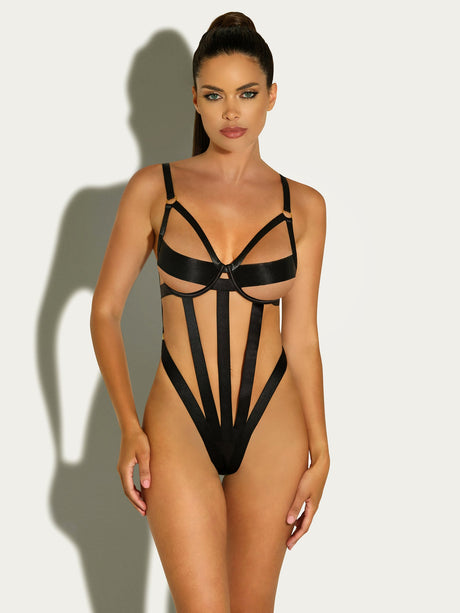
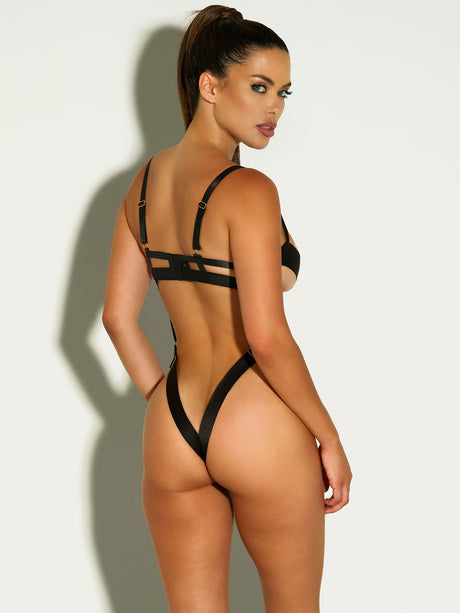
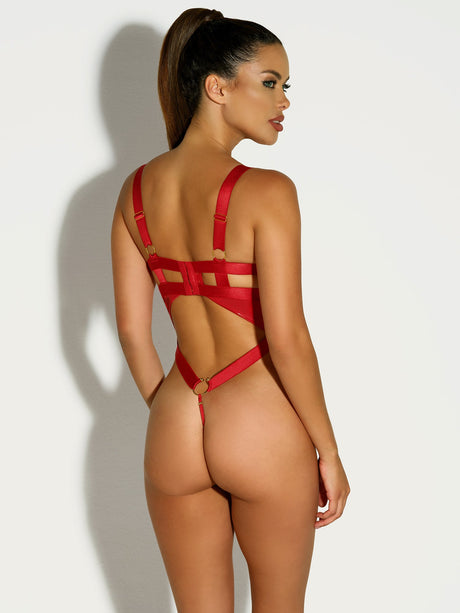
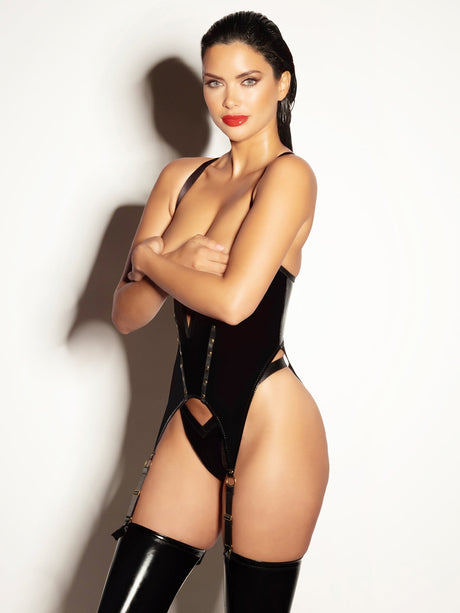
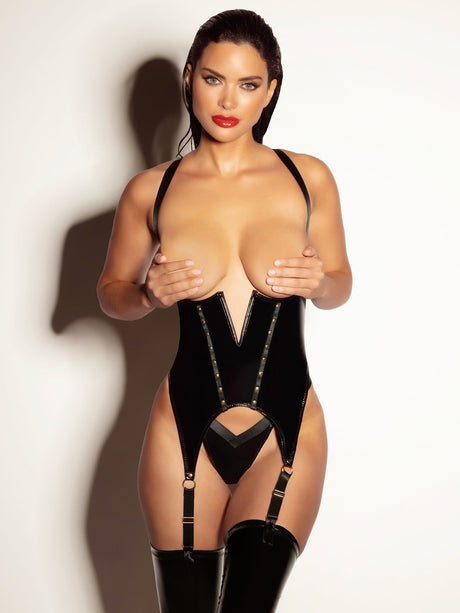
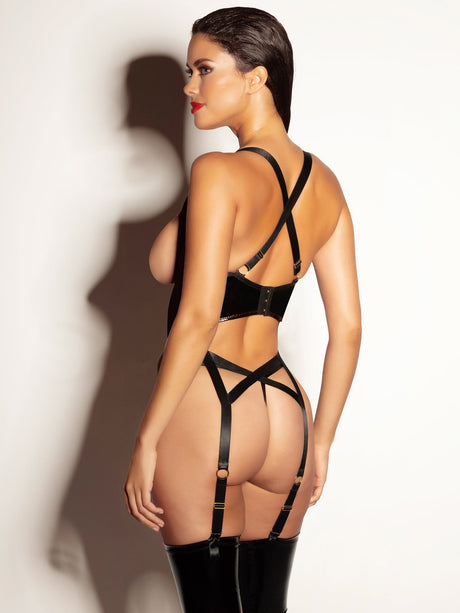
What are the main types of swimsuits?
The main types of swimsuits are the one-piece, the bikini, the tankini, the monokini, the swim dress and full-coverage styles such as the rash guard and the burkini, plus swim bottoms like swim skirts, swim shorts and swim leggings that pair with a separate top.
Every one of them sits in one of four families: one-piece styles, two-piece styles, bottoms and layers, and full coverage. Within each family, the differences come down to three things: how much the suit covers, how it supports the bust, and how it behaves once it is wet.
The right type is the one that matches what you will actually do in it. Choose for the day first, then for coverage and support, then for style. This guide maps every type and links to a full guide on each one.
Swimsuit shopping goes wrong in a predictable way: you choose a style from a photo of someone lying still, then wear it to swim, chase children or ride waves.
Each type of swimsuit was designed for a particular kind of day. Knowing which one was built for yours removes most of the guesswork before you look at a single color.
- Four families: one-piece styles, two-piece styles, bottoms and layers, and full coverage.
- One-pieces stay put best in the water; fit them by torso length, not just size.
- Bikinis give the most choice of cut and are sized top and bottom separately.
- Tankinis give one-piece coverage with two-piece convenience.
- Swim dresses, skirts and shorts cover the hips and thighs; rash guards and burkinis cover the most.
- Choose for the day first: laps, waves and lounging each favor different types.
The Four Families of Swimsuit
Almost every swimsuit is a variation on one of four ideas. Start with the family and the choice narrows quickly.

Every Type of Swimsuit at a Glance
The table lists every common type, what it covers and where to read more.
| Type | What it is | Coverage | Best for | Guide |
|---|---|---|---|---|
| One-piece | Single garment, shoulder to hip | Moderate | Swimming, all-round wear | One-piece guide |
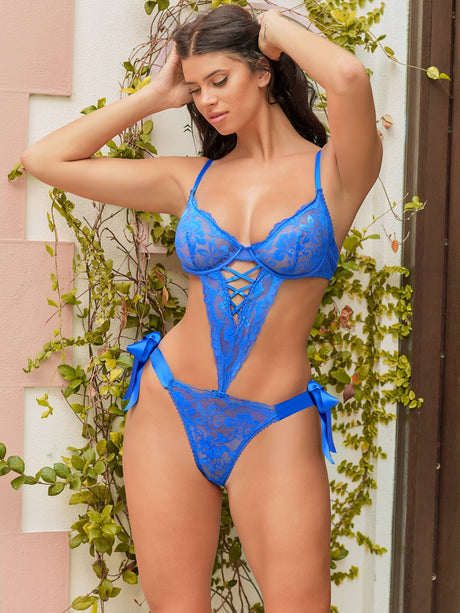
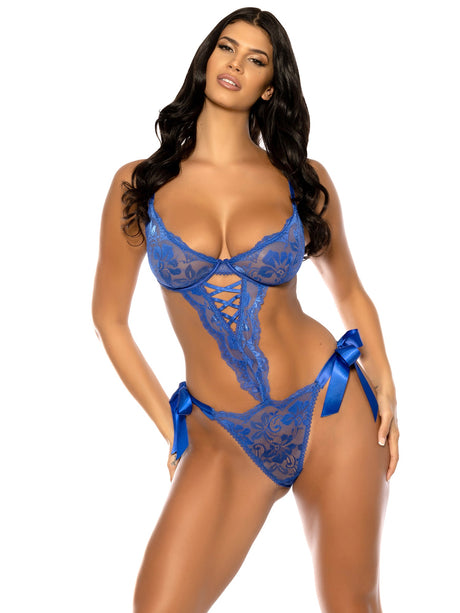
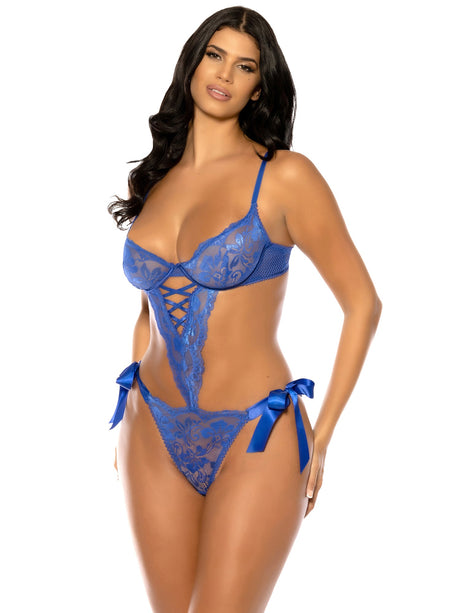
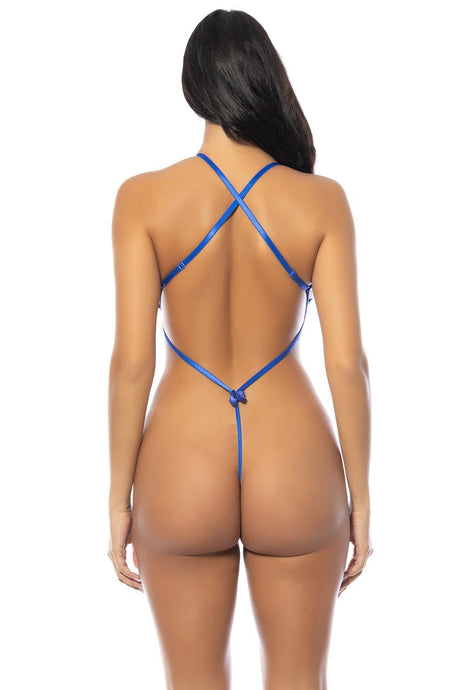
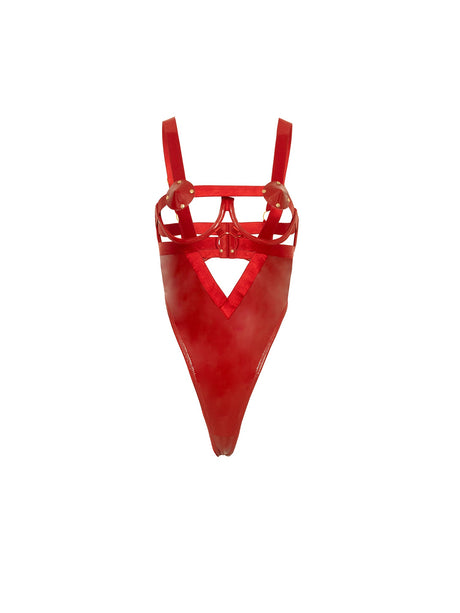
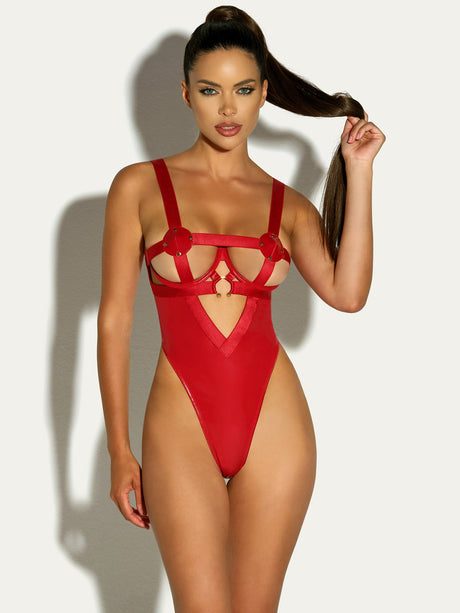
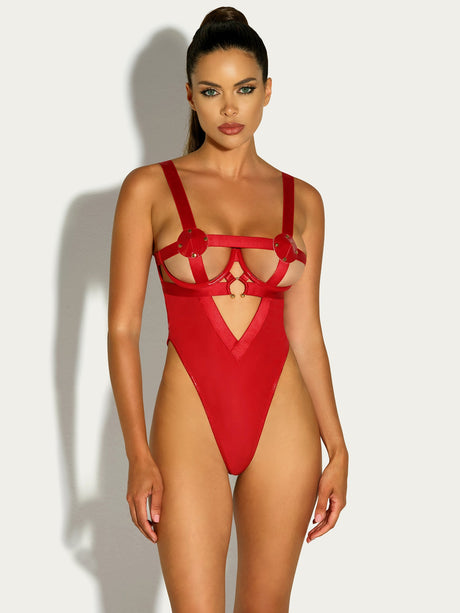
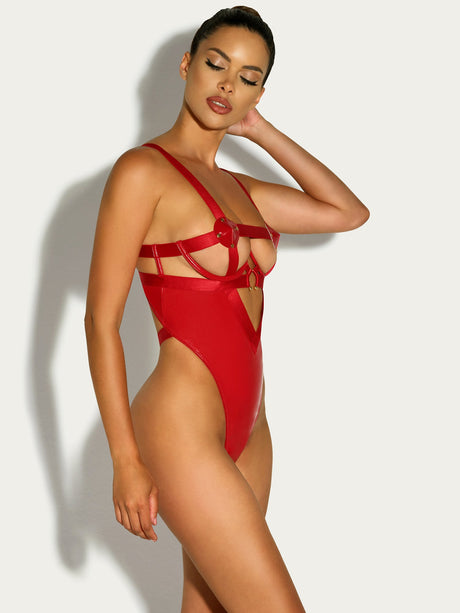
| Monokini | One-piece with cutouts at the sides or front | Moderate | Lounging, resort wear | One-piece guide |
| Swim dress | One-piece with an attached skirt | High | Hip and thigh coverage | Swim dress guide |
| Bikini | Separate top and bottom | Low to moderate | Sunbathing, mix and match | Types of bikinis |
| Bandeau bikini | Strapless tube top | Low to moderate | Even tan lines | Bandeau guide |
| Thong bikini | Bottom with minimal back coverage | Low | Tanning, minimal lines | Thong bikini guide |
| Micro and extreme bikini | The smallest cuts | Minimal | Sunbathing only | Extreme bikini guide |
| Sheer bikini | Mesh or see-through fabric | Minimal | Statement wear | Sheer bikini guide |
| Tankini | Tank-style top with separate bottom | High | Coverage with two-piece ease | Tankini guide |
| Swim skirt | Skirted bottom with a built-in liner | High | Hip and thigh coverage | Swim skirt guide |
| Swim shorts | Shorts or board shorts for swimming | High | Active days, thigh coverage | Swim shorts guide |
| Rash guard | Fitted swim top with sleeves | Very high | Sun, surf, water sports | Modest swimwear guide |
| Burkini | Full-body suit with a hood or head cover | Full | Modest dress codes | Burkini guide |
| Cover-up | Kaftan, sarong or dress worn over a suit | Varies | Beach to lunch | Cover-ups guide |
Two more guides cut across every type. Our plus size swimwear guide covers sizing and support from 1X to 4X, and our tummy control swimsuits guide explains which construction actually smooths the stomach and which only looks as though it does.
One-Piece Swimsuits
The most versatile type. One garment, no gap, and the most reliable fit in the water.
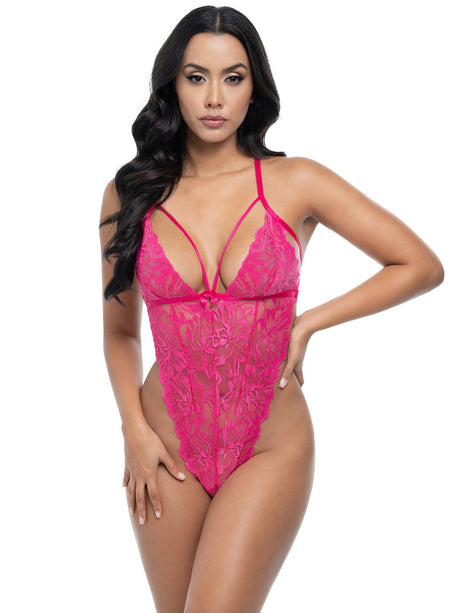
A one-piece swimsuit runs from the shoulders to the hips in a single piece of fabric. Because the top and bottom pull against each other, it stays in place when you dive, swim or get knocked by a wave better than any two-piece. It also smooths the torso and gives built-in bust support through cups, an underband or a shelf bra.
The one detail that decides whether a one-piece fits is torso length, the distance from shoulder to crotch. A suit with too little length digs into the shoulders and rides up at the back; one with too much bags at the waist. Our one-piece swimsuit guide explains how to measure torso girth and what each neckline, leg line and back style does.
Variations in the one-piece family
A swim dress is also part of this family: a one-piece with a skirt panel attached at the waist or hip. It covers the top of the thighs, but the skirt creates drag and floats upward in deep water. Our swim dress guide explains how to choose the skirt length and liner. Shop one-piece swimsuits or swim dresses.
Bikinis
The type with the most choice. A top and a bottom, each chosen and sized on its own.
A bikini is a two-piece swimsuit with a separate top and bottom that leaves the midriff bare. Its biggest advantage is that the two halves are independent: you can wear a larger top and a smaller bottom, combine a supportive top with a cheeky bottom, or buy two bottoms for one top. Its weak point is the same split, which can shift or gap when you are active.
Bikini tops and bottoms each come in many cuts. Our types of bikinis guide explains every one; the summary below shows how they group.
| Part | Main cuts | What decides the choice |
|---|---|---|
| Top | Triangle, bandeau, balconette, underwire, halter, bralette, sporty | Bust size and how much support you need |
| Bottom: back | Full, cheeky, Brazilian, thong, G-string | How much back coverage you want |
| Bottom: rise | Low-rise, mid-rise, high-waisted | How much of the stomach you want covered |
| Bottom: sides | Tie-side, banded, high-leg | Adjustability and leg line |
A few bikini styles deserve their own guide. The bandeau bikini relies entirely on its band, which limits support to about a C or D cup without structure. Back coverage runs as a gradient, explained in our guides to the thong bikini and to Brazilian, thong and G-string cuts. At the minimal end, we separate micro and tiny bikinis, cover the full extreme bikini range and explain how a sheer bikini behaves when wet. For a 1940s or 1950s look, pair a high-waisted bottom with a balconette or halter top; our guide to vintage style swimsuits covers retro cuts decade by decade.
Most people are not the same size top and bottom. Buy bikini pieces separately when you can, choosing the top by bust and band and the bottom by hip measurement. Shop bikinis or thong bikinis.
Tankinis
One-piece coverage, two-piece convenience. The most popular choice for people who want both.
A tankini pairs a tank-style top that reaches the hips with a separate bottom. It covers about as much as a one-piece but comes apart at the waist, which makes bathroom trips easy and lets you size the top and bottom separately. That also removes the torso-length problem entirely, so tankinis suit long-bodied and short-bodied figures that struggle with one-pieces.
Tankini tops come in fitted, blouson and flowy cuts, and bottoms range from bikini briefs to high-waisted briefs, swim skirts and swim shorts. The one common complaint is the top floating up in the water. Our tankini guide explains which hems and fits prevent it. Shop tankinis.
| Tankini top | Shape | Good to know |
|---|---|---|
| Fitted | Follows the body to the hip | Floats least in the water |
| Blouson | Gathered into a band at the hem | Relaxed through the stomach, hem stays put |
| Flowy or A-line | Loose and swingy from the bust | Most coverage, floats most when swimming |
| Midkini | Ends just above the navel | Halfway between a bikini and a tankini |
| Underwire tankini | Wired cups inside the top | The best support for fuller busts |
Swim Skirts, Swim Shorts and Swim Leggings
Bottoms that add coverage to the hips and thighs. Pair them with any top.

All three are sold as bottoms, so they pair with a bikini top, a tankini or a rash guard. A swim skirt over a one-piece also works for extra coverage on the beach. Shop swim skirts.
Modest and Full-Coverage Swimwear
For sun protection, faith-based dress codes, water sports or simple preference.
Modest swimwear covers more than a standard swimsuit, from tankinis and swim dresses at the lighter end to long sleeves, swim leggings and burkinis at the fullest. The pieces that define this family are:
Coverage on land is not the same as coverage in the water. Light colors can turn sheer when wet, loose fabric floats and clings, and some fabrics carry a UPF rating while others do not. Our modest swimwear guide explains which zones each style covers and how it holds up once wet. Shop modest swimwear.
Cover-Ups
What goes over the swimsuit for the walk to lunch, the bar or the car.
A cover-up is defined by what it is for rather than what it is. The main types are the kaftan, a cut garment with wide sleeves; the sarong, a rectangle of fabric you knot in several ways; the beach dress and shirt; and crochet and mesh pieces that decorate rather than cover. Weave density decides whether any of them actually hides the suit underneath. Our beach cover-ups guide explains each one. Shop cover-ups.

Every Type on One Coverage Scale
Coverage runs on a spectrum. Find your comfortable range, then choose within it.
The scale is approximate, because the cut matters as much as the type. A high-waisted bikini with a full-coverage bottom covers more than a high-leg monokini, and a tankini with a cheeky bottom covers less than a one-piece with a moderate leg. Use the type to find your range, then check the neckline, leg line, back coverage and rise on the individual suit.
Choosing a Type by Activity
The same suit can be perfect on a lounger and useless in a wave. Match the type to the day.
| Activity | Best types | Why |
|---|---|---|
| Swimming laps | Athletic one-piece, racerback | No gap, no drag, straps stay put through every stroke |
| Surfing and waves | One-piece, rash guard set, swim shorts | Nothing pulls loose when a wave hits |
| Snorkeling | Long-sleeve suit, rash guard | Protects the back of the body, which faces the sun the whole time |
| Water parks | One-piece, tankini with shorts | Slides pull at bottoms and ties; secure fits win |
| Lounging and tanning | Bikini, monokini, bandeau | Most sun, fewest tan lines |
| Beach with children | Tankini, one-piece, swim shorts | Bending, lifting and running without adjusting |
| Resort and pool bar | Monokini, one-piece, swim dress with a cover-up | Looks finished from the pool to the table |
String ties at the neck, back or hips are adjustable but can loosen under load. For diving, slides and surf, choose fixed straps or hook closures.
Choosing a Type by What You Need
Fit and support needs narrow the field as much as the activity does.
Necklines and Straps Across Every Type
The neckline sets support, tan lines and how the suit looks above the water.
| Neckline | Support | Good to know |
|---|---|---|
| Scoop | Moderate | The classic one-piece neckline; easy to wear |
| Square | Moderate | Clean and modern; frames the collarbones |
| V-neck and plunge | Moderate to light | Lengthens the torso; deep plunges need a hidden panel |
| Halter | Moderate | Weight hangs from the neck; can strain on large busts |
| High neck | Good | Covers the chest; reads sporty or retro |
| Bandeau | Light | No straps; even tan lines, limited support |
| Underwire | High | The firmest lift; look for padded wires |
| Racerback and crossback | High | Straps cannot slip off the shoulders |
| One-shoulder | Light to moderate | Asymmetric and dressy; best for lounging |
Many swimsuits now come with convertible or removable straps, letting you switch between halter, crossback and strapless. That makes one suit work for both tanning and swimming.
Fabric and Features Worth Checking
Whatever the type, the fabric decides how long it lasts and how it looks wet.
Care is the same for every type. Rinse in cool fresh water after every swim, hand wash with a mild detergent, and dry flat in the shade. Never wring, tumble dry or leave a wet suit rolled in a towel, which breaks down the elastic faster than wear does.
How Swimsuit Sizing Differs by Type
Different types are sized in different ways, so a size that works in one may not work in another.
| Type | How it is sized | What to measure |
|---|---|---|
| One-piece and swim dress | Dress size, sometimes with long-torso options | Bust, waist, hips and torso girth |
| Bikini and tankini | Top and bottom sized separately | Bust and underbust for the top, hips for the bottom |
| Bra-sized swimwear | Band and cup, such as 34DD | Underbust and bust, like a bra |
| Swim shorts and skirts | Waist and hip size | Waist, hips and preferred inseam |
| Rash guards | Top size, fitted | Chest and arm length |
Size charts vary between brands, so measure rather than relying on the size you wear in clothes. If you are between sizes in a one-piece, size for the bust and torso; in separates, choose each piece for its own measurement.
Common Mistakes When Choosing a Swimsuit Type
Most swimsuit regrets come from choosing the type for the photo rather than the day.
Swimsuit Type Checklist
Five questions settle the type before you think about color or print.
- What will you do in it? Laps, waves, lounging or a bit of everything.
- How much do you want covered? Place yourself on the coverage scale.
- How much support do you need? Above a D cup, look for underwire or bra-sized cups.
- Does a one-piece fit your torso? If not, choose separates.
- Will it be worn wet in a pool? Choose chlorine-resistant, lined fabric.
Choose the type for the day you will actually have, the coverage for the way you want to feel, and the support for the body you have. Color and print come last.
HauteFlair Editors
What This Means for You
Every swimsuit belongs to one of four families: one-piece styles, two-piece styles, bottoms and layers, and full coverage. One-pieces stay put best and smooth the torso; bikinis give the most choice and independent sizing; tankinis combine coverage with convenience; skirts, shorts and leggings cover the hips and thighs; rash guards and burkinis cover the most.
Start with what you will do in the suit, then decide how much coverage and support you want. The style guides linked throughout this page go deeper on each type, from the cut of a bikini bottom to the liner in a swim skirt.
Fit, Support and Coverage
The guides that help once you have chosen a type.
One-Piece GuidePlus Size GuideModest GuideFrequently Asked Questions
What are the different types of swimsuits?
What is the most popular type of swimsuit?
What is the difference between a one-piece and a monokini?
What is the difference between a tankini and a bikini?
Which type of swimsuit stays on best in the water?
What swimsuit type gives the most coverage?
What type of swimsuit is best for swimming laps?
What is the best swimsuit type for a large bust?
What is the best swimsuit type for tummy coverage?
What type of swimsuit should I wear if I have a long torso?
What is a swim dress?
What is the difference between a swim skirt and a swim dress?
What is a rash guard?
What is a burkini?
Are high-waisted bikinis a separate type?
What swimsuit type is best for a beach day with children?
How do I choose the right type of swimsuit?
How long does a swimsuit last?
This guide covers swimsuit types, coverage, fit and care and is for general information. Sizing and construction vary between brands, so check the size chart and product details for any individual suit.