-
-
Dominique
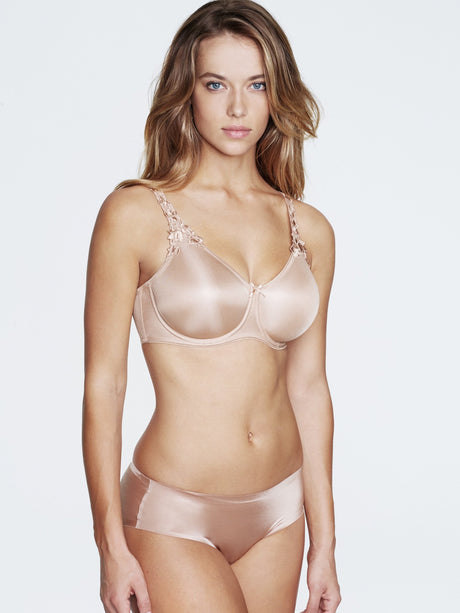
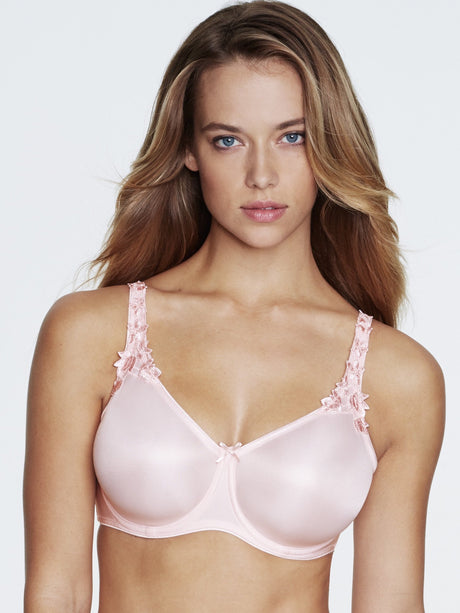
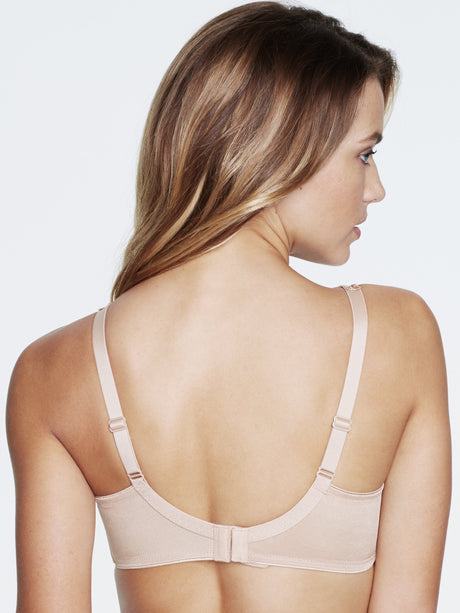
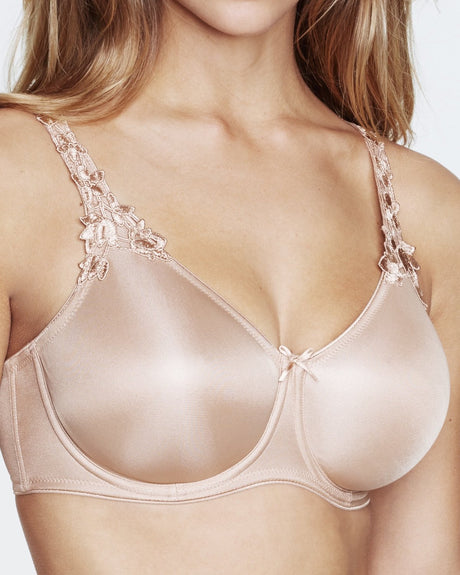
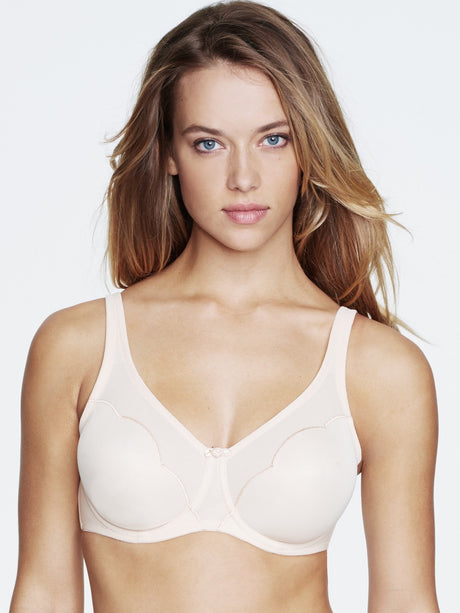
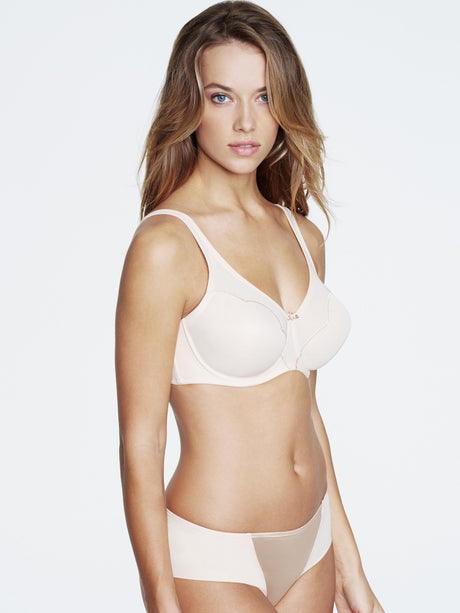
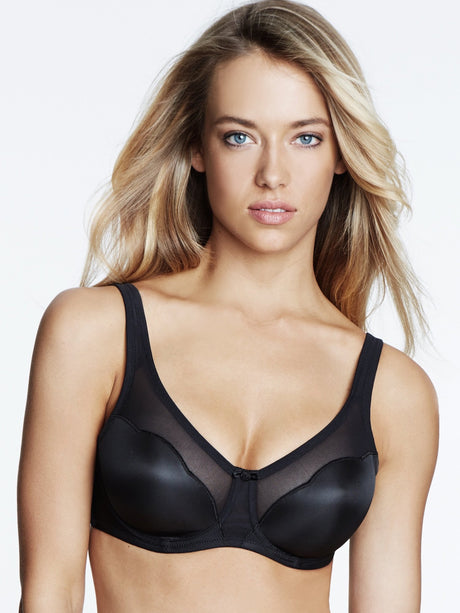
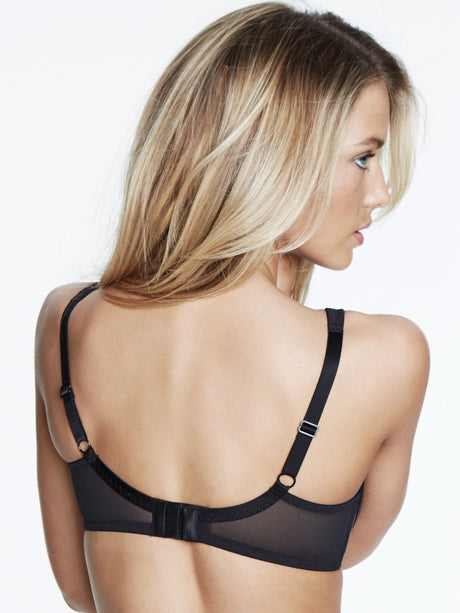
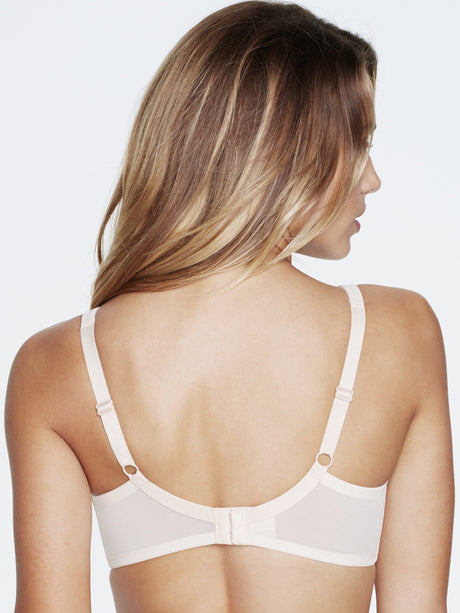
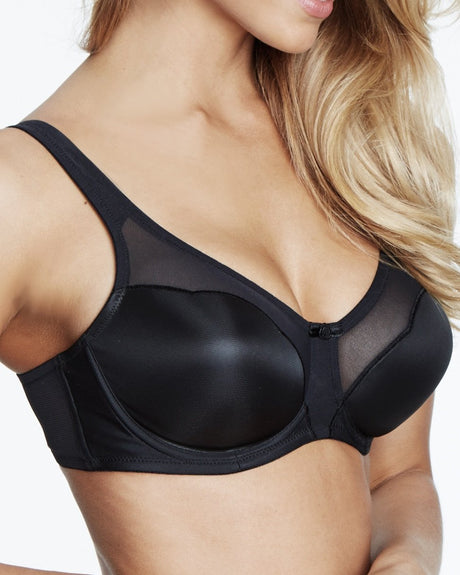
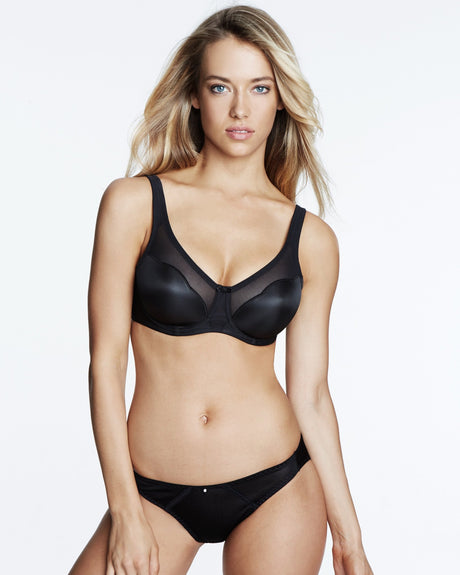
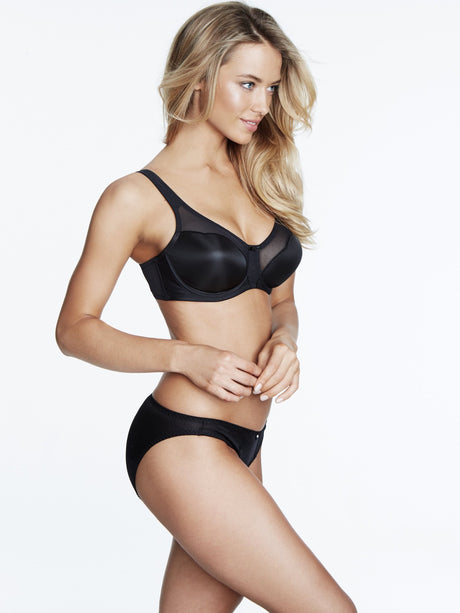
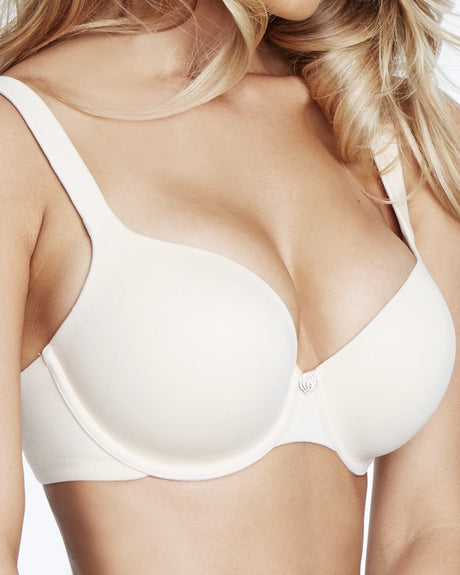
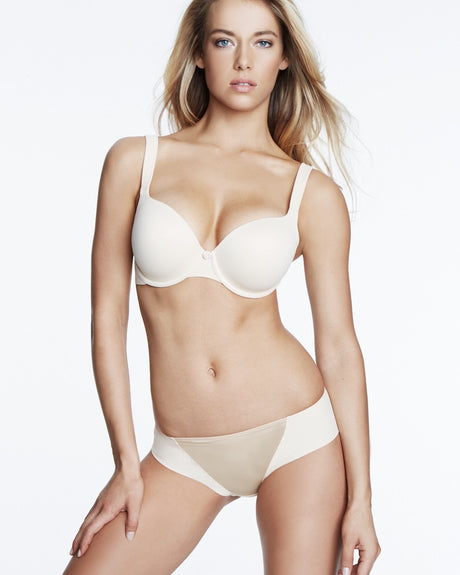
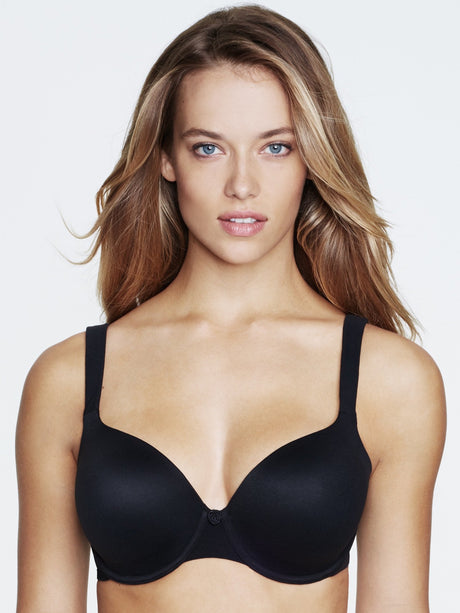
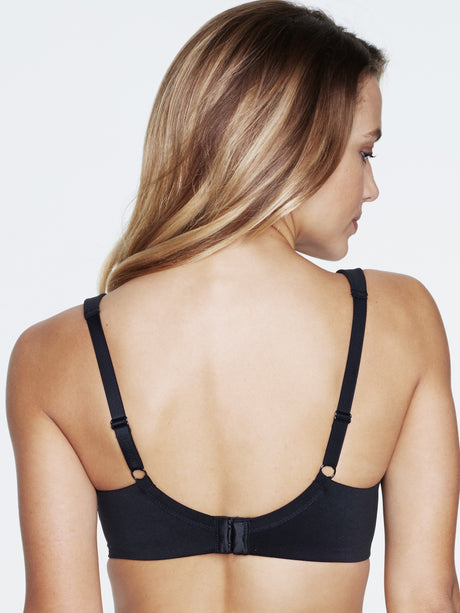
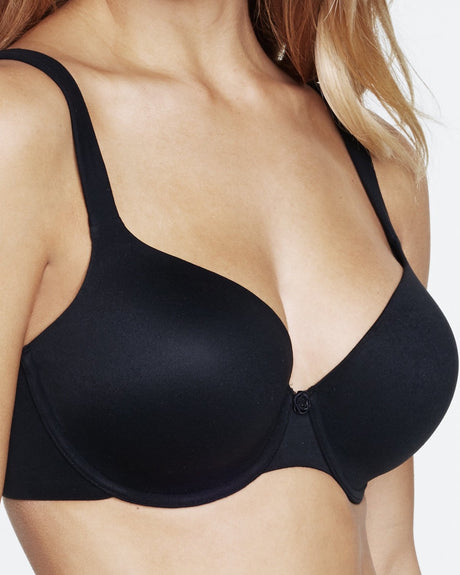
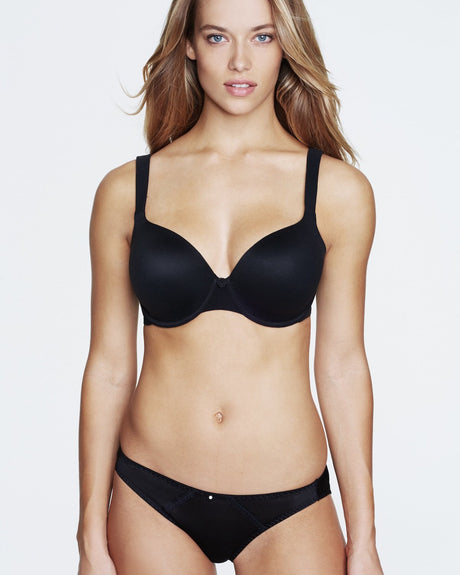
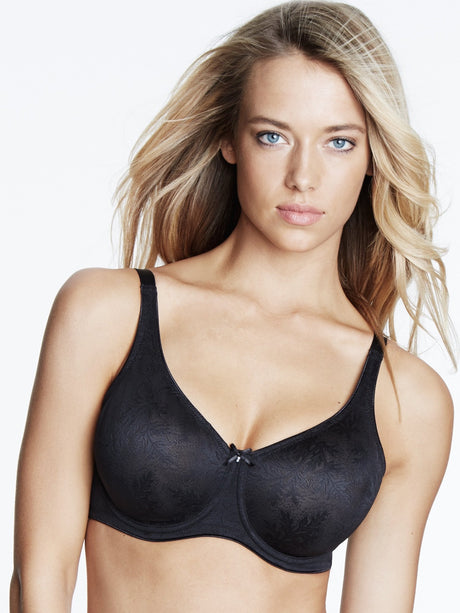
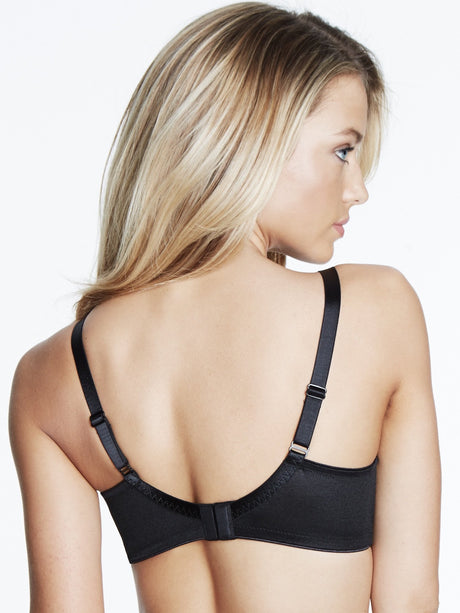
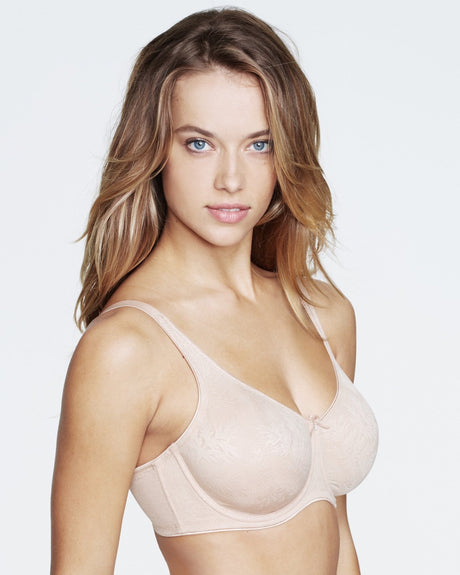
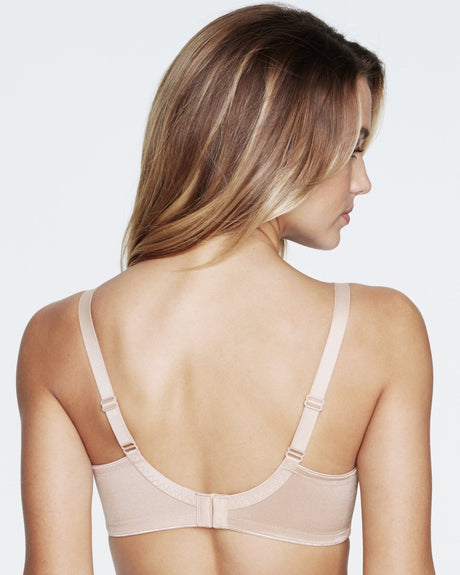
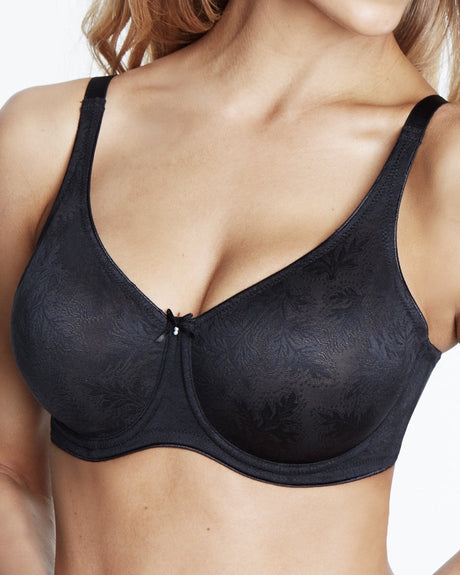
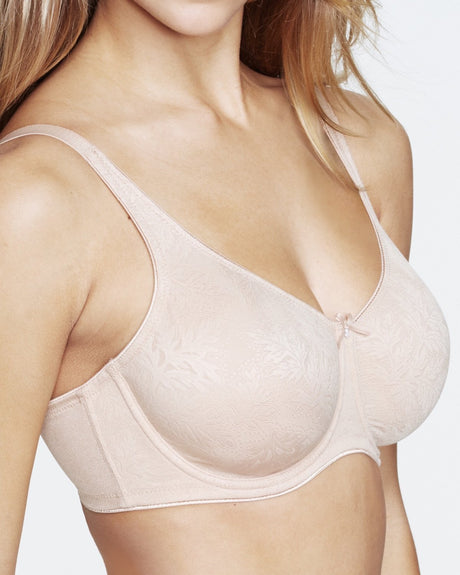
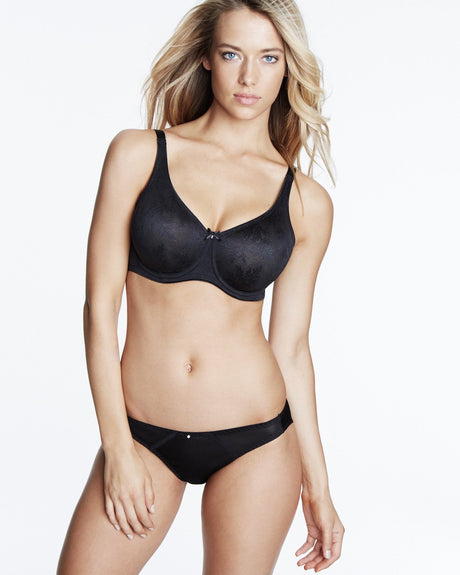
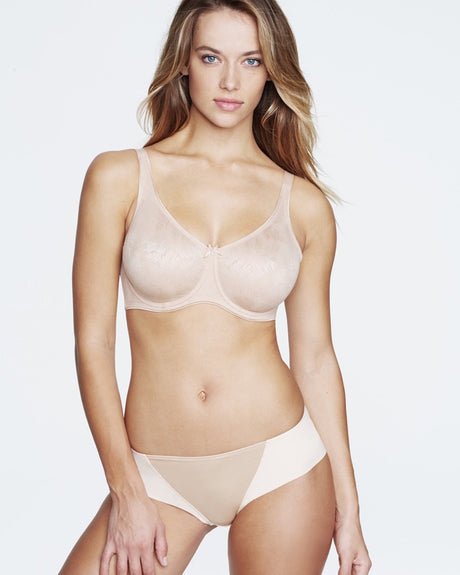
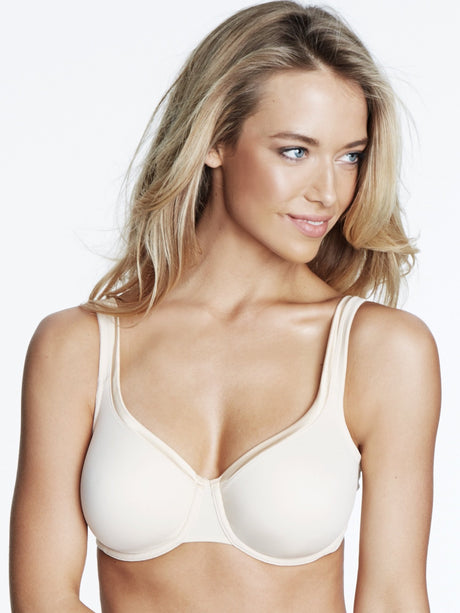
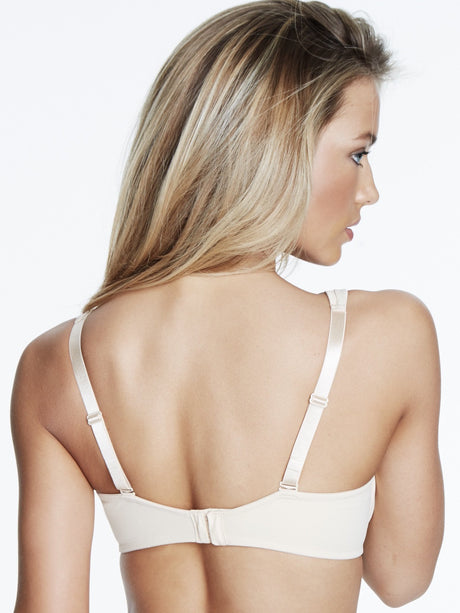
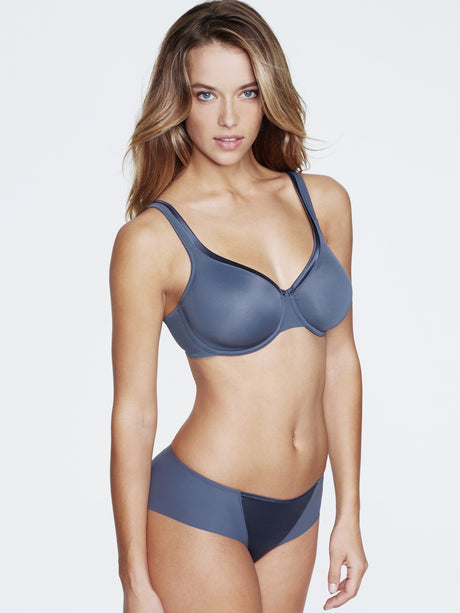
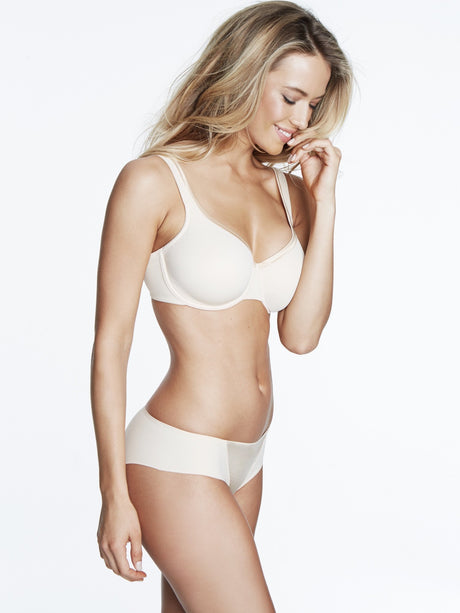
Mystique Plus Size Seamless Underwire Minimizer Bra, Dominique 7000
$52.00Unit price /Unavailable-
Dominique
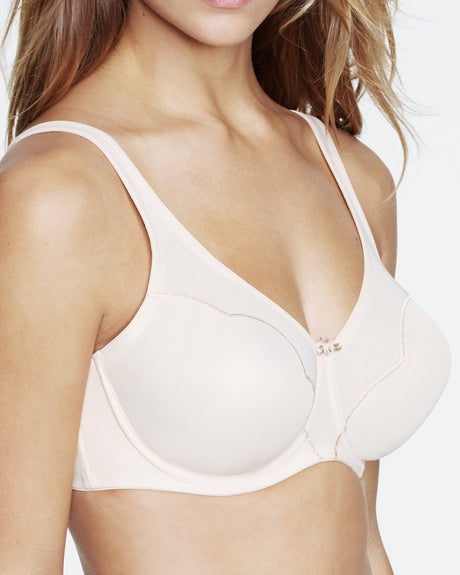
Wave Plus Size Seamless Underwire Minimizer Bra, Dominique 7100
$52.00Unit price /Unavailable-
Dominique
Isabella Plus Size Cotton Lined Wireless T-Shirt Bra, Dominique 5316
$34.00Unit price /Unavailable-
Panache
Panache Cari Moulded Spacer Racerback Underwire T-Shirt Bra 7961
$79.00Unit price /Unavailable-
-
Dominique
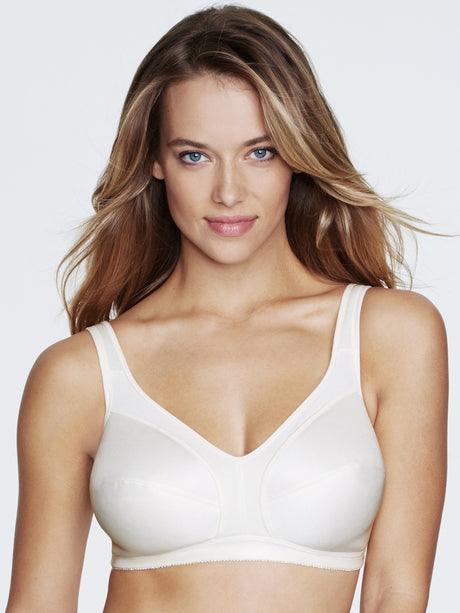
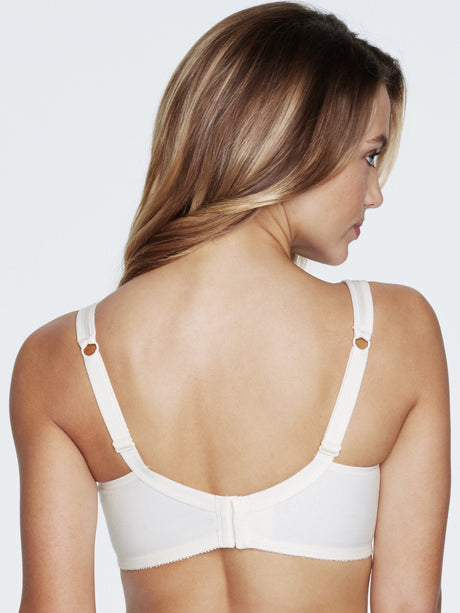
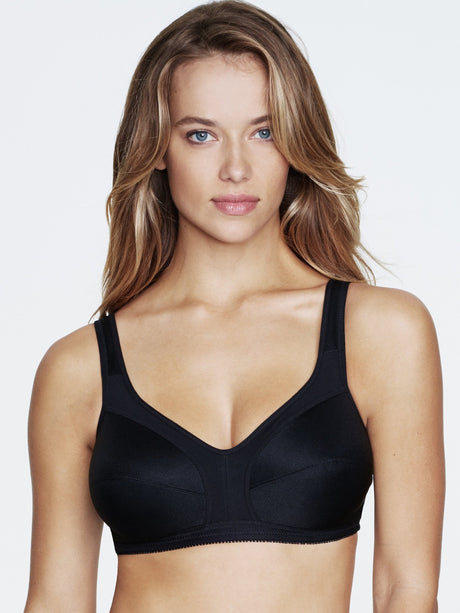
Marcelle Plus Size Wireless Full Coverage T-Shirt Bra, Dominique 5360
$34.00Unit price /Unavailable-
-
Dominique
Maxine Plus Size Seamless Underwire T-Shirt Bra, Dominique 4500
$58.00Unit price /Unavailable-
Dominique
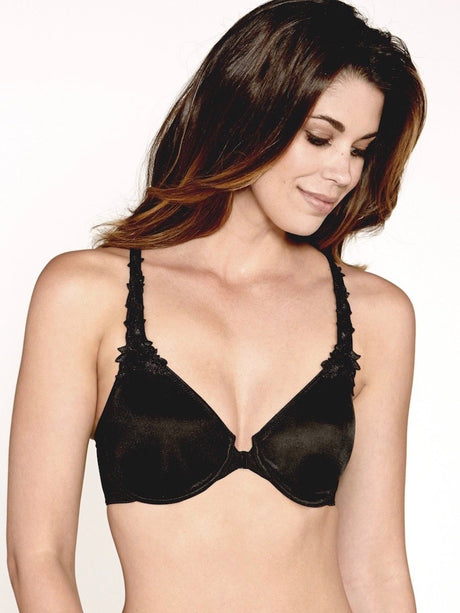
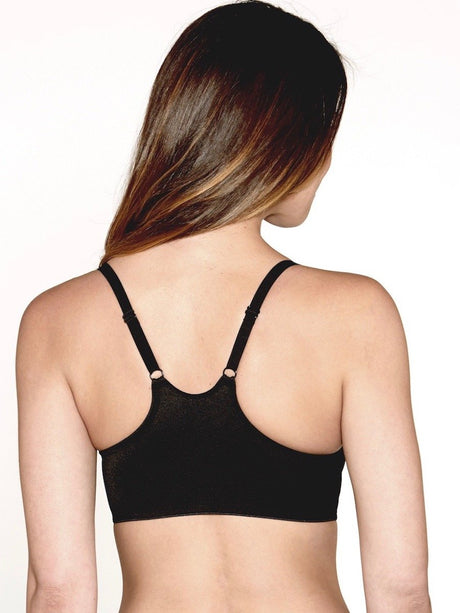
Plus Size Racerback Front Closure Minimizer Bra, Dominique 7050
$52.00Unit price /Unavailable-
-
Dominique
Marcelle Plus Size Wireless Full Coverage T-Shirt Bra, Dominique 5360
$34.00Unit price /Unavailable-
Dominique
Lacee Plus Size Padded Contour Underwire T-Shirt Bra, Dominique 3501
$58.00Unit price /Unavailable-
-
Dominique
Plus Size Seamless Underwire Minimizer Bra, Dominique 7001
$49.00Unit price /Unavailable-
Dominique
Plus Size Seamless Wireless Full Coverage Minimizer Bra, Dominique 6800
$50.00Unit price /Unavailable-
Dominique
Seamless Push-Up Padded Underwire T-Shirt Bra, Dominique 3500
$54.00Unit price /Unavailable-
-
Dominique
Anais Plus Size Seamless Full Coverage T-Shirt Bra, Dominique 7200
$53.00Unit price /Unavailable-
Natori
Natori Plus Size Elusive Full Figure Lace Contour Underwire Bra
$76.00Unit price /Unavailable-
-
-
Natori
Natori Bliss Perfection Wireless Racerback Day Bra
Almost gone (1 unit)$40.00Unit price /Unavailable-
Natori
Natori Plus Size Pretty Smooth Zip Front Pocketed Wireless Bra
$75.00Unit price /Unavailable-
Natori
Natori Plus Size Statement Full Figure Sheer Lace Underwire Bra
$76.00Unit price /Unavailable-
-
-
-
Natori
Natori Smooth Comfort Full Fit Smoothing Front-Close Underwire Bra
$60.00Unit price /Unavailable-
Natori
Natori Pure Luxe Convertible Front-Close Contour Underwire Bra
$70.00Unit price /Unavailable-
Natori
Natori Plus Size Harmony Smooth Back Sheer Lace Underwire Bra
$64.00Unit price /Unavailable-
Natori
Natori Plus Size Chic Comfort Full Figure Contour Underwire T-Shirt Bra
$70.00Unit price /Unavailable-
Natori
Natori Hidden Glamour Full Fit Contour Underwire Bra
Low stock — selling fast (4 units)$70.00Unit price /Unavailable-
-
-
-
Natori
Natori Pure Luxe Custom Coverage Seamless Contour Underwire T-Shirt Bra
+3$76.00Unit price /Unavailable-
-
-
Natori
Natori Plus Size Comfort Evolution Full Fit Memory Foam Convertible Underwire Bra
$76.00Unit price /Unavailable-
-
Natori
Natori Plus Size Pretty Smooth Full Fit Smoothing Contour Underwire Bra
+2$76.00Unit price /Unavailable-
Natori
Natori Plus Size Conform Full Fit Memory Contour Convertible Underwire Bra
$74.00Unit price /Unavailable-
-
-
-
-
-
-
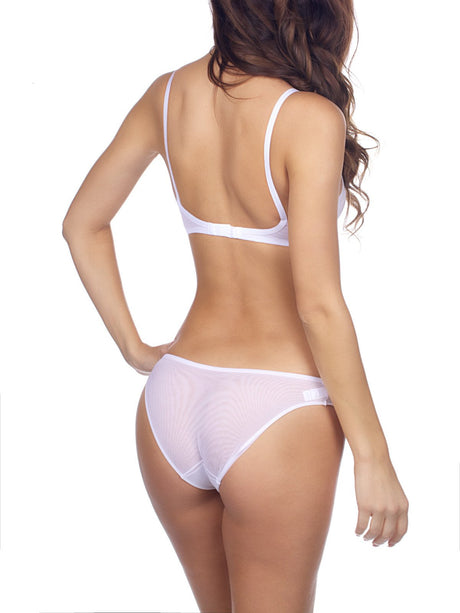
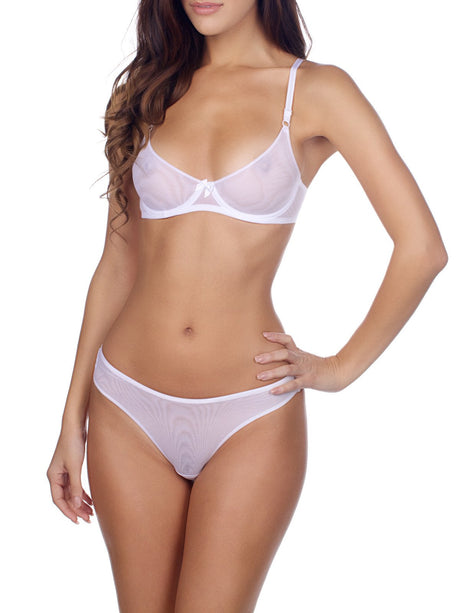
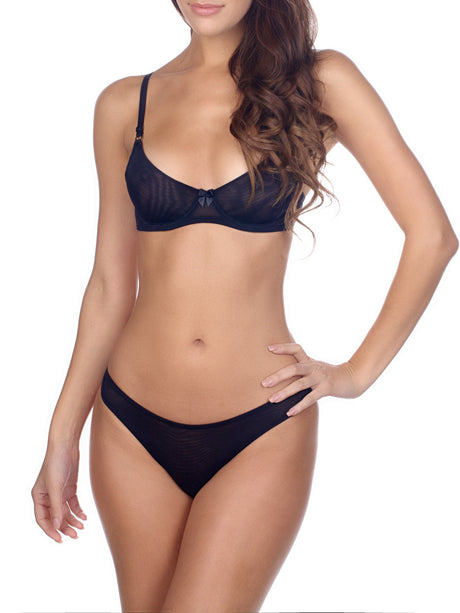


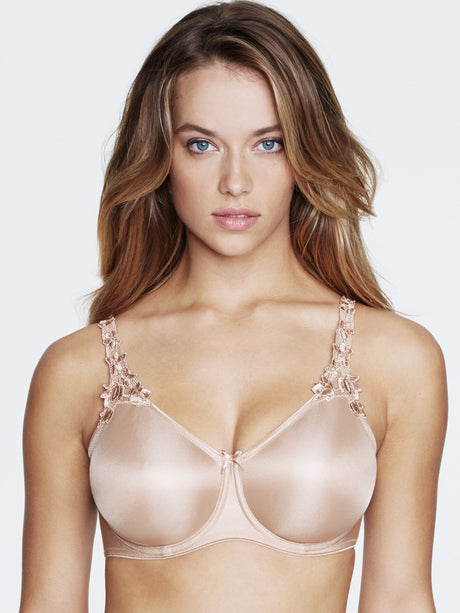
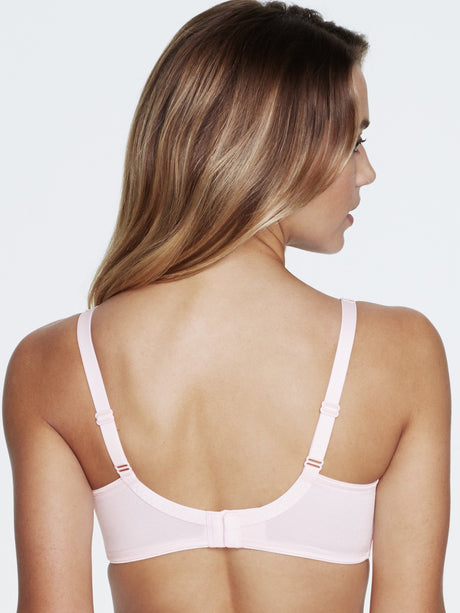
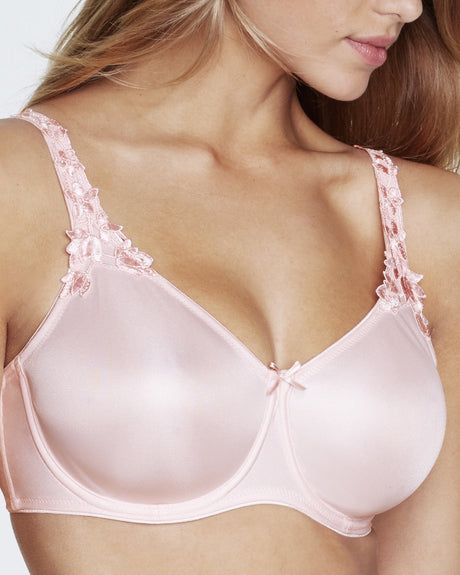
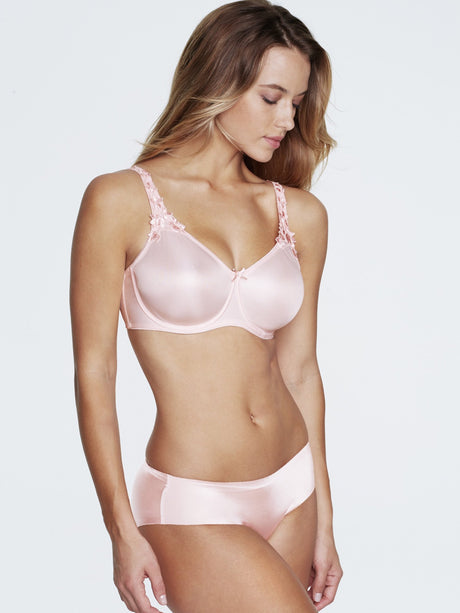
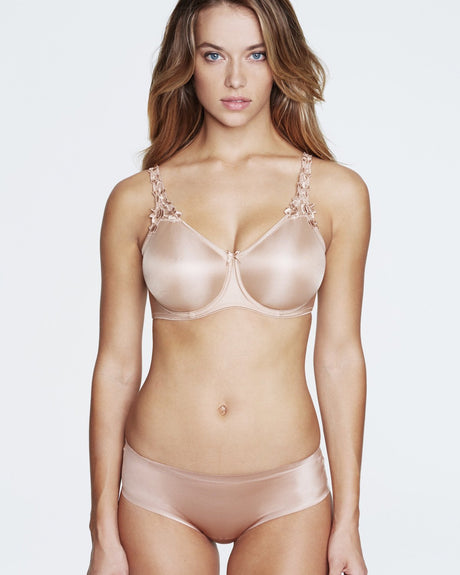
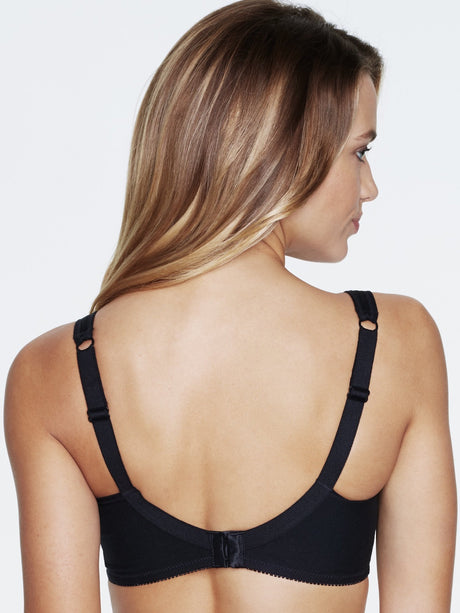
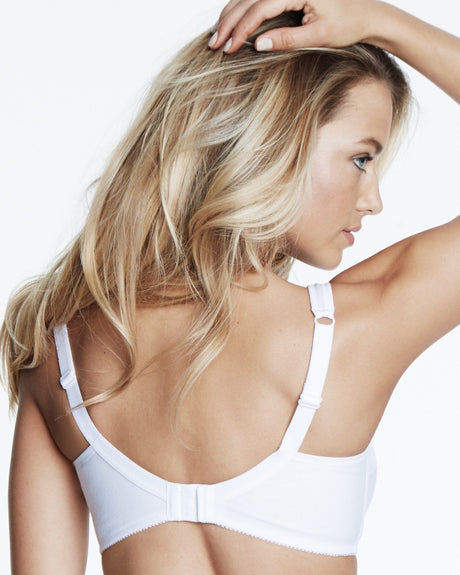
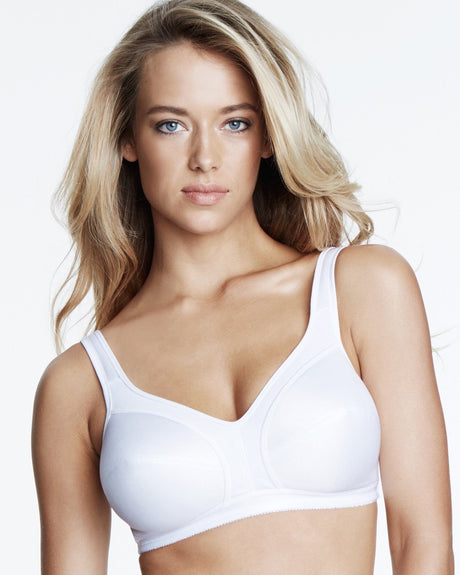
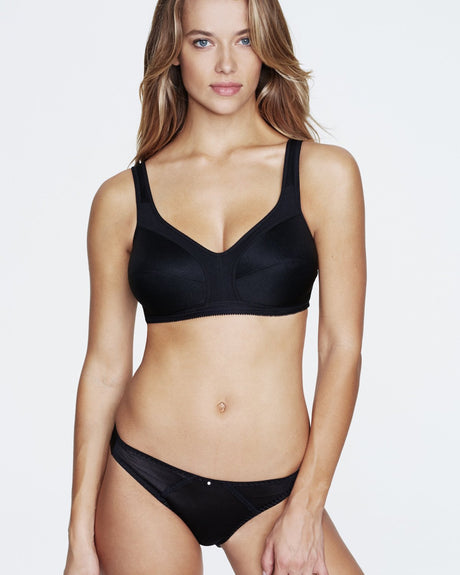
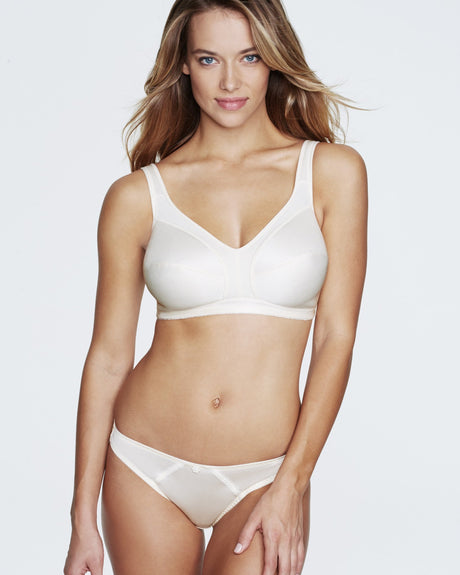
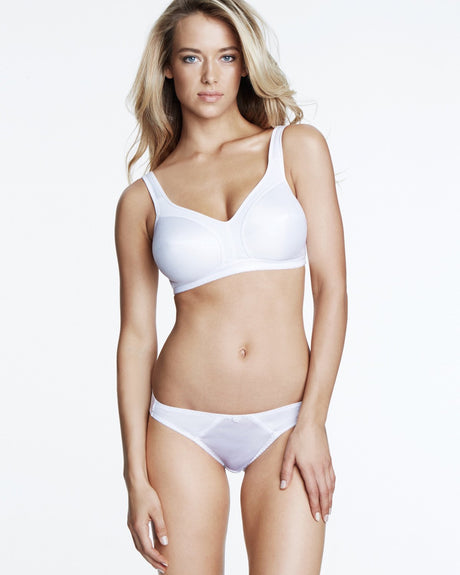


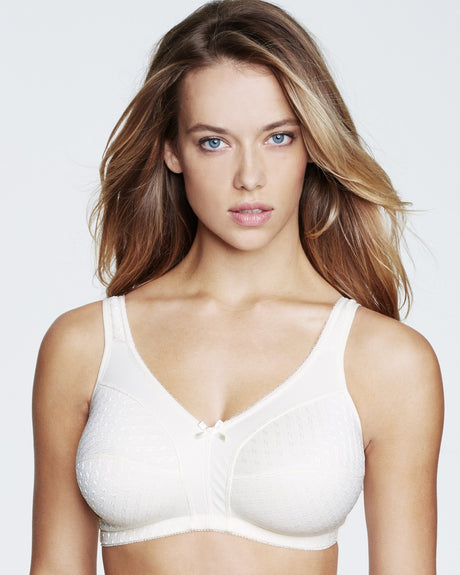
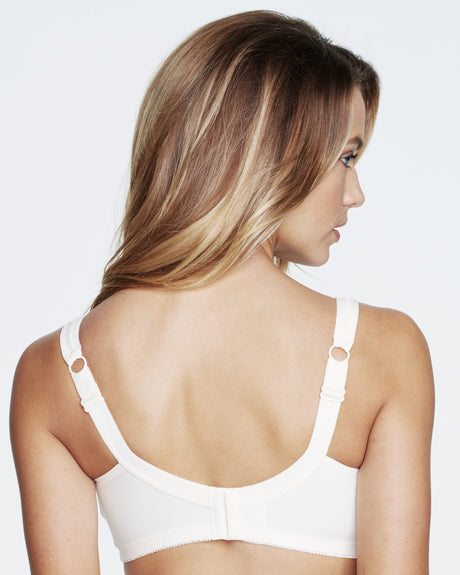
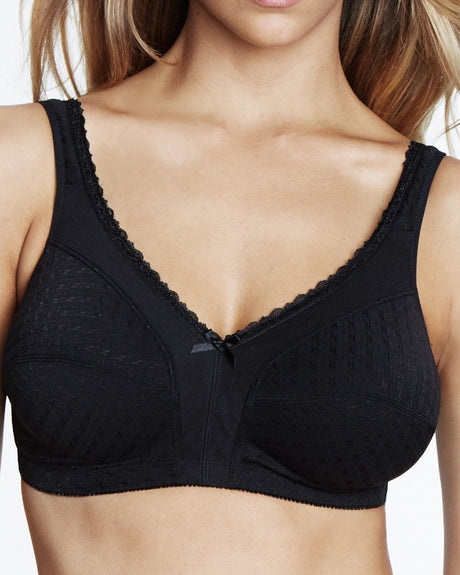
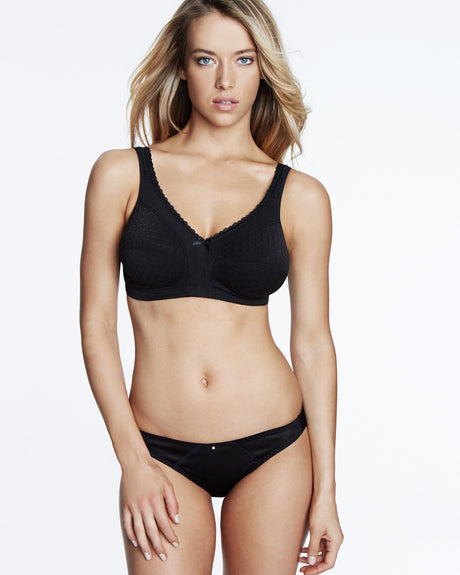
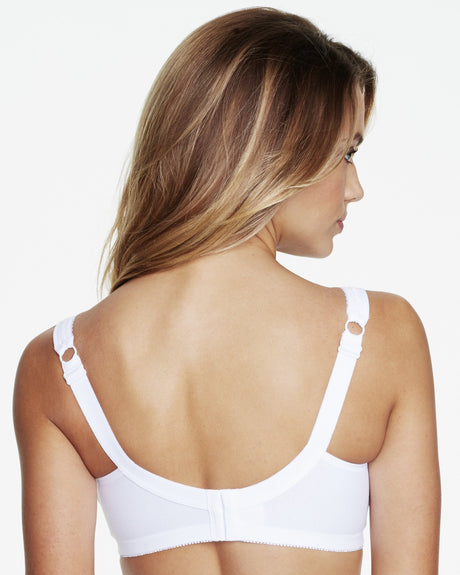
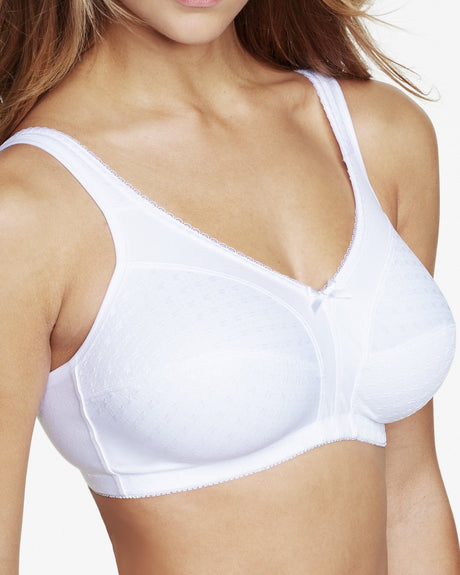




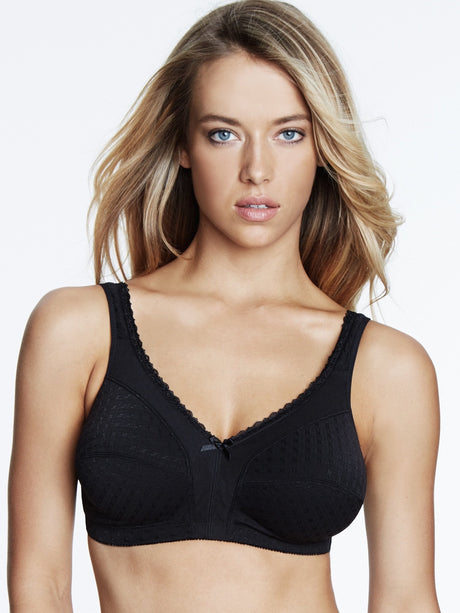
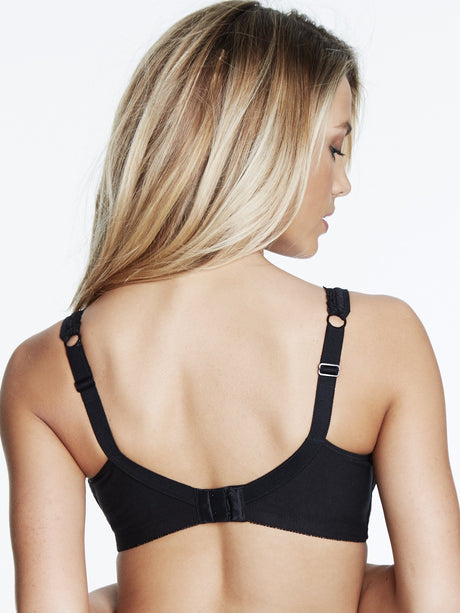
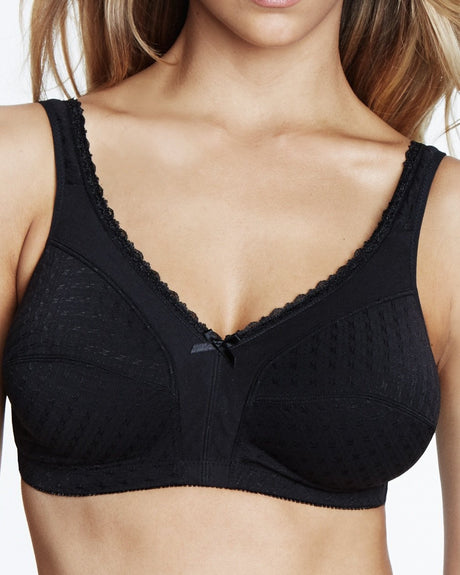
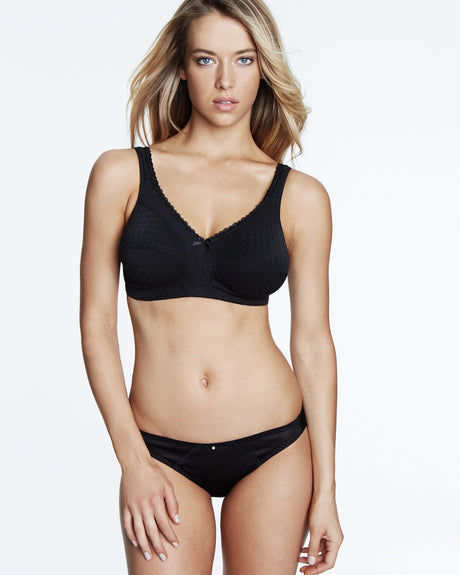
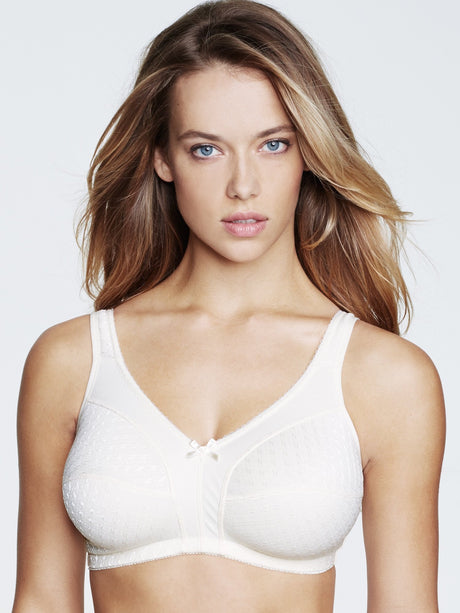
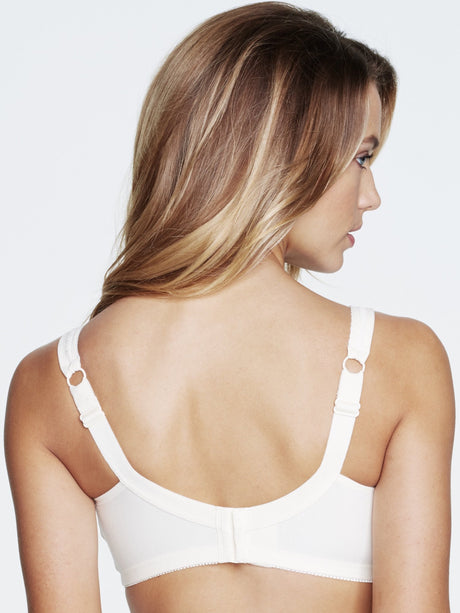
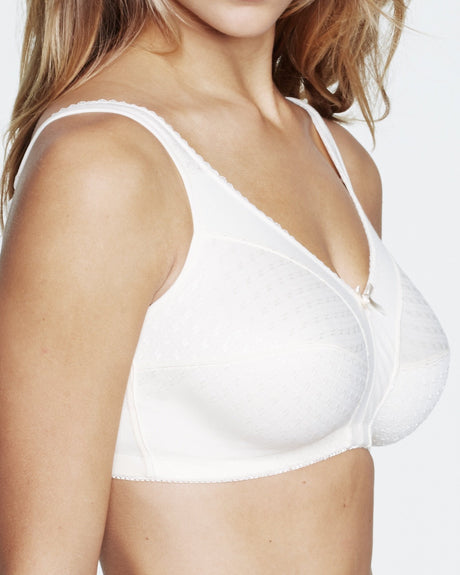
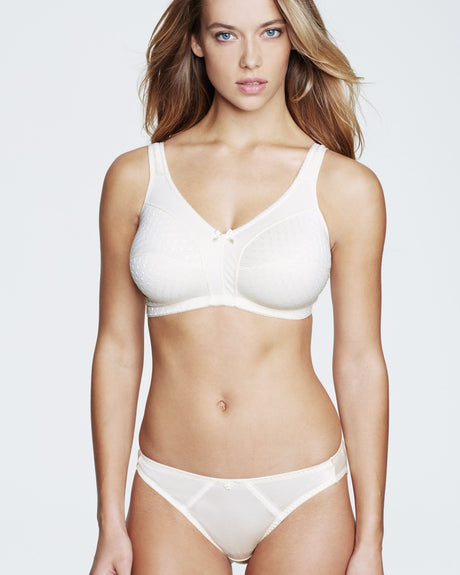

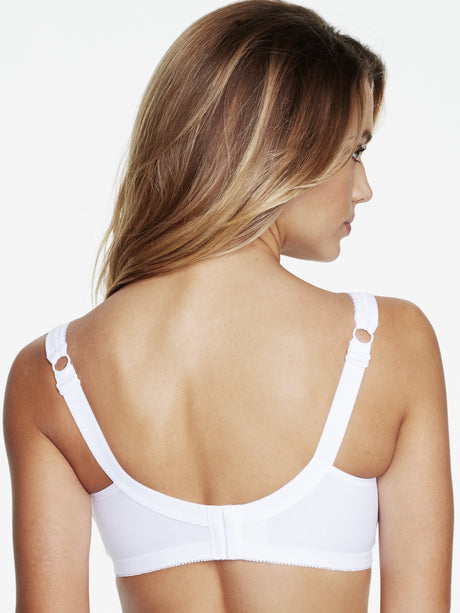
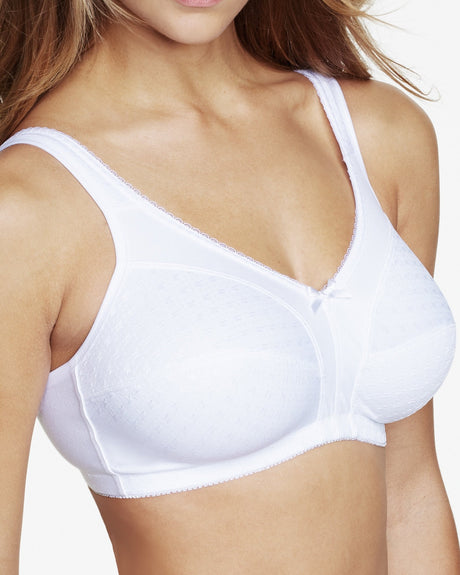
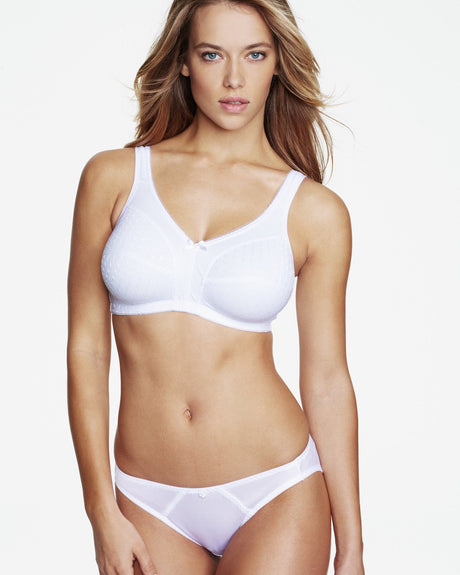
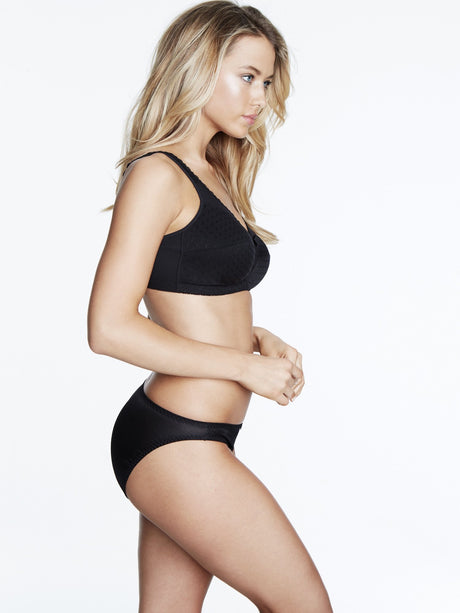
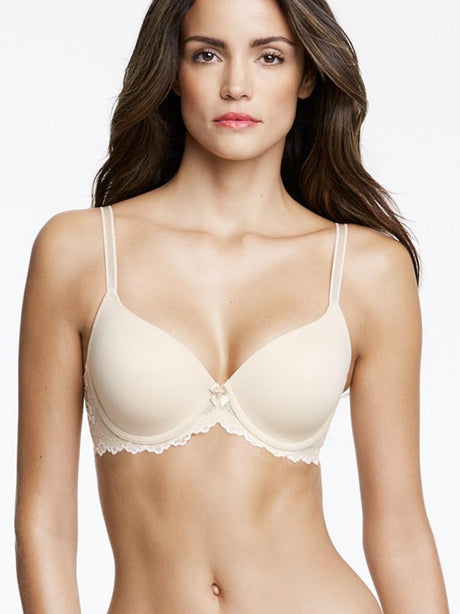
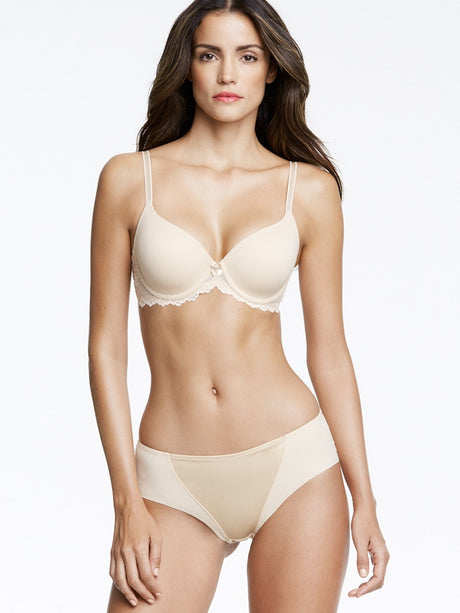
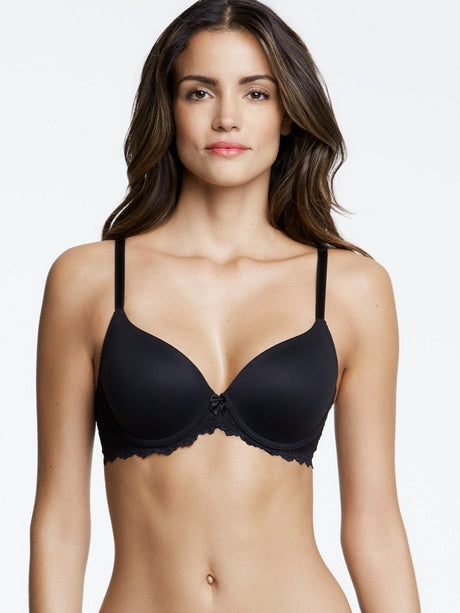
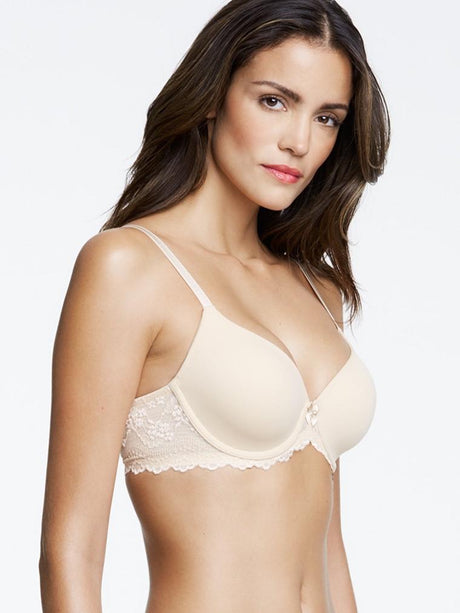
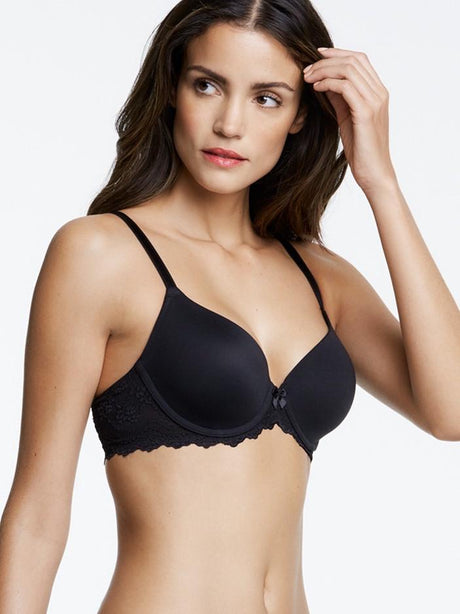
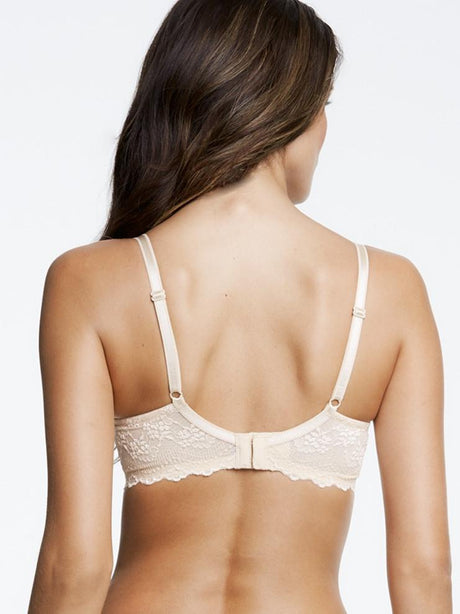
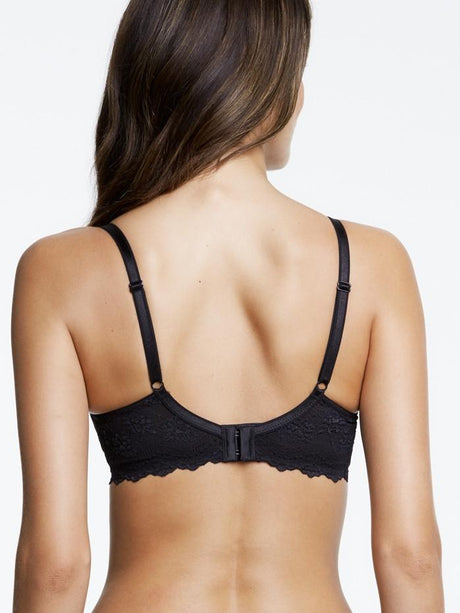
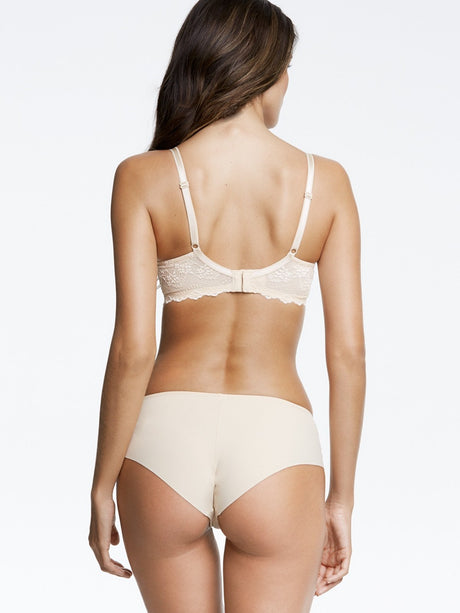


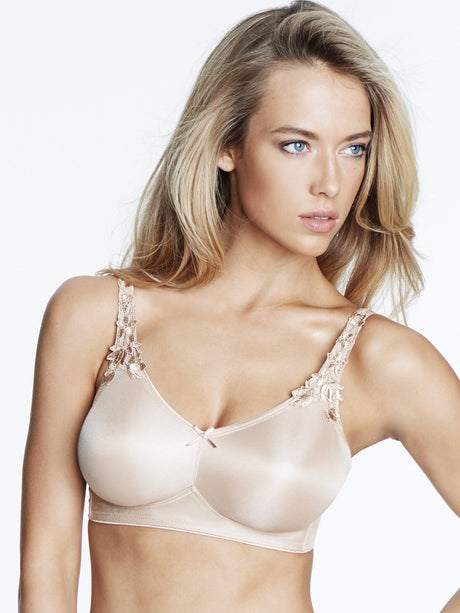
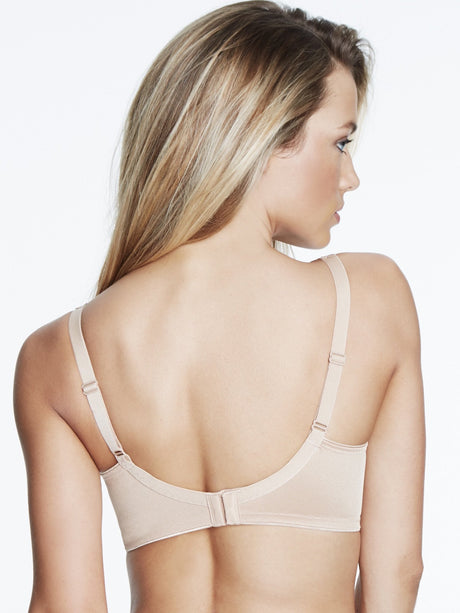
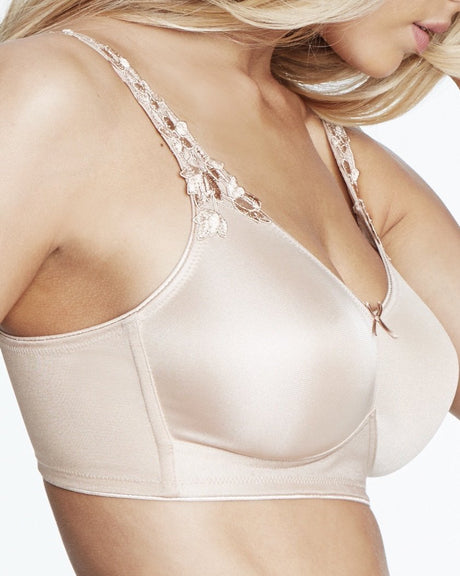
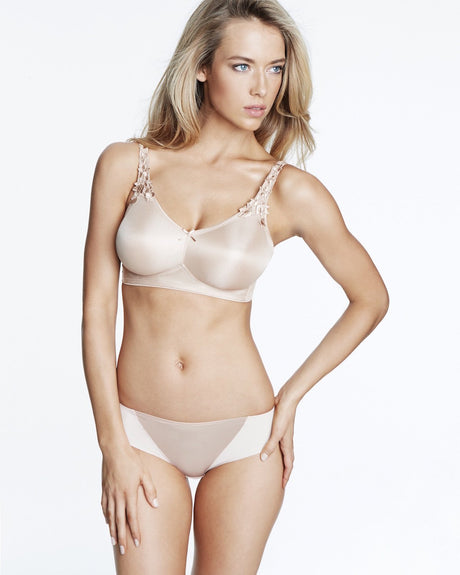
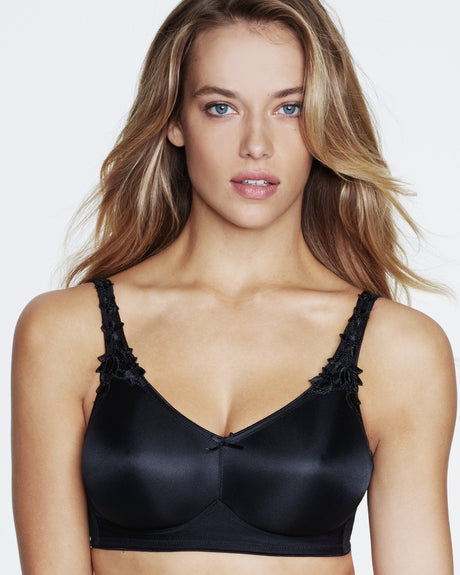
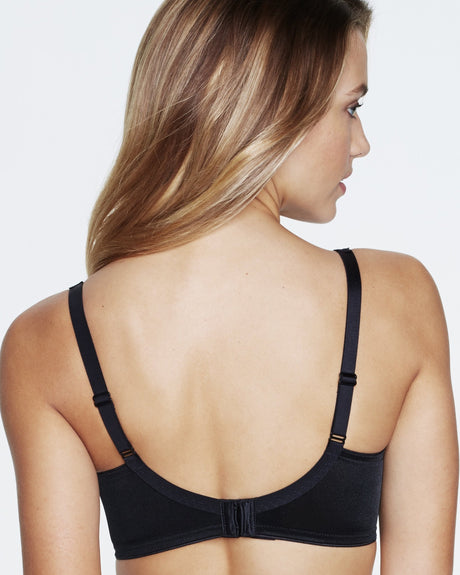
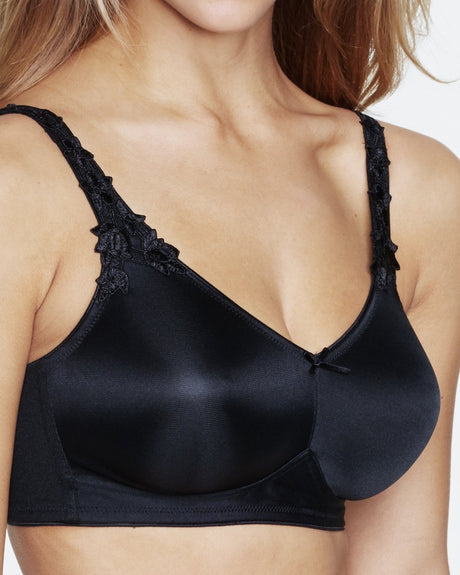
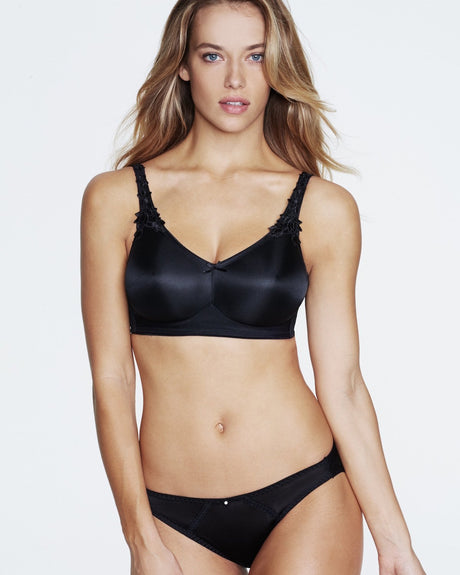







Comfortable Bras: The Ones You Forget You’re Wearing
The most comfortable bra isn’t a style — it’s a correctly fitted one. A firm band that sits level, cups that hold everything without spilling, straps that aren’t carrying the load. Get those three right and almost any bra becomes wearable for twelve hours.
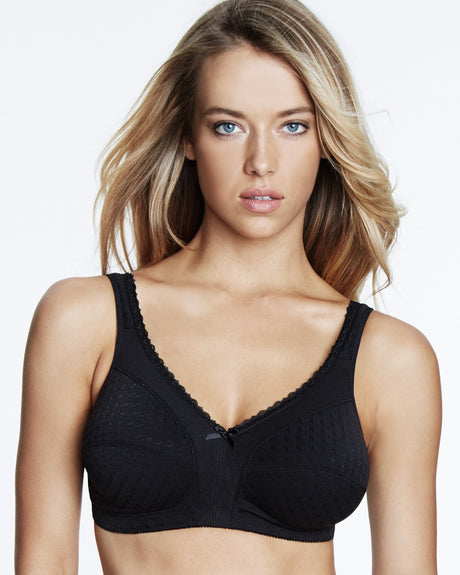
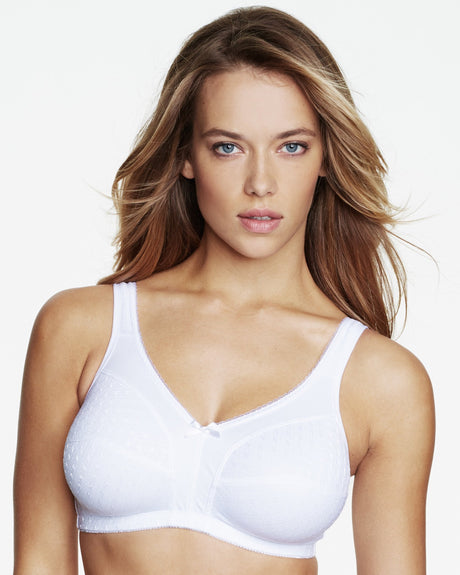
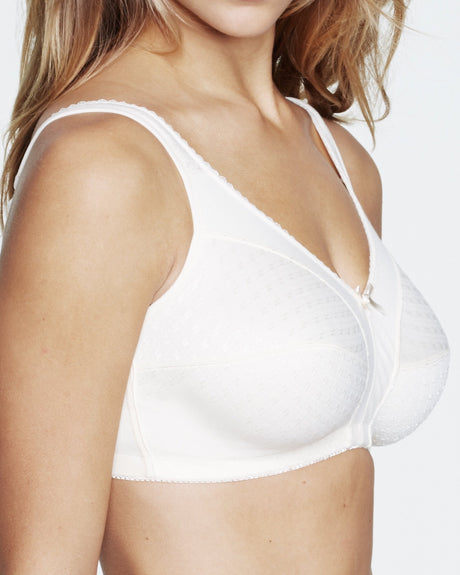
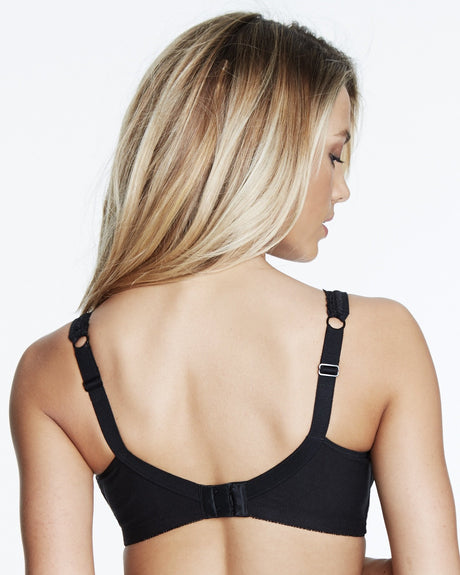
That said, some constructions make comfort easier: wireless and soft-cup, smooth seamless, full coverage, minimizer. This edit gathers them across bands 28–46 and cups A–K — and sorts them by what’s actually bothering you, whether that’s a wire that digs, a band that rides up, or straps that leave grooves.
What makes a bra comfortable?
A comfortable bra is one that fits correctly first and suits your day second. Roughly 80% of the support comes from the band, not the straps — so a comfortable bra has a firm band that sits level all the way around, cups that contain the bust with no spillage or gaping, and straps you can slide two fingers under. Once fit is right, construction does the rest: wireless and soft-cup styles remove wire pressure entirely, seamless molded cups stop lines and rubbing under clothes, full-coverage cups stop the edge-of-cup dig, and wider straps and bands spread weight over more skin. Comfortable does not mean unsupportive — a well-built comfort bra lifts and holds all day. And comfort isn’t a small-bust privilege: full-bust and plus-size wearers get it from firm bands, cushioned wide straps and structured cups. If your bra hurts, the fix is usually the size, not the style. Start with the bra size chart.
Comfortable bra styles
All wearable all day — they just solve different problems.
| Style | What it does | Best for |
|---|---|---|
| Wireless / Wire-Free | Support from the band and cups, no wire | Anyone the wire digs into |
| Soft Cup / Unlined | Unmoulded, breathable, low-pressure cups | Sensitive skin, hot days, lounging |
| Seamless / T-Shirt | Smooth moulded cups, flat edges | No lines, no rubbing under knits |
| Full Coverage | Higher cup, wider wings, no cut-in | Stopping the edge-of-cup dig |
| Minimizer | Redistributes volume, reduces projection | Button gap and shirt strain |
| Back-Smoothing | Wider two-ply wings, no bulge line | Fitted knits and clingy tops |
| Front-Closure | Centre clasp, smooth back | Limited shoulder reach, ease |
What’s actually causing the discomfort
Most bra pain is a fit problem wearing a style problem’s clothes. Find your symptom.
| Symptom | Usual cause | What to look for |
|---|---|---|
| Wire digs into the side or centre | Cup too small, so the wire sits on breast tissue | Size up the cup — or go wireless |
| Band rides up your back | Band too loose — the single most common fit error | Go down a band, up a cup. See the size chart |
| Straps dig grooves into shoulders | Straps carrying weight the band should hold | Firmer band, wider cushioned straps |
| Spillage over the top or sides | Cup volume or coverage too low | Full coverage cups, higher wings |
| Lines and lumps under tops | Seams, lace edges or unmoulded cups | Smooth t-shirt bras with flat edges |
| Red marks after taking it off | Pressure concentrated on too little skin | Wider band and straps, wire-free cups |
Find your comfortable bra
Pick the card that matches what’s bothering you — then tap through to shop.
The wire digs in
Wire-free cups support through a firm band and shaped cups instead — no poking, no red marks.
Shop wireless →It shows under everything
Smooth moulded cups with flat edges disappear under knits, tees and fitted tops.
Shop smooth →The cup cuts in
Higher cups and wider wings hold everything in without a line across the bust.
Shop full coverage →Shirts gape and strain
A minimizer redistributes volume to reduce projection, so buttons sit flat.
Shop minimizer →Reaching behind is hard
A front-closure bra clasps at the centre and leaves a smooth, hook-free back.
Shop front-closure →Comfort at DD+ and plus
Firm wide bands, cushioned straps and structured cups — comfort without losing lift.
Shop plus & full-bust →Nine times out of ten, an uncomfortable bra isn’t the wrong style — it’s the wrong size in the right style. Fix the band, and the rest usually stops hurting.
The HauteFlair StandardThe complete comfortable bra guide
What comfort actually is, the styles that deliver it, comfort at DD+, the fit check, and care.
01What makes a bra comfortable (it’s mostly fit)+
Comfort is a fit outcome before it’s a design feature. The band does roughly 80% of the work, so it needs to be firm and level all the way around — not riding up at the back, not loose enough to pull far from your body. The cups need to contain the bust completely, with no spillage at the top or sides and no gaping at the edge. The straps should be adjusted so you can slide two fingers underneath; if they’re carrying the weight, they’ll dig.
Only once that’s right does construction matter. Wire-free and soft cups remove pressure points. Wider bands and straps spread the same load over more skin. Moulded, seamless cups stop the rubbing and lines that make a bra irritating by hour six. A bra that fits and is built for wear is one you stop noticing.
02The comfort styles+
- Wireless & wire-free — support from a firm band and shaped cups, no wire to dig. See wireless bras.
- Soft cup & unlined — unmoulded, breathable and low-pressure; the easiest wear on a hot day.
- Seamless / t-shirt — smooth moulded cups with flat edges that vanish under clothes. See t-shirt bras.
- Full coverage — higher cups and wider wings stop cut-in and spillage. See full coverage bras.
- Minimizer — redistributes rather than compresses, easing shirt strain. See minimizer bras.
- Back-smoothing — two-ply wings and power mesh stop the bulge line under fitted knits.
- Front-closure — a centre clasp and smooth back for easy on and off. See front-closure bras.
- Bralettes & sleep bras — the softest end of the range, for lounging and bed. See bralettes and sleep bras.
03Comfort at DD+, full bust and plus size+
Comfort is not something you give up above a D cup. It’s built differently: a firmer, wider band to anchor the weight, cushioned wider straps so nothing carves into the shoulder, and structured or encapsulating cups that hold each breast rather than compressing both. Side support panels and a higher centre gore keep everything in place through a full day of movement.
Full-bust wearers often find that going down a band size and up a cup size is the single change that fixes everything — a looser band pushes work onto the straps, which is where most of the pain comes from. Both wired and wire-free options work at DD+; some very full busts wanting maximum lift still prefer underwire, and that’s a preference, not a rule. Browse plus size bras and the plus-size edit.
04The two-minute fit check+
- Band — fasten on the loosest hook. It should sit level and firm, with room for two fingers and no ride-up when you raise your arms.
- Cups — no spillage over the top or at the underarm, no wrinkling or gaping at the edge. Scoop everything forward into the cup before judging.
- Wire or cup edge — should sit flat against the ribcage, behind the breast tissue, not on it.
- Straps — two fingers of slack. If loosening them makes the bra fall down, the band is too loose.
- Gore — on a wired bra the centre should touch the sternum. On a wire-free bra it can float slightly.
- Re-check yearly — size shifts with weight, hormones, pregnancy and time. Use the bra size chart.
05Care, rotation and when to replace+
Comfort degrades as elastic does. Rotate between at least three bras rather than wearing the same one daily — elastic needs a day to recover, and a rested band holds its shape far longer. Hand-wash or use a lingerie bag on a delicate cycle, fasten the hooks first so they don’t snag, reshape moulded cups by hand, and lay flat to dry. Never put a bra in the dryer; heat is what kills the elastane.
Replace a bra when you’re wearing it on the tightest hook and the band still rides up, when the cups have lost their shape, or when a previously comfortable bra has started leaving marks. For most people in regular rotation that’s somewhere between six months and a year.
Comfortable bra FAQ
The questions shoppers ask most, answered straight.
What makes a bra comfortable?
Fit first: a firm band that sits level, cups that contain the bust without spilling or gaping, and straps you can slide two fingers under. After that, construction — wire-free or soft cups, smooth moulded shapes, wider bands and straps, and breathable fabric all reduce pressure and rubbing. A comfortable bra is one you stop noticing by mid-morning.
What is the most comfortable type of bra?
For most people it’s a well-fitted wireless or soft-cup bra with a wide band and smooth moulded cups — no wire pressure, no seams, no cut-in. But the most comfortable type is genuinely the one that fits you: a correctly sized underwire bra is far more comfortable than a wireless bra in the wrong band. Start with fit, then pick the construction that suits your day.
Are wireless bras more comfortable than underwire?
Usually, yes — there’s no wire to dig, poke or leave marks, and the pressure is spread across the band and cups instead. But an underwire bra that fits properly shouldn’t hurt either; wire pain is nearly always a sign the cup is too small, so the wire is sitting on breast tissue rather than behind it. If you want to skip the question entirely, browse wireless bras.
Why does my bra dig in and leave red marks?
Red marks mean pressure is concentrated on too little skin. The usual causes are a band that’s too tight for its size (or too loose, forcing the straps to compensate), a cup that’s too small so the wire or cup edge sits on breast tissue, or narrow straps carrying weight they shouldn’t. Look for a wider band, wider cushioned straps, and a cup size up. A faint temporary line is normal; deep grooves or soreness are not.
Why does my bra band ride up my back?
The band is too loose — this is the most common bra fit error there is. The band should sit level and horizontal all the way around. Try going down one band size and up one cup size (a 36C becomes a 34D — same cup volume, firmer band). A band that stays put also stops the straps from digging, because the band takes back the weight.
Why do my bra straps dig into my shoulders?
Because they’re doing the band’s job. Straps should carry a small share of the weight, not most of it. Tighten the band (or go down a band size), then loosen the straps until you can slide two fingers under them. If you have a fuller bust, look for wider, cushioned or padded straps and a leotard or racerback back, which spread the load across more of the shoulder.
How can I make my bra more comfortable?
Start by re-checking the size — most discomfort is a fit issue. Then: fasten on the loosest hook so you have room to tighten as the elastic ages, scoop all the tissue forward into the cups when you put it on, loosen the straps so the band does the work, and rotate between several bras so the elastic recovers. If a specific spot hurts, a bra extender, strap cushions or a wider-strap style will help. If it still hurts, the bra is the wrong size.
How do I keep my bra from showing through my shirt?
Choose a smooth moulded cup with flat, laser-cut or bonded edges — no lace trim, no visible seams across the cup. Under white or pale tops, a shade close to your skin tone disappears far better than white does. Thinner knits show more, so a slightly padded moulded cup helps, and a back-smoothing style with two-ply wings stops the bulge line. See t-shirt bras for styles built for exactly this.
What bra should I wear every day?
For most wardrobes, a smooth full-coverage or t-shirt bra in a neutral close to your skin tone is the workhorse — it goes under almost anything and stays invisible. Add a wireless or soft-cup style for low-key days and travel, and a black one for darker clothes. Three well-fitting bras in rotation will out-perform ten that nearly fit.
Can a comfortable bra still be supportive?
Yes — comfort and support come from the same place. A firm, well-fitted band is what lifts you, and it’s also what stops straps digging and cups cutting in. Wire-free and soft-cup bras with structured cups and wide bands can carry a full bust through a full day. Comfort only becomes a trade-off when you buy a band that’s too loose to support anything.
Are there comfortable bras for DD+ and plus sizes?
Yes, and they’re built specifically for it: firmer wide bands, cushioned wider straps, side support panels and structured cups that encapsulate rather than compress. HauteFlair carries bands 28–46 and cups A–K, so the size exists rather than stopping at DD. Browse plus size bras, or start with the bra size chart if you haven’t been measured recently.
Is it bad to wear a bra all day, or to sleep in one?
Neither is harmful. Wearing a well-fitted bra all day is fine — if yours becomes painful by evening, that’s a fit signal, not a health one. Sleeping in a bra is a personal preference; some people find a soft, wire-free style more comfortable overnight, particularly with a fuller bust. There’s also no good evidence that wearing or not wearing a bra causes sagging; breast shape over time is down to genetics, age and hormones. See sleep bras for the softest options.
How often should I replace my bras?
Replace when you’re on the tightest hook and the band still rides up, when the cups have lost their shape, or when a bra that used to be comfortable starts leaving marks. In regular rotation that’s typically six months to a year. Rotating three or more bras, hand-washing or using a lingerie bag, and always air-drying will meaningfully extend that.
Shop comfortable bras
Wireless, soft-cup, seamless, full-coverage and minimizer styles — bands 28–46, cups A–K, across 51 brands. Start with your size, then pick the style that solves whatever’s been bothering you.
Fit and comfort guidance here is general; band, cup and strap fit vary by brand, style and body, so treat sizes as a starting point rather than a rule. Nothing here is medical advice — if you have persistent pain, skin irritation or breast changes, speak to a healthcare professional. Size and style availability reflects current stock. Last reviewed August 2026.