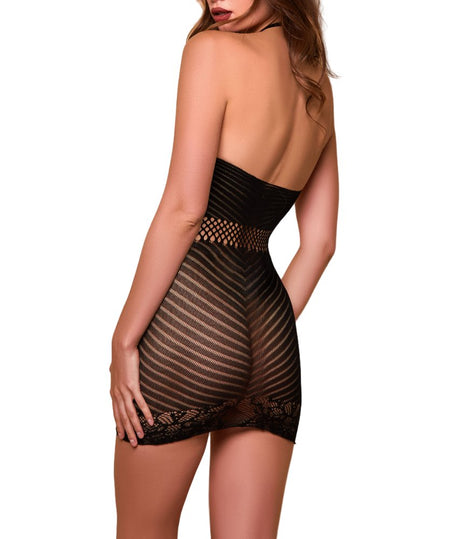
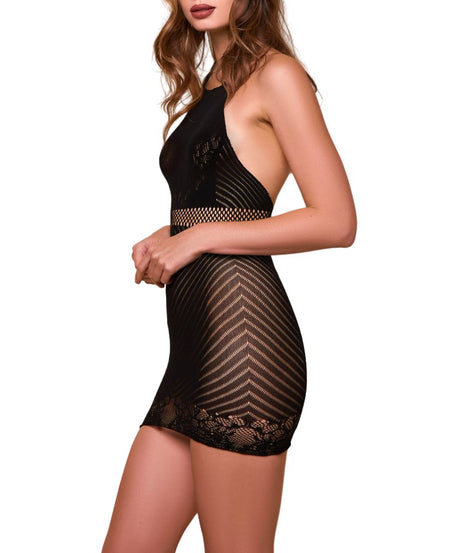
What is a sweater dress?
A sweater dress is a dress made from knitted fabric, in the way a sweater is, and cut long enough to wear as a dress.
The knit is the whole story. Knitted fabric is built from interlocking loops rather than woven threads, so it stretches, holds warmth and moves with you. The same structure is why a sweater dress clings, shows what is underneath, can grow longer under its own weight and pills where it rubs.
Four details separate a sweater dress that lasts from one that sags by February: the fiber, the gauge, the stitch and how well the knit recovers after it is stretched. Get those right and the styling is the easy part.
The sweater dress is the easiest dress to put on and one of the easiest to buy badly.
What makes it comfortable is the same thing that makes it cling, stretch and pill, and all of it is written on the label and visible in the knit before you ever wear it.
- A sweater dress is knitted, not woven. That explains the warmth, the stretch and the cling.
- Fiber decides warmth and wear: wool and merino recover well, cotton breathes, acrylic pills.
- Gauge decides formality: fine knits for work and evening, chunky knits for weekends.
- Rib knits cling, so smooth, bonded-edge layers matter most under them.
- Heavy and long knits grow. Test the recovery and store the dress folded.
- A slip solves three problems: static, itch and a hem that rides up over tights.
How a Sweater Dress Is Made
Two construction methods produce very different dresses at very different prices.
Fully fashioned sweater dresses are knitted to shape. Each panel is knitted to the size and outline it needs, and the pieces are joined by linking the loops together. The edges do not need to be cut, seams are flat, and the knit follows the body with less bulk. Look for small marks along the armhole and neckline where stitches were increased or decreased, which show that a piece was shaped on the machine.
Cut-and-sew sweater dresses are cut from a length of knitted fabric and sewn like any other garment. The method is faster and cheaper, and it allows shapes that knitting to shape cannot easily achieve. The trade is bulkier seams and cut edges that must be finished well to avoid curling or running.
The difference between knit and woven is not just technical. A woven dress is shaped by seams and darts; a knit dress is shaped largely by the stretch of the fabric itself. That is why a sweater dress can fit closely without a zip, why it moves with you, and why it can also cling to every curve and every line underneath. It also explains why knits are often designed with negative ease, meaning the finished garment measures smaller than the body and stretches to fit.
Neither method is automatically better, but they signal different things. A fully fashioned dress in a good fiber tends to hold its shape and last. A cut-and-sew dress should be judged by its seams: flat, even and stable is a good sign; puckered or wavy is not.
A Short History of the Sweater Dress
Knitted dresses went from practical to fashionable when designers began treating knit as a fabric in its own right.
For most of history, knitting was for stockings, underwear and practical outer layers. That changed in the early twentieth century. Gabrielle Chanel's use of jersey in the 1910s, a knit fabric until then associated with men's underwear, helped establish knit as a material for relaxed, modern womenswear, and simple knitted day dresses followed.
The knitted dress became a design statement in the 1960s and 1970s. Sonia Rykiel, often called the queen of knits, built a label around close-fitting sweaters and knit dresses, while Missoni's colorful zigzag knits turned the knit dress into something worn for evening as well as day. Knitwear stopped being a cold-weather compromise and became a look people chose.
The 1980s brought oversized sweater dresses worn with leggings and boots, and the 1990s swung the other way toward minimal, close-fitting rib knits. Today every version exists at once: the fine-gauge office dress, the chunky weekend knit, the rib bodycon for evening and the oversized tunic for travel. Which one a dress resembles tells you most of what you need to know about how to wear it.
Sweater Dress, Knit Dress or Jumper Dress?
The names overlap, and knowing which is which makes shopping easier.
Sweater dress is the usual American term for a dress that looks and feels like a long sweater: a visible knit, often with ribbed cuffs, a sweater-style neckline and some weight to the fabric. Knit dress is broader. It covers any dress made from knitted fabric, including smooth jersey dresses that look nothing like a sweater, such as a T-shirt dress or a wrap dress in fine jersey. Jumper dress is the usual British term for a sweater dress, which can cause confusion, because in American English a jumper is a sleeveless pinafore worn over a shirt.
In practice, if a product page says sweater dress, expect a visible knit with sweater details. If it says knit dress, check the photographs and fiber content, because it could be anything from a fine jersey to a chunky cable.
Fibers and What They Do
The fiber content on the label predicts warmth, itch, pilling and whether the dress will keep its shape.
| Fiber | Warmth | Feel | Keeps its shape | Watch for |
|---|---|---|---|---|
| Wool | High | Can feel scratchy against skin | Good natural recovery | Itch; needs gentle washing |
| Merino wool | High for its weight | Fine and soft | Good recovery | Price; moths in storage |
| Cashmere | Very high for its weight | Very soft | Moderate | Pilling at friction points |
| Cotton | Moderate | Smooth, breathable | Can stretch and bag | Seat and elbows growing |
| Viscose or rayon blends | Low to moderate | Soft with good drape | Can lengthen under weight | Hem growing over time |
| Acrylic | Moderate | Soft at first | Variable | Pilling, static, less breathable |
| Blends with nylon or elastane | Depends on base fiber | Adds smoothness | Improves recovery | Check the main fiber first |
If wool itches but you want the warmth, merino or a wool and cashmere blend is usually the answer, or a thin layer between the knit and your skin.
Gauge and Stitch
Gauge is how fine the knit is. Stitch is the pattern of the loops. Together they decide how the dress looks and behaves.

Judging Quality in the Shop
Most of what separates a sweater dress that lasts from one that does not can be seen and felt in under a minute.
Where to Spend and Where to Save
Not every sweater dress needs to be an investment. It depends on how often you will wear it and how close to the skin it sits.
Spend more on the dress you will wear most, usually a fine-gauge merino or wool blend in a neutral color for work and everyday wear. A better fiber in this dress pays back in comfort, warmth and a shape that lasts through many washes.
Spend more on anything that sits against the skin for long hours, where a scratchy fiber becomes a daily irritation. Merino and cashmere blends earn their price here.
Save on trend pieces and occasional wear, such as a novelty color, a metallic knit for one holiday season or an oversized chunky style you will reach for only on weekends. A blend with some synthetic fiber is reasonable in these, as long as the knit is dense and the seams are sound.
Whatever you spend, the quality checks above apply. A dense, well-finished knit at a modest price will usually outlast a loosely knitted expensive one.
Why Some Wool Itches, and What to Do About It
Itch is usually about fiber thickness, not an allergy, which is why some wools feel fine and others do not.
The prickle many people feel from wool comes mostly from the ends of thicker fibers pressing against the skin. Fiber thickness is measured in microns, and finer fibers bend instead of prickling. That is why merino and cashmere, which are made of much finer fibers than standard wool, feel soft against the skin while a coarse wool sweater can feel scratchy within minutes.
If you love the warmth of wool but find it uncomfortable, there are three practical options. Choose merino, cashmere or a blend where those make up most of the fiber content. Look for a knit that is lined or has a smooth inner face. Or wear a thin layer between the dress and your skin: a slip, a fine long-sleeve base layer or a camisole. A true wool allergy is rare, but if a reaction goes beyond mild prickle, such as a rash that persists, stop wearing the fabric and ask a doctor.
Fit by Proportion
Rather than dressing for a body-shape label, it helps to think about where you want the eye to go and where the knit adds or removes volume.
Knitwear Terms Worth Knowing
Product descriptions use these terms constantly. Knowing them makes it easier to predict how a dress will behave.
| Term | What it means | Why it matters |
|---|---|---|
| Gauge | How many stitches fit in a set width | Higher gauge means a finer, smoother knit |
| Ply | How many strands are twisted into the yarn | More ply usually means a denser, more durable yarn |
| 1x1 and 2x2 rib | Alternating columns of knit and purl stitches | Wider ribs stretch more and look bolder |
| Fully fashioned | Pieces knitted to shape and linked together | Flatter seams and better shape retention |
| Intarsia and jacquard | Ways of knitting patterns and color into the fabric | Jacquard often has floats on the back that can snag |
| Recovery | How well the knit returns after stretching | Poor recovery causes bagging |
| Negative ease | A garment measuring smaller than the body | Common in fitted knits; it stretches to fit |
| Pilling | Small balls of fiber that form with friction | Shorter fibers and loose knits pill faster |
| Felting | Wool fibers matting together with heat and agitation | The cause of shrunken wool knits |
| Blocking | Reshaping a damp knit and letting it dry flat | Restores size and shape after washing |
Sweater Dress Silhouettes
The same knit behaves very differently depending on how the dress is cut.
| Silhouette | What it is | Best for | Consider |
|---|---|---|---|
| Bodycon rib | A close, stretchy rib knit that follows the body | Evening, date night | Shows every line; needs smooth layers |
| Straight or shift | Falls straight from the shoulders | Work, everyday | Add a belt to define the waist |
| Fit and flare | Fitted bodice with a flared or pleated skirt | Office, occasions | Needs a stable knit to hold the flare |
| Oversized or tunic | Loose and short, often worn over leggings | Weekends, travel | Balance volume with slim legs |
| Turtleneck | High folded neck | Cold weather, office | Warm; minimal jewelry at the neck |
| Wrap | Crosses and ties at the waist | Work, defining the waist | Check that the wrap stays closed when you sit |
| Polo or collared | A knitted collar and short placket | Smart casual, office | Reads polished in a fine gauge |
| Off the shoulder | A wide neckline worn below the shoulders | Evening, weekends | Changes what bra will stay hidden |
Length works the same way it does for any dress; our guide to mini, midi and maxi lengths covers where each one sits and why a hem at the widest point of the calf is the hardest to wear. Our midi dress guide covers the fix.
Each Silhouette in Detail
The table above sorts the main cuts. Here is how each wears and what to check.

Bodycon rib
A rib knit that follows the body from shoulder to hem. It is the most evening-ready sweater dress and the most revealing in terms of fit, because rib shows every line beneath it. Choose a dense rib with good recovery so it does not bag at the seat, and plan smooth layers underneath.
Straight or shift
Falls straight from the shoulders without shaping at the waist. It is easy to wear and suits the office, especially in a fine gauge. On its own it can look shapeless, so a belt at the natural waist or a longer coat that creates a vertical line helps.
Fit and flare
A fitted bodice with a flared or pleated skirt, often with a waist seam. It is the most polished sweater dress for work and occasions and flatters most figures by defining the waist. The skirt needs a stable knit to hold its shape; a very soft knit will hang limp.
Oversized or tunic
Loose, relaxed and usually short, designed to be worn over leggings or opaque tights. It is the most comfortable and the most casual. Keep the legs slim to balance the volume on top, and choose a length that covers the hips.
Turtleneck
A high folded neck that adds warmth and a clean, vertical line. Turtleneck sweater dresses suit cold weather and the office. Because the neck is covered, jewelry moves to the ears and wrists.
Wrap
Crosses over the body and ties at the waist, defining it without a belt. The risk is that the wrap opens when you sit or move, particularly in a soft knit. Faux-wrap versions sewn closed avoid this.
Polo or collared
A knitted collar and short buttoned placket give a smart casual look that works for offices with relaxed dress codes. In a fine gauge it reads polished; in a chunky knit, sporty.
Off the shoulder
A wide neckline that sits below the shoulders. It works for evening and weekends and changes what bra will stay hidden: a strapless or convertible bra is usually needed.
Color and pattern
Color changes how a knit reads more than people expect. Neutrals such as oatmeal, camel, gray and black make a sweater dress easy to style and suit the office. Rich colors such as burgundy, forest green and navy suit holidays and evenings. Texture works like pattern: a cable or chunky knit adds visual volume, so a smooth fine knit is more slimming in the same color. Stripes, Fair Isle and color blocking are casual and draw attention to where they sit, so place them where you want the eye to go.
Getting the Fit Right
A knit changes after you buy it. Check how it will behave, not only how it looks in the fitting room.
Sizing a Sweater Dress and Buying Online
Knits stretch, so the label size matters less than the measurements, the fiber and the intended fit.
Petite, tall and plus sizes
For petite frames, a midi sweater dress can land at mid-calf or lower, the hardest point for a hem. Knee-length styles or petite ranges usually work better. For tall frames, check the length and sleeve measurements, since standard knits often fall short at the wrist. For plus sizes, look for knits with some elastane for recovery, a structured fit-and-flare or straight cut, and dense rather than loose stitches, which hold shape better at larger sizes. Our guide to plus size sizing explains why scaled-up patterns often fit poorly.
Alterations: What Can Be Changed
Knits are harder to alter than woven dresses because cut edges can run. A few changes are still practical.
| Problem | Usually fixable? | How |
|---|---|---|
| Too long | Yes, with care | A tailor experienced with knits can shorten and secure the hem |
| Too wide at the sides | Often | Take in the side seams with a stretch stitch |
| Sleeves too long | Often | Shorten at the cuff, or push up and let the cuff hold |
| Neckline stretched | Sometimes | Re-finish or add a stay tape inside |
| Seat bagged out | Rarely | Washing and drying flat may help wool; cotton rarely recovers |
How to Style a Sweater Dress
The knit sets the tone. Match the gauge and fit to the setting, then build the rest around it.
| Setting | The dress | Pair with |
|---|---|---|
| Office | Fine-gauge midi, straight or fit and flare | Opaque tights, loafers or knee boots, a belt, a tailored coat |
| Weekend | Chunky or cable knit, knee length or tunic | Ankle boots or sneakers, a denim or shearling jacket |
| Evening | Fine rib bodycon or an off-the-shoulder knit | Heeled boots, sheer or opaque tights, minimal jewelry |
| Travel | Merino shift or wrap | Leggings or tights, flat boots, a long scarf |
| Holiday gatherings | Fine knit in a rich color, or a fit and flare | Tights, heeled boots or loafers, statement earrings |
Sweater dresses and dress codes
| Dress code | Sweater dress that fits | Finish with |
|---|---|---|
| Casual | Chunky, cable or oversized knit | Sneakers, ankle boots, denim jacket |
| Smart casual | Fine-gauge straight or polo knit | Loafers, a belt, a tailored coat |
| Business casual | Fine-gauge midi, fit and flare or turtleneck | Opaque tights, knee boots or pumps, a blazer |
| Cocktail | Fine rib or off-the-shoulder knit in a rich color | Heeled boots or pumps, statement earrings |
| Holiday party | Metallic or velvet-trimmed knit, or a rich color | Sheer tights, heeled boots |
A fine-gauge knit midi in a rich color also works for relaxed daytime and rustic weddings in fall and winter; our wedding guest dress guide covers every dress code. For office parties and festive dinners, our holiday party dress guide covers when a knit is enough and when to dress up.

Layering
Sweater dresses layer well because they are soft. A collared shirt under a crew-neck or V-neck knit adds structure and suits the office. A fine turtleneck under a sleeveless knit or pinafore adds warmth. Over the top, a tailored blazer works with fine gauges, and a longer coat or a cropped jacket works with everything. Avoid heavy layers over chunky knits, which add bulk quickly.
Accessories by neckline
| Neckline | Works well | Skip |
|---|---|---|
| Turtleneck | Statement earrings, a long pendant over the knit | Short necklaces |
| Crew neck | A collar necklace or a layered chain | Chunky scarves with chunky knits |
| V-neck | A pendant inside the V, a silk scarf | Anything that fills the V completely |
| Off the shoulder | Drop earrings, a fine chain | Heavy scarves |
Styling through the seasons
Early fall: a fine-gauge or cotton knit with bare legs or sheer tights and ankle boots, and a light jacket.
Late fall: a merino or wool midi with opaque tights, knee boots and a tailored coat. This is the sweater dress at its most useful.
Winter: chunky and turtleneck knits with thermal or fleece-lined layers underneath and a long coat. Rich colors and metallic knits for holiday events. For something dressier than a knit, our velvet dress guide covers the other winter staple.
Spring: cotton and fine knits in lighter colors with sneakers or loafers, often worn without tights once the weather warms.
Packing for travel
A fine merino sweater dress is one of the most useful travel pieces. Merino resists odor, so it can be worn more than once between washes, and it can be rolled rather than folded to reduce creasing. It works for a flight with leggings, a day of walking with sneakers and dinner with boots. Chunky knits take up too much space for most trips.
What to Wear Under a Sweater Dress
Knits cling and move, so the job underneath is smoothness, warmth and a surface for the knit to slide over.
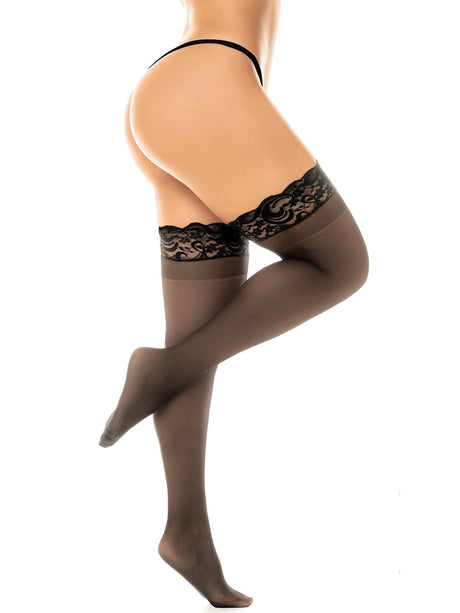
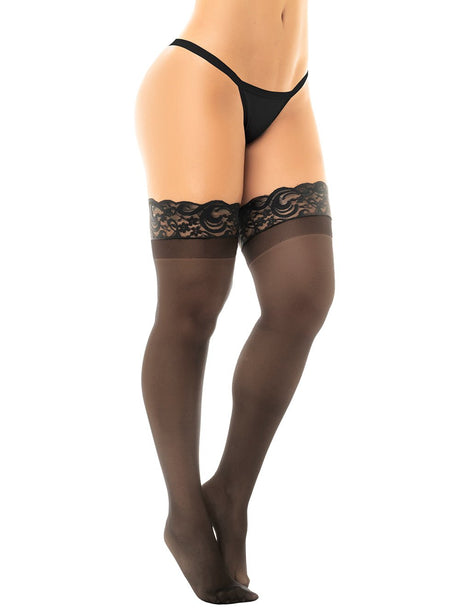
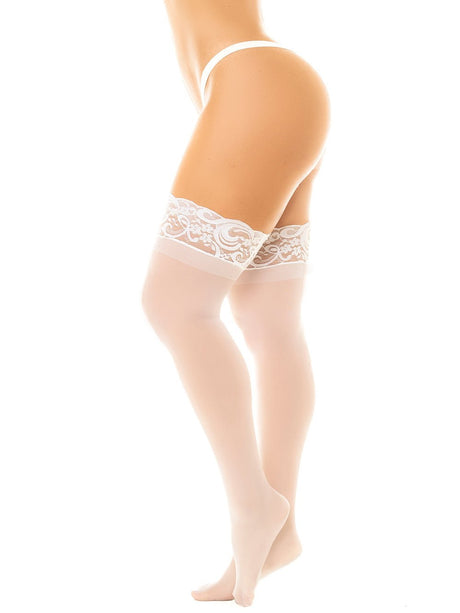
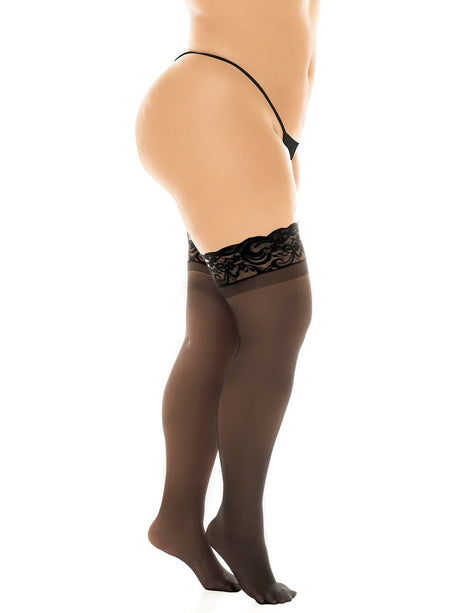
Static builds up when two synthetic surfaces rub together in dry winter air, which is why an acrylic knit over nylon tights clings so badly. Three things help: a slip between the layers, a fiber change and a little moisture. A slip gives the knit a smooth surface to move over. Natural fibers such as wool and cotton build up less static than acrylic and polyester. And a light mist of water or a small amount of unscented lotion on the legs before putting on tights reduces the charge. Anti-static sprays sold for clothing work too; test them on an inside seam first.
Smooth Bras, Seamless and Tights
The layers that stop a sweater dress clinging, showing lines and riding up.
T-Shirt BrasSeamlessHosieryCaring for a Sweater Dress
Most sweater dresses are ruined by storage and heat rather than by wear.
| Problem | Cause | Prevention |
|---|---|---|
| Dress gets longer | Hanging lets the weight stretch the knit | Store folded; rest between wears |
| Pilling | Friction from bags, straps and washing | Wash inside out on gentle; use a fabric comb or shaver |
| Shrinking or felting | Heat and agitation, especially on wool | Cool water, gentle cycle or hand wash; dry flat |
| Baggy seat and elbows | Low-recovery fibers such as cotton | Rest the dress; choose fibers with better recovery |
| Holes in storage | Moths in wool and cashmere | Store clean and sealed; cedar can help deter moths |
Always follow the care label first, since blends and finishes vary. Drying flat on a towel, gently reshaped, is the single habit that keeps a sweater dress at the length you bought it.

How to Hand Wash a Sweater Dress
For wool, merino and cashmere, gentle hand washing is usually the safest method. Always check the care label first.
- Fill a basin with cool or lukewarm water and add a small amount of wool or delicate detergent. Avoid hot water, which can felt wool.
- Turn the dress inside out and submerge it. Press it gently into the water rather than rubbing or wringing.
- Let it soak briefly, following the detergent's instructions, then drain the basin.
- Rinse in water of the same temperature. A sudden change in temperature can shock wool fibers.
- Press out the water without wringing. Roll the dress in a clean towel and press to absorb moisture.
- Block it: lay the dress flat on a dry towel, reshape it to its original measurements, and let it dry away from direct heat and sunlight.
Cotton and synthetic knits are often machine washable on a gentle cycle inside a mesh bag. Even then, drying flat keeps the length and shape more reliably than a dryer.
Making a Sweater Dress Last
A good knit can last for many winters. The habits that make that possible are simple.
Rest it between wears. Knits recover their shape when they are not being worn, so rotating two or three dresses keeps each one looking newer than wearing one every day. Air it rather than washing it after each wear; wool and merino in particular resist odor and need washing less often than cotton. Remove pills early with a fabric comb or shaver before they build up. Repair small holes promptly, since a snag or a small hole in a knit can run. A tailor or a simple darning kit can mend most minor damage.
Choosing well matters as much as care. A dress in a good natural fiber, well made and worn often, costs less per wear than a cheaper one that pills and stretches by midwinter.
Common Sweater Dress Mistakes
Most sweater dress problems start with the fiber or the storage, not the style.
Sweater Dress Buying Checklist
- Fiber: wool, merino, cashmere or a blend with a little nylon or elastane for recovery.
- Gauge: fine for work and evening, chunky for weekends.
- Stitch: rib for a close fit, cable for texture, jersey for smoothness.
- Recovery: stretch a section and check that it springs back.
- Seams and edges: flat seams, springy cuffs and neckline.
- Length: allow for growth in heavy, long knits.
- Silhouette: matched to the occasion you will wear it for most.
- Underneath: smooth bra, bonded-edge underwear, a slip and tights planned in advance.
A sweater dress is decided in the first minute: read the fiber, look at the knit, stretch a corner and let it go. Everything else is styling.
HauteFlair Editors
What This Means for You
A sweater dress is a knitted dress, and knitting explains both why it is so easy to wear and why it can cling, stretch and pill. Read the fiber first: wool and merino for warmth and recovery, cotton for breathability with some bagging, acrylic for price at the cost of pilling. Then look at the knit: fine gauge for work and evening, chunky for weekends, rib for a close fit that shows what is underneath.
Test the recovery before you buy, remember that heavy, long knits grow, and store the dress folded. Style it by setting: tights and loafers for the office, boots and a denim jacket for the weekend, heeled boots for evening.
Underneath, go smooth: a molded or seamless bra, bonded-edge underwear, and a slip if the dress clings, itches or rides up over tights.
Tights, Smooth Bras and Seamless Pieces
Everything that keeps a sweater dress warm, smooth and in place.
Shop HosieryT-Shirt BrasSeamlessFrequently Asked Questions
What is a sweater dress?
How do you style a sweater dress?
What shoes go with a sweater dress?
What do you wear under a sweater dress?
Why does my sweater dress ride up over tights?
Are sweater dresses appropriate for work?
How do you stop a sweater dress from stretching out?
What is the warmest fabric for a sweater dress?
How do you stop a sweater dress from pilling?
Can you wear a sweater dress with leggings?
Who made the sweater dress fashionable?
Should a sweater dress be tight or loose?
Can you wear a sweater dress to the office?
How do you tell if a sweater dress is good quality?
What denier tights go with a sweater dress?
Is merino good for a sweater dress?
This guide covers knit construction, fit, styling and care and is for general information. Fiber content, knit weight and sizing vary widely between makers, so check the product details and care label for any individual dress.