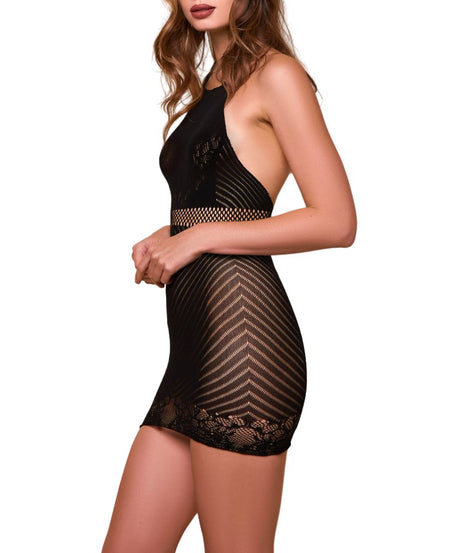
What should you wear as a wedding guest?
Wear what the invitation's dress code asks for, in any color except white, ivory or cream, and choose a length and fabric that suit the venue, the season and the time of day.
In practice that means a floor-length gown for black tie, a knee-length or midi dress for cocktail and semi-formal, and a relaxed midi or maxi for dressy casual, garden and beach weddings. Evening weddings lean darker and dressier; daytime weddings lean lighter and brighter.
The rest is practical. You will stand through the ceremony, sit through dinner, walk on whatever ground the venue has and probably dance. A wedding guest dress has to look right in photographs and still be comfortable at eleven at night. The sections below cover each dress code, color, season, venue and the layer underneath that most guides skip.
Most wedding guest mistakes are not about taste. They come from missing one line on the invitation, one detail about the venue or one fact about the season.
Get those three right and almost any dress you love will work. Get them wrong and even a beautiful dress will feel out of place.
- Read the dress code first. It decides the length and formality before anything else.
- Skip white, ivory and cream unless the couple has asked for them.
- Evening means darker and dressier; daytime means lighter and brighter.
- The venue decides the shoes. Grass, sand and cobbles need block heels, wedges or flats.
- Religious ceremonies often expect covered shoulders. Bring a wrap.
- Plan what goes underneath for strapless, backless and fitted satin dresses before the day.
The Rules Every Wedding Guest Should Know
Wedding etiquette has relaxed a great deal, but a few conventions still hold almost everywhere.

If the invitation says nothing, read the other clues. An evening start, a formal venue and printed invitations usually mean cocktail or dressier; an afternoon start, an outdoor venue and a relaxed tone usually mean dressy casual. The wedding website often answers the question directly, and asking a member of the wedding party is always acceptable.
Wedding Dress Codes, Explained
Eight dress codes cover almost every invitation. Each one sets the length, the fabric and the level of polish expected.
| Dress code | What to wear | Length | Fabrics |
|---|---|---|---|
| White tie | A formal evening gown | Floor | Satin, silk, velvet, heavy crepe |
| Black tie | An evening gown or very elegant dress | Floor, sometimes an elegant midi | Satin, crepe, velvet, beading |
| Black tie optional or formal | A gown or a dressy midi | Midi to floor | Crepe, satin, chiffon |
| Cocktail | A polished dress | Knee to midi | Crepe, satin, lace, silk |
| Semi-formal | A dressy day or evening dress | Knee to midi | Crepe, chiffon, lace, satin |
| Dressy casual | A relaxed but put-together dress | Knee to maxi | Cotton blends, linen blends, jersey, chiffon |
| Casual | A sundress or simple dress | Any | Cotton, linen, jersey |
| Beach | A light, breathable dress | Midi or maxi | Chiffon, linen, cotton, light crepe |

White tie
The most formal dress code and the rarest at weddings. Guests wear a floor-length evening gown in a rich fabric, often with long gloves and fine jewelry. Short and midi lengths are not appropriate. If you see white tie on an invitation, treat it as the one occasion where more formal is always right.
Black tie
A formal evening event. The standard is a floor-length gown, though a very elegant midi in a luxurious fabric is increasingly accepted. Satin, crepe, velvet and tasteful beading all work. Keep the silhouette refined: a column, a slip gown, a fitted bodice with a full skirt. Black tie weddings almost always start in the evening, so darker and jewel tones read naturally.
Black tie optional and formal
These two codes sit just below black tie. A floor-length gown is welcome but not required; a dressy midi or an elegant cocktail dress in a rich fabric works too. When in doubt, choose a midi in satin or crepe and dress it up with heels and fine jewelry.
Cocktail
The most common wedding dress code. Choose a knee-length or midi dress that looks polished: a crepe sheath, a satin slip dress, a lace fit and flare. Floor-length gowns are usually too formal and very short minis usually too casual. Cocktail gives the most freedom with color and print. Our cocktail dress guide covers the dress code in detail.
Semi-formal
Close to cocktail, with a little more flexibility. A knee-length or midi dress in crepe, chiffon or lace suits an afternoon or evening. Time of day matters more here than under any other code: lighter fabrics and brighter colors for daytime, richer fabrics and deeper colors after dark.
Dressy casual
Often used for garden, vineyard and rustic weddings. A midi or maxi in a lighter fabric, a wrap dress or a tiered cotton blend dress all work. It is not permission for denim or beachwear; the outfit should still look chosen for the occasion.
Casual
Rare on invitations, and usually means a relaxed backyard or daytime celebration. A sundress or a simple cotton or linen dress is right. Still dress for photographs: a plain T-shirt dress can read underdressed even at a casual wedding.
Beach
Light, breathable and easy to move in. A flowing midi or maxi in chiffon, linen or cotton works best, with flat sandals or wedges for sand. Avoid heavy fabrics, long trains and anything that will show sweat in the sun.
Codes such as garden party, festive attire, cocktail chic or all black are the couple's own inventions. Match the formality word first (cocktail, formal, casual) and then add the theme through color or accessories. The wedding website usually explains what they had in mind.
Colors to Wear, and Colors to Avoid
Color is where most guests worry, and the rules are simpler than they seem.
Colors by season
| Season | Colors that work | Fabrics that carry them |
|---|---|---|
| Spring | Pastels, lilac, powder blue, soft yellow, sage, blush | Chiffon, cotton, light crepe |
| Summer | Bright and saturated colors, coral, cornflower, florals | Linen blends, cotton, chiffon |
| Fall | Burgundy, rust, terracotta, emerald, navy, chocolate, mustard | Satin, crepe, velvet, heavier chiffon |
| Winter | Deep jewel tones, black, navy, forest green, plum | Velvet, heavy satin, crepe, long sleeves |
Wedding Guest Dresses by Season
The season decides the fabric, the sleeves and the outer layer. It also decides how comfortable you will be by the last dance.
Fall wedding guest dresses
Fall is one of the busiest wedding seasons, and the weather can swing from warm afternoons to cold evenings in the same day. Rich colors and mid-weight fabrics work best: satin, crepe and velvet in burgundy, rust, emerald, navy and chocolate. Long or three-quarter sleeves are welcome, and a midi length pairs naturally with heeled boots or pumps.
Plan for the temperature drop. An outdoor ceremony in early October can be pleasant at four and cold by seven. A tailored coat, a wool wrap or a structured blazer keeps the look polished; a puffer jacket does not. Sheer or opaque tights in a matching tone are appropriate for late fall and most indoor evening weddings.

Winter wedding guest dresses
Winter weddings are usually indoors and in the evening, which makes them some of the dressiest of the year. Velvet, heavy satin and crepe in jewel tones, black or metallic accents all work. Long sleeves and floor lengths make sense for warmth as well as formality. Bring a proper coat for arrival and photos outside, and choose shoes that can handle a wet or icy walk from the car. For holiday events around the wedding, our holiday party dress guide covers festive dress codes.
Spring wedding guest dresses
Spring calls for lighter fabrics and softer colors: chiffon, cotton blends and light crepe in pastels, florals and fresh greens. Weather is unpredictable, so a light trench, a cropped jacket or a pashmina is worth bringing. Outdoor spring ceremonies often mean damp grass, which affects your shoe choice.
Summer wedding guest dresses
Summer is about breathability. Linen blends, cotton, chiffon and light crepe keep you cool; heavy satin and polyester lining can become uncomfortable in the sun. Brighter colors and bold florals suit the season. Choose a fabric that does not show sweat, plan sun protection for bare shoulders, and consider a dress with a breathable lining.
Dressing for the Venue
The venue often tells you more about what to wear than the dress code does, especially about shoes and layers.
| Venue | Dress that works | Shoes | Watch for |
|---|---|---|---|
| Church or place of worship | Modest midi, covered shoulders or a wrap | Heels or elegant flats | Coverage rules; cool interiors |
| Hotel or ballroom | Dressy midi or gown | Heels | Usually the most formal setting |
| Garden or backyard | Floral or pastel midi, light fabrics | Block heels, wedges, flats | Grass, sun, insects |
| Beach | Flowing chiffon or linen maxi | Flat sandals or none for the sand | Wind, sand, heat |
| Barn or rustic | Midi or maxi in cotton, lace or chiffon | Block heels, boots, flats | Uneven floors, gravel, temperature |
| Vineyard | Midi in a light, elegant fabric | Block heels or wedges | Slopes, gravel, afternoon sun |
| City hall or courthouse | Smart cocktail dress or tailored midi | Heels or smart flats | Short ceremony, often a dinner after |
| Destination | Depends on climate; light, packable fabrics | Match the ground | Travel creasing, local customs |
Daytime versus evening
Time of day changes the right answer as much as the venue. Daytime weddings suit lighter colors, prints, cotton and chiffon, and shorter hems within the dress code. Evening weddings suit deeper colors, satin and velvet, longer hems and more sparkle. A ceremony at four with a reception running past midnight falls in between; dress for the evening and bring a layer for the afternoon sun or the night chill.
Religious and Cultural Weddings
Traditions vary widely. The safest approach is to learn a little about the ceremony and ask the couple or their family when unsure.
Many religious ceremonies expect covered shoulders, and some also expect covered knees or a head covering. Catholic, Orthodox and many traditional Protestant churches often prefer shoulders covered during the ceremony. Some synagogues, mosques, gurdwaras and temples have their own expectations, which may include covering the head or arms. A wrap, a light jacket or a dress with sleeves handles most of this, and the layer can come off for the reception.
Color meanings change between cultures. In many Chinese and South Asian weddings, red is traditionally worn by the bride, while white and black can be associated with mourning. At many South Asian weddings guests are welcome, even encouraged, to wear bright colors and traditional dress. If you have been invited to a wedding in a tradition you do not know well, a short message to the couple or a family member is thoughtful, not awkward.
Couples often invite guests to wear traditional clothing from their culture, and many are delighted when guests do. If the couple or the invitation suggests it, ask for guidance on where to buy or borrow an outfit and how to wear it. If it is not mentioned, a dress that follows the stated dress code is always appropriate.
The Best Silhouettes for Wedding Guests
A handful of cuts do most of the work. Each one suits different dress codes and different amounts of dancing.
| Silhouette | Why it works | Best dress codes |
|---|---|---|
| Wrap | Adjustable, defines the waist, comfortable for hours | Semi-formal, dressy casual, cocktail |
| Slip | Elegant, drapes well, easy to dress up or down | Cocktail, formal, black tie in floor length |
| A-line | Flatters most figures, easy to sit and dance in | Every code from casual to formal |
| Fit and flare | Defined waist, full skirt, photographs well | Cocktail, semi-formal |
| Sheath | Polished and simple, suits city weddings | Cocktail, semi-formal, courthouse |
| Column gown | Long, straight and formal | Black tie, formal |
| Tiered or flowing maxi | Airy and relaxed, good in heat | Dressy casual, beach, garden |

Necklines and backs change the look without changing the formality much. A halter dress reads sleek and suits summer evenings; a backless dress is dramatic for formal receptions but may need a wrap for a religious ceremony; a lace dress is a classic guest choice as long as it is not white or ivory. For cool months, a fine-gauge sweater dress can work for a casual daytime wedding, though most dress codes call for something dressier.
Choosing the Right Length
Length follows the dress code first and the venue second.
| Length | Works for | Consider |
|---|---|---|
| Mini | Casual and some cocktail evening receptions | Usually too casual for ceremonies and daytime |
| Knee length | Cocktail, semi-formal, courthouse, dressy casual | The easiest length to wear and move in |
| Midi | Nearly every dress code from casual to formal | The most versatile length for guests |
| Tea length | Semi-formal, garden and vintage-themed weddings | Formal but easy to walk in |
| Maxi or floor | Black tie, formal, beach and garden | Hem clearance on grass and stairs |
The midi is the most useful wedding guest length because it moves between dress codes more easily than any other. Our midi dress guide covers where a midi hem should land and which shoes work with it, and our guide to mini, midi and maxi lengths compares all three. For the tea-length row above, our tea-length dress guide covers where the hem should land and how to wear it.
Fabrics That Work for Weddings
The fabric decides how formal a dress looks, how it holds up after hours of wear and how it photographs.
Before you commit, crush a corner of the skirt in your hand for ten seconds and let it go. If it stays crumpled, it will look that way after the ceremony, the drive and dinner. Crepe, jersey and many blends recover; linen and some satins do not.
Fit and Comfort for a Long Day
A wedding is a marathon of standing, sitting, eating and dancing. Test the dress for all of it.
Petite, tall and plus sizes
For petite frames, knee-length and midi styles that end just below the knee usually balance the proportions best, and maxis need hemming so they do not drag. For tall frames, check that midis and maxis are long enough and that the waist seam does not ride above the natural waist. For plus sizes, wrap dresses, A-lines and fit and flare cuts in crepe or chiffon are comfortable over a long day; look for a lined bodice and wide straps or sleeves that support without cutting in.
Pregnant wedding guests
Empire waists, wrap dresses and stretch jersey or crepe midis are the most comfortable choices, and many maternity brands make dressy options. Choose flat or low block heels, plan for somewhere to sit, and pick a fabric that breathes. A dress that fits in the week you buy it may not fit a month later, so shop close to the date or choose adjustable styles.
Shoes, Layers and Accessories
The shoes decide how the day feels. The layers decide how you look in photos when the temperature drops.
| Shoe | Best for | Avoid for |
|---|---|---|
| Stiletto | Ballrooms, hotels, formal evenings | Grass, sand, gravel, cobbles |
| Block heel | Gardens, barns, vineyards, long days | Very formal black tie, where a sleeker heel suits better |
| Wedge | Outdoor summer and beach-adjacent venues | Formal evening weddings |
| Dressy flat | Any venue, pregnancy, long days | Almost nothing when well chosen |
| Heeled boot | Fall and winter, rustic venues, midi hems | Summer and formal gowns |
| Flat sandal | Beach and casual weddings | Cocktail and formal codes |
Whatever you wear, break new shoes in before the day, and consider a pair of foldable flats in your bag for the dancing.
Wraps, jackets and coats
A wrap or pashmina is the most useful thing a wedding guest can carry. It covers shoulders for a ceremony, adds warmth after sunset and fits in a bag. For cooler weddings, choose a tailored coat longer than the dress or a cropped jacket that ends at the waist; a jacket that stops just above the hem cuts the line of the dress. Avoid casual layers such as denim jackets or hoodies except at a truly casual wedding.
Accessories
Match the accessories to the dress code. A small clutch or structured bag suits formal and cocktail weddings; a woven or straw bag suits garden and beach. Jewelry should complement the neckline: statement earrings with a high or halter neck, a fine pendant with a V. Hats and fascinators are traditional at daytime British weddings and some Southern and church weddings, and should come off indoors once the reception begins if they block views.

What to Wear Under a Wedding Guest Dress
The layer underneath decides whether you spend the reception enjoying yourself or adjusting a strap.
Try the whole outfit on at home a few days before the wedding, including the bra, shoes and any adhesive. Wear it for an hour, sit, dance a little and check it in daylight and under a flash. Adhesive in particular needs clean, lotion-free skin and a trial run; our honest look at whether adhesive bras work covers the limits.
Strapless, Adhesive and Seamless
The pieces that make strapless, backless and fitted satin dresses work from ceremony to last dance.
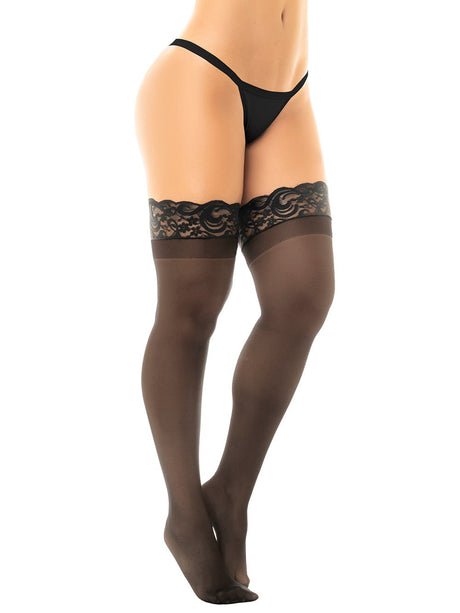
Strapless BrasAdhesive BrasSeamlessBudget, Renting and Re-wearing
Many people attend several weddings a year. A little planning keeps the cost down without repeating the same look in every photograph.
Buy versatile pieces. A midi in a solid, rich color and a good fabric can be worn to a fall cocktail wedding with heels and a clutch, then to a spring garden wedding with block heels and a pashmina. Change the accessories and the same dress looks different in photographs.
Rent for formal codes. Rental services make black tie and white tie gowns affordable for a single occasion, and you avoid storing a gown you may rarely wear. Order early, choose a backup size and check the return window against the wedding date.
Spend where it shows. Put the budget into the dress fabric and fit, which are visible in every photograph, and into shoes you can stand in. Accessories can be borrowed, and a tailor can make a mid-priced dress look far more expensive with a hem and a small take-in.
Bridesmaid versus guest
If you are a bridesmaid, the couple chooses or approves your dress. As a guest, you choose, but you should avoid the bridesmaid color so photographs keep the wedding party distinct. If you are unsure of the palette, the wedding website or a quick question to a bridesmaid will tell you.
Destination weddings
Pack fabrics that do not crease easily, such as jersey, crepe and blends, and roll rather than fold. Check the local climate, customs and venue surfaces, and bring a wrap for the flight, the ceremony and the evening. If the wedding spans several events, the couple often shares a dress code for each one.
Common Wedding Guest Mistakes
Most wedding guest regrets are avoidable with a little planning.
Wedding Guest Dress Checklist
- Dress code: read on the invitation or the wedding website.
- Color: not white, ivory or cream, and not the bridesmaid color.
- Length: matched to the dress code and venue.
- Fabric: suited to the season and time of day, and passes the crease test.
- Ceremony: shoulders and knees covered if the setting expects it.
- Shoes: suited to the ground and broken in.
- Layer: a wrap, jacket or coat for the ceremony and the evening.
- Underneath: bra and underwear tested with the dress days ahead.
Read the invitation, respect the ceremony and plan for the whole day. The couple will remember that you came; the photographs will remember what you wore.
HauteFlair Editors
What This Means for You
Start with the dress code on the invitation. It tells you the length and formality: a gown for black tie, a knee-length or midi dress for cocktail and semi-formal, and a relaxed midi or maxi for dressy casual, garden and beach weddings.
Then choose a color that is not white, ivory or cream, a fabric that suits the season and the time of day, and shoes that suit the ground. Bring a layer for the ceremony and the evening, and check whether the ceremony setting expects covered shoulders.
Finally, plan the layer underneath for the neckline and back of the dress, and test the whole outfit before the day. That is what lets you forget about the dress and enjoy the wedding.
Necklines, Lengths and Fabrics
The details that decide how a wedding guest dress fits and what goes underneath it.
Midi DressBackless DressLace DressFrequently Asked Questions
What should you wear to a wedding as a guest?
What colors should you not wear to a wedding?
Can you wear black to a wedding?
Can you wear red to a wedding?
What does cocktail attire mean for a wedding?
What does black tie optional mean?
What should I wear to a fall wedding?
Can you wear a long dress to a wedding?
Can you wear a short dress to a wedding?
What shoes should you wear to an outdoor wedding?
Do you need to cover your shoulders at a wedding?
Can you wear a lace dress to a wedding?
What do you wear under a strapless wedding guest dress?
Is it okay to wear the same dress to multiple weddings?
What should a pregnant wedding guest wear?
What should you wear to a beach wedding?
What should you wear to a wedding with no dress code?
Can you wear a jumpsuit to a wedding?
This guide covers wedding dress codes, etiquette, styling and fit and is for general information. Dress codes and customs vary between couples, cultures and places of worship; when in doubt, follow the couple's guidance or ask a member of the wedding party.