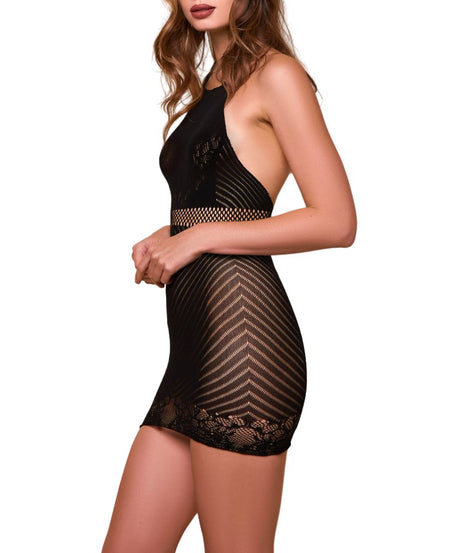
What is a cocktail dress?
A cocktail dress is a dressy, usually knee-length to midi-length dress made for early-evening parties and events that sit between business wear and formal evening wear.
It is the dress for the cocktail dress code: more polished than a day dress, less formal than a floor-length gown. The classic version is a fitted or gently flared dress in a refined fabric such as crepe, satin, silk, lace or velvet, worn with heels and simple jewelry. The little black dress is the best-known example.
Three things make a dress read as cocktail: a hem between the knee and mid-calf, a fabric with some polish or sheen, and a clean, deliberate cut. Get those right and the same dress works for weddings, holiday parties, work events, galas with a cocktail dress code and dinners out.
"Cocktail attire" is the dress code people search for most, because it is the one that leaves the most room for doubt.
It is not a gown and not a work dress. Once you know where it sits, and which levers move a dress up or down, it becomes the easiest dress code to get right.
- Cocktail sits in the middle of the dress code ladder: above business wear, below black tie.
- Length: knee to midi is the standard; tea length for dressier events, a polished mini for parties.
- Fabric does most of the work: crepe, satin, silk, lace, velvet and sequins read cocktail; cotton jersey and linen read day.
- Five levers change the formality: fabric, length, color, shoes and jewelry.
- The little black dress is the most versatile cocktail dress you can own.
- Fit matters more than trend. A simple dress that fits well reads more expensive than a complex one that does not.
What Cocktail Attire Means
Cocktail attire is a middle dress code. It asks for more polish than the office and less than a formal evening.
The name comes from the cocktail party, traditionally held in the early evening, roughly between six and nine, before dinner. Guests came straight from work or dressed up slightly for the evening, and the clothes reflected that: elegant enough for a party, short enough and practical enough to stand, mingle and hold a drink. The dress code has outlived the timing, and today "cocktail" on an invitation simply signals a dressy but not formal event, whatever the hour.
| Dress code | What it asks for | Difference from cocktail |
|---|---|---|
| Black tie | Floor-length gown | Longer and more formal; cocktail dresses are usually too casual |
| Black tie optional | Gown, or a very dressy midi | A dressy cocktail dress can work at the top of the range |
| Semi-formal | Dressy knee or midi dress | Very close to cocktail; often used interchangeably |
| Cocktail | Knee to midi in a refined fabric | The reference point |
| Festive or holiday cocktail | Cocktail with seasonal color or sparkle | Same length and cut, more shine |
| Business formal | Tailored sheath or suit | More structured, less festive |
| Smart casual | Day dress or polished separates | Simpler fabric and styling |
Cocktail versus semi-formal
The two terms overlap heavily, and many hosts use them to mean the same thing. Where there is a difference, semi-formal leans slightly more formal and more likely to suit a longer hem, especially for evening weddings, while cocktail leans toward the knee and toward party fabrics and colors. If an invitation says either, a knee-length or midi dress in a refined fabric is correct.
Cocktail versus black tie optional
Black tie optional means gowns are welcome but not required. A cocktail dress can work if it sits at the top of the cocktail range: a midi or tea-length hem, a luxurious fabric such as satin or velvet, a deep color and dressier accessories. A short, casual cocktail dress is not enough at a black tie optional event.
Cocktail chic and creative cocktail
These phrases invite some personality within the cocktail frame. A bold color, an interesting sleeve, a corset bodice, a statement print or a jumpsuit in a luxe fabric all fit. The length and level of polish stay the same.
How Long Should a Cocktail Dress Be?
Knee to midi is the safe range. Shorter and longer both work, with conditions.
| Length | Where it lands | Cocktail suitability |
|---|---|---|
| Mini | Mid-thigh | Parties, birthdays and nights out; too short for most weddings and work events |
| Above the knee | Two to three inches above the knee | Classic cocktail length for parties |
| Knee | At the knee | The standard; right almost everywhere |
| Midi | Below the knee to mid-calf | Elegant and versatile; the modern default |
| Tea length | Lower calf | The dressiest cocktail length; good for evening weddings and black tie optional |
| Floor length | To the floor | Usually reads formal; acceptable in a simple, light fabric at some cocktail events |

Where a midi lands on your leg matters. Our midi dress guide explains why a hem just below the knee or on the lower calf reads cleaner than one at the widest part of the calf, and our guide to mini, midi and maxi lengths compares all three side by side. For the dressiest cocktail length, our tea-length dress guide covers where the hem should land and what to wear with it.
Cocktail events often involve perching on bar stools and low sofas. Sit down in the dress before you buy it. A hem that is right standing can rise four or five inches when you sit, which matters at weddings and work events.
Cocktail Dress Silhouettes
The silhouette sets the personality of a cocktail dress. Each one suits different bodies, events and levels of comfort.

| Silhouette | What it is | Best for | Consider |
|---|---|---|---|
| Sheath | Fitted through the body, straight skirt | Work events, weddings, dinners | Needs a vent or slit to walk |
| Fit and flare | Fitted bodice, full skirt from the waist | Weddings, parties, dancing | Defines the waist; forgiving at the hip |
| A-line | Gently flared from the waist or bust | Almost any event | The most forgiving cut |
| Wrap | Crosses and ties at the waist | Dinners, work events | Check it stays closed when you sit |
| Slip | Bias-cut with thin straps | Evening parties | Shows every line underneath |
| Bodycon | Close-fitting stretch fabric | Parties, nights out | Too casual for most weddings |
| Shift | Straight from the shoulders | Daytime cocktail, garden parties | Looks best in structured fabric |
| Corset or bustier | Structured, boned bodice | Parties, evening weddings | Needs a precise fit |
| Peplum | A flared ruffle at the waist | Work events, dinners | Adds volume at the hip |
Sheath
The sheath is the tailored classic. It follows the body without clinging, with darts or seams shaping the bust and waist and a straight skirt that ends at or below the knee. It reads polished and professional, which makes it the safest choice for work events and conservative settings. Check for a back vent or slit, since a narrow skirt limits your stride on stairs and dance floors.
Fit and flare
Fitted through the bodice to the natural waist, then a skirt that flares out. It is the most celebratory cocktail shape and the easiest to dance in. The full skirt balances the hips and creates a defined waist on almost any figure. In satin or taffeta it reads dressy; in crepe or cotton sateen it reads daytime.
A-line
A gentler flare than fit and flare, starting from the waist or just below the bust. A-line cocktail dresses skim rather than hug, which makes them comfortable over a long evening and forgiving through the stomach and hips.
Wrap
A wrap crosses over the body and ties at the waist, adjusting to fit. In silk, satin or fine jersey it becomes a cocktail dress; in cotton it stays daytime. Choose a faux wrap or one with a snap at the crossover if you want the neckline to stay put.
Slip
The bias-cut satin slip is the minimalist cocktail dress. It drapes close to the body and suits evening parties and dinners. It is unforgiving underneath, so it needs smooth layers, and it can look underdressed at a formal event unless it is midi length in a heavy satin.
Corset, bustier and structured bodices
Boned bodices have become a signature of modern cocktail dressing. They hold their shape without straps and create a sharp waist. Fit is everything: too tight and the boning digs in; too loose and the bodice slips. Our corset dress guide covers how they should fit.
Necklines and backs
| Neckline | Effect | Note |
|---|---|---|
| V-neck | Lengthens the neck and torso | The most flattering on the widest range of figures |
| Sweetheart | Romantic, frames the bust | Common on strapless and fitted bodices |
| Bateau or boat neck | Elegant, horizontal line | Classic on the little black dress |
| Square neck | Frames the collarbones | Suits structured bodices |
| Halter | Shows the shoulders and often the back | See our halter dress guide |
| One-shoulder | Asymmetric and modern | Needs a strapless or one-shoulder bra |
| Strapless | Evening feel | Needs a firm bodice or a strapless bra |
| Open back | Drama from behind | See our backless dress guide |
Jumpsuits and Separates
Cocktail attire does not require a dress. Polished alternatives meet the dress code just as well.
A jumpsuit in crepe, satin or silk with a tailored or wide leg reads as polished as a dress, especially with heels and cocktail jewelry. Dressy separates also work: a satin midi skirt with a fine knit or silk camisole, a sequin top with tailored trousers, or a structured bustier with a full skirt. The same five levers apply: refined fabric, a length or leg that reaches at least the knee, a considered color, heels or dressy flats and deliberate jewelry. The one thing to avoid is anything that reads like office wear or weekend wear, such as denim, casual cotton or a plain work suit without any evening detail.
The Little Black Dress
If you own one cocktail dress, it should probably be black. Nothing else covers as many invitations.
The little black dress is a simple, well-cut black dress, usually at the knee or just below, that can be dressed up or down. Black is appropriate at almost every cocktail event, flatters in low evening light, hides creases and marks, and pairs with any color of shoe, bag or jewelry. A good little black dress is a sheath, fit and flare or wrap in crepe or a matte satin, with a neckline you can wear to a wedding and a hem you can sit in. Our little black dress guide covers cuts, fabrics and how to restyle one for every kind of event.

One black dress, four events
| Event | Shoes | Jewelry and extras |
|---|---|---|
| Work event | Block pumps or loafers | Blazer, small studs, structured bag |
| Wedding guest | Nude or metallic heels | Pearl drops, a colored wrap, a small clutch |
| Holiday party | Velvet or glitter heels | Statement earrings, sheer black tights |
| Dinner date | Strappy sandals | A fine gold chain, a red lip |
Black at weddings was once discouraged, but at evening weddings and in most cities today it is widely accepted. Our wedding guest dress guide covers when black works and when to choose a color instead.
Cocktail Dress Fabrics
Fabric is the fastest way to tell a cocktail dress from a day dress. The same cut in cotton and in satin reads as two different dress codes.
Thin cotton jersey, T-shirt knit, denim, chambray, linen and casual cotton prints usually read as day wear, even in a cocktail silhouette. They can work at a relaxed daytime cocktail event but not at an evening wedding or formal party.
Choosing a Color
Color can move a cocktail dress up or down in formality and in season.
| Color | How it reads | Best for |
|---|---|---|
| Black | Classic and polished | Every season; the safest choice |
| Navy | Softer than black, still formal | Work events, weddings |
| Jewel tones | Emerald, sapphire, ruby: rich and flattering | Evening events, fall and winter weddings |
| Red | Confident and festive | Parties, holidays, dinners; check wedding customs |
| Pastels | Soft and fresh | Spring and summer, daytime cocktail |
| Metallics | Celebratory | Holiday and New Year's Eve parties |
| White and ivory | Crisp | Parties and summer events; avoid at weddings |
| Prints | Florals and abstracts read lighter | Daytime and warm-weather cocktail |

Deep, solid colors read more formal than bright prints. If an event sits at the dressier end of cocktail, choose a solid jewel tone or black; if it is daytime or relaxed, a print or pastel is right.
Dressing a Cocktail Dress Up or Down
Five levers change how formal a cocktail outfit reads. Adjust them to match the invitation.
To dress up: choose a longer hem, a richer fabric such as satin or velvet, a deep solid color, heels and fine or statement jewelry. To dress down: choose a knee or above-knee hem, crepe or a structured knit, a lighter color or print, block heels or elegant flats and minimal jewelry. Moving one or two levers is usually enough to adapt the same dress from a work reception to an evening wedding.
Cocktail Dresses Through the Year
The dress code stays the same all year. The fabric, color and layers change.
Spring: chiffon, crepe and lace in pastels, soft florals and light jewel tones, with nude heels and a light trench or silk wrap. Spring weddings are the peak season for cocktail dresses. Summer: breathable fabrics such as silk, chiffon, cotton sateen and linen blends with a lining, in brights, prints and warm neutrals. Strappy sandals and bare legs are fine, and a wrap handles air-conditioned rooms. Fall: crepe, satin and velvet in burgundy, rust, forest green, navy and gold, with closed pumps, sheer tights and a tailored coat. Long sleeves become useful. Winter: velvet, heavy satin, sequins and brocade in black, deep jewel tones and metallics, with sheer or opaque tights, heeled boots or pumps and a long wool coat that covers the hem.
Cocktail Dresses by Occasion
The same dress code covers very different events. Here is how to adapt it.
| Occasion | Dress | Notes |
|---|---|---|
| Evening wedding | Midi or tea length in satin, crepe or lace | Avoid white; bring a wrap for the ceremony |
| Daytime wedding | Knee or midi in chiffon, crepe or a print | Lighter colors, block heels for grass |
| Holiday party | Velvet, satin or sequins in a festive color | More shine is welcome |
| Work event or reception | Sheath or wrap in crepe, knee or midi | Conservative neckline and hem |
| Charity gala with cocktail code | Dressy midi in satin or velvet | Sit at the top of the cocktail range |
| Birthday or celebration | Anything from a sequin mini to a satin midi | Follow the host's lead |
| Graduation or award dinner | Knee-length sheath or A-line | Polished and photograph-friendly |
| Anniversary or dinner out | Slip, wrap or fit and flare | Match the restaurant |
Cocktail dresses for weddings
Most wedding invitations that are not black tie call for cocktail or semi-formal attire, which makes the cocktail dress the most common wedding guest outfit. The rules that matter: avoid white, ivory and anything that could photograph as bridal; match the formality to the time and venue; and plan for a ceremony, a long reception and dancing. Our wedding guest dress guide covers every dress code, colors to avoid and what to wear by season and venue.
Cocktail dresses for holiday parties
Holiday cocktail parties invite more shine and seasonal color: velvet, satin and sequins in red, emerald, burgundy, gold and black. Our holiday party dress guide covers office parties, New Year's Eve and festive dress codes.
Daytime cocktail events
Garden parties, luncheons, christenings and daytime receptions sometimes ask for cocktail attire. Daytime cocktail is lighter: pastel or printed dresses in chiffon, crepe or cotton sateen, with block heels or dressy flats and less shine. Save sequins and heavy satin for the evening.
Outdoor and destination events
Cocktail attire at a vineyard, beach, rooftop or garden follows the same dress code with practical adjustments. Choose breathable fabrics such as silk, chiffon and lined linen blends, and colors that suit daylight. Swap stilettos for block heels, wedges or dressy flat sandals, which do not sink into grass or catch between boards. Bring a wrap or light jacket for the evening, when outdoor temperatures drop quickly, and choose a hem that will not blow up in the wind: a midi or a fuller knee-length skirt with some weight behaves better than a light mini. For destination weddings, pack the dress in a garment bag in your carry-on and hang it on arrival, and check whether the invitation or wedding website mentions the terrain or weather.
Work events
Company receptions, client dinners and award events call for the conservative end of cocktail. A crepe sheath or wrap dress in black, navy or a jewel tone, at the knee or below, with a modest neckline and a blazer for the arrival, is right almost everywhere.
Getting the Fit Right
Most cocktail dresses are fitted in at least one place. Where they fit, and where they are allowed to ease, decides whether the dress looks expensive.
Petite, tall and plus sizes
For petite frames, knee-length and just-below-knee hems keep the proportion balanced, and a V neckline or defined waist lengthens the line. Petite ranges place the waist and hem correctly, which matters more than the size. For tall frames, check the total length so a knee-length dress does not become a mini, and look for tall ranges or midi styles. For plus sizes, wrap, A-line and fit and flare cocktail dresses in crepe, ponte or heavier satin are comfortable and flattering; look for a structured lining, sleeves cut for the size and a waist seam at or above the natural waist. Our guide to plus size shapewear covers smoothing options.
Alterations worth paying for
Most cocktail dresses need at least one small change to fit perfectly. A good tailor can shorten a hem, take in a waist or side seams, shorten straps and add bra cups or grip tape to a strapless bodice. Shortening straps is the most underrated alteration: it lifts the whole bodice and fixes many fit problems at the bust. Shoulders, sleeves set into structured bodices and full-sequin dresses are harder and more expensive to change.
Choosing a Cocktail Dress for Your Shape
No shape is off limits for any cocktail dress. These are starting points, not rules.
Defined waist, balanced bust and hips: wrap, sheath and fit and flare dresses follow the natural shape. Belted and seamed waists work especially well. Fuller hips and thighs: fit and flare and A-line skirts skim the hips, and a detailed neckline, bare shoulders or statement sleeves draw attention upward. Fuller midsection: empire waists, wrap dresses, A-lines and dresses with ruching or draping across the stomach are comfortable and flattering, and a V neckline lengthens the torso. Straight frame: fit and flare, peplum and belted dresses create curves, while a slip or shift dress celebrates a straight line. Fuller bust: V and sweetheart necklines, wrap bodices and dresses with built-in support work best; high, wide necklines and busy bodices add volume. Broad shoulders: V, halter and one-shoulder necklines break up the shoulder line, and a full skirt balances it.
Whatever the shape, the most flattering cocktail dress is the one that fits at the shoulders and bust and lets you sit, stand and move without adjusting it.
Shoes, Bags, Jewelry and Outerwear
Accessories finish the dress code. With a simple dress they carry most of the personality.

| Shoe | Best with | Events |
|---|---|---|
| Pointed pumps | Sheath, fit and flare, the little black dress | Almost every cocktail event |
| Strappy heeled sandals | Slip, satin, summer dresses | Evening parties, summer weddings |
| Block heels | A-line, wrap, daytime dresses | Outdoor weddings, long events |
| Slingbacks | Sheath and tea-length dresses | Work events, daytime cocktail |
| Dressy flats | Almost anything | Long nights, daytime events |
| Heeled boots | Velvet, knit and midi dresses | Fall and winter parties |
Bags: a small clutch or a structured mini bag. A large day bag undercuts even the best dress. Jewelry: match it to the neckline. Statement earrings suit high and strapless necklines, a fine pendant suits a V, and a cuff or cocktail ring suits sleeveless dresses. The cocktail ring takes its name from the same parties as the dress. Outerwear: a tailored coat, a silk or cashmere wrap, a cropped jacket or a blazer. A long coat should cover the hem; a short jacket should end at the waist.
Hosiery
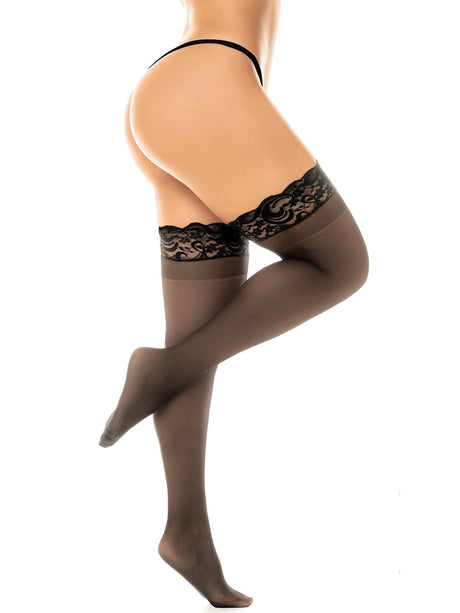
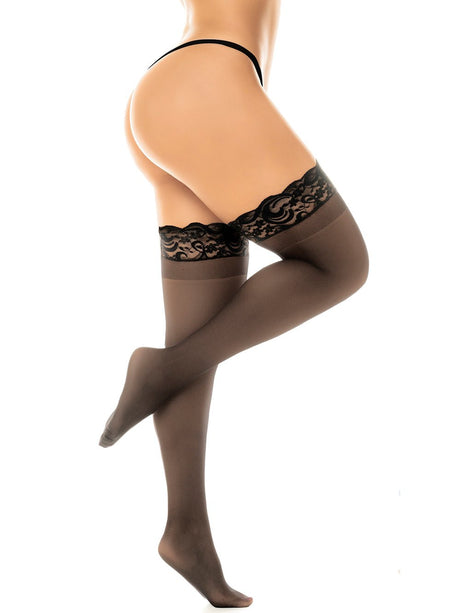
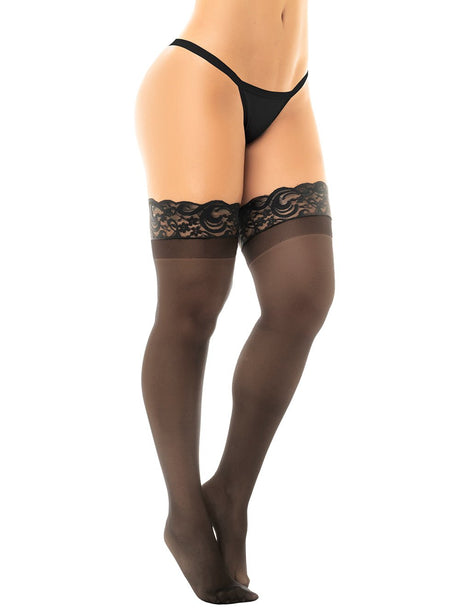
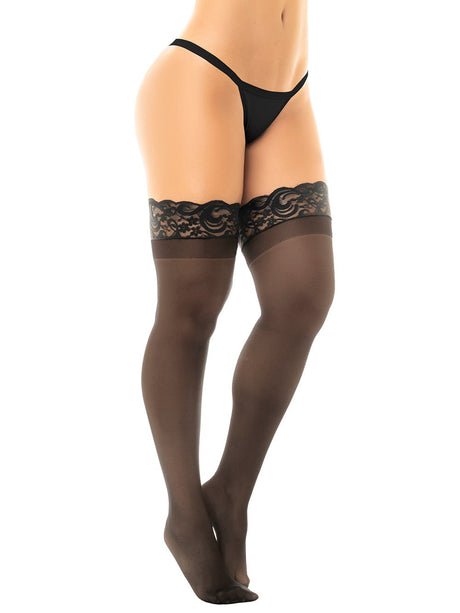
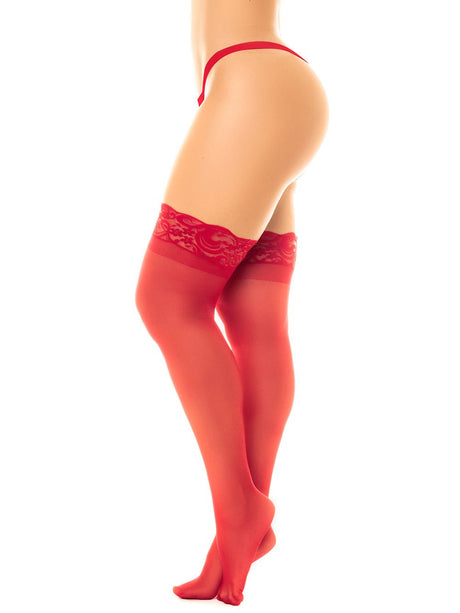
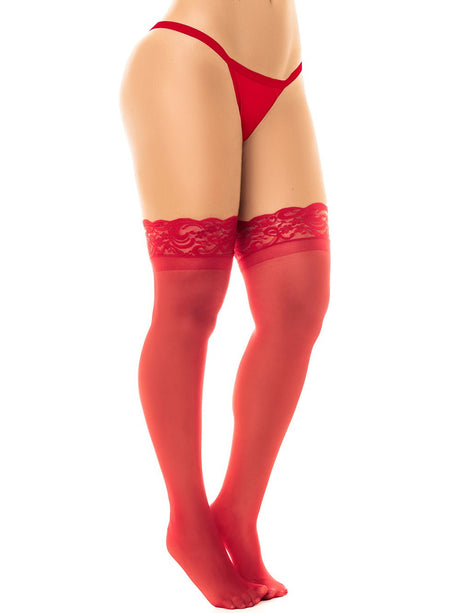
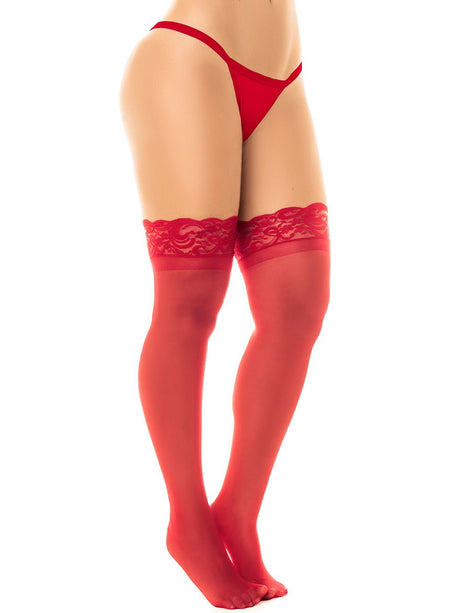
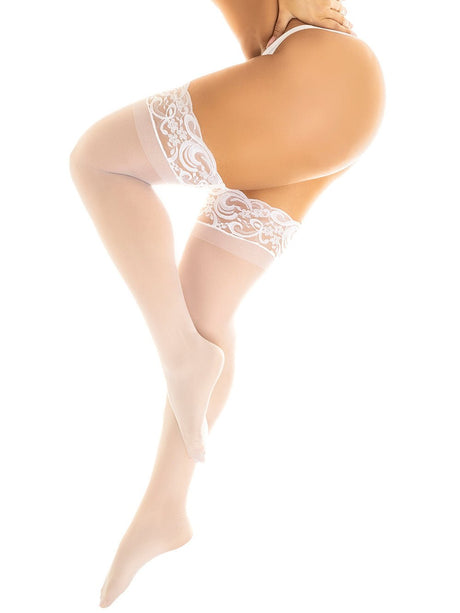
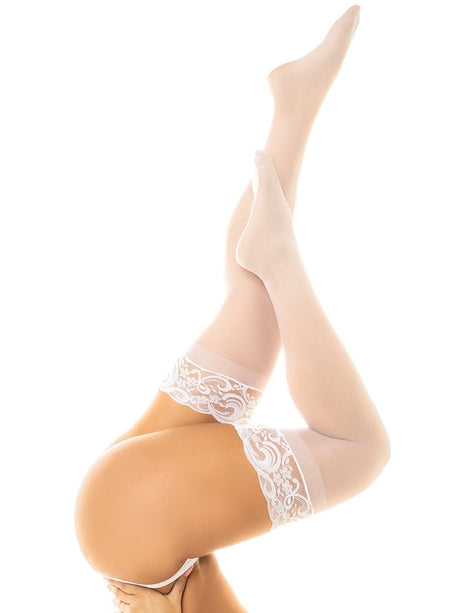
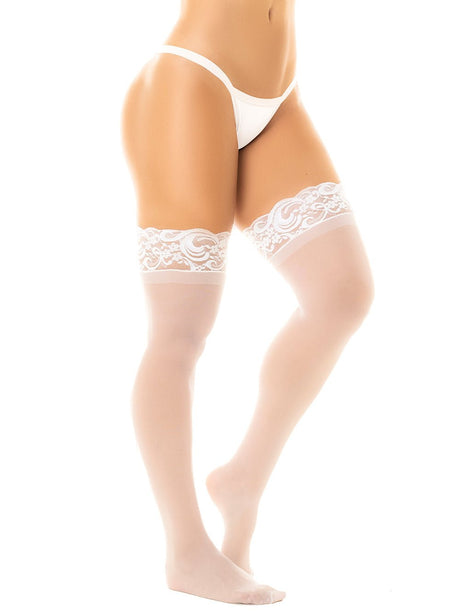
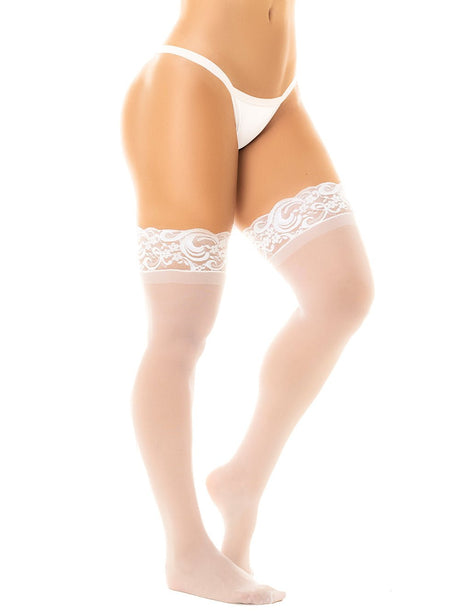
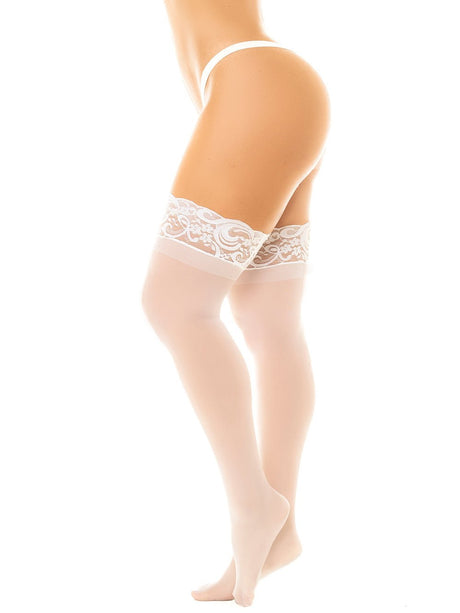
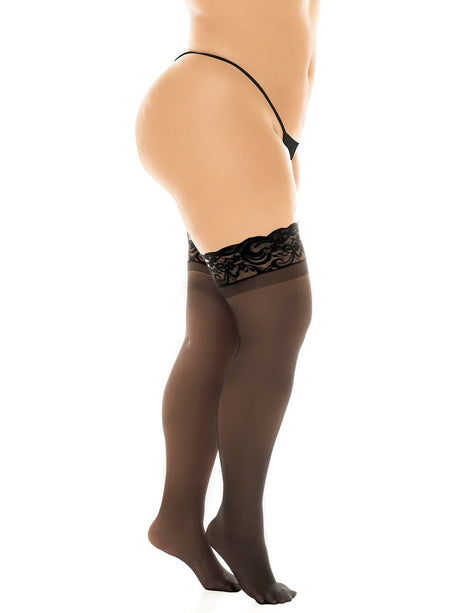
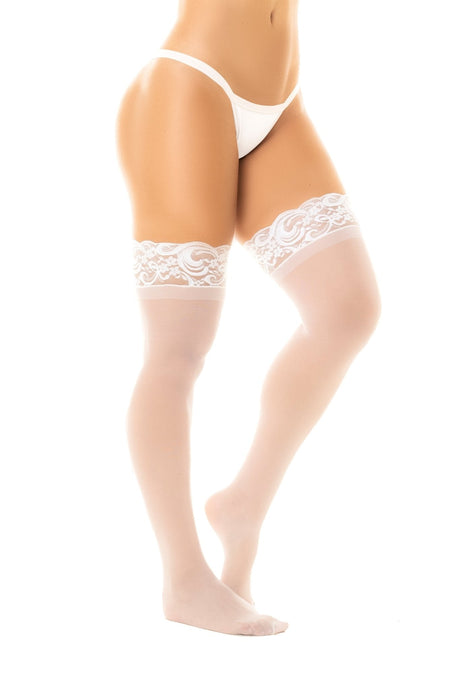
Sheer tights at 10 to 20 denier are elegant with cocktail dresses in cooler weather and polished at work events. Black sheer tights suit black and jewel-tone dresses; nude sheer tights suit pale colors. Bare legs are acceptable at most cocktail events in warm weather. Shop hosiery or thigh-high stockings.
What to Wear Under a Cocktail Dress
Cocktail dresses are fitted and often made from fabrics that show what is underneath. The right layer makes the dress look better.
Strapless, Seamless and Smooth
The layers that keep a fitted dress clean from every angle.
Strapless BrasSeamlessShapewearBuying a Cocktail Dress That Lasts
A well-made cocktail dress can be worn for years. A few details show whether it will.
Price tiers
Cocktail dresses range from fast-fashion pieces to designer eveningwear. The middle of the market, roughly $100 to $300, is where most occasion-dress specialists sit: lined dresses in good crepe and satin, cut for real figures and designed to be worn to weddings and events. Below that, check linings and fabric weight carefully. Above it, you pay for finer fabrics, more handwork and design.
Buy, rent or re-wear
For a classic dress you will wear often, such as a little black dress or a navy sheath, buying makes sense: the cost per wear drops quickly. For a statement dress needed once, such as a sequin gown or a trend color, renting can be smarter. And a cocktail dress you own can be restyled for years with different shoes, jewelry and outerwear.
Buying online
Compare the product's measurements with a dress that fits you well rather than trusting the size label. Look for total length, bust and waist measurements, fabric content and lining details. Check the model's height to judge where the hem will land, and read the return policy before an event with a fixed date.
A Short History of the Cocktail Dress
The cocktail dress grew up with the cocktail party, and both took shape in the twentieth century.
Early-evening drinks parties became fashionable in the 1920s, and women needed something between an afternoon dress and a full evening gown: short enough to dance in, elegant enough for the evening. Knee-length beaded and fringed dresses filled the gap. In 1926, Vogue published a simple black dress by Gabrielle Chanel, and the little black dress became the foundation of cocktail dressing.
After the Second World War, the cocktail party became a fixture of social life, and designers created dresses specifically for it. Christian Dior is often credited with popularizing the term cocktail dress in the late 1940s, and the 1950s became the golden age of the style: full-skirted, fitted-waist dresses in taffeta, satin and silk, often at tea length, worn with gloves, pearls and small hats.
Later decades brought the shift and the mini in the 1960s, the wrap dress in the 1970s, bold shoulders and bright color in the 1980s and the minimal slip in the 1990s. Today the cocktail dress borrows from all of them, which is why a sheath, a fit and flare, a wrap and a slip can all appear at the same party. What has stayed constant is the idea behind the dress: something more special than daywear, easier than a gown, and right for an evening spent standing, talking and celebrating with other people.
Caring for a Cocktail Dress
Occasion fabrics need gentler care than everyday clothes. A little attention keeps a dress ready for the next invitation.
Check the label first. Most cocktail dresses in satin, silk, velvet, lace and structured fabrics are dry clean only. Spot clean promptly: blot spills with a clean cloth rather than rubbing, and take stains to a cleaner as soon as possible, pointing them out. Steam rather than iron satin, chiffon and velvet, from the inside. Store on a padded hanger in a breathable garment bag, using the inner hanger loops for strapless and heavy dresses so the straps and neckline do not stretch. Fold sequined and heavily beaded dresses in tissue, since they can stretch under their own weight on a hanger.
Packing for an event
Roll crepe and jersey dresses in tissue to reduce creases, and carry satin, taffeta and structured dresses in a garment bag. Hang the dress in a steamy bathroom on arrival. Pack the right bra, seamless underwear, tights and a small sewing kit with the dress so the outfit arrives complete.
Common Cocktail Dress Mistakes
A few predictable problems cause most cocktail dress regrets.
Cocktail Dress Checklist
- Dress code: cocktail, semi-formal, festive or black tie optional.
- Time and venue: daytime or evening, indoors or outdoors.
- Length: knee to midi, tested sitting down.
- Fabric: crepe, satin, silk, lace, velvet or sequins, not day cotton.
- Color: suited to the season and the event, and not white at a wedding.
- Fit: shoulders, bust, waist and hips checked.
- Accessories: heels or dressy flats, a small bag, jewelry matched to the neckline.
- Underneath: the right bra for the neckline and back, and seamless layers.
A cocktail dress should look effortless at seven in the evening and still feel comfortable at eleven. Fit, fabric and the right shoes make both possible.
HauteFlair Editors
What This Means for You
A cocktail dress is a dressy knee-length to midi dress for events between business wear and black tie. The fabric does most of the work: crepe, satin, silk, lace, velvet and sequins read cocktail, while casual cotton and linen do not.
Choose the silhouette for the event and your comfort, the color for the season and time of day, and adjust formality with five levers: fabric, length, color, shoes and jewelry. A well-fitted little black dress covers most invitations on its own.
Underneath, match the bra to the neckline and back, and keep fitted dresses smooth with seamless layers. Then the dress can do its job from the first drink to the last dance.
Weddings, Holidays and Lengths
The occasions a cocktail dress is made for, and the lengths that suit them.
Wedding GuestHoliday PartyMidi DressFrequently Asked Questions
What is a cocktail dress?
What does cocktail attire mean for women?
How long should a cocktail dress be?
Can you wear a long dress to a cocktail party?
What is the difference between cocktail and semi-formal?
Can you wear black to a cocktail party?
What fabrics are best for cocktail dresses?
Can you wear a cocktail dress to a wedding?
What shoes go with a cocktail dress?
Is a jumpsuit acceptable for cocktail attire?
What should I wear under a cocktail dress?
What colors are best for a cocktail dress?
What is the little black dress?
Can you wear a cocktail dress to work?
What is a daytime cocktail event?
Can you wear a mini dress to a cocktail party?
How much should a cocktail dress cost?
What jewelry goes with a cocktail dress?
What is black tie optional?
What coat goes with a cocktail dress?
Can you wear tights with a cocktail dress?
How do you dress up a cocktail dress for a formal event?
This guide covers cocktail dress codes, styling, fit and care and is for general information. Dress codes vary by host, venue and region; when in doubt, follow the invitation or ask the host. Prices mentioned are approximate US retail ranges.