What is a velvet dress?
A velvet dress is a dress made from velvet, a fabric with a short, dense pile of upright fibers that gives it a soft surface, a deep color and a sheen that shifts as the light moves.
Velvet is the fabric of fall and winter dressing. It suits holiday parties, cocktail events, evening weddings and dinners, and in the right cut it works for the office too. The fiber decides much of the look: silk velvet is light and liquid, viscose velvet drapes well at a lower price, stretch velvet clings and moves, and cotton velvet is heavier and more structured.
Two things set velvet apart from other dress fabrics. The pile has a direction, so color changes with the light and every panel must be cut the same way. And velvet crushes and marks under pressure, so it is steamed, never ironed flat, and stored with care.
Velvet looks expensive from across a room, and up close it shows exactly how well it was made.
The fiber, the density of the pile, the direction it was cut and how it has been cared for all show in the finished dress.
- Velvet is a pile fabric: short, dense fibers stand upright on a woven base.
- The fiber sets the look: silk is fluid, viscose drapes, stretch clings, cotton holds structure.
- Nap direction matters. Panels cut in different directions look like different colors.
- Velvet suits fall and winter events from office parties to black tie.
- Keep styling simple. The fabric is already the statement.
- Steam, never iron flat, and hang or roll to avoid crush marks.
How Velvet Is Made
Velvet is defined by its structure, not its fiber. Any fiber can be made into velvet if it is woven the right way.
Velvet is a warp-pile fabric. Traditionally it is woven as two layers of cloth face to face, joined by an extra set of yarns running between them. The two layers are then sliced apart, leaving each with a short, dense pile of cut fibers standing upright. That pile is what gives velvet its softness, its depth of color and the way it catches the light.
The height and density of the pile decide how the velvet feels. A short, dense pile looks refined and smooth. A longer or looser pile looks plush but can flatten and show wear faster. The base fabric matters too: a stable base holds the shape of a structured dress, while a knitted base, as in stretch velvet, lets the fabric move with the body.
Velvet, the word and the fabric
Retail listings use velvet loosely. True velvet is woven. Velour is a knitted fabric with a similar pile. Velveteen is usually cotton with a shorter, weft-based pile. Corduroy is a cousin with the pile arranged in ribs. The comparison table below sets them side by side.
Types of Velvet
The fiber and finish change how a velvet dress hangs, feels and costs. Six types cover almost every velvet dress.
| Type | What it is | Feel | Best for |
|---|---|---|---|
| Silk velvet | Usually silk and viscose blended | Light, liquid, high sheen | Slip dresses, bias cuts, evening |
| Viscose or rayon velvet | Plant-based fiber with good drape | Soft, fluid, rich color | Wrap and midi dresses |
| Stretch velvet | Knitted with elastane | Clingy, comfortable | Bodycon, minis, long sleeves |
| Cotton velvet | Cotton pile, sturdy base | Heavier, matte, structured | Structured and daytime dresses |
| Crushed velvet | Pile pressed or twisted in random directions | Textured, shimmering | Party and 1990s-inspired dresses |
| Devore or burnout | Pile dissolved in a pattern to show sheer base | Sheer and velvet in one fabric | Evening and statement dresses |

Silk velvet
Most silk velvet is a blend: a silk base with a viscose pile. It is the lightest and most fluid velvet, drapes close to the body and has a liquid sheen. It is ideal for bias-cut slip dresses and evening gowns, and it is the most delicate to care for. Expect to pay more for it.
Viscose velvet
Viscose, also called rayon, gives velvet excellent drape and deep color at a lower price than silk. Most mid-priced velvet midis and wrap dresses use it. It can shrink or lose shape if washed incorrectly, so check the label.
Stretch velvet
Knitted rather than woven, with elastane for recovery. Stretch velvet is comfortable, easy to fit and easy to care for, which makes it the most common velvet in party dresses and bodycon styles. It clings, so it shows what is underneath more than woven velvet does.
Cotton velvet
Heavier and more matte, with a sturdy hand. Cotton velvet holds structured shapes such as A-lines and fit and flare skirts and suits daytime and office dressing. It creases more than synthetic velvets.
Crushed velvet and panne
Crushed velvet has its pile pressed or twisted in random directions while wet, creating an irregular shimmer. Panne is pressed flat in one direction for a high, glossy sheen. Both were signatures of 1970s and 1990s evening wear and return regularly for parties.
Devore or burnout velvet
A chemical paste dissolves the pile in a pattern, leaving sheer areas of the base fabric between velvet motifs. The result combines the richness of velvet with the lightness of chiffon. It suits evening dresses and needs a slip or careful planning underneath.
Nap and Pile Direction
Velvet has a grain you can feel. Run a hand down a velvet dress and it feels smooth one way and rough the other.
That grain is the nap: the direction the pile leans. Seen with the pile running down, velvet looks lighter and shinier; with the pile running up, it looks deeper and darker. The difference can be so strong that two panels of the same fabric look like two different colors.
This is why a good velvet dress is cut with every panel in the same direction. If one sleeve or skirt panel looks lighter than the rest, the nap was not matched. Many makers cut velvet with the pile running up, toward the shoulders, for the richest color. Check the dress in natural light and from a few angles before buying.
Stroke the dress gently from shoulder to hem. It should feel the same on every panel. If the front feels smooth and a sleeve feels rough in the same direction, the panels were cut with the nap going different ways.
Velvet, Velour, Velveteen and Corduroy
Four pile fabrics get confused in listings. They look related and behave differently.
| Fabric | How it is made | Look | Typical use |
|---|---|---|---|
| Velvet | Woven, warp pile | Dense, rich, sheen that shifts | Evening and occasion dresses |
| Stretch velvet | Knitted with elastane | Similar to velvet, more stretch | Party and bodycon dresses |
| Velour | Knitted, usually cotton or polyester | Softer, less sheen | Loungewear, tracksuits, casual dresses |
| Velveteen | Woven, weft pile, usually cotton | Short pile, matte, firmer | Daytime dresses, children's wear |
| Corduroy | Woven pile in ribs or wales | Ridged, casual | Pinafores, casual dresses |
For an occasion dress, woven or stretch velvet is the right choice. Velour reads casual, and velveteen and corduroy read daytime.
Velvet Compared With Satin and Crepe
Velvet, satin and crepe are the three most common fabrics for evening and occasion dresses. Each suits a different season and a different kind of wearer.
Velvet is warm, rich and forgiving. The pile absorbs light, so it hides lines underneath better than satin and gives dark colors real depth. It is the natural choice for fall and winter and for anyone who wants a dress that feels luxurious without any shine at the seams. Its drawbacks are weight, warmth and care: it crushes, marks under pressure and cannot be ironed.
Satin is smooth and reflective, with a liquid drape that photographs beautifully. It suits every season and reads glamorous, but it shows every edge, seam and crease, and it creases when you sit. It is less forgiving than velvet and needs more careful planning underneath.
Crepe is matte, fluid and practical. It holds a clean line, resists creasing and suits the office as easily as a wedding. It is the most versatile of the three and the least festive on its own.
If you own one evening dress for the cold months, velvet is the most seasonal choice. If you want one dress for the whole year, crepe is the safer investment, with satin in between.
How to Judge a Velvet Dress
Velvet reveals quality quickly. Five checks separate a dress that will look rich for years from one that will shine and flatten.
Price and fiber
Fiber drives price. Silk velvet is the most expensive, viscose velvet sits in the middle, and polyester and stretch velvet are the most affordable. Cheaper is not always worse: stretch velvet is easier to wear and care for. What matters most at any price is a dense pile, matched nap and a good lining.
Velvet Dress Silhouettes
Velvet has weight and depth, so clean silhouettes suit it best. Complicated details tend to disappear into the pile.
| Silhouette | Best velvet | Best for |
|---|---|---|
| Slip dress | Silk or viscose velvet | Evening, cocktail, holiday parties |
| Wrap dress | Viscose or stretch velvet | Office parties, dinners, family events |
| Long-sleeve mini | Stretch velvet | Parties, New Year's Eve |
| Midi with sleeves | Viscose or cotton velvet | Weddings, office, dinners |
| Fit and flare | Cotton or structured velvet | Cocktail events, holidays |
| Column gown | Silk or viscose velvet | Black tie, galas |
| Bustier or corset bodice | Structured velvet | Parties, evening weddings |

For hem length, a velvet midi is the most versatile choice; our midi dress guide covers where it should land with boots and heels, and our guide to mini, midi and maxi lengths compares all three. Velvet corset bodices are a strong seasonal look; our corset dress guide covers fit.
Velvet and fit
Velvet adds visual weight, and the pile catches light on every curve. Woven velvet in a skimming cut, such as a wrap, A-line or slip, is the most forgiving. Stretch velvet in a bodycon cut shows every line. For petite frames, a single dark velvet color in a midi or knee length keeps the line long. For tall frames, velvet gowns and long-sleeve midis suit the extra length. For plus sizes, viscose velvet wrap and A-line dresses with a smooth lining drape well; stretch velvet in a structured cut is comfortable and supportive.
Velvet Details and Trims
Velvet does not have to be the whole dress. Small amounts of it add richness to other fabrics.
A velvet bodice with a chiffon or satin skirt gives the depth of velvet with a lighter, more movable skirt. Velvet ribbon at the waist, neckline or cuffs adds a festive detail to a crepe or knit dress. Velvet bows, on the shoulder, at the back or in the hair, are one of the easiest seasonal touches. A velvet collar or cuffs on a plain dress reads polished and slightly vintage. Burnout velvet panels in a sleeve or skirt bring pattern without adding bulk. These details are also a way to wear velvet in warmer weather, when a full velvet dress would be too heavy.
Velvet With Other Fabrics
Velvet combines well with a handful of other fabrics, in the same dress or the same outfit.
Velvet and lace is a classic evening pairing: a velvet bodice with a lace skirt or lace sleeves, or a lace dress worn with a velvet jacket. Our lace dress guide covers lace types and linings. Velvet and satin contrast matte depth with shine; a satin skirt under a velvet top, or a velvet dress with satin shoes, looks rich without competing. Velvet and chiffon lighten each other, which is why devore combines them in one fabric. Velvet and leather give an edge to evening dressing. Open backs and halter necks in velvet are striking for evening; our backless dress guide explains how deep backs stay in place.
The pairings that rarely work are velvet with other heavily textured fabrics, such as tweed, bouclé or fluffy knits, which compete with the pile and shed onto it, and velvet with very casual fabrics such as jersey sweatshirts, unless the look is deliberately relaxed. As a rule, pair velvet with something smoother or sheerer than itself.
Velvet Colors
Velvet deepens every color it takes. Rich shades look richer, and pale shades take on a soft glow.
| Color | Effect in velvet | Best for |
|---|---|---|
| Black | Deep and luxurious, absorbs light | Every event; the most versatile |
| Emerald and forest green | Jewel-like, seasonal | Holiday parties, winter weddings |
| Burgundy and wine | Warm and rich | Fall events, dinners, office parties |
| Sapphire and navy | Cool and elegant | Evening weddings, galas |
| Plum and aubergine | Unexpected and flattering | Cocktail parties, dinners |
| Red | Festive and confident | Holiday and Christmas parties |
| Chocolate and rust | Warm fall tones | Fall weddings, daytime events |
| Champagne, blush and ice blue | Soft glow, shows marks | Evening events, spring velvet |
Pale velvet shows crush marks, water spots and makeup more than dark velvet. If you choose a light shade, plan your care and carry a clothes brush.
Where to Wear a Velvet Dress
Velvet reads festive and formal, but the cut and color decide exactly where it fits.
| Occasion | Velvet dress that works | Styling |
|---|---|---|
| Holiday party | Wrap, slip or long-sleeve mini | Statement earrings, sheer tights |
| Office holiday party | Midi wrap or sheath in a dark color | Blazer, modest jewelry |
| Cocktail party | Slip, fit and flare or bustier | Heels, small clutch |
| Winter wedding guest | Midi or gown in a jewel tone | Wrap for the ceremony |
| Black tie or gala | Floor-length silk or viscose velvet | Fine jewelry, long coat |
| Dinner or date | Slip or wrap midi | Heeled boots, gold jewelry |
| Family gathering | Relaxed wrap or long-sleeve midi | Knee boots, opaque tights |
| Daytime and office | Cotton velvet A-line or pinafore | Knit layer, loafers |

Velvet is a natural fit for the holiday season; our holiday party dress guide covers office, cocktail and New Year's Eve dress codes. For cocktail invitations, our cocktail dress guide explains the dress code, and for winter weddings our wedding guest dress guide covers colors to avoid and ceremony coverage.
Velvet at a wedding
Velvet is ideal for fall and winter weddings, especially in the evening. Choose a jewel tone, black or a deep neutral, never white or ivory, and a midi or floor length for formal codes. Velvet is warm, which helps at outdoor winter ceremonies but can be too much at a crowded summer reception.
Velvet at work
A dark velvet midi in a simple cut is polished enough for the office, especially in December. Choose cotton or viscose velvet with a matte finish rather than high-shine panne, and wear it with a blazer or fine knit.
Velvet for Christmas and the Holidays
Velvet and the holiday season have been linked for generations, and it remains the most searched festive fabric each December.
Red and green velvet are the classic Christmas colors, but burgundy, emerald and black are easier to wear to several events without looking like a costume. For a family Christmas, a velvet wrap dress or a long-sleeve velvet midi with tights and boots is comfortable enough for a long day and festive enough for photographs. For a Christmas party, a velvet slip or bustier dress with metallic accessories reads more evening. A velvet hair bow, a velvet bag or velvet shoes can carry the theme into outfits built around other fabrics.
Velvet Through the Year
Velvet belongs to the cold months, but lighter velvets stretch the season.
Fall: cotton and viscose velvet in rust, chocolate, burgundy and forest green, with knee boots and a trench or tailored coat. Winter: the height of velvet season, with jewel tones and black for holiday parties, weddings and galas, sheer or opaque tights and a long wool coat. Spring: silk velvet slips in pale shades or devore velvet in soft colors work for evening events, especially in cooler climates. Summer: velvet is usually too warm, though a velvet trim, a velvet bow or a devore piece can bring the texture into warm-weather dressing.
Velvet in warm climates
In the South and other warm regions, choose lighter velvets: silk velvet, viscose velvet and devore, in sleeveless or slip cuts. Skip heavy cotton velvet and long sleeves for indoor parties that will be crowded and warm. A velvet wrap dress with bare legs and strappy sandals works well for a mild December evening.
Velvet for Mothers of the Bride and Groom
For fall and winter weddings, velvet is one of the most elegant choices for the mothers of the couple.
A velvet midi or floor-length dress with sleeves in navy, sapphire, emerald, plum or wine looks formal and photographs richly next to the wedding party. Three-quarter or long sleeves give coverage for a religious ceremony without needing a separate jacket, and a matching velvet or satin jacket adds polish for the formal photographs. Coordinate with the couple on color so the dress complements the wedding party rather than matching the bridesmaids. For comfort through a long day, choose viscose or stretch velvet with a supportive lining, and block heels that can handle a dance floor.
How to Style a Velvet Dress
Velvet is the statement. The rest of the outfit should support it rather than compete.

Three ways to wear one velvet dress
For the office, wear a black velvet wrap midi with a blazer, opaque tights and loafers. For a cocktail party, drop the blazer and add statement earrings, sheer tights and pointed heels. For a family dinner, add knee boots and a soft cardigan in a smooth knit. Our sweater dress guide covers tights by denier in more detail. Shop hosiery
Velvet in Photographs
Velvet photographs beautifully in soft light and unpredictably under flash.
In warm, low party light, velvet looks deep and glowing. Under a camera flash, dark velvet can flatten into near black and lose its texture, while the nap can make one side of the dress look lighter than the other. Jewel tones hold their color better than black in flash photographs. For important events, take a test photograph at home with your phone's flash and in daylight to see how the dress reads. Standing so the light falls across the dress, rather than straight at it, shows the texture best.
Comfort, Static and Lint
Velvet is soft against the skin, but it has a few everyday quirks worth planning for.
Static is common with polyester and stretch velvet in dry winter air. A slip in a natural fiber, a light mist of anti-static spray on the lining or tights, and moisturized skin all help. Lint and pet hair cling to the pile; remove them with a soft clothes brush in the direction of the nap rather than a sticky roller, which can pull fibers from silk and viscose velvet. Warmth is velvet's great strength outdoors and its weakness in crowded rooms; a sleeveless or slip cut balances the two. Velvet can feel heavy at the shoulders in long gowns, so check the straps are wide or supported.
Velvet Outfit Formulas
Five complete velvet looks for the events of a typical fall and winter.
Office holiday party: a black or burgundy velvet wrap midi, a tailored blazer, sheer black tights, pointed pumps and small gold hoops. Cocktail party: an emerald velvet slip or bustier dress at the knee, strappy heels, statement earrings and a small metallic clutch. Winter wedding: a sapphire or plum velvet midi with long sleeves, block heels for the dance floor, pearl drops and a cashmere wrap for the ceremony. New Year's Eve: a black stretch velvet long-sleeve mini, sheer tights, heeled ankle boots and a cropped faux fur or leather jacket. Family dinner: a rust or chocolate cotton velvet A-line, opaque tights, knee boots and a fine cardigan. Change the colors to suit you; the structure of each look stays the same.
Layering Velvet
Velvet layers well, which makes a single velvet dress useful for far more of the year.
A fine turtleneck under a velvet slip dress turns an evening dress into a daytime one and adds warmth. A crisp white shirt under a velvet pinafore works for the office. A chunky knit over a velvet midi, belted at the waist, suits weekends and casual dinners. A leather jacket over a velvet mini adds edge for a night out. Choose layers in smooth fabrics, such as fine merino, silk or cotton poplin, because rough or fluffy knits shed onto the pile and are hard to brush off. Keep the layer in a similar color depth to the velvet, or in a clear contrast such as black over emerald, so the outfit looks deliberate.
What to Wear Under a Velvet Dress
Velvet hides more than satin does, but it grips. The right layer lets it hang and move properly.
Seamless, Strapless and Tights
The layers that let velvet hang smoothly and keep you warm on cold nights.
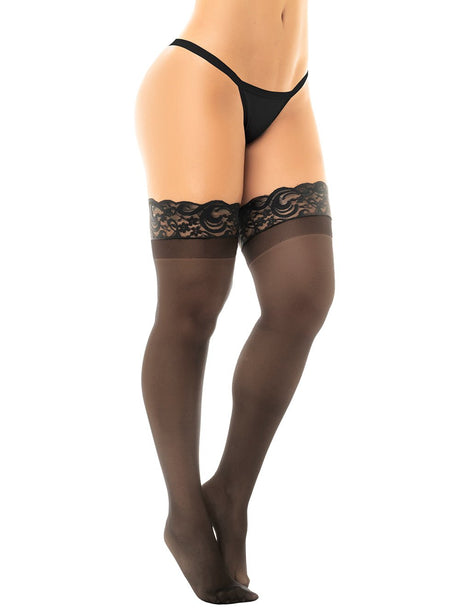
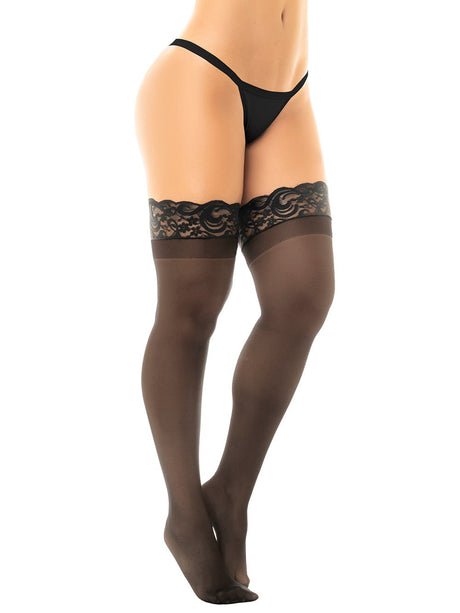
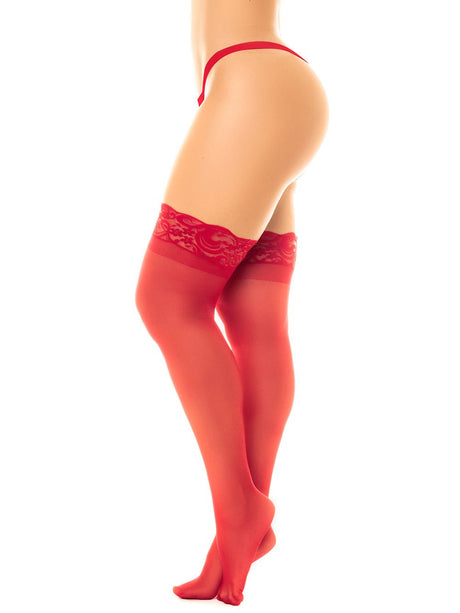
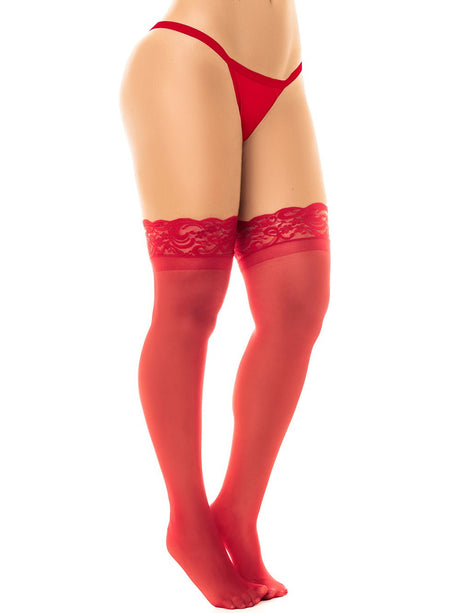
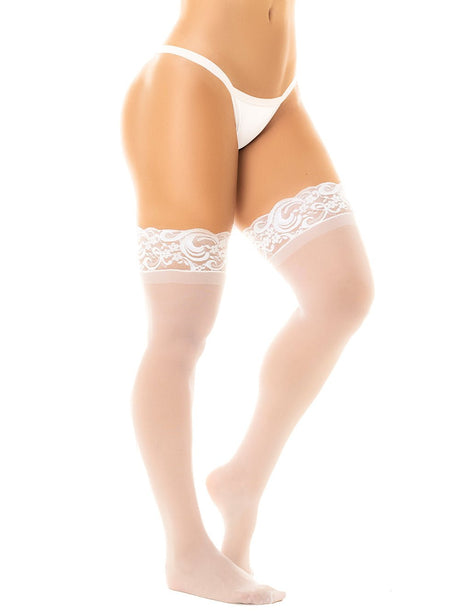
SeamlessStrapless BrasHosieryHow to Care for a Velvet Dress
Velvet lasts for years with gentle care. Most velvet damage comes from heat, pressure and water.

Friction and pressure flatten velvet into shiny patches, usually at the seat, elbows and underarms. Avoid rough chairs, heavy bags on the shoulder and sitting on the dress for long periods before photos. Light shine can often be revived with steam and brushing; heavy flattening is permanent.
Altering a Velvet Dress
Velvet can be altered, but it is one of the more difficult fabrics for a tailor.
The pile shifts as the layers are sewn, which can pucker seams, and pressing new seams without flattening the pile takes care and a needle board, a pressing surface covered in fine wire bristles that supports the pile while steam is applied. Hemming is usually straightforward on stretch velvet and more delicate on silk velvet, where a hand-sewn hem looks best. Taking in side seams is common and usually successful. Letting out is risky, because old seam lines can show as flattened marks in the pile. Choose a tailor who has worked with velvet before, and ask to see an example of their work if the dress is expensive.
Buying a Velvet Dress Online
Velvet is harder to judge through a screen than most fabrics, because photographs flatten the pile and light changes the color.
Start with the fiber content. It tells you whether the velvet is silk, viscose, polyester or stretch, and so how it will drape, feel and wash. Look for a mention of lining; an unlined velvet dress will grip tights and may need a slip. Zoom into the product photographs to check that the color looks even across the panels, and look for a close-up of the fabric, which shows pile density better than a full-length shot.
Color is the biggest risk. Velvet photographs lighter or darker depending on the lighting and the nap, so read reviews for comments on color and expect some difference from the screen. Check the return policy before ordering for an event, and try the dress on as soon as it arrives in daylight near a window.
Choosing a Fiber
The fiber changes how a velvet dress feels, washes and lasts, as well as what it costs.
Silk velvet is the most luxurious and delicate, best kept for evening dresses you will wear carefully. Viscose velvet, made from plant cellulose, offers beautiful drape and color and breathes better than polyester, but it can shrink and water-mark. Cotton velvet is sturdy and breathable, suited to daytime and structured dresses. Polyester and stretch velvet are durable, easy to wash and affordable, though they breathe less and can build up static. Some brands now offer velvet made with recycled polyester or responsibly sourced viscose; check the product description if that matters to you.
Budget and Cost per Wear
A good velvet dress can be worn many times a season and for many seasons if it is cared for.
The most useful velvet dress is a dark midi in a simple cut: black, navy, burgundy or emerald in a wrap, slip or A-line. It covers office parties, dinners, weddings and holiday events, and it restyles easily with different shoes, jewelry and layers. Worn to five or six events a winter for several years, even a mid-priced velvet dress costs little per wear. Save statement velvet, such as crushed velvet, devore or bright colors, for a second piece once the classic is in place. Spend more on fiber and construction for a dress you will wear often and close to the face in photographs, and less on party pieces that will be worn once or twice.
A Short History of the Velvet Dress
Velvet has been a luxury fabric for centuries, long before it became a party dress staple.
Velvet weaving flourished in Renaissance Italy, where cities such as Venice, Florence and Genoa produced elaborate silk velvets for nobility and the church. Making it was slow and costly, and wearing it was a sign of wealth and rank. For centuries velvet appeared in royal portraits, ceremonial robes and the grandest interiors.
Mechanized weaving in the nineteenth and twentieth centuries made velvet affordable, and synthetic fibers later brought stretch and easy care. The fabric kept its association with luxury and evening dressing: velvet evening gowns in the 1930s, velvet cocktail dresses at mid-century, crushed and panne velvet in the 1970s and a major revival of slip dresses and crushed velvet in the 1990s. Today velvet returns every fall and winter, most of all for the holiday season.
What has changed is who wears it and where. Velvet once signaled status and ceremony; today a stretch velvet mini, a viscose wrap dress and a silk velvet gown can all appear at the same party. The fabric has moved from the court to the office party, the dinner table and the dance floor, while keeping the sense of occasion that made it valuable in the first place. That combination of everyday wearability and lasting luxury is why velvet dresses sell every winter and why a good one stays in a wardrobe for years.
Common Velvet Mistakes
Most velvet problems come from care and styling rather than the dress itself.
Velvet Dress Checklist
- Type: silk, viscose, stretch, cotton, crushed or devore.
- Pile: dense enough that the base does not show when stretched.
- Nap: even color on every panel.
- Lining: smooth, so the dress hangs and does not grip.
- Cut: a clean silhouette that suits the occasion.
- Color: dark shades for ease, pale shades with careful care.
- Care: check the label and plan to steam, not iron.
- Underneath: slip, seamless layers or the right bra for the neckline.
Velvet does most of the work. Choose a dense pile and a clean cut, keep everything else simple and never let it near a hot iron.
HauteFlair Editors
What This Means for You
A velvet dress is made from a pile fabric whose short, dense fibers give it softness, depth of color and a shifting sheen. The fiber sets the look: silk velvet is fluid and elegant, viscose drapes well for less, stretch velvet is easy to wear, and cotton velvet holds structure.
Check the pile density and that the nap runs the same way on every panel. Choose a clean silhouette in a rich color, keep the styling simple and let the fabric lead, whether at a holiday party, a winter wedding or the office in December.
Underneath, a slip stops velvet gripping and riding up, and seamless layers keep stretch velvet smooth. Care for it with steam and a soft brush, and a good velvet dress will look as rich in five years as it does today.
Holidays, Cocktails and Weddings
The occasions velvet is made for.
Holiday PartyCocktail DressWedding GuestFrequently Asked Questions
What is a velvet dress?
What is velvet made of?
When can you wear a velvet dress?
Is velvet appropriate for a wedding?
Can you wear velvet to a holiday party?
What is the difference between velvet and velour?
What is crushed velvet?
What is stretch velvet?
How do you get wrinkles out of velvet?
Can you wash a velvet dress?
How do you fix crushed or shiny velvet?
What is nap in velvet?
What colors look best in velvet?
What shoes go with a velvet dress?
What do you wear under a velvet dress?
Can you wear velvet to the office?
Is velvet too hot for warm weather?
How do you store a velvet dress?
What is devore velvet?
What tights go with a velvet dress?
This guide covers velvet fabrics, styling and care and is for general information. Fiber blends and care requirements vary between makers; always follow the care label on the individual dress.