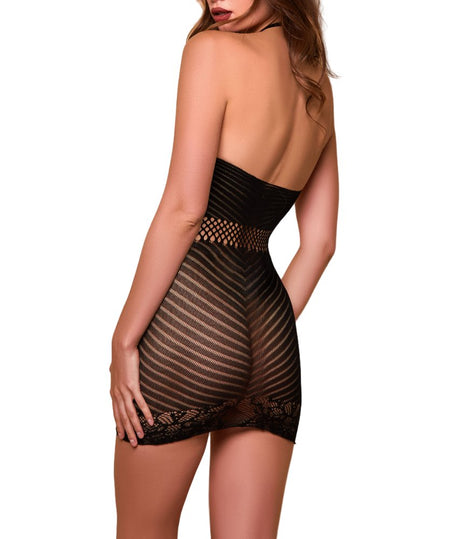
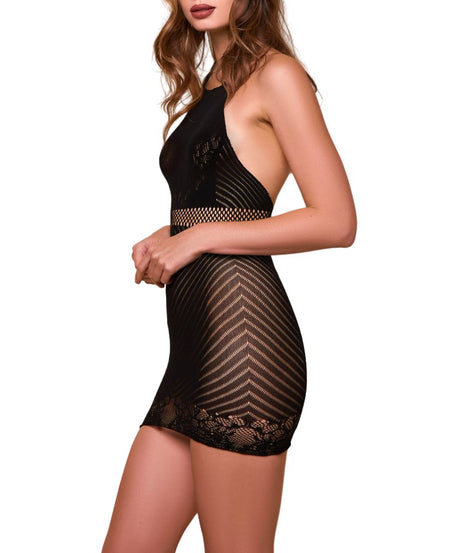
How do you hide panty lines?
Panty lines come from the edge of your underwear, not the underwear itself. Five things hide them: underwear with bonded, laser-cut or raw-cut edges instead of stitched elastic; the right coverage for the outfit; the right size, so nothing digs in; a color that matches your skin under light fabrics; and a smooth layer such as seamless shaper shorts under very fitted clothes.
The single biggest change is the edge. A bonded or raw-cut edge lies flat against the skin, so there is no ridge to show through fitted fabric. Thongs remove the back line entirely, but a seamless brief or boyshort works just as well if you prefer coverage.
Size matters more than most people expect: underwear that is too small digs in and creates a bulge above the edge, which shows even when the edge is seamless.
You put on the fitted skirt, turn around in the mirror and there it is: two curved lines across the back, or a ridge at the hip. Visible panty lines are one of the most common outfit problems, and one of the easiest to fix once you know what causes them.
Here are the five fixes that work, which underwear to choose for each outfit, and the mistakes that make lines worse.
- The edge causes the line. Stitched elastic makes a ridge; bonded or raw-cut edges do not.
- Thongs remove the back line; seamless briefs and boyshorts hide it.
- Size up if it digs. A bulge above the edge shows even through seamless underwear.
- Match your skin, not your clothes, under white and pale fabric.
- Add a smooth layer under bodycon and very thin fabrics.
Why Panty Lines Show
Lines appear wherever the underwear changes the surface under your clothes. That happens in two ways.
The first is the edge itself. Most everyday underwear has elastic sewn or folded into the leg openings and waistband. That makes a raised ridge, and fitted fabric drapes over it and shows it. The second is compression. If the elastic is tight, it presses into the skin and the skin bulges slightly above and below it. That creates a line even when the edge is flat.
So hiding panty lines means doing two things: removing the ridge, and removing the pressure. Everything else, from color to layering, is about the fabric over the top.
Five Ways to Hide Panty Lines
Use one or combine them. Most outfits need only the first two.
The order matters. Most people start by buying thongs, but if the size is wrong or the waistband is stitched elastic, a thong can still leave a line at the hip. Start with the edge and the size, then choose the coverage you are comfortable in. Our guide to women's underwear explains how rise and leg openings change the fit, and our thongs guide covers how to find a comfortable one.

The Best Underwear for Each Outfit
Different clothes show lines in different places. Match the underwear to the outfit.
| Outfit | Best underwear | Why |
|---|---|---|
| Leggings and yoga pants | Seamless thong or seamless brief | Thin stretch fabric shows every edge |
| Pencil skirts and fitted trousers | Seamless brief or boyshort | Smooth line across the seat |
| White or pale trousers | Skin-tone seamless | Color and edge both disappear |
| Bodycon and knit dresses | Seamless shaper shorts or slip | One smooth layer from waist to thigh |
| Satin and slip dresses | Seamless thong or slip short | Satin shows the smallest ridge |
| Jeans | Any comfortable style | Heavy denim rarely shows lines |
| Workout wear | Seamless, moisture-wicking brief | Smooth and stays put |
Leggings are the hardest test, because the fabric is thin and stretches tight over every edge. A seamless or raw-cut thong is the most reliable choice; a seamless brief works if it fits well. Satin and silk catch the light on the slightest ridge, so a smooth layer is often worth it. Our guide to slips and shapewear explains when to choose each. Heavier fabrics like denim, tweed and lined skirts rarely show anything, so wear what is comfortable.
Panty Lines on Curvier Figures
Fuller hips and thighs change where lines form and which styles stay put.
On curvier figures, the problem is often not the edge but the rise and the leg opening. A low-rise waistband sits on the widest, most sloping part of the hip, where it tends to roll and leave a line. A high-waisted seamless brief sits in the narrower waist, stays put and gives a single smooth line from the waist down. At the leg, an opening that has to stretch to clear the thigh presses in and shows. A seamless boyshort with a longer leg, or a slip short, moves that edge down to the thigh, where it is far less visible under skirts and dresses.
If your thighs rub, a light seamless short solves two problems at once. Our guide to plus size everyday underwear covers the waistbands that do not roll, and our plus size shapewear guide covers smoothing layers that stay in place without squeezing.
Our Picks for No Panty Lines
Elastic-free, bonded and laser-cut styles in thongs, cheekies, boyshorts and shorts.
For more choice, browse seamless underwear, the Commando collection, cheeky panties and boyshorts.

Mistakes That Make Panty Lines Worse
Some common fixes backfire. Watch for these.
Firm shapewear smooths everything, but it can create its own line at the leg or waist if it is too tight or too short. For panty lines alone, a light seamless layer is usually enough. Our guide to high and low compression shapewear explains the difference.
Keeping Seamless Underwear Smooth
Bonded and raw-cut edges need slightly different care to stay flat.
Seamless and bonded underwear lasts longest when washed cool in a mesh bag and dried flat or on a line. High heat in a dryer can weaken the bond along the edges and make microfiber pill. Raw-cut edges are designed not to fray, but they stay neater with gentle washing. Skip fabric softener, which coats microfiber and can make it cling.
Keep a small set of seamless underwear for the outfits that need it, and replace them when the edges start to curl or the fabric loses its stretch. For your everyday drawer, our guide to plus size everyday underwear covers the cuts that stay put, and our cotton underwear guide covers breathable options for days when lines do not matter.
What This Means for You
Panty lines come from stitched elastic edges and from underwear that presses into the skin. Choose bonded, laser-cut or raw-cut edges, pick the coverage that suits the outfit, make sure nothing digs in, match your skin tone under pale fabrics, and add a smooth layer under the thinnest, most fitted clothes.
Do not size down to get a smoother line, avoid lace edges under fitted clothes, and replace seamless underwear when the edges lose their shape.
Women's Underwear, Thongs and Slips
How to choose the right cut, fabric and layer for every outfit.
Women's UnderwearThongsSlips and ShapewearFrequently Asked Questions
What is the best way to hide panty lines?
Do seamless panties really hide lines?
Are thongs the only way to avoid panty lines?
What color underwear should I wear under white pants?
Why do I get panty lines even with seamless underwear?
How do I hide panty lines in leggings?
This guide is for general information about choosing underwear. Fabric and fit vary between brands, so check the size chart and product details for each item.