What are the best bras and underwear for sensitive skin?
For sensitive skin, look for soft, breathable fabric where it touches you, a cotton gusset in underwear, flat or covered elastics, no scratchy tags or trims against the skin and as little metal as possible. Cotton, and blends that are mostly cotton, are the usual first choice. A good fit matters as much as the fabric, because rubbing and pressure irritate skin too.
For bras, a wireless or soft-cup style with a wide, smooth band avoids the wire channel and keeps pressure even. For underwear, a cotton or cotton-lined brief or boyshort with soft, flat leg elastic is the gentlest everyday option.
Wash anything new before you wear it, use a fragrance-free detergent, and if a rash or itching keeps coming back, see a doctor or dermatologist.
If your underwear leaves red marks, itches by the afternoon or sets off a rash under the band, the cause is usually not one thing. It is a combination of fabric, the parts that touch you most, how tightly everything fits and what you wash it in.
Here is what to look for in bras and underwear when your skin is sensitive, the details that cause most of the trouble, how to care for them so they stay gentle, and our picks from the range.
- Fabric next to the skin matters most. Cotton and mostly-cotton blends are the safest start.
- The gusset is the part of underwear that touches you most. Make sure it is cotton.
- Elastics, tags and trims cause more irritation than the main fabric.
- Wireless bras with wide, smooth bands avoid the most common pressure points.
- Fit counts. Too tight rubs; too loose shifts and chafes.
- Wash before wearing and use a fragrance-free detergent.
What Irritates Sensitive Skin in Underwear
Most irritation comes from four sources: friction, trapped heat and moisture, pressure, and something in or on the fabric.
Knowing which one is the problem tells you what to change. Redness exactly along an edge points to friction or pressure. A rash across the whole area a garment covers points to the fabric, a dye or detergent. A reaction that appears only where a hook or slider touches you points to the metal.
The Best Fabrics for Sensitive Skin
The fabric that touches you matters more than the fabric on the outside. Read the label for the lining and the gusset as well as the body.
| Fabric | Good for sensitive skin? | Notes |
|---|---|---|
| Cotton | Yes, the usual first choice | Soft and breathable. Can hold moisture during exercise |
| Cotton with a little spandex | Yes | Keeps its shape; still mostly cotton against you |
| Pima and Supima cotton | Yes | Longer fibers, smoother and softer feel |
| Organic cotton | Yes | Grown without synthetic pesticides; feel depends on the knit |
| Silk | Often | Very smooth and low-friction; needs gentle care |
| Smooth microfiber | Sometimes | Soft and seamless, but less breathable |
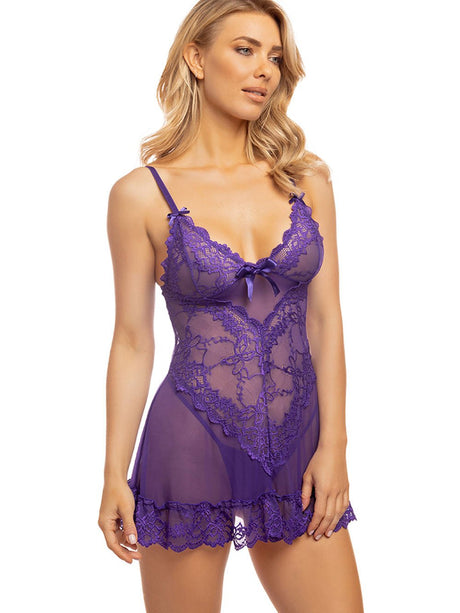
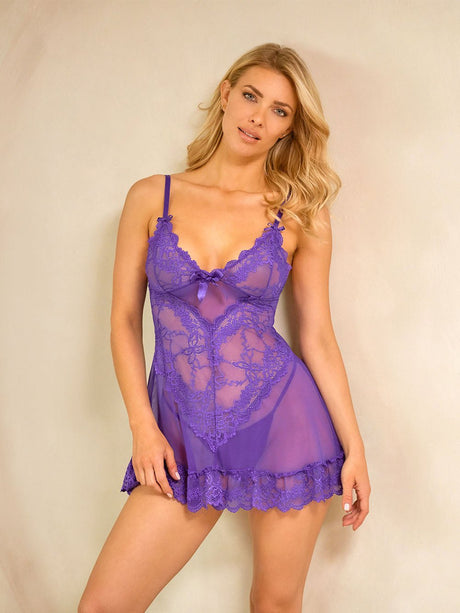
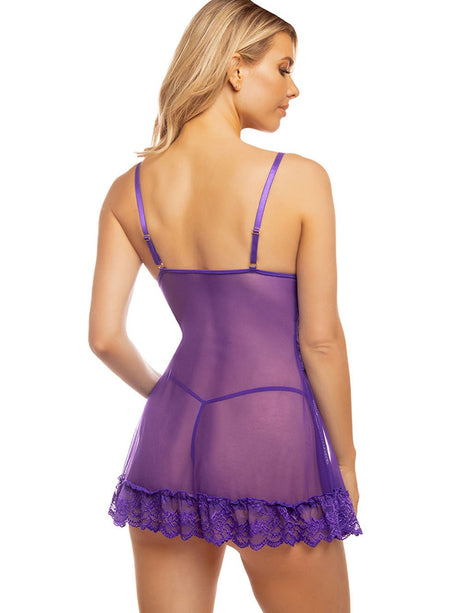
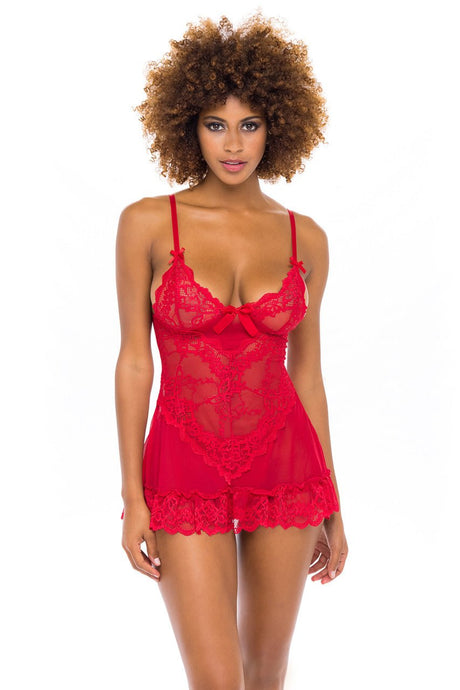
| Rough or stiff lace | Often not | Fine as an outer layer, not against the skin |
Cotton is the standard recommendation because it is soft, breathable and easy to wash hot if you need to. Most cotton underwear has a little spandex for stretch, which is fine, because the cotton is still what touches you. Our guide to cotton underwear explains how to read a cotton label and why the gusset is the part that matters most.
Silk is another good option for many people with sensitive skin, because it is very smooth and creates little friction. It needs hand-washing and costs more; our silk lingerie guide covers how to tell real silk from satin. Synthetic microfibers are soft and seamless, which helps with friction, but they breathe less, so they suit some people better than others. If you are not sure, start with cotton and change one thing at a time.
The Details That Cause Most of the Trouble
Two garments in the same fabric can feel completely different. These are the details to check.
Most modern elastic is made from spandex, also called elastane, rather than natural rubber. If you know you react to latex, check the fiber content on the label, and look for garments that list spandex or elastane rather than rubber.
Choosing a Bra for Sensitive Skin
The aim is even pressure, smooth edges and as few hard parts against the skin as possible.
Wireless bras remove the wire channel, which is one of the most common places for rubbing and pressure under the bust. A good wireless bra still needs a firm band to support you; our wireless bras guide explains how to choose one that holds. Wide, smooth bands spread pressure better than narrow ones. Pull-on bralettes have no hooks at all, and front-closure bras move the clasp to the front, where it sits on fabric rather than against your back; see our front-closure bra guide.
If you prefer underwire, make sure it fits. A wire that sits on breast tissue or pokes out of its channel causes much of the soreness people blame on their skin; our guide to underwire poking and digging covers why it happens. For heat and moisture under the bust, see our guide to bra chafing and underboob sweat.
| Bra style | Good for sensitive skin? | Why |
|---|---|---|
| Wireless soft cup | Yes | No wire channel, even pressure |
| Cotton bralette | Yes, for smaller cups | Soft, pull-on, no hooks |
| Front-closure | Often | No hooks against the back |
| Sleep bra | Yes, for nights | Light, soft, minimal hardware |
| Underwire, well fitted | Can be | Fine if the wire sits behind the breast |
| Scratchy lace bra | Often not | Edges rub, especially under the arm |

Choosing Underwear for Sensitive Skin
Coverage, cut and the gusset decide comfort more than style does.
Briefs, boyshorts and high-cut French briefs spread the leg elastic over a larger area and tend to move less than smaller cuts, so many people with sensitive skin find them the most comfortable everyday choice. Thongs are not off limits, but the back strap rubs in one place, so look for a soft cotton style if you wear them. Our guide to women's underwear styles compares the cuts, and our thongs guide covers how to choose a comfortable one.
Fit matters as much as the cut. Underwear that is too tight presses the elastic into the skin; underwear that is too loose bunches and rubs. If you are between sizes, the larger size is usually kinder to sensitive skin, as long as it does not slip. For fuller figures, our guide to plus size everyday underwear covers the cuts and waistbands that stay put.

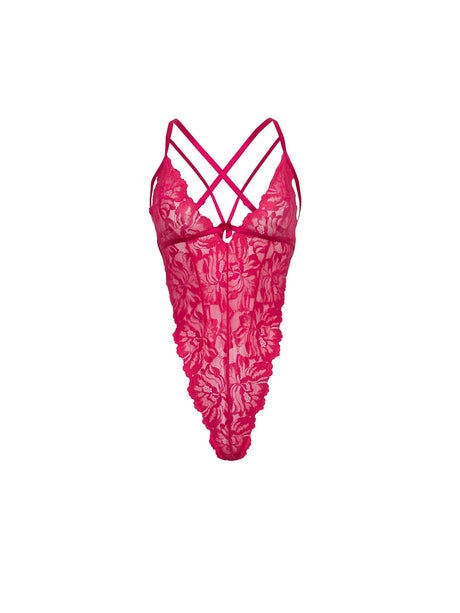
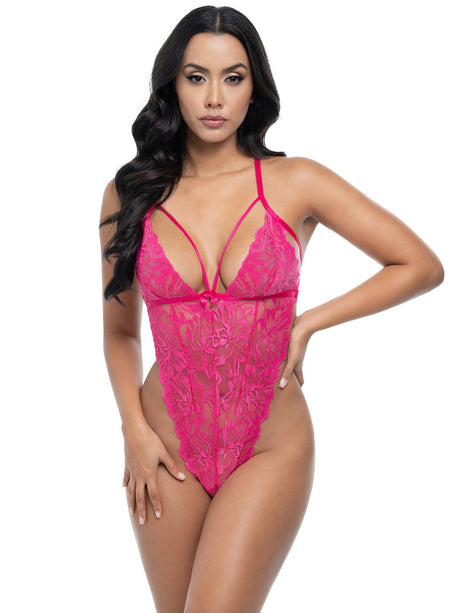
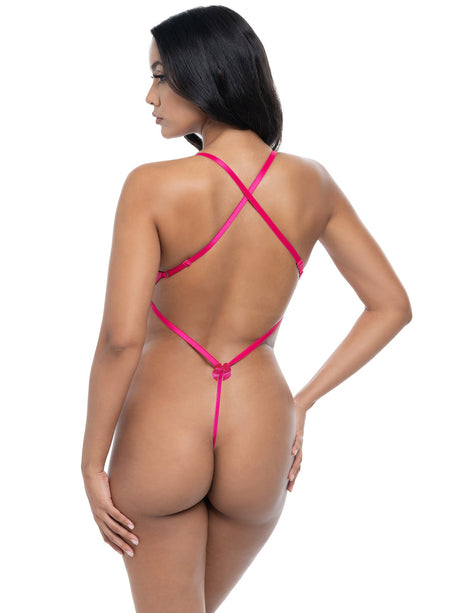
Our Picks for Sensitive Skin
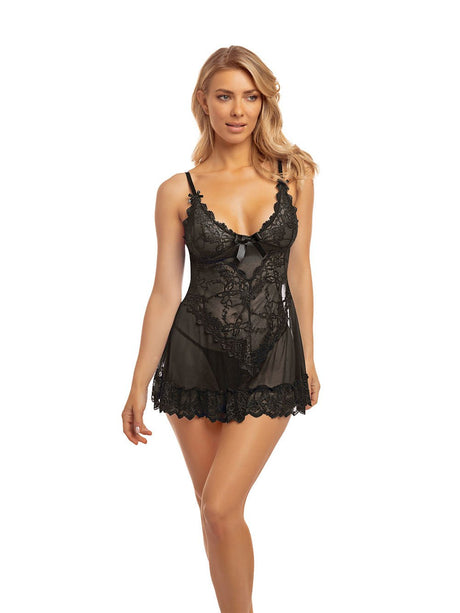
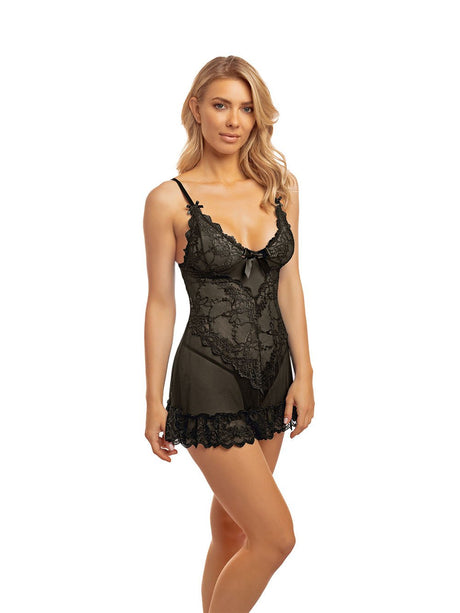
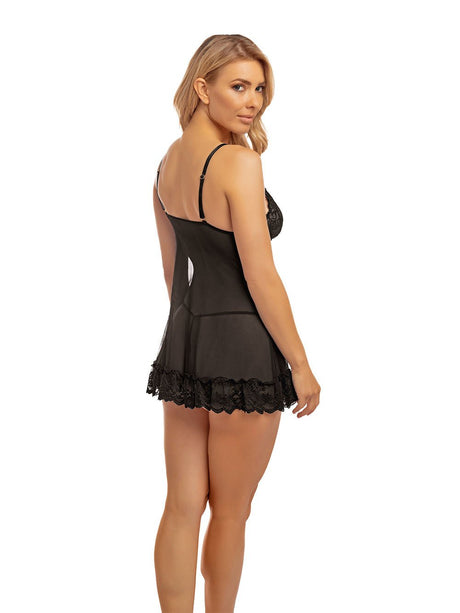
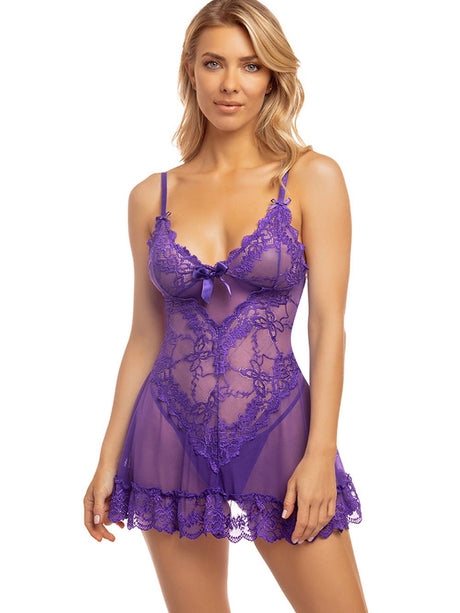
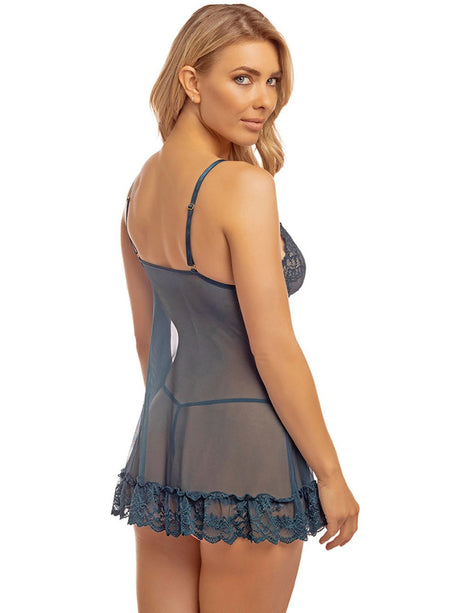
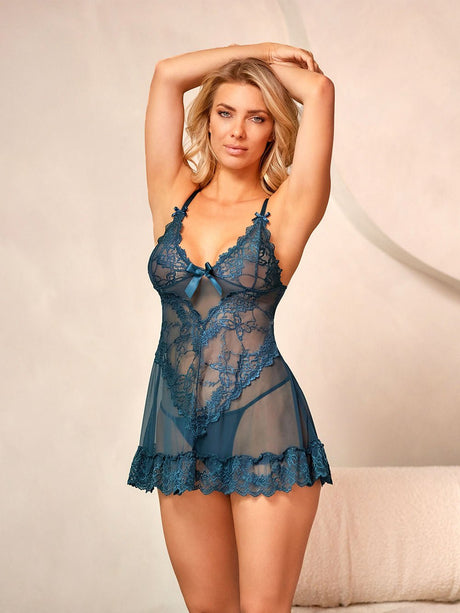
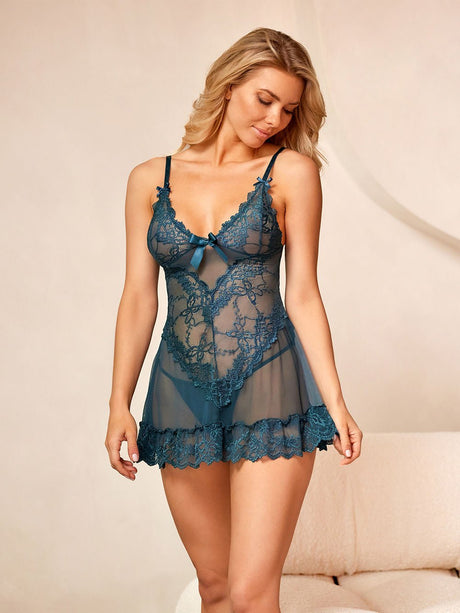
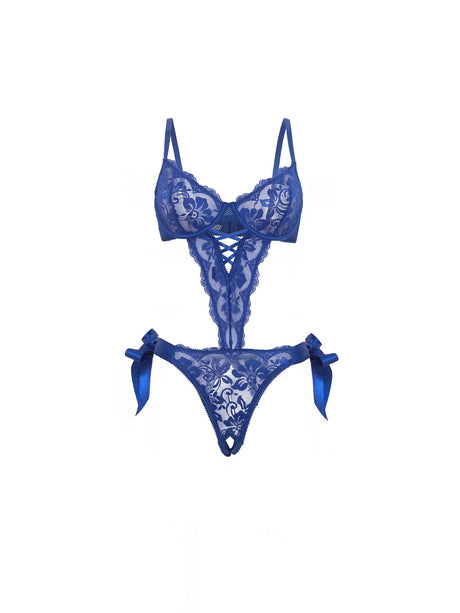
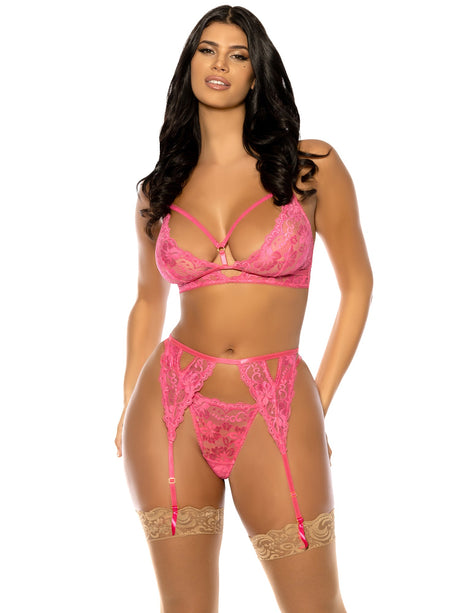
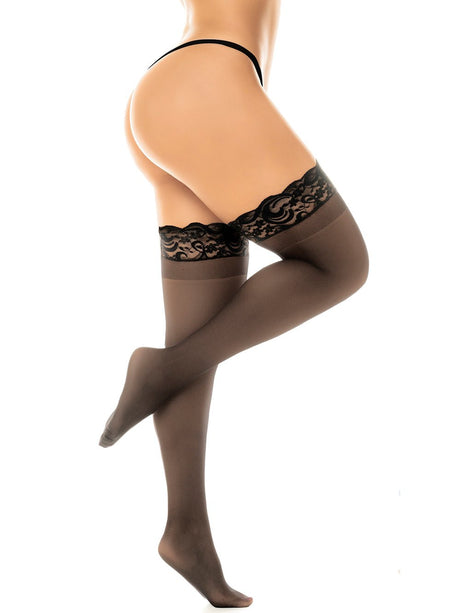
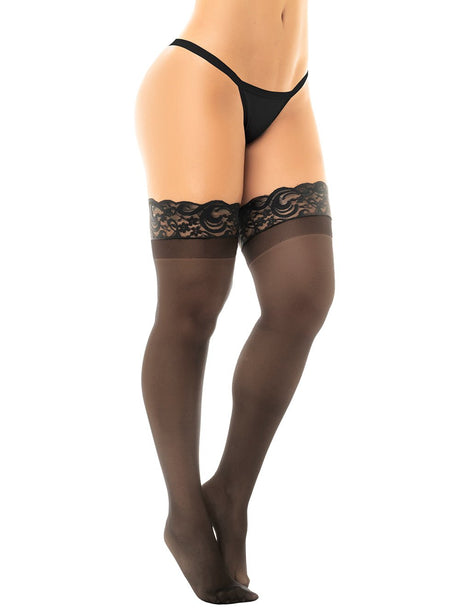
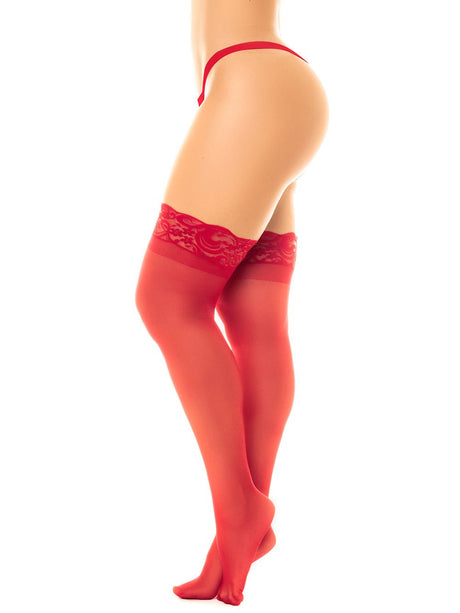
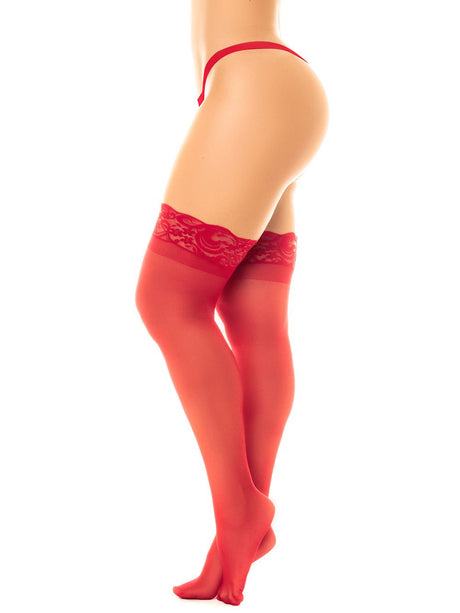
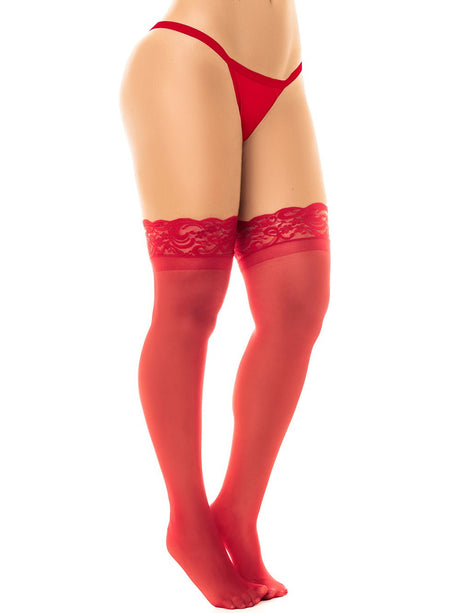
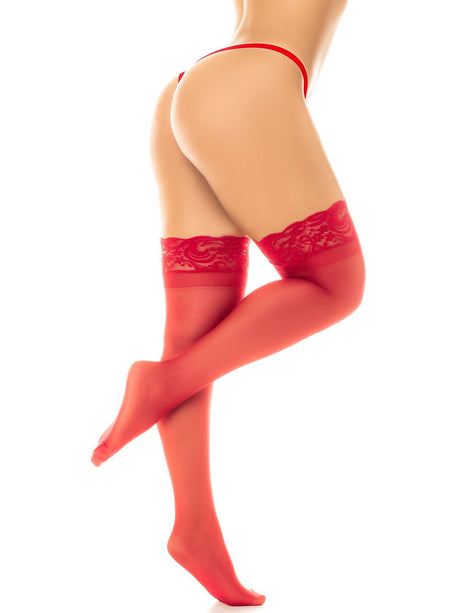
Cotton-first bras and underwear with soft trims. Check each product page for the full fiber content.
For more choice, browse cotton panties, cotton thongs, cotton bras, wireless bras, plus size wire-free bras and sleep bras.
Washing Underwear for Sensitive Skin
How you wash matters almost as much as what you buy. Detergent residue is a common, overlooked cause of itching.
Our guide to how to wash a bra covers hand-washing and machine settings, and our bra care guide explains how to make elastic last. Replace underwear when the elastic goes wavy or the gusset thins, because worn elastic and rough, pilled fabric rub more.
When to See a Doctor
Underwear choices help with everyday irritation. Some symptoms need a professional.
Changing fabric, fit and detergent fixes a lot of everyday irritation. But if you have a rash that does not settle within a few days of changing what you wear, itching that keeps coming back, broken or weeping skin, a rash that spreads, or any symptoms in the genital area such as unusual discharge, odor or pain, see a doctor or dermatologist. A doctor can check for skin conditions, infections and contact allergies, and patch testing can identify specific substances, such as particular dyes, rubber chemicals or metals, that you react to.
This guide covers choosing and caring for underwear. It cannot diagnose a skin condition or tell you what you are reacting to. If you are unsure, ask a doctor or pharmacist.
What This Means for You
For sensitive skin, start with cotton or a mostly-cotton blend next to the skin, a cotton gusset, covered or flat elastics, printed labels and as little metal as possible. Choose wireless or well-fitted bras with wide, smooth bands, and briefs or boyshorts that spread the elastic and stay put.
Wash everything new before you wear it, use a fragrance-free detergent without softener, and change one thing at a time so you can tell what helps. If irritation persists, see a doctor.
Cotton Underwear, Wireless Bras and Comfort
The guides that go deeper on fabric, fit and all-day comfort.
Cotton UnderwearWireless BrasComfortable BrasFrequently Asked Questions
What is the best underwear fabric for sensitive skin?
What kind of bra is best for sensitive skin?
Why does my underwear make me itch?
Should I wash new underwear before wearing it?
Can you be allergic to bra hooks?
Is silk good for sensitive skin?
This guide is for general information about choosing and caring for bras and underwear. It is not medical advice and cannot diagnose a skin condition or allergy. If you have a persistent rash, itching or any symptoms that concern you, see a doctor or dermatologist. Fiber content varies by product, so check the label and product page for each item.