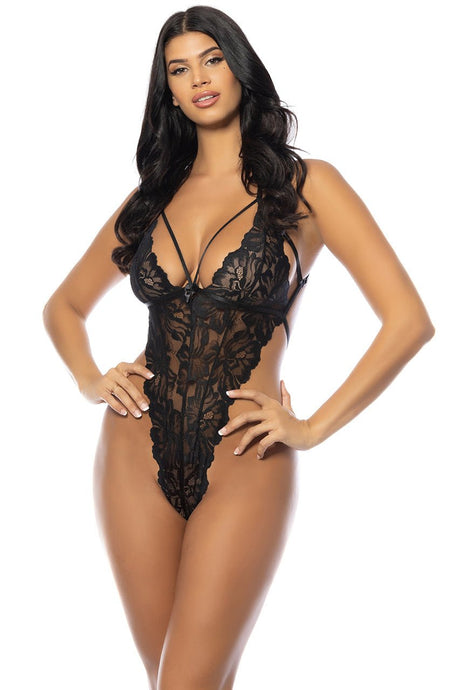
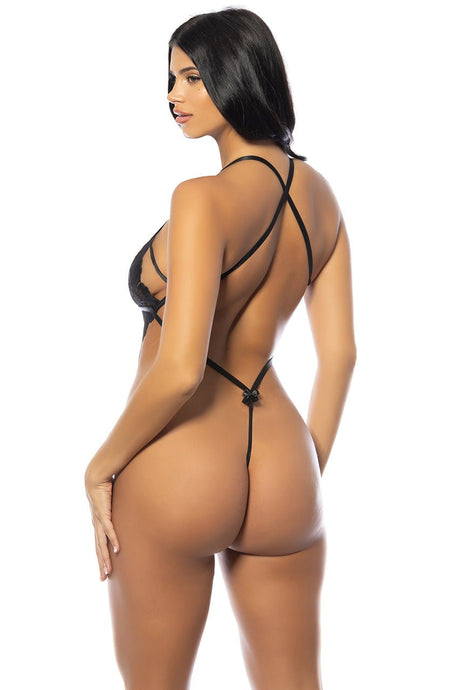
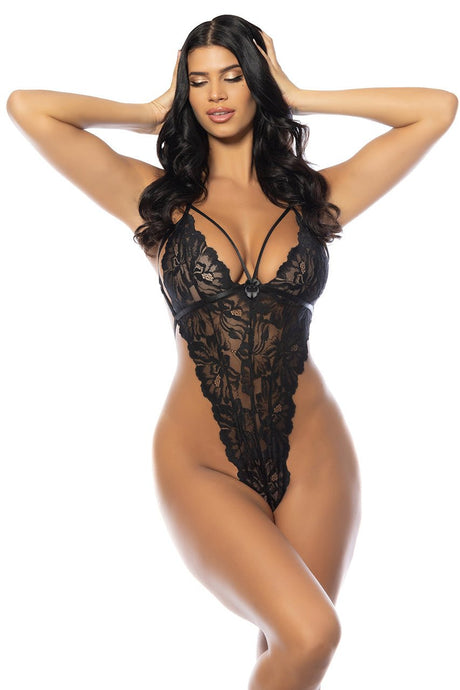
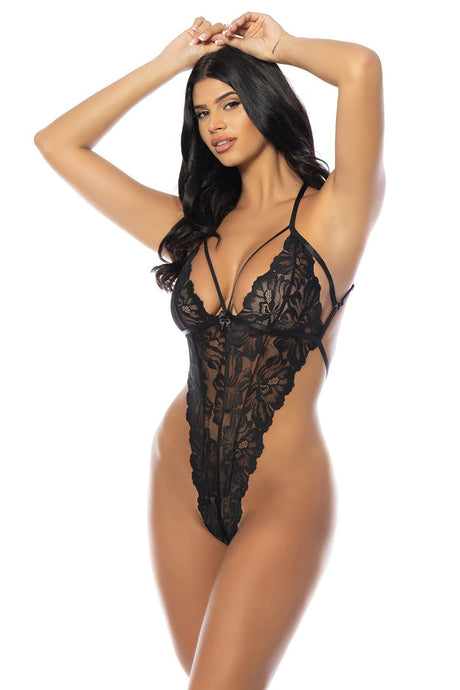
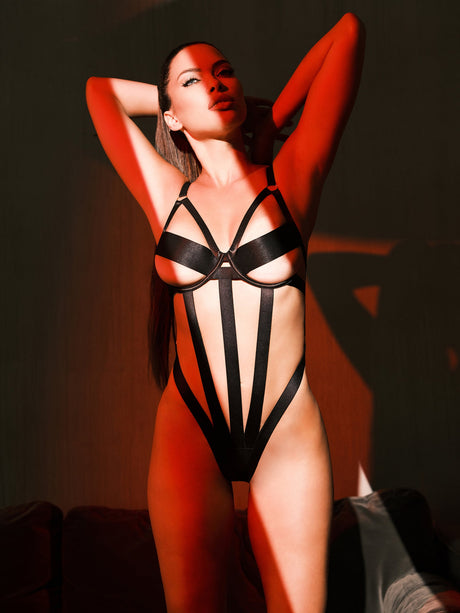
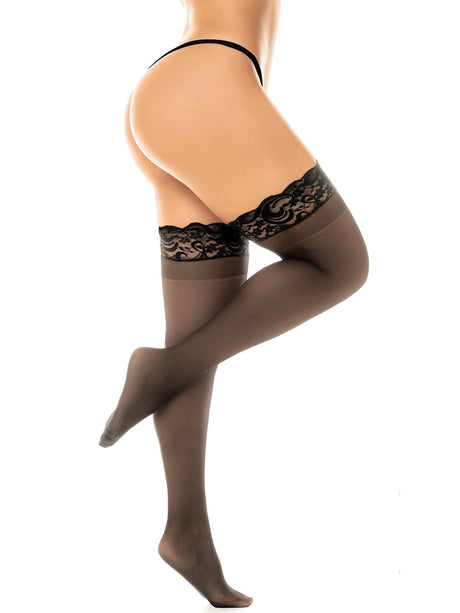
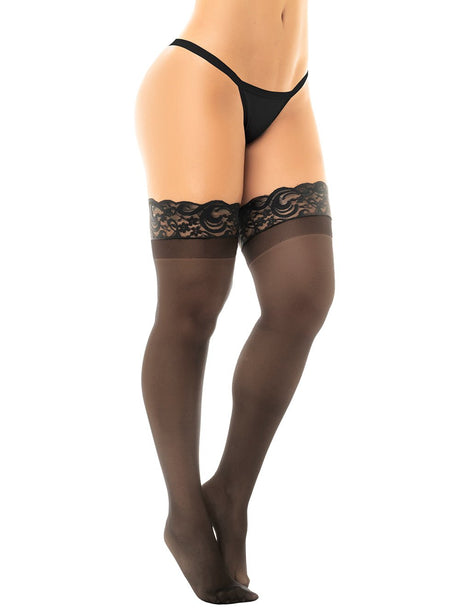
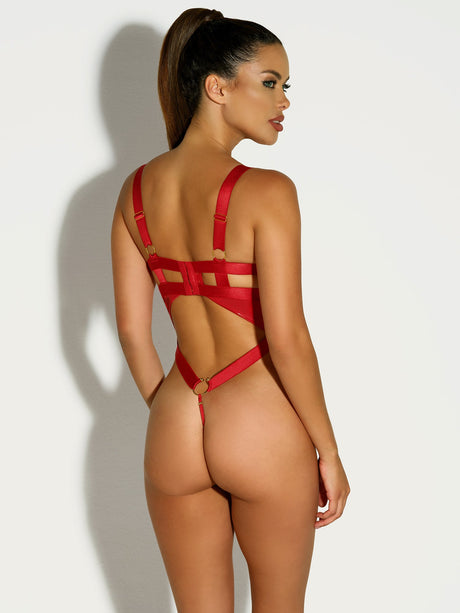
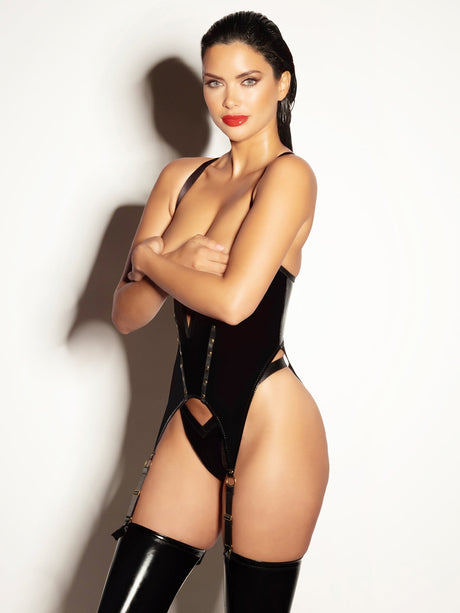
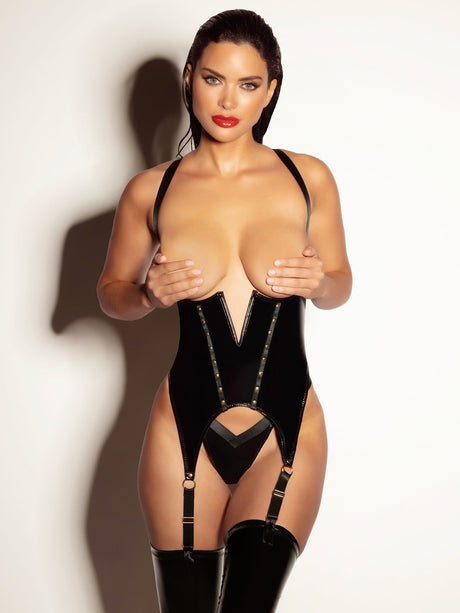
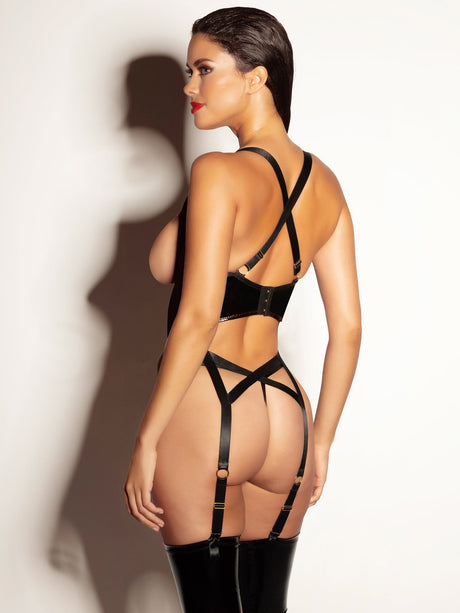
What is National Underwear Day?
National Underwear Day is an unofficial US observance held every year on August 5. It was started in 2003 by Freshpair, an online underwear retailer, as a promotional event in New York, and it has since become a yearly reminder to look at what is in your underwear drawer and replace what no longer works.
There is no official way to mark it. The most useful way is a quick drawer audit: retire the pairs that have lost their shape, notice which styles you actually reach for, and fill the gaps with underwear that fits your body and your clothes.
This guide covers where the day came from, the signs that underwear needs replacing, the main styles and fabrics, and how to build a drawer that works every day of the year.
Underwear is the first thing you put on and the last thing most people think about. Pairs stay in the drawer long after the elastic has gone, and the same two styles get bought again out of habit, whether or not they suit what you wear.
One day a year set aside for underwear is a good excuse to change that. Here is how to make it count.
- When: August 5, every year, in the US.
- Origin: started in 2003 by the online retailer Freshpair.
- Best use: a drawer audit and a refresh of worn-out pairs.
- Replace pairs with a stretched waistband, holes, thin fabric or a worn gusset.
- Refill with the styles and fabrics your outfits actually need.
Where National Underwear Day Came From
A retail promotion that turned into a yearly date.
Freshpair, an online underwear retailer, launched National Underwear Day on August 5, 2003. The first events were promotions in busy parts of Manhattan, including Times Square, using underwear models to draw attention. The company kept staging events in later years, and the date was picked up by calendars of national days, brands and retailers.
It is not a federal holiday or an official proclamation. Like many national days, it exists because people kept marking it. Today brands use it for launches and sales, and shoppers use it as a reminder to restock. Because it falls in early August, it also lines up neatly with back-to-school and end-of-summer shopping.
August 5 falls on a different day of the week each year, but the date stays the same. Set a yearly reminder for your drawer audit, the same way you might for changing a toothbrush or checking a smoke alarm.
The Drawer Audit
Ten minutes, four steps, and a much more useful drawer.
Start by taking everything out, including the pairs pushed to the back. Check each one against the signs below, and be honest about the ones you never wear: if a pair has sat unworn for months, there is usually a reason, such as a waistband that rolls, a seam that rubs or a fabric that shows under clothes. Sort into keep and replace, then look at what is left. The gaps tell you what to buy.

Signs It Is Time to Replace Underwear
Condition matters more than age.
There is no fixed lifespan for underwear, because it depends on the fabric, how often you wear a pair and how you wash it. A pair worn once a week in rotation will last far longer than one worn every other day. Go by the signs above rather than the calendar.
Most shelters and charities accept only new underwear, so donate unopened packs rather than worn pairs. Worn cotton pairs can go to a textile recycling program where one is available near you. For bras, our guide to what to do with old bras covers donation and recycling.
The Main Underwear Styles
A quick map of the shapes, from most to least coverage.
| Style | Rise | Coverage | Good for |
|---|---|---|---|
| High-waisted brief | At or above the navel | Full | High-rise pants, smoothing |
| Brief | Natural waist | Full | Everyday comfort |
| Boyshort | Hip to high | Full, with a short leg | Dresses, no rubbing |
| Hipster | Low, on the hips | Moderate | Low-rise jeans |
| Bikini | Low | Moderate | Everyday, lighter feel |
| Cheeky | Low to mid | Partial at the back | Fewer visible lines |
| Thong | Low to mid | Minimal at the back | Fitted clothes, no lines |
Rise and leg opening explain most fit problems. A waistband that rolls usually means the rise is wrong for your shape; a leg that rides up usually means the opening is the wrong cut. Our guides to types of panties and briefs and boyshorts go into the details, and our thong guide covers the minimal end.

Choosing Fabrics
The fabric decides how a pair feels and how it looks under clothes.
Whatever the main fabric, a cotton-lined gusset is a sensible choice for everyday wear. If your skin reacts easily, our guide to bras and underwear for sensitive skin covers fabrics and finishes to look for.
The Right Pair for Each Outfit
Underwear that suits your clothes is the underwear you will actually wear.
| Wearing | Try | Why |
|---|---|---|
| Leggings or bodycon | Seamless or thong | No visible lines |
| Low-rise jeans | Hipster or bikini | Sits below the waistband |
| High-rise pants | High-waisted brief | No band under the waist |
| Skirts and dresses | Boyshort | Helps prevent thigh rubbing |
| Sheer or light fabrics | Nude-toned seamless | Closest to your skin tone |
| Workouts | Moisture-wicking brief | Stays in place |
| Sleep | Loose cotton brief | Breathable and easy |
Visible panty lines are the most common complaint, and they usually come from a tight leg elastic rather than the style itself. Our guide to hiding panty lines has the fixes.
Building a Drawer That Works
Fewer pairs, chosen on purpose.
Aim for enough pairs to get through your laundry cycle comfortably, plus a few for workouts and special occasions. Then build around what you wear most. If most of your week is jeans and T-shirts, your core should be the cut that sits right under jeans. If you live in dresses, add boyshorts. If your wardrobe is fitted, seamless pairs earn their place.
Sizing varies between brands, so check each brand's chart rather than assuming your usual size carries over. If you are refreshing bras at the same time, Brasize.ai can help you find your bra size before you shop. For extended sizes, see our guide to plus-size everyday underwear.
Making Underwear Last
Gentle washing keeps elastic working longer.
Wash in cool or warm water rather than hot, and put lace and delicate pairs in a mesh laundry bag. Skip the dryer where you can: heat is hard on elastic, so air-drying keeps waistbands and leg openings springy for longer. Rotate pairs rather than wearing favorites constantly, and store them folded or rolled so they are easy to see. Our bra care guide covers delicate lingerie, and our guide to storing bras helps with the rest of the drawer.
Ways to Mark National Underwear Day
Small, practical ideas, not a shopping spree.
Curious about the details? Our explainer on the pocket in women's underwear answers one of the most common underwear questions.
Our Picks for a Drawer Refresh
Reliable pairs across the main styles.
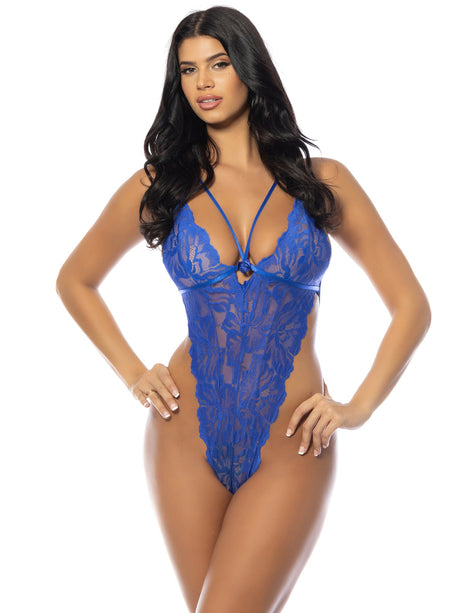
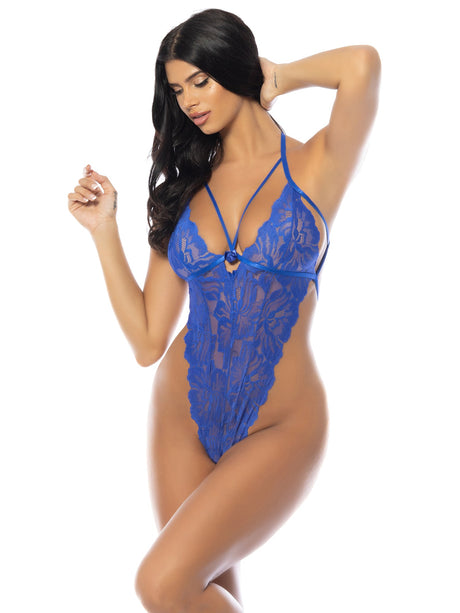
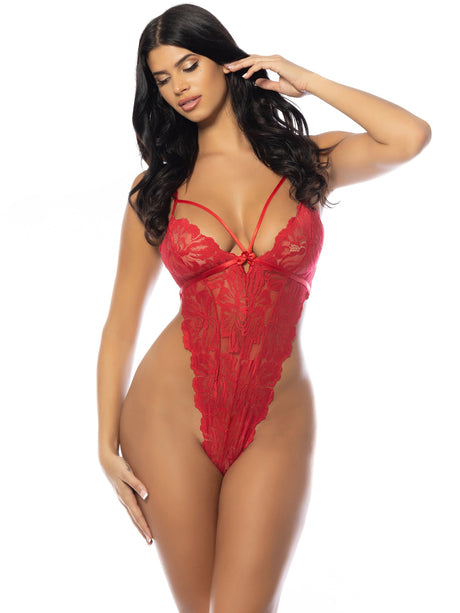
Browse all panties and underwear, or shop by style: briefs, hipsters, bikini panties, high-waisted underwear, thongs and lace panties.
What This Means for You
National Underwear Day falls on August 5 every year. It started as a retail promotion in 2003, and it works best as a yearly reminder to check your drawer.
Retire pairs with worn elastic, thin fabric or a poor fit, notice which styles you actually wear, and refill the gaps with the shapes and fabrics your clothes need. A smaller drawer of pairs you love beats a full drawer of pairs you avoid.
Styles, Fabrics and Fit
Find the pairs that suit you.
Types of PantiesCotton UnderwearHide Panty LinesFrequently Asked Questions
When is National Underwear Day?
Who started National Underwear Day?
How often should you replace your underwear?
Can you donate used underwear?
How do you celebrate National Underwear Day?
What underwear is best for everyday wear?
National Underwear Day is an unofficial observance. Sizing and fabrics vary between brands, so check each product's details before you buy.