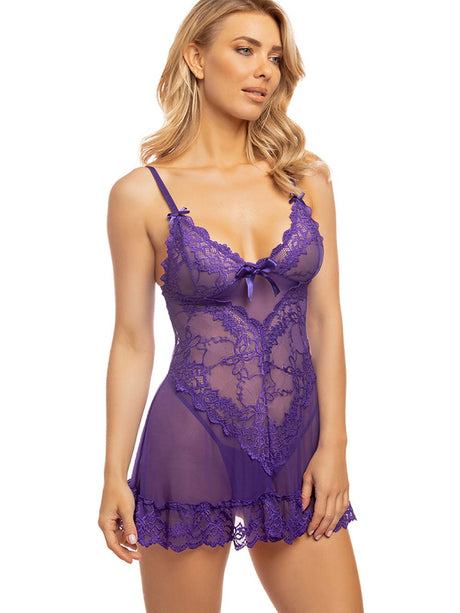
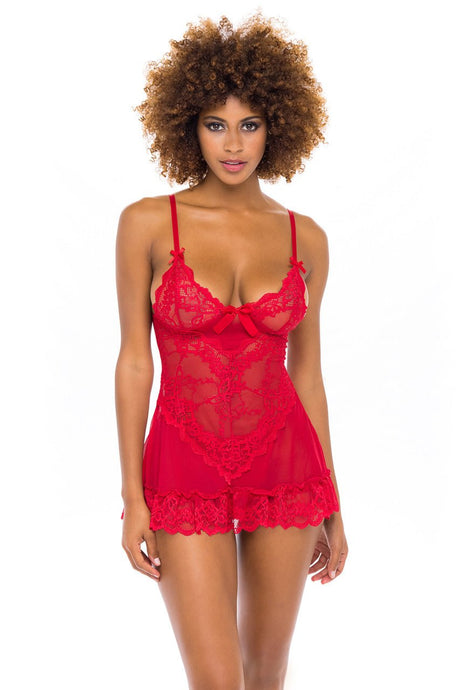
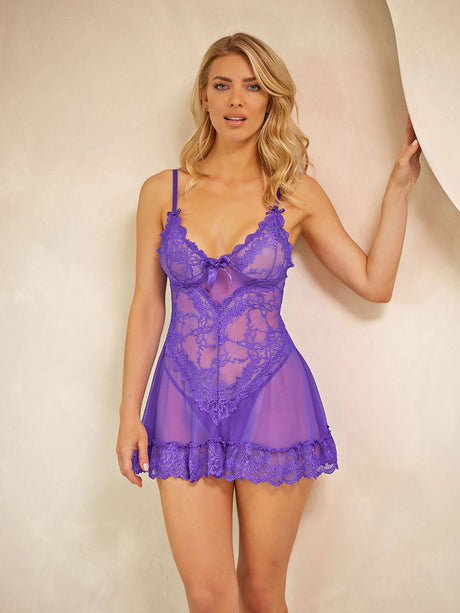
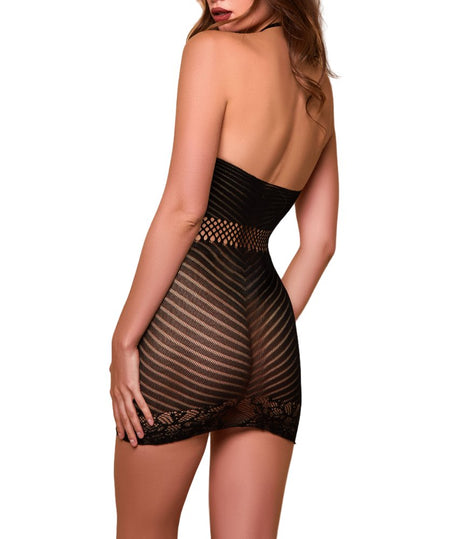
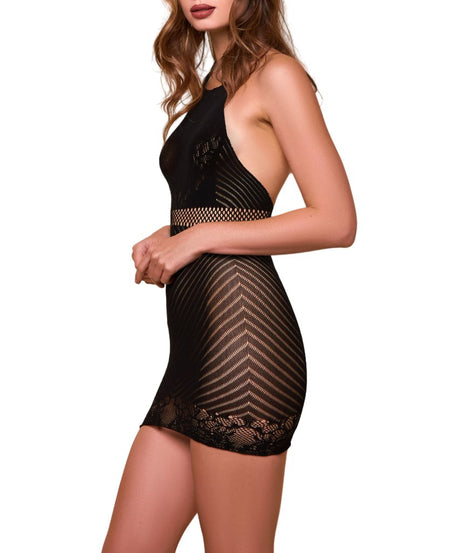
What is a beach dress?
A beach dress is a light, easy dress for the beach and warm-weather vacations, made in breathable or quick-drying fabric such as cotton gauze, linen, rayon or crochet. It goes over a swimsuit as a cover-up, or on its own for lunch, shopping and dinner.
The most useful beach dresses are loose, breathable and easy to pull on over wet swimwear: kaftans, smocked sundresses, gauze maxis, button-front midis and crochet cover-ups. A dressier maxi in linen or silky rayon takes you from sunset drinks to dinner.
What goes underneath changes with the time of day: a swimsuit at the beach, then a dry bra that suits the neckline, breathable underwear and light anti-chafe shorts for the evening.
A good beach dress earns its space in a suitcase several times over. It goes over a swimsuit for the walk to the sand, stays on for lunch at the beach bar, and with a change of underwear and shoes becomes a dinner dress. The right one is cool in the heat, dries fast, covers your shoulders when the sun is high, and does not need ironing.
This guide covers what a beach dress is, how it differs from a cover-up and a sundress, the best styles, fabrics and lengths, what to wear underneath from morning to night, shoes and accessories, beach weddings and cruises, and how to pack and care for beach dresses.
- A beach dress is light, breathable and easy to wear over a swimsuit.
- Cotton gauze, linen and rayon breathe; crochet and voile dry fast but are sheer.
- Maxis protect legs from the sun and go to dinner; minis are coolest.
- Swimsuit by day, dry bra and underwear by night under a fitted or pale dress.
- Flat sandals and espadrilles on sand; wedges for dinner.
- Rinse out salt and sunscreen and dry in the shade.
What Is a Beach Dress?
A dress made for sun, sand and travel.
A beach dress is defined by where and how it is worn rather than by one silhouette. It is light, breathable, easy to pull on and off, and comfortable in heat. Many go straight over a swimsuit; others are made to be worn on their own for lunch in town, a walk along the boardwalk or dinner at a beach restaurant.
That makes the category wide: kaftans, smocked sundresses, gauze maxis, linen shirt dresses, crochet cover-ups, slip dresses and tiered midis all count. What they share is a relaxed fit, a fabric that copes with heat and water, and an easygoing attitude. Our summer dresses guide covers warm-weather dresses more broadly, and our sundress guide covers the classic strappy cotton dress.
Beach Dress vs Cover-Up, Sundress and Resort Wear
Four overlapping terms.
| Term | What it is | Worn with |
|---|---|---|
| Cover-up | Loose or sheer piece made for over swimwear | A swimsuit, at or near the water |
| Beach dress | Light dress for beach days and beach towns | A swimsuit or underwear |
| Sundress | Strappy cotton or linen summer dress | Underwear, any warm day |
| Resort wear | Dressier vacation clothing | Underwear, for dinners and events |
In practice the lines blur. A crochet cover-up is not meant to be worn without a swimsuit, while a linen maxi can be a cover-up at noon and a dinner dress at night. Our guide to kaftans, sarongs and beach cover-ups covers the pieces made only for wearing over swimwear.
Beach Dress Styles
Thirteen styles for sun and sand.

If you are packing one beach dress, choose a loose cotton gauze or rayon maxi in a solid color or simple print. It goes over a swimsuit at the beach, works for lunch in town, and with sandals and earrings becomes a dinner dress.
Beach Dress Fabrics
Breathability, drying time and opacity.

Pale and light fabrics are often sheerer than they look indoors. Hold the dress up to a window before you buy, and plan a lining, a slip or a swimsuit underneath for white gauze, voile and crochet.
Beach Dress Lengths
Each length suits a different part of the day.
| Length | Pros | Watch for |
|---|---|---|
| Mini or tunic | Coolest; easy for walking on sand | Less sun protection for legs |
| Knee and midi | Easy to walk in; good for lunch and towns | Wind on tiered skirts |
| Maxi | Elegant; protects legs from sun; goes to dinner | Hems can drag on sand and get wet |
A maxi that ends at the ankle rather than the floor is easier on sand and stairs and stays out of wet patches. Our maxi dress guide and mini dress guide cover each length in detail, and our dress lengths guide compares them.
What to Wear Under a Beach Dress
It changes from morning to night.

At the beach: a swimsuit
Most beach dresses are worn over swimwear during the day. Choose a swimsuit that suits the dress neckline: a bandeau or strapless top under strapless and off-the-shoulder dresses, a halter bikini under a halter dress, and a one-piece under loose kaftans. Our guides to types of bikinis, the one-piece swimsuit and the tankini cover the options, and our guide to mixing bikini sizes helps if your top and bottom sizes differ.
After the beach: a dry bra and underwear
For lunch in town, drinks and dinner, a dry bra and underwear are more comfortable than a damp swimsuit and look smoother under fitted or pale dresses. Choose the bra by neckline:
| Neckline | Best option | Why |
|---|---|---|
| Strapless, smocked or off-the-shoulder | Strapless bra | Nothing shows at the shoulders |
| Halter | Convertible bra or halter bralette | Straps follow the neckline |
| Thin straps or slip | Bralette or adhesive bra | Light and barely there |
| Open back | Adhesive bra or boob tape | No band across the back |
| Loose kaftan or shirt dress | Wireless bra | Comfortable and breathable |
A strapless bra in humid heat needs a firm band and silicone grip, and adhesive bras hold best on dry skin without sunscreen or lotion. If you are unsure of your size, Brasize.ai can give you a starting point, and our strapless bra guide and guide to summer bra styles explain the options.
Underwear and anti-chafe shorts
Breathable cotton or micro-mesh seamless underwear is the most comfortable in heat. Under a white or pale dress, choose a shade close to your skin tone. Light anti-chafe shorts make long walks in a dress far more comfortable on hot, humid days. Our guides to cotton underwear and shapewear in hot weather cover the lightest choices.
Strapless Bras, Seamless Underwear and Anti-Chafe Shorts
The dry layers that make a beach dress a dinner dress.
Strapless BrasSeamless UnderwearShapewearFrom Beach to Dinner
One dress, a whole day.
Where to Wear a Beach Dress
From the sand to the restaurant.
Beach days
A kaftan, crochet cover-up or gauze dress over a swimsuit, with flat sandals, a hat and a big tote.
Beach bars and lunch
A cotton sundress, linen shirt dress or wrap dress over a swimsuit or with dry underwear, depending on how casual the spot is.
Walking around town
A midi or maxi with some coverage, comfortable sandals and a crossbody bag. Some towns expect shoulders covered in churches and shops away from the beach.
Resort and beach-town dinners
A linen, rayon or silky maxi with wedges or sandals, earrings and a light wrap. Our maxi dress guide has more dinner ideas.
Pool parties
A bright mini, tunic or crochet dress over a swimsuit, with slides and sunglasses.
Lake and river days
A cotton sundress or button-front midi that is easy on boats and docks, with grippy sandals.
Honeymoons and special trips
A few dressier maxis and slip dresses for dinners and photos, plus a white or pale dress if you want one for a sunset picture.
Shoes for a Beach Dress
Sand-friendly and comfortable.
Skip stilettos near sand, decking and boardwalks. They sink and catch. Rinse sand and salt off leather sandals and let them dry in the shade so they do not crack.
Accessories for a Beach Dress
Practical pieces that finish the look.
Colors and Prints
Bright, light and practical.
White, sand, turquoise, coral, cobalt and bright prints feel right at the beach. White and pale colors are cool but sheer when wet and show sunscreen marks; darker solids and busy prints hide both. Stripes, florals, tropical prints and tie-dye are beach classics, and a solid black or navy maxi works for dinner every night of a trip.
Bright colors look especially good against a tan and in beach photos. If you are packing a small set of dresses, choose colors that all work with the same sandals and bag.
How a Beach Dress Should Fit
Loose enough for heat, secure enough for wind.
Beach Dresses for Every Figure
Comfort first.
Packing Beach Dresses
Light, small and versatile.
Beach dresses are some of the easiest clothes to pack. Gauze, jersey and rayon roll small and arrive wearable; linen creases but looks relaxed doing it. For a week, three dresses usually cover it: a cover-up for the beach, an easy day dress, and a dressier maxi for dinners, all working with the same sandals, bag and wrap.
Pack the underwear and swimsuits that match each dress in the same bag, including a strapless bra and anti-chafe shorts for evenings. A small zip bag keeps wet swimwear away from clean dresses on the way home.
Caring for Beach Dresses
Salt, sand and sunscreen are hard on fabric.
Rinse out salt, sand and sunscreen as soon as you can. Salt weakens fibers and sunscreen can leave yellow marks on white and pale fabrics. Wash on a cool, gentle cycle, and dry in the shade, because strong sun fades bright colors.
Hand wash crochet and dry it flat so it keeps its shape. Rayon can shrink if washed hot, so keep it cool. Treat sunscreen marks with a little dish soap before washing. Our guide to caring for swimwear covers the swimsuits that go underneath.
Sun Protection and Beach Dresses
Covering up is part of the job.
A beach dress does some of the work of sunscreen, but not all of it. Tightly woven, darker and long-sleeved dresses block more of the sun than sheer, light and open-knit ones. Some resort and beachwear brands test their fabrics and label them with a UPF rating, which tells you how much UV the fabric lets through.
A long-sleeve linen shirt dress or a maxi kaftan is an easy way to cover shoulders and legs during the hottest part of the day. Keep applying sunscreen to anything the dress leaves bare, and let it dry before you dress, because some sunscreens mark light fabrics.
Beach Wedding Guest Dresses
Elegant, breezy and sand-friendly.
A beach wedding needs a dress that looks festive but copes with wind, sand and sun. Flowing chiffon, linen and rayon midis and maxis in bright or soft colors are ideal. Avoid white, ivory and anything that looks bridal, and skip very short or sheer styles unless the invitation is clearly casual.
Wear flat or wedge sandals that will not sink into sand, bring a wrap or light cardigan for the evening breeze, and choose a strapless or adhesive bra that stays put through dancing. Our wedding guest dress guide covers every wedding dress code.
Beach Dresses for Cruises
Day dresses, deck dresses and dinner dresses.
A cruise packs beach days, port days and dinners into one trip. A cover-up for the pool deck, a cotton or linen dress for port days and one or two dressier maxis for dinners cover most cruise schedules. Wrinkle-resistant rayon and jersey travel best in a small cabin.
Decks can be windy, so choose maxi and midi dresses with some weight, and bring a light layer for air-conditioned dining rooms. Check your cruise line's dress guidance for any formal or themed nights.
Plus-Size Beach Dresses
Comfort, breathability and support.
Every beach dress style comes in extended sizes. Kaftans, wrap dresses, smocked maxis and A-line midis are breathable, easy to move in and comfortable over a swimsuit. Look for adjustable straps and a little structure at the bust if you want to wear the dress without a swimsuit underneath.
Anti-chafe shorts make long, hot days far more comfortable, and a supportive swimsuit underneath means you can go from water to lunch without changing. Our guide to plus-size swimwear covers the swimsuits, and our guide to plus-size shapewear covers light anti-chafe options.
Beach Dresses During Pregnancy
Loose, cool and easy to wear.
Empire-waist maxis, kaftans and smocked dresses leave room for a bump and stay cool in heat. Choose breathable cotton and rayon, wide or adjustable straps, and a length that is easy to walk in on sand. A soft, supportive wireless bra or maternity swimsuit underneath keeps you comfortable all day, and a wide-brim hat adds shade.
Signs of a Well-Made Beach Dress
Details that matter in sun, salt and sand.
A beach dress is washed more often than most dresses because of salt, sand and sunscreen, so finished seams and colorfast fabric are worth checking before you buy.
Buying a Beach Dress Online
Check opacity, length and fabric.
Read the fabric content and whether the dress is lined, because product photos rarely show how sheer a light fabric is in sunlight. Check the length measurement, especially for maxis that may drag on sand, and look for reviews that mention sheerness, wrinkling and how the dress washes.
When it arrives, hold it up to a window to check opacity, try it over the swimsuit you plan to wear, and walk in it with your sandals before the trip.
Beach Dresses by Destination
Match the dress to the place.
| Destination | Best styles | Watch for |
|---|---|---|
| Tropical islands | Kaftans, gauze maxis, crochet | Strong sun and humidity |
| Mediterranean towns | Linen midis, shirt dresses, slip dresses | Covered shoulders for churches |
| Cooler coasts | Jersey maxis, long sleeves, a cardigan | Wind and cool evenings |
| Lakes and rivers | Cotton sundresses, button-front midis | Docks and boat decks |
| Resorts | Dressy maxis for dinner, cover-ups by day | Restaurant dress codes |
Some beach destinations have local customs about covering up away from the sand, especially near religious sites. A light wrap or long cardigan in your bag makes it easy to cover shoulders when you need to.
The Kaftan
The easiest beach dress there is.
A kaftan is a long, loose dress with wide sleeves and a simple straight or T-shaped cut. It slips on over a swimsuit in seconds, lets air move freely in heat, and covers shoulders and arms from the sun. In cotton or gauze it is a beach piece; in silky rayon or silk with sandals and earrings it becomes a dinner dress.
Kaftans suit almost every figure because they skim rather than cling. If the shape feels too loose, tie a belt or sash at the waist, or choose a kaftan with a drawstring. Our guide to kaftans, sarongs and beach cover-ups explains how kaftans differ from other cover-ups.
The White Beach Dress
Fresh and photogenic, with a little planning.
A white gauze or linen dress is a beach classic. It reflects the sun, looks crisp against a tan and photographs beautifully at sunset. It is also the dress most likely to turn sheer when wet or in strong light, and the first to show sunscreen and sand.
Choose a lined or double-layer white dress if you want to wear it without a swimsuit, and wear underwear in a shade close to your skin tone rather than white. Let sunscreen dry fully before dressing, and treat any marks with a little dish soap before they set.
Covered Beach Dresses
Coverage that stays cool.
Long sleeves and full length do not have to mean hot. A loose kaftan or maxi in cotton gauze or linen covers arms and legs while letting air move, and protects skin from the sun at the same time. Shirt dresses with roll-up sleeves and tiered maxis with a high neckline are other easy options.
For swimming, a swim dress or modest swimsuit gives coverage in the water too. Our guide to modest swimwear covers swimsuits with more coverage, and a long cover-up over the top keeps the outfit consistent from the water to the beach cafe.
Beach Dresses for Family Vacations
Practical, washable and easy to move in.
A family beach day means sitting on sand, carrying bags and chasing children into the water. Washable cotton and jersey dresses with pockets, in prints that hide sand and sunscreen, are the most practical. Choose a length that lets you crouch and climb without worrying, and a swimsuit underneath that stays put when you play in the waves.
Pack one extra dress for each day in case of spills, and keep a dry set of underwear in the beach bag so you can change before lunch or the drive home.
Beach Dresses for Honeymoons
A little more special.
For a honeymoon or anniversary trip, pack one or two dresses that feel a step above everyday beachwear: a silky slip maxi for dinner, a white or pale gauze dress for sunset photos, and a crochet cover-up that looks good in pictures. Plan the bra and underwear for each, including a strapless or adhesive bra for bare shoulders and backs.
Our guide to bridal lingerie covers the pieces many couples pack for a honeymoon, alongside the beach dresses.
Looking Good in Beach Photos
Light, wind and water all play a part.
Bright, saturated colors such as coral, turquoise, cobalt and red stand out against sand and sea. White and pale colors glow at golden hour but can wash out at midday. Flowing maxis and tiered skirts catch the breeze for movement in photos, while a heavier fabric stays put if you want a cleaner line.
Check that straps and the swimsuit underneath do not show at awkward angles, and remove sunglasses marks and wet patches before the photos that matter. A dress that is comfortable is also the one you will look most relaxed in.
Staying Cool in a Beach Dress
Small choices that make a big difference.
Loose cuts, natural fibers and light colors are the coolest combination. A dress that skims the body lets air move, while a fitted dress traps heat against the skin. Gauze, linen and rayon wick and breathe; polyester and heavy jersey hold heat.
Underneath, a breathable wireless bra or bralette and cotton or micro-mesh underwear are more comfortable than molded foam. Light anti-chafe shorts stop thighs from rubbing on long, hot walks. Our guide to hiding your bra under summer outfits covers more warm-weather fixes.
Wearing Beach Dresses at Home
Vacation clothes that work all summer.
A good beach dress does not have to stay in the suitcase. Linen shirt dresses, gauze maxis and cotton sundresses work for summer weekends, picnics, farmers markets and backyard dinners at home. Add a denim jacket or cardigan for cooler evenings, and swap flat sandals for sneakers in town. Choosing beach dresses that also suit your everyday life gives them far more wear than a single trip.
A Three-Dress Beach Capsule
Pack less, wear more.
For most beach trips of a week or so, three dresses are enough. A cover-up such as a kaftan or crochet dress for beach and pool days, an easy day dress such as a cotton sundress or linen shirt dress for lunches and towns, and a dressier maxi in linen or silky rayon for dinners. Choose colors that all work with one pair of flat sandals, one pair of wedges, a straw bag and a light wrap.
Add the swimsuits you love, a strapless bra, a bralette, breathable underwear and anti-chafe shorts, and the whole trip fits in a carry-on.
Beach Dresses in Wind
Keep the hem where it belongs.
Coastal wind is the main reason a beach dress misbehaves. Light chiffon and voile lift easily, tiered and circle skirts catch every gust, and wrap dresses can open. On a windy day, choose a dress with more weight, such as jersey, linen or a lined cotton, or a straighter maxi that hangs close to the legs.
Anti-chafe or smoothing shorts under a short or flared dress take away any worry about what a gust might reveal. A small safety pin or a strip of fashion tape inside a wrap dress keeps it closed, and a hat with a chin cord stays on your head when the wind picks up.
Dressing Up a Beach Dress for the Evening
Small changes, a new outfit.
The same dress can look completely different after sunset. Change from a swimsuit into a dry strapless bra or bralette and seamless underwear, swap flat sandals for wedges or block heels, and add earrings, a bracelet and a small clutch. Smooth or braid sea-salty hair, and add a light wrap or denim jacket for the breeze.
Darker and silkier dresses look dressier after dark: a black or jewel-tone rayon maxi, a satin slip dress or a linen dress in a deep color reads as a dinner outfit with very little effort. Keep a lint roller in your bag to lift sand from dark fabrics.
Matching Swimsuits to Beach Dresses
Plan the two together.
Because a beach dress spends much of its day over a swimsuit, it helps to choose them together. Under sheer and crochet dresses, the swimsuit shows, so choose one in a color that works with the dress or a neutral such as black, white or a skin tone. Under smocked and strapless dresses, a bandeau or strapless top avoids straps showing. Under halter dresses, a halter bikini keeps the lines clean.
If your bikini top gapes or slips under a dress, our guide to fixing a gaping or slipping bikini top explains the fixes, and a better-fitting swimsuit makes every beach dress look better on top.
Spending on Beach Dresses
Where quality matters most.
Beach dresses face sun, salt, sand and frequent washing, so fabric quality shows quickly. It is worth spending a little more on the dress you will wear most, usually the dinner maxi or the everyday day dress, and less on cover-ups that spend most of their time over a swimsuit. Natural fibers such as linen and good cotton gauze soften and improve with washing, while thin synthetic fabrics can pill and fade within a season. Check seams, straps and hems before buying, because those are the first places a cheap beach dress fails.
Pool and Resort Days
A different rhythm from the open beach.
Pool days involve more sitting, more walking between loungers, bars and rooms, and often a resort dress code at the restaurant. A short cover-up, tunic or slip dress over a swimsuit suits the pool deck, while many resort restaurants ask guests to change out of swimwear for lunch or dinner.
Keep a light day dress and a dry set of underwear in your pool bag so you can change quickly without going back to your room. Slides or flat sandals with grip are safest on wet tiles, and a wide-brim hat or a kaftan with sleeves helps on days with little shade.
Traveling to the Beach in Your Dress
Start the trip in vacation clothes.
A jersey or rayon maxi is one of the most comfortable things to wear on a long flight or drive to the coast. It is soft, does not crease badly and goes straight to the beach on arrival. Add a cardigan or denim jacket for cold planes and cars, and comfortable sneakers or flat sandals.
Pack a swimsuit and a hat in your carry-on, so you can head to the water even if checked bags arrive late, and keep the dinner dress folded in tissue near the top of the suitcase so it can hang the moment you arrive.
Beach Dresses at Any Age
Comfort and confidence come first.
There is no wrong age for any beach dress. What changes is usually a preference for more or less coverage, sun protection and support. Kaftans, linen shirt dresses and maxis with sleeves are popular for coverage and shade, while slip dresses and minis suit anyone who likes them. Choose the dress that lets you enjoy the day without thinking about it.
If you prefer more support, look for dresses with built-in shelf bras or shirring at the bust, wider straps that cover a bra strap, and a length that suits how you like to move. A light wrap or linen shirt over the top adds shade for shoulders on long days, and sturdy sandals with a back strap make sand, steps and boardwalks easier. Comfort, sun protection and a dress you can forget you are wearing are what make a beach day good at any age.
Dealing With Sand, Salt and Sunscreen
Keep the dress looking new.
Sand works its way into every seam and pocket, so shake the dress out well before packing it away. Smooth, tightly woven fabrics release sand far more easily than crochet, terry and open knits. Salt water stiffens natural fibers and can leave white marks on dark colors, so a quick rinse in fresh water at the end of the day keeps the fabric soft and the color even. Turn dark dresses inside out to dry so the sun does not fade the outside.
Sunscreen is the hardest of the three. Some formulas leave yellow or orange marks on white and pale fabrics, especially after the dress is washed in hard water. Apply sunscreen well before you dress, let it dry, and wash marks with a little dish soap and cool water as soon as you see them. Avoid bleach, which can react with sunscreen and set the stain.
Common Beach Dress Mistakes
Most come down to fabric and timing.
Beach Dress Checklist
Run through these before you pack.
- Fabric: breathable, and opaque enough for daylight?
- Fit: pulls on easily over your swimsuit?
- Length: clear of the sand?
- Underneath: swimsuit by day, dry bra and underwear by night?
- Shoes: sand-friendly flats and dinner wedges?
- Layer: a wrap for the evening and covered shoulders in town?
What This Means for You
A beach dress is a light, breathable dress that goes over a swimsuit by day and stands on its own at night. Choose fabric for the climate, length for how you will spend the day, and colors that work with the same sandals and bag.
Then plan what goes underneath: a swimsuit that suits the neckline at the beach, and a dry bra, breathable underwear and anti-chafe shorts for the evening. With two or three well-chosen beach dresses, you can go from sand to dinner every day of a trip.
For more warm-weather dresses, see our guides to summer dresses, the sundress and the maxi dress.
Summer Dresses, Sundresses and Maxi Dresses
More dresses for warm days.
Summer DressesSundressMaxi DressFrequently Asked Questions
What is a beach dress?
What is the difference between a beach dress and a cover-up?
What fabric is best for a beach dress?
What do you wear under a beach dress?
Can you wear a beach dress over a wet swimsuit?
What should I wear to a beach wedding?
What shoes go with a beach dress?
How do I stop a white beach dress from being see-through?
What length beach dress is best?
Can you wear a beach dress to dinner?
How many beach dresses should I pack?
Are beach dresses good for plus sizes?
How do I keep sand out of my beach dress?
Can a sundress be a beach dress?
What colors are best for beach dresses?
How do I wash a beach dress?
Do beach dresses protect from the sun?
What is a kaftan beach dress?
Can you wear a bikini under a beach dress at dinner?
What accessories go with a beach dress?
This guide covers beach dress styles, fabrics and styling and is for general information. Fabrics, sizing and sun protection vary between makers, so check product details and care labels for any individual dress, and use sunscreen on exposed skin.