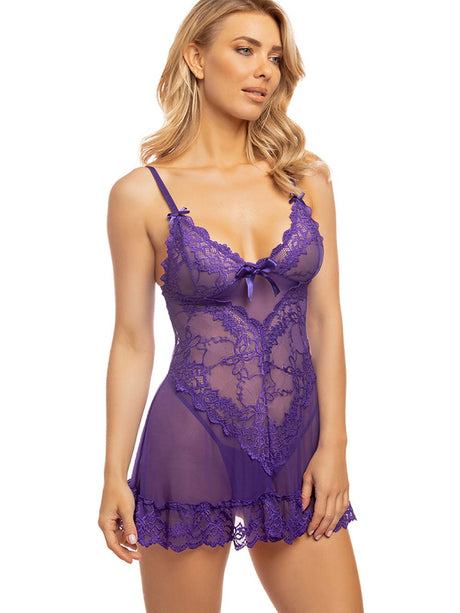
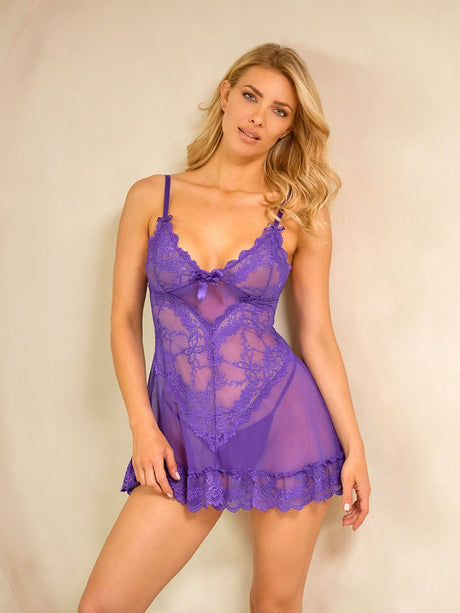
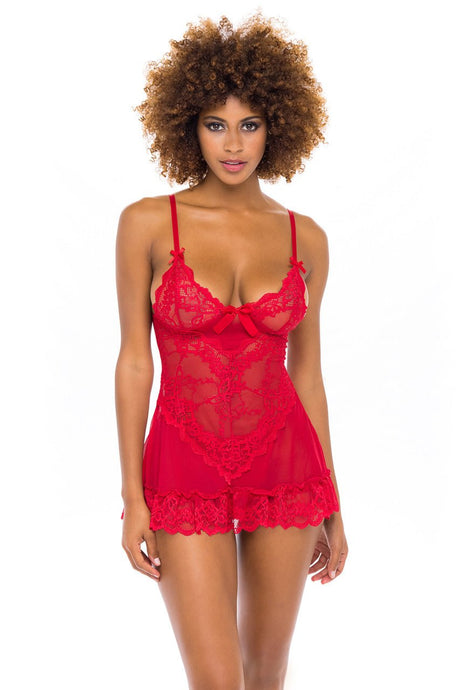
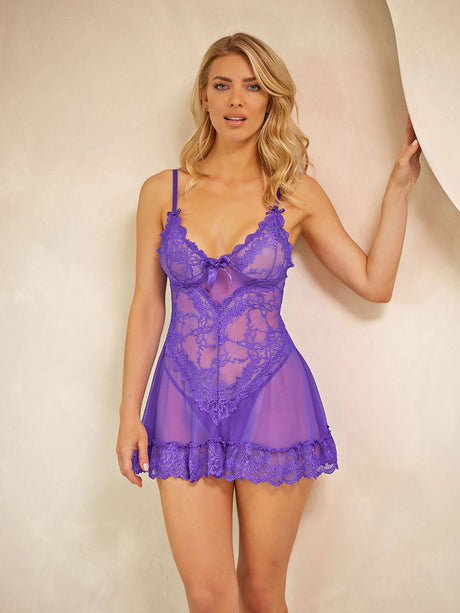
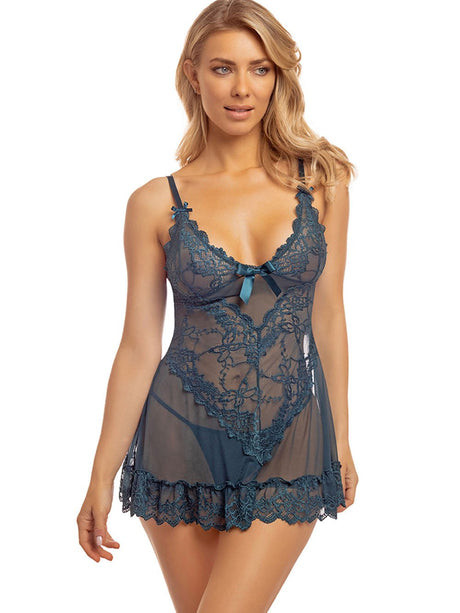
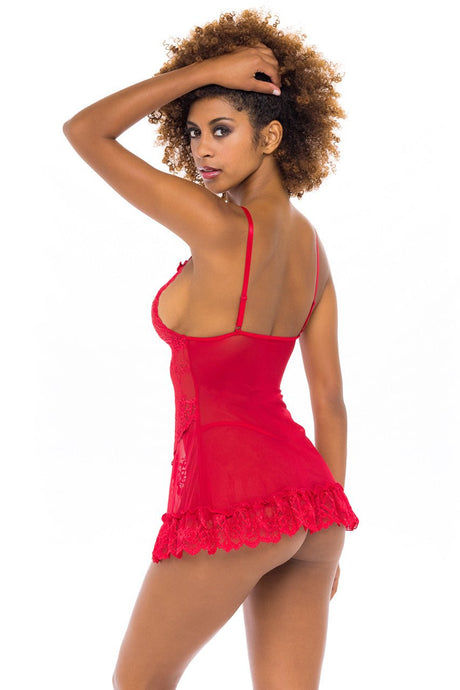
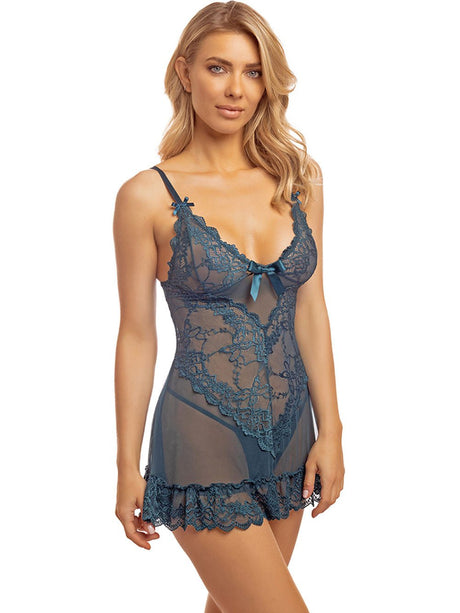
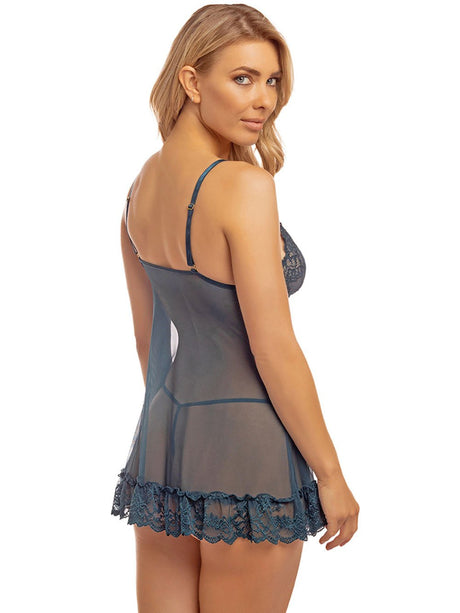
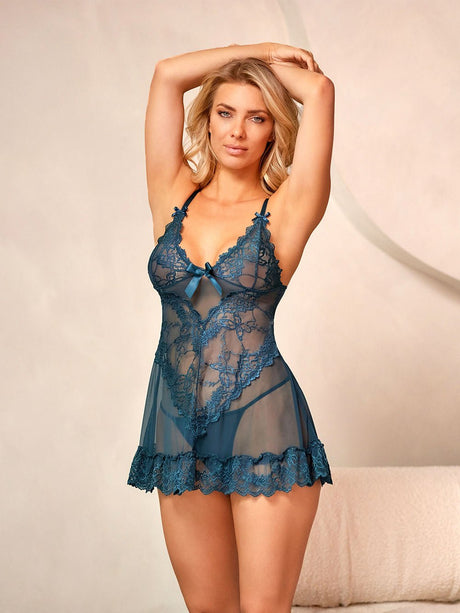
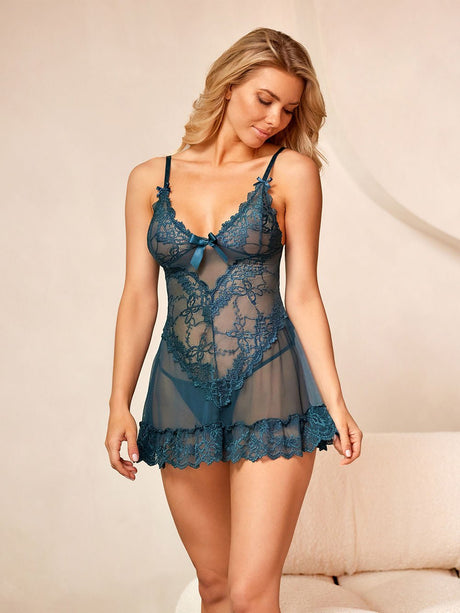
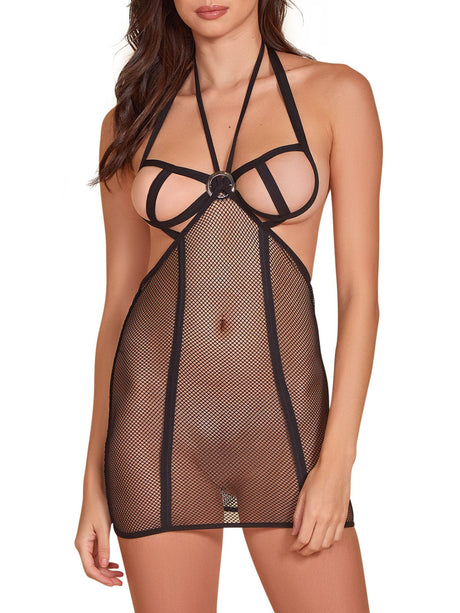
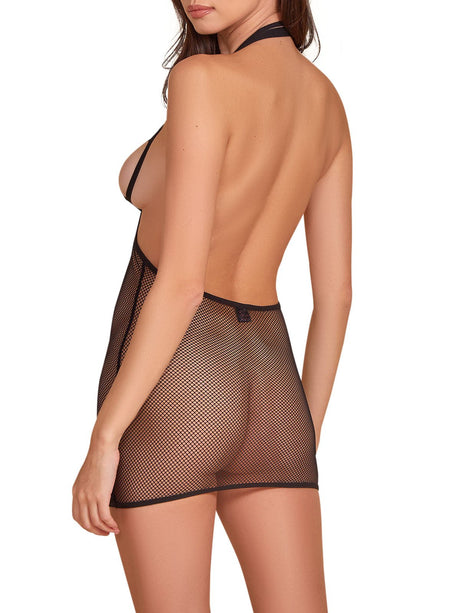
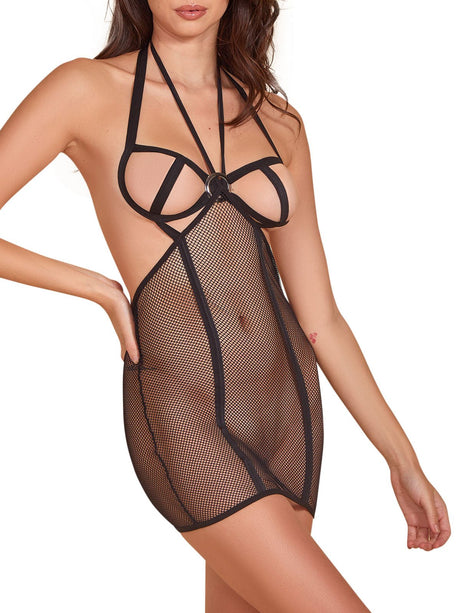
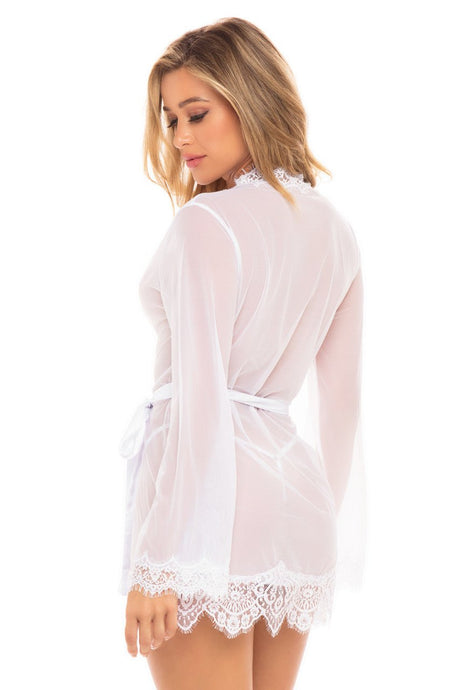
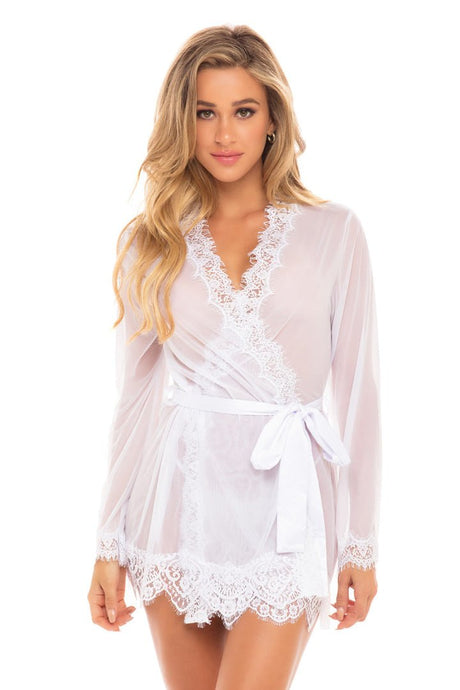
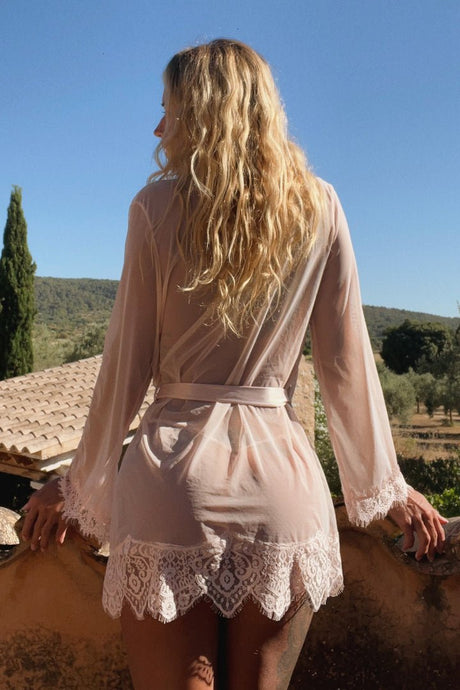
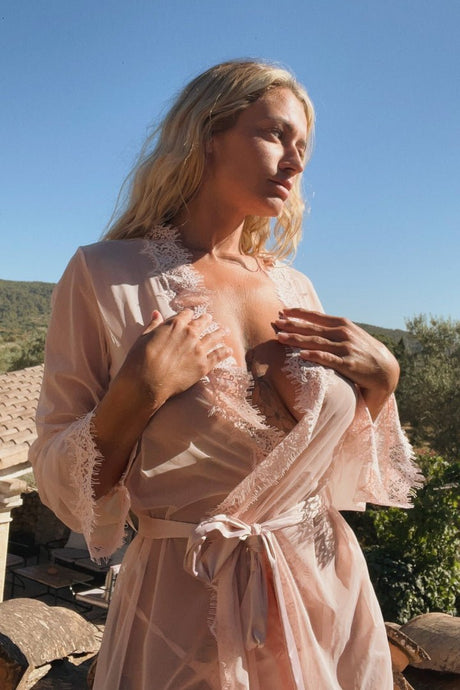
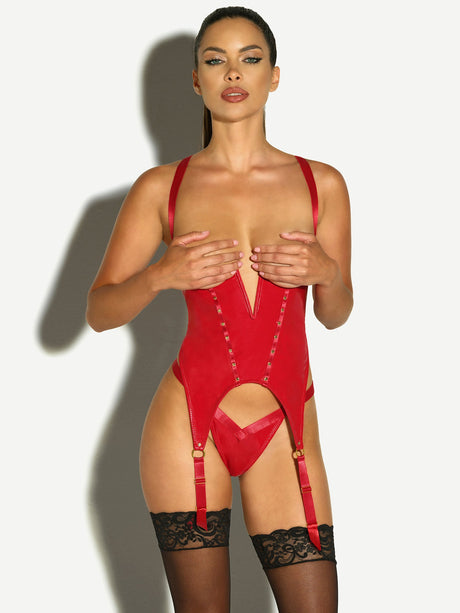
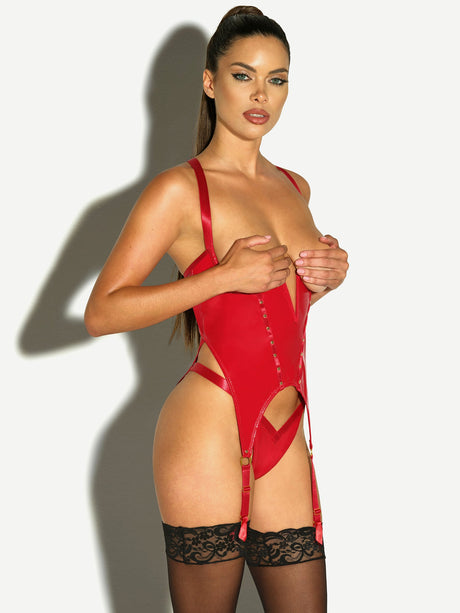
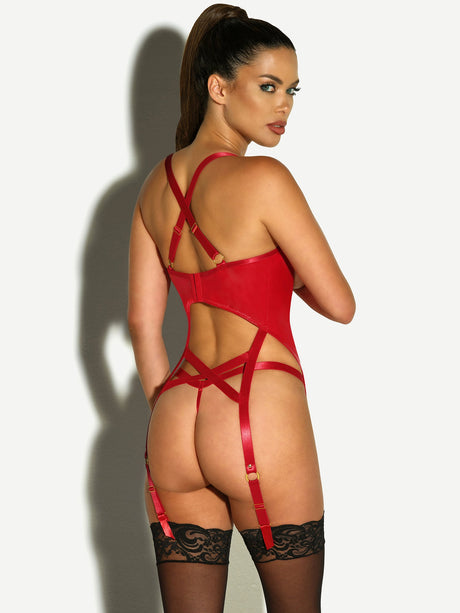
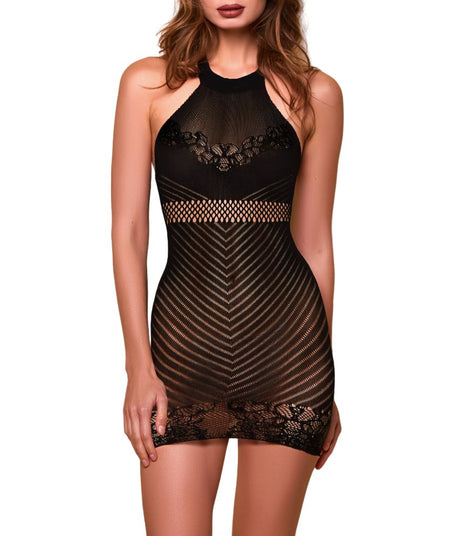
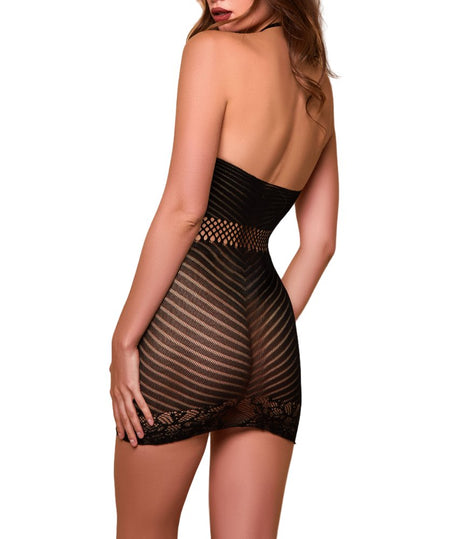
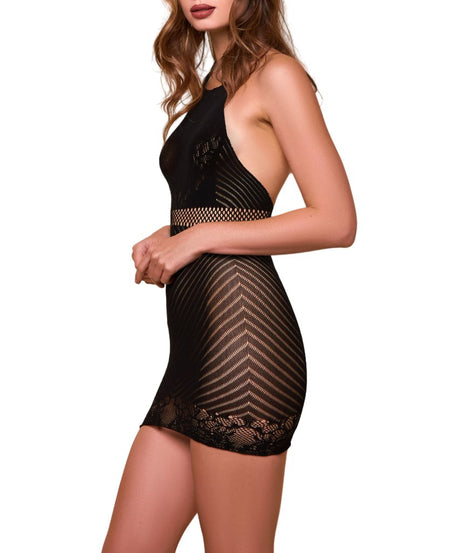
What is a mini dress?
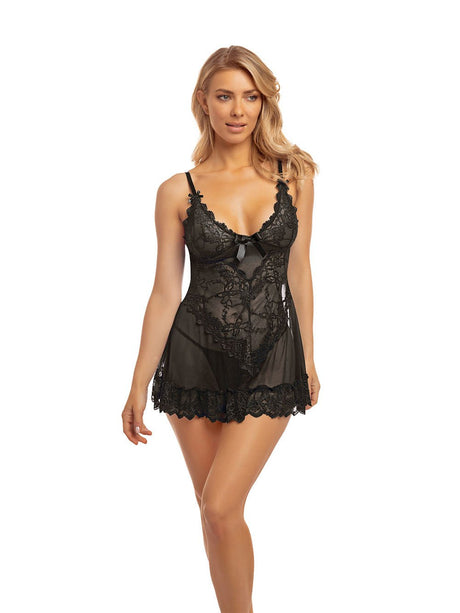
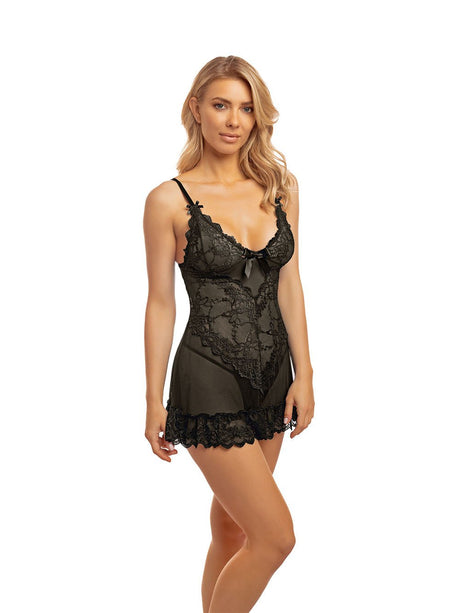
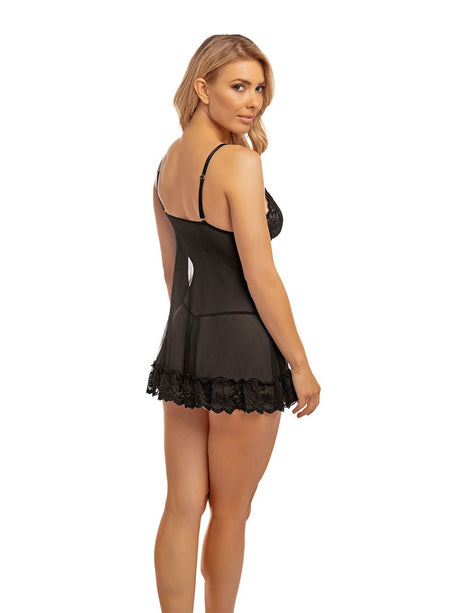
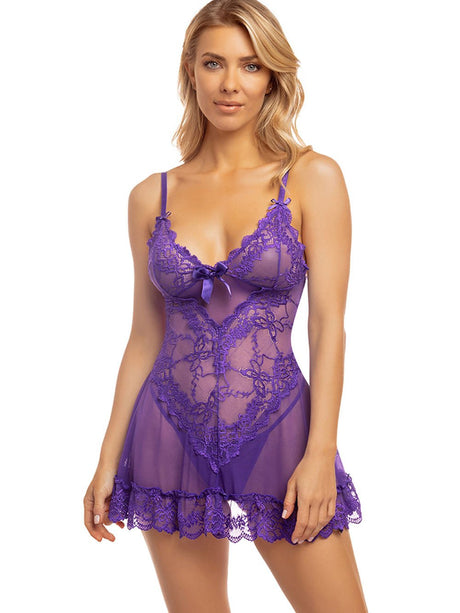
A mini dress is a dress with a hem well above the knee, usually around mid-thigh. It comes in many styles, including slip, bodycon, babydoll, shift, A-line and skater dresses, in fabrics from cotton and knit to satin and sequins.
The best mini dress stays in place when you sit, walk and reach. A-line, shift and babydoll cuts are the easiest to wear; bodycon and slip minis look sleek but need more planning.
What goes underneath makes the difference: light smoothing or anti-chafe shorts for coverage and comfort, seamless underwear, a bra that suits the neckline, and tights in cooler weather.
The mini dress is one of the most recognizable shapes in fashion. It has been a symbol of the 1960s, a party staple, a summer uniform and a winter favorite with tights and boots. It is also the dress that asks the most practical questions: how short is too short, what goes underneath, and how do you sit down.
This guide answers those questions. It covers how short a mini is, where it came from, the main styles, silhouettes and fabrics, how it should fit, what to wear underneath, tights and shoes, where to wear one, and how to style a mini for day, night and every season.
- A mini dress ends well above the knee, usually around mid-thigh.
- A-line, shift and babydoll cuts are the easiest to wear.
- Smoothing shorts give coverage, stop chafing and keep the hem down.
- Fabric with some weight stays in place when you sit and in wind.
- Opaque tights and boots make a mini work in winter.
- Do the sit, bend and stairs test before you wear it out.
What Is a Mini Dress?
A short hem, in almost any style.
A mini dress is defined by its length, not its shape. Any dress that ends well above the knee, usually around mid-thigh, counts as a mini, whether it is a satin slip, a ribbed bodycon, a cotton babydoll or a sequin party dress. That makes the mini one of the most varied categories in any closet.
Because length is the defining feature, the practical questions are the same across every style: how the dress behaves when you move, what shows when you sit, and what goes underneath. Get those right and a mini is one of the easiest dresses to wear. Our guide to types of dresses shows how the mini fits among other silhouettes.
How Short Is a Mini Dress?
Three common short lengths.
There is no fixed measurement, because the same dress falls differently on different heights. As a rough guide, a micro mini ends at the upper thigh, a classic mini ends around mid-thigh, and a short above-knee dress ends a few inches above the knee. Product pages usually list the length from shoulder or waist to hem, which is more useful than the name.
To check a length before buying, measure from the top of your shoulder down to where you want the hem to fall, and compare it with the dress's length measurement. Add an inch or two if the dress is fitted at the hips, because a close fit pulls the hem up.
A Short History of the Mini Dress
From 1960s London to everyday wardrobe.
Short hemlines appeared in the 1920s, but the mini as we know it arrived in the 1960s. London designer Mary Quant is the name most associated with the miniskirt and mini dress, and Paris designer André Courrèges showed short, structured dresses in the same period. The mini became a symbol of youth culture and of a new, freer approach to dressing.
Since then the mini has never disappeared. It returned as the party dress of the 1980s, the slip dress of the 1990s and the bodycon of the 2000s and 2010s, and today it covers everything from crochet beach dresses to tailored mini shifts worn with tights to work.
Mini Dress Styles
Fourteen versions of the short dress.

If you are buying your first mini dress, a black A-line or shift mini in a fabric with some weight is the most versatile. It works with sneakers by day, heels at night and tights and boots in winter.
Mini Dress Silhouettes
The shape decides comfort and coverage.

| Silhouette | Rides up? | Best for |
|---|---|---|
| Shift | Little | Daytime, work with tights, travel |
| A-line | Little | Everyday, brunch, weekends |
| Babydoll | Little | Daytime, summer, parties |
| Skater | Some, in wind | Parties, dancing, dates |
| Bodycon | Most | Nights out, birthdays |
| Slip | Some | Dinners, parties, layering |
Looser shapes ride up less because the fabric is not stretched over the hips. Bodycon minis are the most likely to creep up as you walk, so they benefit most from a thicker fabric and smoothing shorts. Skater and babydoll skirts move freely, which is lovely for dancing but means planning for wind.
Mini Dress Fabrics
Weight matters more on a short dress.
Choose a fabric with some weight. Heavier fabrics stay down in wind and when you sit; very light chiffon and thin jersey lift easily. A lining adds weight and opacity, which matters even more on a short dress.
How a Mini Dress Should Fit
Run four tests before you wear it out.
Beyond those tests, check the usual fit points: no pulling across the bust or hips, straps that stay on the shoulders, and a waist seam that sits where it should. A mini that is too tight rides up faster and shows more than one that fits. Size up rather than down if you are between sizes.
What to Wear Under a Mini Dress
Coverage, comfort and a smooth line.

Smoothing or anti-chafe shorts
Light smoothing shorts are the single most useful piece under a mini dress. They give coverage when you sit, bend or face a gust of wind, stop your thighs from chafing, and reduce friction so the hem does not creep up. Choose a short that ends a few inches above the hem, in a shade close to your skin tone, with a thin, flat edge. Our guide to slips and shapewear compares the options.
Underwear
Seamless underwear or a seamless thong disappears under fitted knits and satin. Under looser cotton minis, a full-coverage seamless brief is comfortable and stays hidden. Our guide to hiding panty lines covers more fixes.
Bras by neckline
| Neckline | Best bra | Why |
|---|---|---|
| Crew, square or scoop | T-shirt bra | Smooth under knits and cotton |
| Strapless or off-the-shoulder | Strapless bra | Nothing shows at the shoulders |
| Slip with thin straps | Bralette or adhesive bra | Thin straps or none |
| Deep V or wrap | Plunge or adhesive bra | Stays hidden in a low neckline |
| Halter | Convertible bra | Straps reroute around the neck |
| Thin satin or knit | Nipple covers or a seamless bra | No texture shows through |
A strapless bra under a mini dress needs a firm band and silicone grip, especially for dancing. If you are unsure of your size, Brasize.ai can give you a starting point, and our strapless bra guide and bras for every neckline guide cover each option.
Smoothing Shorts, Seamless Underwear and Thongs
The layers that keep a short dress comfortable and smooth.
ShapewearSeamless UnderwearThongsTights and Legwear With a Mini
The easiest way to make a mini work year-round.
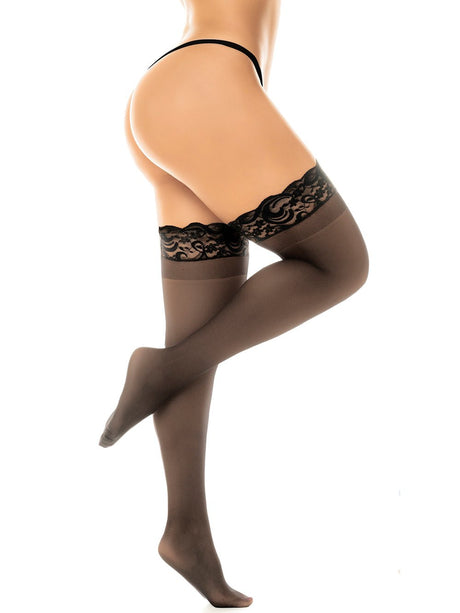
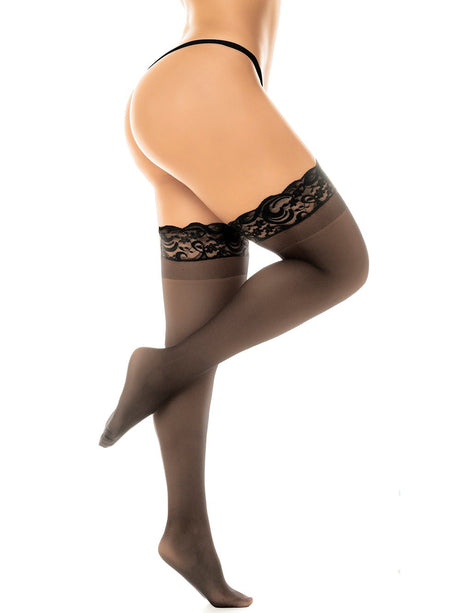
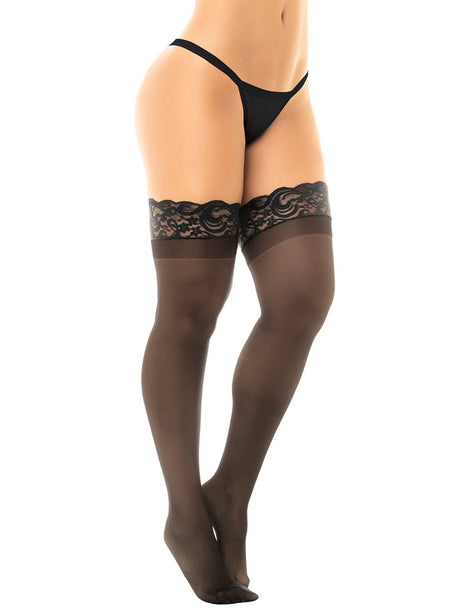
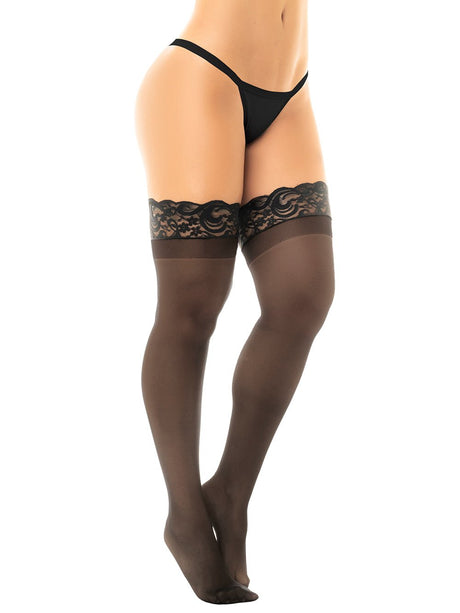
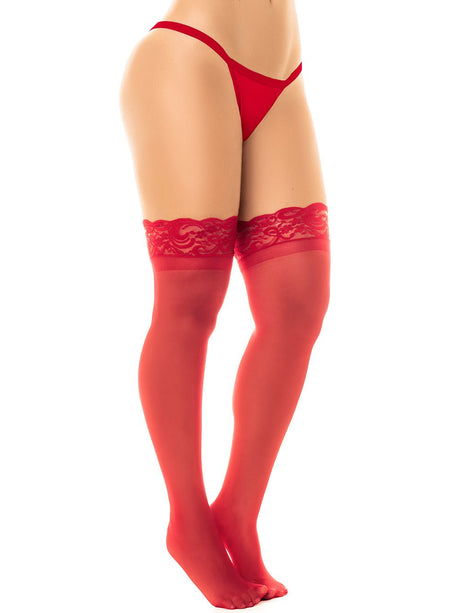
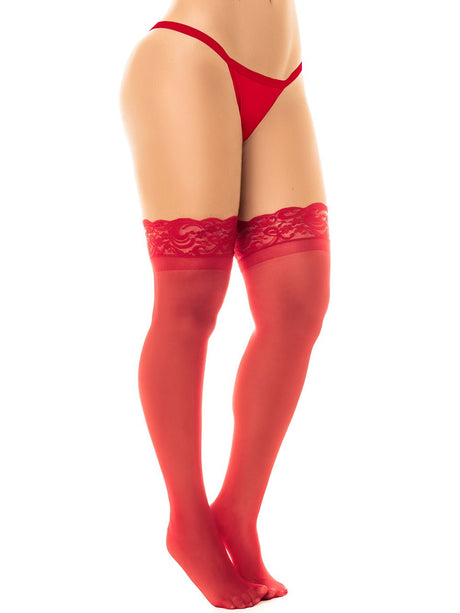
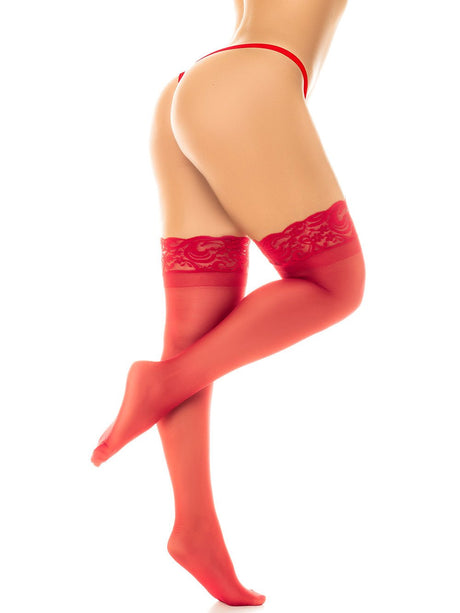
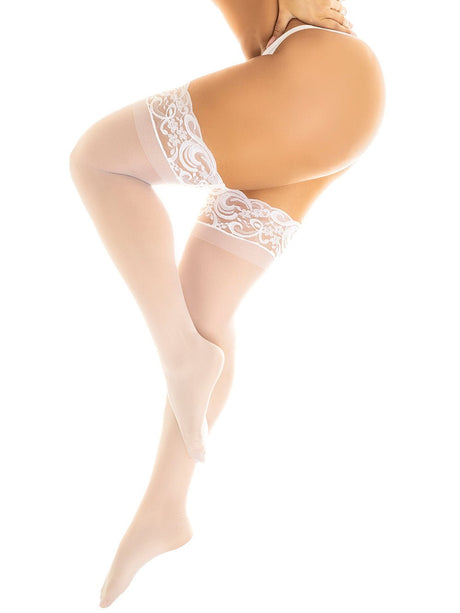
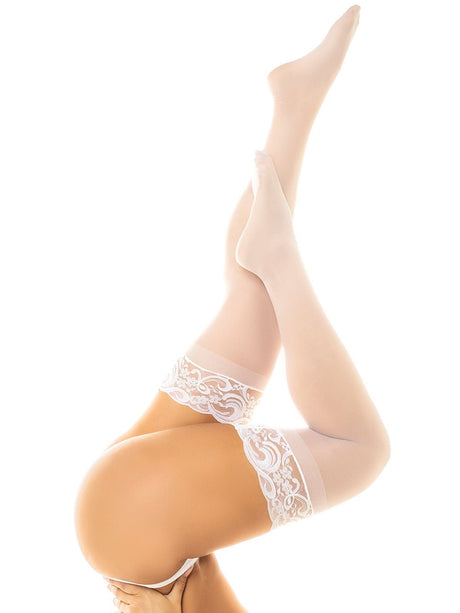
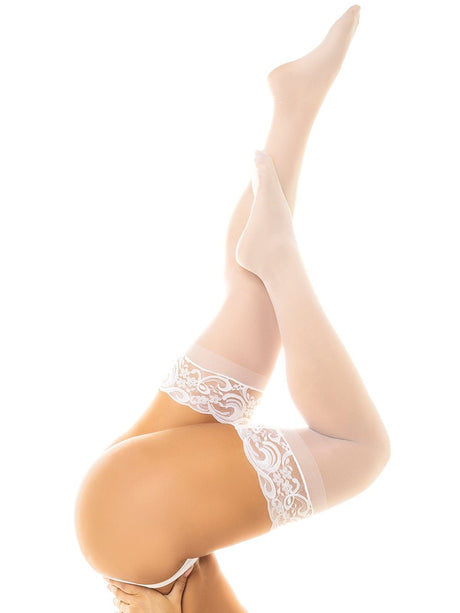
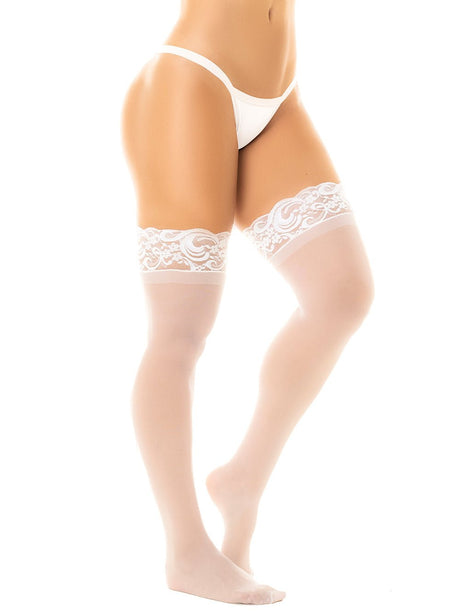
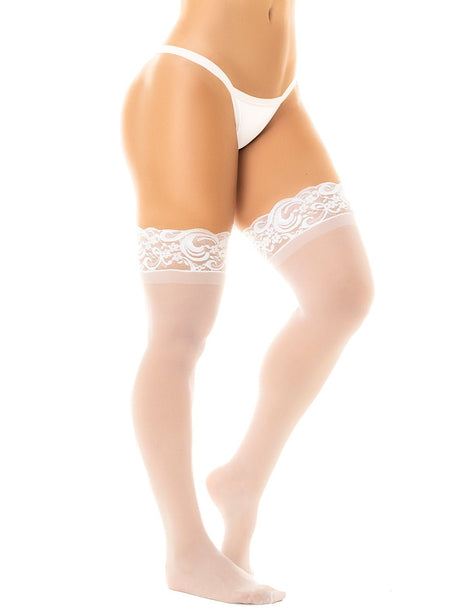
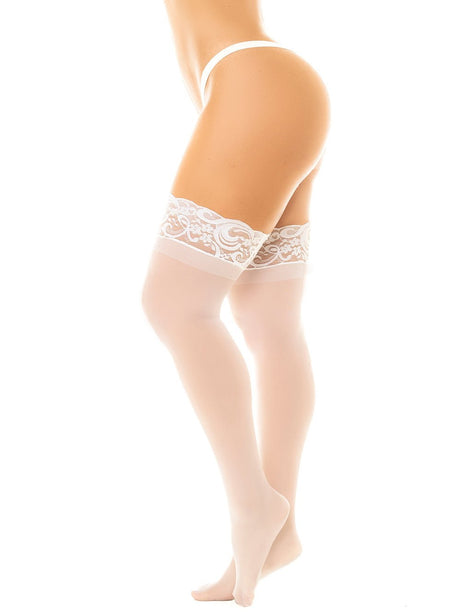
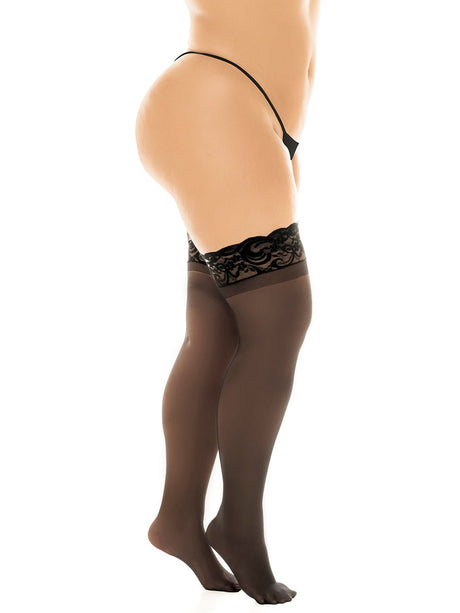
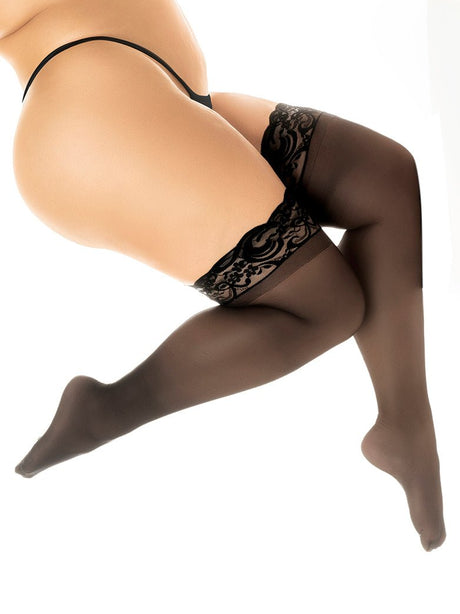
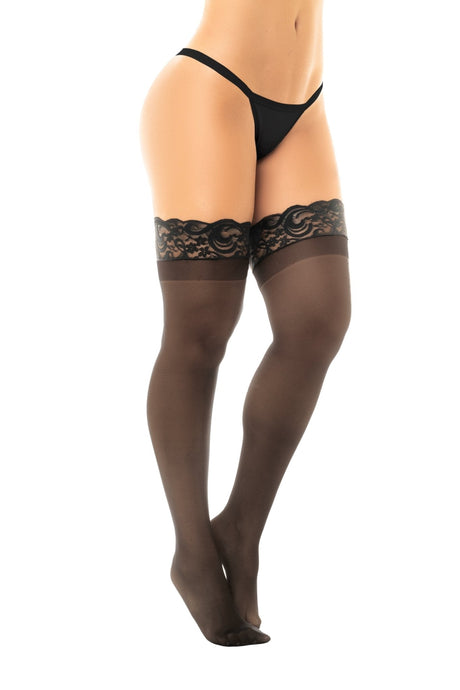
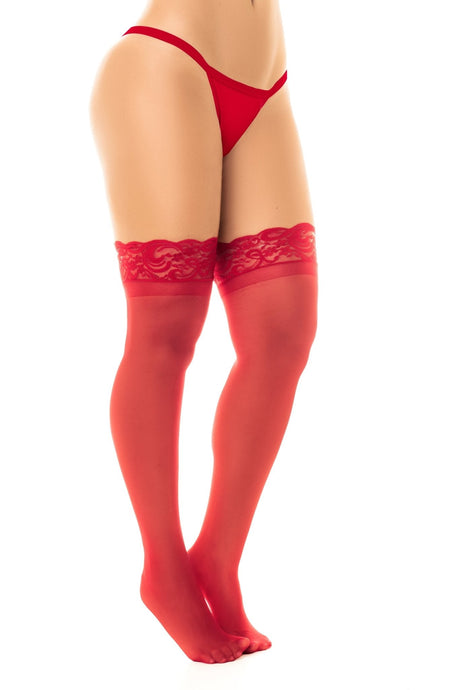
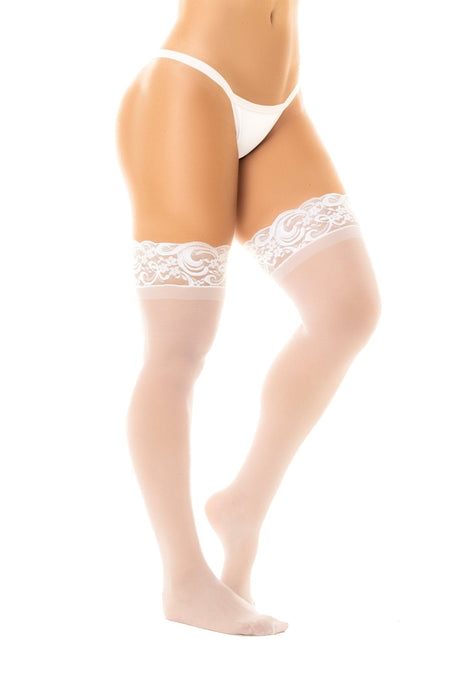
Tights also add coverage and confidence, which is why many people find a mini easiest to wear from fall to spring. Match the tights to the shoes for a longer leg line: black tights with black boots or pumps. Our hosiery collection covers sheer, opaque and patterned styles.
Where to Wear a Mini Dress
From brunch to the dance floor.
Nights out and birthdays
A sequin, satin or bodycon mini with heels or boots. Our party dress guide and little black dress guide have more ideas.
Date nights and dinners
A slip, wrap or lace mini with heeled sandals and a light jacket. Choose a fabric with some drape and a length you are comfortable sitting in for a long meal.
Brunch and weekends
A cotton, denim, crochet or T-shirt mini with sneakers or flat sandals and a crossbody bag.
Holiday parties
Velvet, sequins or metallic knits with sheer tights and heels. Our holiday party dress guide covers the season.
Weddings
Only at relaxed or evening cocktail weddings, in an elegant fabric and never in white. Many guests prefer knee length or longer; our cocktail dress guide explains the dress code.
Work
In relaxed workplaces only, as a shift or shirt mini in a thicker fabric with opaque tights, flat boots or loafers and a blazer.
Vacations and festivals
Cotton, crochet and linen minis for beach towns and festivals, with sandals or sneakers. Our summer dresses guide has more warm-weather ideas.
Styling a Mini From Day to Night
One dress, two outfits.
Shoes for a Mini Dress
The shoe changes the whole look.
Jackets and Layers for a Mini
Structure balances a short hem.
Leather jackets, denim jackets, cropped and oversized blazers, cardigans and long coats all work with mini dresses. An oversized blazer or long coat balances a short hem and adds polish; a cropped jacket keeps the proportions playful. In winter, a long coat over a mini with tights and boots is one of the easiest cold-weather outfits.
Colors and Prints
Short dresses carry bold color well.
Because a mini uses less fabric, bold colors and prints feel less overwhelming than on a long dress. Black, red, cobalt, emerald and metallics are classic party choices; florals, gingham and pastels suit daytime and summer. If you want the mini to feel more grown-up, choose a solid color in a rich fabric and keep accessories simple.
Mini Dresses Through the Year
Change the fabric and the legwear.
Mini Dresses for Every Figure
Cut and fabric matter more than rules.
Caring for a Mini Dress
Keep the shape and the color.
Follow the care label, which varies widely across mini dress fabrics. Wash knits and jersey cold and dry them flat so they keep their length; hanging a wet knit can stretch it longer. Hand wash or dry clean satin, sequin and velvet minis, and turn sequin dresses inside out in a mesh bag if machine washing is allowed.
Store knit minis folded and woven minis on hangers. Steam satin and crepe rather than ironing them, and check that hems stay even after washing, because a short dress shows an uneven hem more than a long one.
Mini, Short and Above-Knee Dresses
How the short lengths differ.
| Length | Where it ends | Feels like |
|---|---|---|
| Micro mini | Upper thigh | Very short; plan for sitting and bending |
| Mini | Mid-thigh | Short and playful; the classic mini |
| Short above-knee | A few inches above the knee | Short but easy for daytime |
| Knee length | At the knee | No longer a mini |
Stores often use "mini" and "short dress" for anything above the knee, so check the length measurement in the product details rather than the name. A dress that is a mid-thigh mini on a model of 5 feet 10 inches can be an above-knee dress on someone 5 feet 2 inches, and the reverse. Our dress lengths guide compares mini, midi and maxi lengths in detail.
Sitting, Walking and Bending in a Mini
Small habits that make a short dress easy to wear.
Sitting: smooth the back of the skirt under you as you sit, keep your knees together and angle them slightly to one side. On low sofas and bar stools, cross at the ankles. Getting out of a car: swing both legs out together before standing. Bending: bend at the knees rather than the waist, and keep a hand at the back hem on stairs and escalators, especially in wind.
Smoothing shorts make all of this far less of a concern, because the dress can ride up without anything showing. They also stop the hem from creeping up as you walk by reducing friction between the fabric and your legs.
Plus-Size Mini Dresses
Every style comes in extended sizes.
A-line, shift, wrap and babydoll minis are comfortable and easy to fit, and a thick, stretchy bodycon mini can look sleek with the right shapewear. Look for fabric with some weight and stretch, which hangs smoothly and stays in place, and check the length, because a larger size is not always cut longer.
Anti-chafe shorts are the most useful piece under any mini on warm days. A supportive bra with a firm band and wider straps keeps fitted styles smooth, and our guide to plus-size shapewear covers the lightest options.
Petite and Tall Mini Dresses
Length looks different on every height.
If you are petite, a mini dress is one of the most flattering lengths, because it shows more leg and keeps the proportions balanced. Many standard minis will fall closer to the knee on you, so a petite range gives the intended length. Choose smaller prints and a defined waist.
If you are tall, check the length carefully: standard minis can be very short. Tall ranges add length, and styles that end just above the knee give the look of a mini with more coverage. Long sleeves and opaque tights balance a very short hem.
Layering a Mini Dress
Make a short dress work in more places.
A mini dress does not have to be worn on its own. Over slim jeans or leggings, a loose mini becomes a long tunic, which works for daytime and travel. Over a fitted turtleneck, a slip or pinafore mini becomes a winter outfit. Under a long blazer or coat, the hem shows only a little, which makes a mini feel more polished.
A long cardigan, a trench coat or an oversized shirt worn open also adds coverage and changes the proportions. These tricks let a party mini work at brunch, in the office on a casual day, or on a cold evening.
Mini Dresses in Hot Weather
Short and cool, with a few precautions.
Mini dresses are natural summer clothes. Cotton, linen, seersucker, crochet and light jersey breathe best. Loose shift, babydoll and A-line cuts let air move, while bodycon knits trap heat.
Thigh chafing is the most common complaint in a short dress on a hot day, and light anti-chafe shorts in a breathable fabric solve it. Our guide to shapewear in hot weather covers the lightest choices. Sunscreen on the legs is easy to forget when you are used to wearing longer hems.
Packing a Mini Dress
Small to pack, many outfits.
Mini dresses take up very little space. Knit, jersey and crepe minis roll small and resist creases; sequin and satin minis travel best inside out in a soft bag. A black mini with sneakers for daytime and heeled sandals for evening covers two outfits with one dress.
Pack the underwear each dress needs, including smoothing shorts and the right bra, plus one pair of tights if evenings may be cool. A denim jacket or blazer finishes most mini dress outfits on a trip.
Signs of a Well-Made Mini Dress
Details that matter more on a short dress.
On a mini, small differences in fabric weight and lining are easy to feel. A lined A-line mini in a substantial cotton or crepe will sit better and last longer than an unlined dress in a very light fabric.
Feeling Comfortable in a Mini
Start with the version that feels easiest.
If you are new to short dresses, start with a looser cut, a slightly longer above-knee length and opaque tights, then try shorter or more fitted styles once you know what feels right. Wear the dress at home for an hour, sit, walk up stairs and bend to pick something up.
Most of the discomfort people feel in a mini comes from worrying about what might show. Smoothing shorts, a dress with some weight and a bra that stays put remove almost all of that worry, so you can stop thinking about the dress and enjoy the day or the evening.
The Satin Mini Dress
Sleek, shiny and best with a plan underneath.
A satin mini, often cut as a slip or with a cowl neck, is one of the most popular party and dinner dresses. The fabric catches the light and moves with the body, which is what makes it look expensive, and also why it shows everything underneath. Seamless underwear, nipple covers or a smooth adhesive bra, and a thin smoothing short are the standard foundation.
Satin creases where you sit, so a heavier satin with some body looks better at the end of the night than a very thin one. Steam it before wearing, keep perfume and deodorant off the fabric, and choose a darker color if you are worried about marks. Layer a blazer or leather jacket over a satin slip mini for a less dressy look.
Sequin and Party Minis
Made for celebrations.
Sequin, metallic and embellished minis are the classic choice for birthdays, holiday parties and New Year's Eve. Keep the rest of the outfit simple: plain heels or boots, small earrings and a simple bag let the dress do the work. Long-sleeve sequin minis feel elegant and balance the short hem.
Check the inside before buying: a soft lining under the sequins prevents scratching, especially at the underarms. Sequins add weight, which helps the dress hang, but they can also catch on bags and jewelry, so choose a smooth clutch rather than a chain strap that rubs.
Wearing a Mini in Winter
Tights, boots and a long coat.
A mini dress is a winter staple once you add the right layers. Sweater knit, velvet, corduroy, tweed and long-sleeve jersey minis with opaque tights and knee boots are warm and polished. Over-the-knee boots add coverage and warmth, and a long wool coat balances the short hem.
Layer a fine turtleneck under a sleeveless or slip mini for extra warmth, or add a chunky cardigan over a knit mini. Fleece-lined tights look like ordinary opaque tights but feel far warmer on very cold days.
Beach and Cover-Up Minis
Short, light and easy over a swimsuit.
Crochet, cotton gauze and terry minis double as beach cover-ups and as dresses for lunch in town. Crochet and open-knit minis are usually worn over a swimsuit or a slip, because they are not meant to be opaque. Choose quick-drying fabrics if you will wear the dress over a wet swimsuit. Our guide to beach cover-ups covers kaftans, sarongs and other options.
Buying a Mini Dress Online
The length measurement is the key number.
Length varies more than any other measurement on a mini dress, so look for the shoulder-to-hem length in the product details and compare it with your own. Check the model's height in the photos, the fabric content for stretch and weight, and whether the dress is lined. Reviews often mention when a mini runs short.
When it arrives, try it with the shoes and underwear you plan to wear and run the sit, bend, stairs and reach tests before removing the tags.
Mini Dresses at Any Age
Wear the version that feels right.
There is no age at which a mini dress stops being an option. What tends to change is how people like to wear it. Looser shift and A-line cuts, sleeves, opaque tights and longer jackets are popular choices that keep the fun of a short hem with more coverage. Rich fabrics such as velvet, crepe and wool look polished at any age.
The same tests apply to everyone: comfortable when sitting and moving, a fabric that hangs well, and the right layers underneath. A mini that fits and feels good is the right one.
Accessories for a Mini Dress
Keep proportions in mind.
With a short dress, accessories carry more of the outfit. A small shoulder bag or crossbody suits the proportions better than a very large tote. Statement earrings balance a high neckline or long sleeves; a delicate necklace suits a slip or square neck. Belts define the waist on shift and shirt minis.
For nights out, choose one statement piece and keep the rest simple. For daytime, sunglasses, a canvas tote and simple hoops are enough.
Three Minis That Cover Most Occasions
A small, hard-working set.
If you want a few minis that work for almost everything, start with a black A-line or shift mini for day, work with tights and evenings, a satin or sequin mini for parties and celebrations, and a cotton or crochet mini for summer and vacations. With white sneakers, ankle boots, heeled sandals, a denim jacket and a blazer, those three dresses cover most of the year.
Mini Dress or Miniskirt Outfit?
Choosing between one piece and two.
A mini dress is quicker to wear and gives a cleaner, unbroken line. A miniskirt with a top is more flexible, because each piece can be worn with other things, and it lets you mix sizes if your top and bottom measurements differ. For parties and dinners, a mini dress usually looks more finished; for weekends and travel, separates often work harder. Many people like to have both.
Making a Mini Work-Appropriate
When the office is relaxed enough.
In creative and casual workplaces, a mini can be part of a work wardrobe if it is styled with care. Choose a structured shift, shirt or knit mini in a thicker fabric, in a solid or quiet print. Add opaque black or navy tights, loafers, flat knee boots or low block heels, and a blazer or long cardigan. Keep necklines modest and avoid shine, sequins and very fitted cuts.
If you are unsure, look at what senior colleagues wear and stay a little more covered than the most relaxed outfit you see. A mini worn over slim trousers or with a long blazer is a safer way to bring the shape into the office.
Mini Dresses for Festivals and Concerts
Comfort for long days on your feet.
For festivals and outdoor concerts, choose a cotton, denim or crochet mini you can move and dance in, with sneakers or broken-in boots. Smoothing shorts are essential for sitting on grass and for long walks between stages, and a crossbody bag keeps your hands free.
Bring a light layer for the evening, such as a denim jacket or flannel shirt tied at the waist, and sunscreen for your legs. Darker colors and prints hide dust and grass stains better than white.
Choosing a Print for a Mini
Scale and placement matter on a short dress.
On a mini, a print is spread over a smaller area, so small and medium prints such as ditsy florals, gingham and polka dots usually look balanced. Large prints can work on simple shift and A-line cuts, where the pattern is not broken by seams. Vertical stripes lengthen; wide horizontal stripes widen.
Check where large motifs fall: a big flower at the bust or hips draws attention there. Solid colors are the most versatile, and an accessory in a contrasting color adds interest without committing to a print.
Comfort Fixes for Short Dresses
Small problems with simple solutions.
Most of these fixes cost little and fit in a small bag, which is why a few pieces of fashion tape and a pair of thin smoothing shorts are worth keeping with your party clothes.
Mini Dresses for Dates and Dinners
Polished, comfortable and easy to sit in.
For a dinner date, choose a mini you can sit in comfortably for two or three hours. A wrap, slip or A-line mini in crepe, satin or a soft knit looks considered without trying too hard, and a length just above mid-thigh is easier at the table than a micro mini. Add heeled sandals or ankle boots, a small bag and one piece of statement jewelry.
If the plan is casual drinks, a knit or denim mini with a leather jacket and boots strikes the right note. For a dressier restaurant, a black or jewel-tone mini with sheer tights and pumps feels polished. Bring a layer for the walk home and keep the outfit comfortable enough to forget about.
Getting More Wear From a Mini
One dress, many outfits.
A mini dress is one of the easiest pieces to restyle. Wear it alone in summer, with tights and boots in winter, over jeans as a tunic, under a long coat for evenings and with a blazer for daytime. Changing the shoes alone, from sneakers to heels to knee boots, changes the occasion. Because minis use less fabric, a well-made one in a good material is often less expensive than a longer dress of the same quality, and can be worn far more often.
Minis for Graduations and Daytime Events
Short, smart and comfortable for long ceremonies.
Graduations, christenings and garden parties call for a slightly more polished mini. A tailored shift, A-line or shirt mini in a solid color or small print, at a length you are happy to sit in through a long ceremony, works well. Add block heels or dressy flats for grass and steps, and a cropped jacket for cooler mornings.
Photos are a big part of these events, so check how the dress looks when you sit and stand, and avoid very thin fabrics that cling in the wind. A light smoothing short under the dress keeps you comfortable through the whole day. If the venue is religious or formal, bring a light cardigan or wrap to cover the shoulders during the ceremony.
Common Mini Dress Mistakes
Most come down to fabric, fit and what is underneath.
Mini Dress Checklist
Run through these before you go out.
- Length: comfortable when you sit, bend and climb stairs?
- Fabric: heavy enough to stay down in wind?
- Fit: no pulling across the hips or bust?
- Underneath: smoothing shorts, seamless underwear and the right bra?
- Legs: bare, sheer or opaque for the season and setting?
- Shoes and jacket: right for day or night?
What This Means for You
A mini dress is any dress that ends well above the knee. Choose a silhouette that suits how you will spend the day or night, a fabric with enough weight to stay in place, and a size that fits your hips without pulling.
Then plan what goes underneath. Light smoothing shorts, seamless underwear and a bra that suits the neckline make a mini comfortable to wear anywhere, and opaque tights with boots keep it in your wardrobe all year.
For more short and party styles, see our guides to the bodycon dress, the party dress and the little black dress.
Bodycon, Party and Little Black Dresses
More short styles for nights out.
Bodycon DressParty DressLittle Black DressFrequently Asked Questions
What is a mini dress?
How short is a mini dress?
What do you wear under a mini dress?
How do I keep a mini dress from riding up?
Can you wear a mini dress to a wedding?
Can I wear a mini dress to work?
What shoes go with a mini dress?
Can you wear a mini dress in winter?
What tights go with a mini dress?
What is the difference between a mini and a micro mini?
Are mini dresses flattering on everyone?
How do I sit comfortably in a mini dress?
What jacket goes with a mini dress?
What is a babydoll mini dress?
Should a mini dress be tight or loose?
What bra should I wear with a mini dress?
Can you wear a mini dress with sneakers?
What is a satin mini dress?
How do I make a mini dress feel less short?
Can you wear a mini dress over 40?
This guide covers mini dress styles, fit and styling and is for general information. Lengths, sizing and fabrics vary between makers, so check product details and care labels for any individual dress.