How do you wear a white dress?
Choose an opaque, well-lined fabric, wear underwear and a bra in a shade close to your own skin tone, and check the dress in bright light before you go. White underwear shows through white fabric more than skin-tone underwear does.
White dresses suit summer days, graduations, vacations, all-white parties and, for the bride, showers and rehearsal dinners. Guests should not wear white to a wedding unless the couple asks for it.
Keeping white white takes a little care: wash with whites only, treat stains straight away, and store the dress clean in a breathable bag.
A white dress looks fresh, clean and easy, which is exactly why it takes a little more thought than any other color. It shows what is underneath, it shows every mark, and it carries etiquette that a navy dress never has to worry about. Get those three things right and a white dress is one of the most flattering and versatile pieces you can own.
This guide covers shades of white, when to wear and not wear white, styles and fabrics, what to wear underneath, how to check for sheerness, how to style a white dress, and how to keep it white.
- Match underwear to your skin, not to the dress.
- Choose lined or tightly woven fabric, and test it in daylight and flash.
- Do not wear white to a wedding as a guest.
- Ivory and cream are softer and more forgiving than optic white.
- Wash with whites only and treat stains straight away.
- Winter white in wool and knit works all year.
Shades of White
Not all whites are the same.
"White" covers a range of shades. Optic white is bright and slightly cool, the white of a crisp shirt. Soft white is a little gentler. Ivory has a faint warm tint, cream is warmer and richer, ecru is the natural shade of unbleached cotton and linen, and champagne adds a soft golden glow.
Warmer whites such as ivory and cream are often easier to wear, because they look softer next to skin and photograph more evenly in bright light. Optic white looks especially fresh in summer and with a tan. If you are coordinating with a group, such as an all-white party or a bridal event, check which shades are welcome.
When to Wear a White Dress
And when to choose another color.
| Occasion | White? | Notes |
|---|---|---|
| Wedding, as a guest | No | Reserved for the bride unless the couple asks for white |
| Bridal shower, rehearsal, bachelorette | Yes, for the bride | Guests usually avoid white at these too |
| Graduation | Yes | A popular choice; check it is opaque for photos |
| Summer parties and brunch | Yes | Cotton, linen and eyelet are classic |
| All-white parties | Yes | Head-to-toe white or off-white |
| Vacations and the beach | Yes | Gauze, linen and crochet |
| Work | Yes | Structured crepe or poplin, with a blazer |
| Funerals | Depends | Follow the family's customs and traditions |
The one firm rule is the wedding rule. White, ivory and cream belong to the bride unless the invitation says otherwise, and many guests also avoid very pale dresses that could look white in photos. Our wedding guest dress guide covers colors that work instead.
White Dress Styles
Twelve ways to wear white.

If you want one white dress for many occasions, choose a lined white or ivory midi in cotton poplin, eyelet or crepe. It is opaque, easy to care for and works from brunch to graduation to a summer dinner.
White Dress Fabrics
Opacity is the first thing to check.

| Fabric | Opacity | Notes |
|---|---|---|
| Crepe | High | Matte and smooth; the most forgiving white |
| Cotton poplin | Medium to high | Crisp; heavier poplin is more opaque |
| Eyelet | Needs lining | The cutouts show skin by design |
| Linen | Medium | Breathable; check thinner linens in daylight |
| Lace | Needs lining | Lined lace looks elegant; unlined lace is sheer |
| Satin | Medium | Shows every line and texture underneath |
| Cotton voile or gauze | Low | Floaty and cool; needs a slip |
| Knit or ponte | High | Thick knits are opaque and smooth |
Weight and lining matter more than fiber. A heavy cotton poplin or a lined crepe will be far more opaque than a thin linen or voile. If a dress is unlined and the fabric is thin, plan a slip or smoothing shorts before you buy.
What to Wear Under a White Dress
Match your skin, not the dress.
This is the most important rule for any white or pale dress: choose a bra and underwear in a shade close to your own skin tone, not white. White underwear is brighter than skin, so it shows as an outline through thin white fabric. A shade that matches your skin blends in.

Bras by neckline
| Neckline | Best bra | Why |
|---|---|---|
| Crew, square or scoop | Seamless T-shirt bra | Smooth molded cups with no lace or texture |
| V-neck or wrap | Plunge bra | A low center that stays hidden |
| Strapless or off-the-shoulder | Strapless bra | Nothing shows at the shoulders |
| Halter or one-shoulder | Convertible bra | Straps reroute to suit the neckline |
| Open back | Adhesive bra | No band across the back |
| Thin slip or satin | Nipple covers or a seamless bra | No texture shows through |
Lace, embroidery and printed bras show through white fabric, even in a skin tone, because the texture catches the light. Choose smooth, molded or bonded styles. If you are unsure of your size, Brasize.ai can give you a starting point, and our T-shirt bra guide and bras for every neckline guide explain the options.
Underwear
Seamless, laser-cut or bonded-edge underwear in a skin tone disappears under white. Full-coverage seamless briefs are often less visible than thongs under thin fabrics, because there is no contrast between covered and bare skin. Our guide to hiding panty lines covers more fixes.
Slips and shapewear
A skin-tone slip adds opacity under thin cotton, linen, voile and satin and helps the dress hang smoothly. Smoothing shorts do the same under the skirt and stop thighs from chafing. Our guide to slips and shapewear explains the options, and our guide to hiding your bra under summer outfits has more tips.
Skin-Tone Bras, Seamless Underwear and Nipple Covers
The layers that disappear under white.
T-Shirt BrasSeamless UnderwearNipple CoversThe Sheerness Test
Check before you leave the house.
If anything shows, the fixes are simple: change to skin-tone seamless underwear, add a slip or smoothing shorts, or choose a dress with a lining. A white dress that passes all four checks can be worn anywhere without a second thought.
Where to Wear a White Dress
From graduation to the beach.
Graduations
A lined white or ivory midi in poplin, crepe or eyelet looks fresh in photos and under a gown. Choose comfortable shoes for the ceremony and grass.
Summer parties and brunch
Eyelet, linen and cotton sundresses with sandals, a straw bag and gold jewelry. Our summer dresses guide has more warm-weather ideas.
All-white parties
Head-to-toe white or off-white, from a satin slip to a linen maxi, with metallic or neutral accessories. Check whether the host welcomes ivory and cream.
Vacations
Gauze maxis, linen shirt dresses and crochet cover-ups look beautiful against sea and sun. Our beach dresses guide covers fabrics that cope with salt and sand.
Work
A white crepe sheath or poplin shirt dress with a navy, camel or black blazer looks crisp and professional.
Baptisms and christenings
Parents sometimes wear white or pale colors; guests usually choose soft colors and covered shoulders.
White Dresses for the Bride
Before and after the wedding day.
Many brides wear white or ivory for the events around the wedding: the bridal shower, the bachelorette party, the rehearsal dinner, the welcome party and the morning-after brunch. These dresses are usually more relaxed than the wedding gown: a lace midi for the shower, a satin slip or sequin mini for the bachelorette, an elegant crepe or lace dress for the rehearsal dinner.
A courthouse or small civil ceremony is another time a simple white dress takes the place of a gown. A white suit, a tailored white midi or a short white dress with a veil or flowers all work. Our guides to bridal lingerie and what to wear under a wedding dress cover the pieces underneath.
Shoes for a White Dress
Soft neutrals, metallics or contrast.
Accessories for a White Dress
White is a blank canvas.
A white dress takes almost any accessory. Gold, tan, cognac and straw give a warm summer look. Silver, gray and black look crisp and modern. One bright color, such as a cobalt bag, coral earrings or a red lip, adds a strong focal point. Pearls look classic with ivory and cream.
Keep makeup and self-tan in mind: both can mark a white neckline. Let them set fully before you dress, and slip the dress on with a scarf over your face to protect the collar.
Jackets and Layers
Frame the white.
A denim jacket keeps a white sundress casual. A camel, navy or black blazer makes a white sheath ready for work. A cropped cardigan in a soft color suits showers and brunches, and a leather jacket adds edge to a white slip at night. In winter, a camel or cream coat over winter white looks especially polished.
White Dresses for Every Figure
Fabric weight and fit first.
Keeping a White Dress White
Small habits that prevent dullness and yellowing.
Deodorant and antiperspirant are a common cause of yellow underarm marks. Let them dry fully before dressing, choose a formula that does not mark, and wash the underarm area gently with a little dish soap before laundering.
Removing Stains From a White Dress
Act quickly and work from the back.
| Stain | First step | Then |
|---|---|---|
| Red wine | Blot, then rinse with cold water | Oxygen-based stain remover |
| Coffee or tea | Rinse with cold water | Liquid detergent worked in gently |
| Makeup | Lift with a dry cloth | Dish soap or micellar water |
| Grass | Rinse with cold water | Enzyme stain remover |
| Sunscreen | Dish soap and cool water | Avoid chlorine bleach |
| Deodorant marks | Rub with a dry nylon sock | Wash with a little dish soap |
Always blot rather than rub, which spreads a stain and damages fibers. Work from the back of the fabric so the stain is pushed out rather than in. Check that the stain has gone before drying. For silk, satin and delicate lace, take the dress to a cleaner and tell them what caused the mark.
White Dresses in Photos
Plan for flash and sunlight.
White reflects more light than any other color, which makes it glow in soft light and blow out in harsh light. Camera flash is the hardest test: it can make thin white fabric look sheer when it seemed opaque in person. Take a flash photo of yourself in the dress before the event, in the underwear you plan to wear, and check what shows.
Ivory and soft white often photograph more evenly than optic white, especially in bright sun. If the event is outdoors at midday, look for a matte fabric rather than shiny satin, which can create hot spots in photos.
Winter White
White is not just for summer.
The old idea that white belongs only between Memorial Day and Labor Day is long gone. Winter white in wool crepe, cashmere knit, heavy cotton, corduroy and boiled wool looks crisp and expensive in cold weather. Ivory and cream are the easiest winter whites, because they look warmer against coats and boots.
Pair a winter white sweater dress with cognac or white boots and a camel coat, or a cream wool midi with opaque tights in a soft neutral. Heavier fabrics are naturally more opaque, which makes winter white easier to wear underneath than summer white. Our sweater dress guide covers knit options.
Plus-Size White Dresses
Fabric and foundation matter most.
Every white dress style comes in extended sizes. Thicker fabrics, linings and structured cuts give the smoothest look: lined crepe sheaths, A-line cotton poplin, eyelet with a full lining and wrap dresses in a medium-weight jersey. Very thin, clingy white fabrics show every line, so they need the most planning underneath.
A smoothing slip or high-waist shaping short in a shade close to your skin tone gives a clean line and stops thighs from chafing on summer days. A supportive bra with a firm band and smooth cups keeps the bust shape smooth under fitted styles. Our guide to plus-size shapewear covers the options.
Petite and Tall
Proportion in a pale color.
White draws the eye, so proportion shows clearly. If you are petite, a white dress that ends at or just above the knee, with a defined waist and small details, keeps the look balanced, and nude or metallic sandals lengthen the leg. If you are tall, a long white maxi or a midi with a dramatic sleeve looks striking, and tall ranges make sure the hem falls where it should.
Signs of a Well-Made White Dress
Look inside before you buy.
Inside seams, pocket bags and facings all show through white more than through any other color. A well-made white dress hides them with careful finishing, a lining or pocket bags in a skin-tone fabric.
A Small Stain Kit for White Dresses
Carry it to every event.
A white dress is most at risk at events with food, drink and makeup. Keep a small kit in your bag: a stain remover pen or wipes, a few cotton pads, a small piece of white chalk to cover a tiny mark, and a safety pin. Treat a spill immediately by blotting, never rubbing, then dab with cold water from the back of the fabric.
Red wine, coffee, makeup and grass are the usual culprits. Wash or take the dress for cleaning as soon as you can after the event, and tell the cleaner what caused each mark.
A Short History of the White Dress
From a symbol of wealth to a summer staple.
For much of history, white clothing was a sign of means: it was hard to keep clean, so wearing it showed you did not do dirty work. In the early 19th century, light white muslin dresses were the height of fashion in Europe. In 1840, Queen Victoria wore a white satin gown at her wedding, and the white wedding dress gradually became the tradition it is today in many Western countries.
In the 20th century, white moved firmly into everyday summer wear: tennis whites, white cotton sundresses, crisp white shirt dresses and the all-white resort wardrobe. Today a white dress can be anything from a casual eyelet sundress to a sleek satin evening slip, and the old rule about not wearing white after Labor Day has largely disappeared.
Dressing for an All-White Party
Head-to-toe white, done well.
An all-white dress code asks every guest to wear white or off-white. Mixing shades and textures keeps the look interesting: an ivory linen dress with a cream knit, or a white satin slip with a soft white jacket. Most hosts accept off-white, but if the invitation says "all white," optic white is the safest choice.
Accessories are usually where color or shine comes in: gold or silver jewelry, metallic sandals, a straw or tan bag. Plan underneath carefully, because a room full of white means many photos, often with flash. Skin-tone seamless underwear and a smooth bra are essential, and a slip under thin fabric avoids surprises.
White Dresses for Work
Crisp, polished and practical.
A white dress can look sharp at the office. Structured fabrics such as crepe, ponte and heavy cotton poplin are the easiest, because they are opaque and hold their shape. A white sheath with a navy or black blazer, or an ivory shirt dress with a camel belt and loafers, are classic combinations.
Keep the neckline and length in line with your workplace, and keep a stain pen at your desk. Coffee, pens and lunch are the main hazards, so a white dress with a dark blazer that can cover a mark is a practical choice for busy days.
Choosing the Right White for You
Shade and fabric matter more than rules.
Some people find bright optic white flattering; others prefer the softness of ivory or cream. There is no fixed rule, but a simple test helps: hold different shades of white near your face in daylight and notice which one makes your skin look fresh rather than dull or washed out. Warmer whites such as ivory often look softer, and bright white looks especially crisp with a tan.
Fabric changes the effect too. Matte crepe and linen look gentler than shiny satin, which reflects more light. If you are unsure, an ivory or soft white in a matte fabric is the most forgiving starting point.
The White Eyelet Dress
The summer classic.
Eyelet, also called broderie anglaise, is cotton embroidered with small cutout holes. It is the classic white summer fabric: cool, crisp and pretty without being fussy. Most eyelet dresses are lined, because the cutouts show skin by design. Check that the lining covers the whole bodice and skirt, and that it is not shorter than the hem.
Wash eyelet gently on a cool cycle inside a mesh bag so the embroidery does not snag, and press it from the back on a towel so the raised pattern stays crisp. Our sundress guide covers more cotton summer styles.
White Linen Dresses
Cool, natural and a little creased.
White linen is one of the coolest fabrics you can wear in heat, and it softens beautifully with washing. It also creases easily, which is part of its relaxed character. Heavier linen and linen blends are more opaque and wrinkle less than very thin linen. Check thin white linen in daylight before wearing it without a slip.
Steam linen rather than ironing it bone dry, and hang it straight after washing. A little crease is fine; deep creases from sitting can be relaxed with a damp hand and a hanger.
Rehearsal Dinners and Welcome Parties
White for the bride, color for everyone else.
For the bride, the rehearsal dinner and welcome party are a chance to wear something special but less formal than the gown: an ivory lace midi, a white satin slip with a blazer, or a tailored white dress with statement earrings. Guests and family should usually choose other colors so the bride stands out.
Plan the underwear for each outfit as carefully as for the wedding dress itself. A strapless or adhesive bra for bare shoulders and backs, skin-tone seamless underwear and a slip under thin satin will keep every photo clean.
White for Bachelorette Parties
The bride in white, the group in color.
At many bachelorette parties the bride wears white and the group wears a coordinated color or black. A white sequin mini, a satin slip or a white bodycon stands out in photos at night. For daytime events, a white sundress or linen set keeps it relaxed. Choose shoes you can walk and dance in, and plan smoothing shorts and a strapless bra that stays put. Our guide to bachelorette party lingerie gifts has gift ideas for the bride.
White Dresses During Pregnancy
Popular for photos and showers.
White maxis and lace dresses are favorites for maternity photos and baby showers. Empire-waist, wrap and stretch-jersey styles give room for a bump and stay comfortable. Choose a lined or thicker fabric, and wear a soft, supportive maternity or wireless bra in a skin-tone shade underneath. A long white dress with flowing fabric photographs beautifully outdoors.
Traveling With a White Dress
Arrive bright and unmarked.
Pack a white dress inside a clean cotton bag or a pillowcase so it cannot pick up color from other clothes, makeup or shoes. Keep it away from dark denim, which can transfer dye, and from new leather shoes and bags, which can rub color onto pale fabric. Roll crepe and jersey, fold linen loosely, and hang it as soon as you arrive. Pack your stain pen and skin-tone underwear with the dress so nothing is forgotten.
Getting More Wear From a White Dress
One dress, every season.
A white dress is one of the most versatile pieces you can own. Wear it with sandals and a straw bag in summer, a denim jacket and sneakers in spring, a camel coat and boots in fall, and a chunky knit over the top in winter. Change the accessories from gold to silver, or add one bright color, and the same dress looks new. Because it goes with everything, a good white dress earns its place in a small wardrobe. Keep it in rotation by checking it for marks after each wear and washing it promptly, so a small spot never has time to set.
The White Satin Dress
Sleek, glowing and unforgiving.
White satin is one of the most elegant fabrics for an evening or bridal-event dress, and also the most demanding. It reflects light, shows every seam and edge underneath, and marks easily with water, makeup and perfume. Heavier, double-faced satin hides more than thin, slippery satin, and a bias-cut slip dress shows more than a structured satin dress with a lining.
Underneath, choose nipple covers or a completely smooth adhesive bra, seamless skin-tone underwear with bonded edges, and a thin smoothing short if the skirt clings. Spray perfume before dressing and let it dry, and carry a clean white cloth to blot drinks. Our guide to adhesive bras explains when they hold best.
The White Lace Dress
Romantic, textured and best lined.
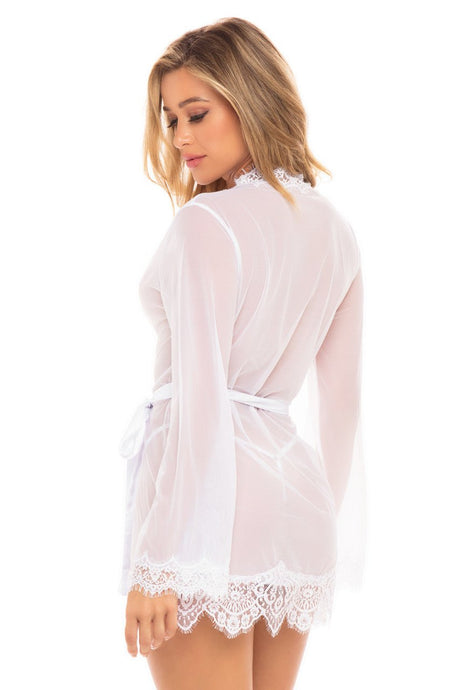
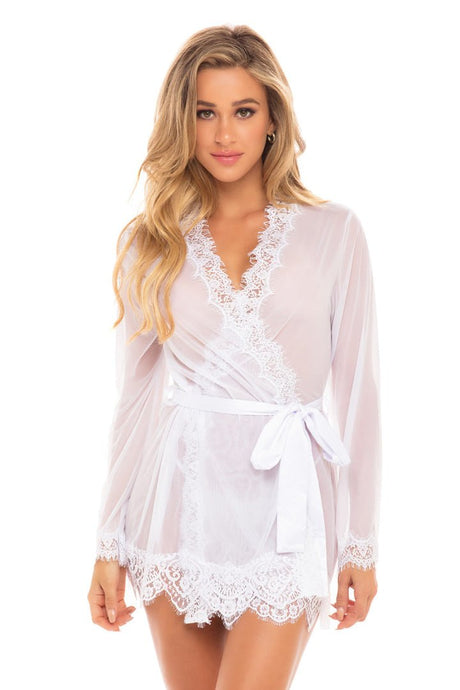
White lace dresses suit bridal showers, rehearsal dinners, summer parties and graduations. Guipure and corded lace are heavier and more structured; Chantilly and other fine laces are lighter and more delicate. Almost all white lace dresses need a lining, and the lining color changes the look: a white lining makes the lace look bright and crisp, a skin-tone lining makes it look more delicate and slightly see-through by design.
Hand wash or dry clean lace, never wring it, and dry it flat. Store it folded with tissue, away from hooks and jewelry that could snag it. Our lace dress guide covers the different laces in more detail.
White in Strong Sunlight
The light changes everything.
A dress that looks perfectly opaque in a fitting room can be sheer in sunlight. Strong light behind you shines through thin fabric and shows your silhouette, including the outline of underwear and the shape of your legs. That is why outdoor events such as garden parties, graduations and beach days need the most planning.
Stand with your back to a window or step outside before you commit to an outfit. If the light shows through, a slip, a lined dress or smoothing shorts will fix it. Darker skin-tone underwear does not help in this case: what helps is a layer that blocks the light.
Why White Dresses Turn Yellow
And how to prevent it.
White fabric yellows over time for a few reasons: body oils and sweat left in the fibers, deodorant residue, too much detergent that is not rinsed out, chlorine bleach reacting with synthetic fibers, and storage in plastic or in light. The most effective prevention is simple: wash white dresses after every wear, rinse well, and store them clean in breathable cotton, away from sunlight.
If a white dress has already yellowed, an oxygen-based soak in cool or warm water, following the label, often brightens it. Test on a hidden seam first, and take silk, satin and delicate lace to a specialist cleaner rather than soaking them at home.
What Colors Go With a White Dress
Build an outfit around white.
White pairs with almost anything, which makes it easy to change the mood. Navy and red give a classic, nautical feel. Camel, cognac and tan look warm and expensive. Black adds sharp contrast for evenings. Pastels such as blush, sky blue and mint look soft and springlike, and bright colors such as cobalt, coral and emerald pop against white in summer.
Choose one or two accent colors for shoes, bag and jewelry rather than many, and let the white dress stay the main piece. A patterned scarf or bag is an easy way to bring several colors in at once.
Buying a White Dress Online
Read the details closely.
Product photos are often lit to make white look opaque, so read the description carefully. Look for "lined", "fully lined" or "double layer", the fabric content and weight, and reviews that mention sheerness. Check the exact shade, because white, ivory and cream can look very similar on a screen.
When the dress arrives, try it on in daylight with the underwear you plan to wear, take a flash photo, and check the back before removing the tags. Returns are much easier than fixing a sheer dress after the event.
Choosing a White Graduation Dress
Photos, gowns and long ceremonies.
White is a graduation tradition at many schools, and it looks bright in photos against a dark gown. Choose a dress that is shorter than the gown or a length that looks intentional underneath it, in an opaque fabric that does not crease badly when you sit for a long ceremony. Crepe, poplin and lined eyelet work well.
Pick comfortable shoes for walking across a stage and around campus, and a neckline that sits neatly under the gown's collar. Skin-tone seamless underwear and a smooth bra matter here too, because you will be photographed outdoors, in bright light and with flash, many times in one day.
Spending on a White Dress
Where quality shows most.
White shows the difference between a well-made dress and a cheap one more than any other color. Thin fabrics, missing linings and rough seams are all obvious in white. If you are going to spend more on one dress, a white dress you will wear often is a good candidate: a lined crepe sheath, a heavy cotton poplin shirt dress or a well-lined eyelet midi will look crisp for years with good care.
For one-off events such as a bachelorette or an all-white party, a less expensive dress can work well, as long as it passes the sheerness test with the right underwear.
Staying Cool in a White Dress
White is the coolest color in the sun.
White reflects sunlight, which helps it feel cooler outdoors than dark colors. Pair that with a breathable fabric such as linen, cotton voile or gauze and a loose cut, and a white dress is one of the most comfortable things to wear on a hot day. Choose breathable cotton or micro-mesh seamless underwear and a light wireless bra or bralette in a skin tone, and add anti-chafe shorts for long walks. Our guide to shapewear in hot weather covers the lightest options.
White Dress Silhouettes
Shape changes how white reads.
Because white has no pattern or color to break it up, the silhouette does more of the work. A crisp A-line or fit-and-flare looks fresh and classic. A column or sheath looks minimal and modern, and needs the smoothest foundation underneath. A tiered or smocked dress looks relaxed and summery, and its volume hides more of what is underneath. A wrap dress defines the waist and suits many figures.
Details such as puff sleeves, a square neckline, ruffles or pin-tucks add interest without color. If you want white to feel special for an event, choose one strong detail and keep the rest simple. A white dress with too many details at once, such as ruffles, cutouts, lace and a print, can look busy, while one well-chosen detail looks deliberate. Our guide to types of dresses explains each silhouette, and our dress necklines guide covers the neckline that best frames the face in a pale color.
Common White Dress Mistakes
Most come down to what is underneath.
White Dress Checklist
Run through these before you go.
- Underneath: skin-tone, seamless and smooth?
- Opacity: checked in daylight and with flash?
- Occasion: not a wedding where you are a guest?
- Shade: right for the light and your skin?
- Kit: a stain pen in your bag?
- Makeup: set before you dress?
What This Means for You
A white dress is one of the freshest things you can wear, and almost every problem with it comes down to what is underneath. Choose a bra and underwear in a shade close to your own skin tone, smooth and seamless, and add a slip under thin fabric. Then check the dress in daylight and with flash before you leave.
Wear white to graduations, parties, vacations and work, keep it away from weddings where you are a guest, and look after it with whites-only washing and quick stain treatment. A well-made white dress cared for this way stays bright for years.
For more warm-weather dresses, see our guides to the sundress, summer dresses and the lace dress.
Sundress, Summer and Lace Dresses
More dresses for bright days.
SundressSummer DressesLace DressFrequently Asked Questions
What should I wear under a white dress?
Why does white underwear show under a white dress?
How do I make sure a white dress is not see-through?
Can you wear a white dress to a wedding?
When is it appropriate to wear a white dress?
Can you wear white after Labor Day?
What shoes go with a white dress?
How do I keep a white dress white?
What is the difference between white, ivory and cream?
What bra should I wear with a white dress?
Does a white dress need a slip?
What color accessories go with a white dress?
Can I wear a white dress to a graduation?
What should the bride wear to her bridal shower?
How do I get stains out of a white dress?
Do white dresses make you look bigger?
What is an all-white party dress code?
Can I wear a white dress to a funeral?
Should my bra match my dress?
What is winter white?
This guide covers white dress styles, fabrics and care and is for general information. Fabrics and care instructions vary between makers, so always check the care label, and test stain removers on a hidden area first.