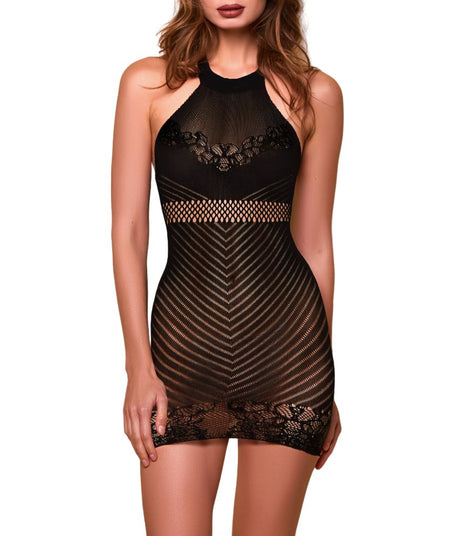
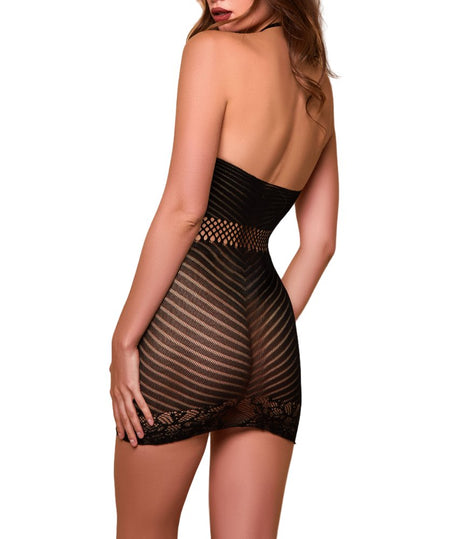
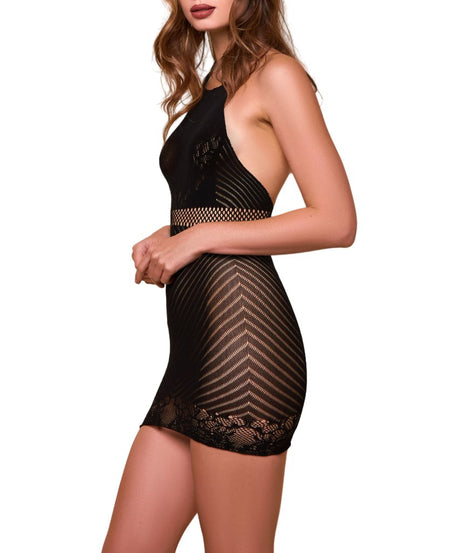
What is a sheath dress, and how should it fit?
A sheath dress is a fitted dress shaped with darts or seams to follow the bust, waist and hips, with a straight or slightly tapered skirt that usually ends near the knee. It has no waist seam and no flare.
It should skim the body without pulling: no wrinkles across the hips, darts that point at the fullest part of the bust and a skirt you can sit and walk in. Because it fits closely, wear seamless underwear and a smooth bra chosen for the neckline.
The most useful sheath is a knee-length style in black, navy or burgundy crepe or ponte, which works for the office, interviews, dinners and weddings.
The sheath dress is the most tailored dress in most wardrobes. It follows the body with darts and seams rather than stretch, so it looks polished and structured without being tight. It is the classic dress for offices, interviews, cocktail parties and formal daytime events.
This guide explains what makes a dress a sheath, how it differs from shift, bodycon and pencil dresses, how it should fit, which fabrics and lengths work, what to wear underneath, and how to style one for every occasion and figure.
- Shaped by darts and seams, not by stretch.
- Straight skirt that usually ends near the knee.
- Size for the widest point, then tailor the rest.
- Stable fabrics such as crepe, ponte and wool.
- Seamless underwear; lines show at the hip.
- A back vent makes walking and sitting easier.
Sheath vs Shift, Bodycon and A-Line
Shaped, not stretched.
| Silhouette | Shape | Fabric | Feels |
|---|---|---|---|
| Sheath | Follows bust, waist and hips | Woven or stable knit | Tailored and polished |
| Shift | Straight from the shoulders | Any | Relaxed and simple |
| Bodycon | Tight from top to hem | Stretch knit | Close and bold |
| Pencil | Fitted, tapers at the hem | Woven with stretch | Very tailored |
| A-line | Fitted top, flared skirt | Any | Easy and balanced |
The sheath sits between the shift and the bodycon. It has shape at the waist, which a shift does not, but it gets that shape from tailoring rather than stretch, so it skims rather than clings. A bodycon dress is the stretch, close-fitting cousin; an A-line dress keeps the fitted top but adds room at the hips. Our types of dresses guide covers every silhouette.
Sheath Dress Styles
Ten versions of a classic.

If you only buy one sheath, choose a sleeveless or cap-sleeve style in black or navy stretch crepe, just above or at the knee, with a back vent. Add a blazer for work, heels for a cocktail party and a cardigan for church or a daytime event. Our little black dress guide covers more ways to wear a black dress.
How a Sheath Dress Should Fit
Close, but never tight.

Because a sheath follows the body at the bust, waist and hips, it has to fit at all three. Size for your widest point, which for many people is the hips, then have a tailor take in the other areas. A dress that fits the waist but pulls at the hips will ride up and wrinkle every time you sit.
Do the sitting and walking test before you buy. Sit on a chair, cross your legs, walk a few long steps and climb a stair. If the skirt rides up far or you cannot take a normal step, choose a size up, a stretch fabric or a style with a vent or slit.
Sheath Dress Fabrics
Stable fabrics hold the shape.
| Fabric | Feel | Best for |
|---|---|---|
| Stretch crepe | Smooth, with give | Work, dinners and travel |
| Ponte knit | Thick and stable | Everyday work and comfort |
| Wool and wool blends | Structured and warm | Fall and winter work |
| Stretch cotton | Crisp | Summer and casual |
| Satin | Sheen | Cocktail parties and weddings |
| Brocade and jacquard | Rich and structured | Formal and holiday events |
| Lace over lining | Delicate | Evening and weddings |
| Scuba or neoprene | Smooth and sculpted | Modern cocktail looks |
| Linen blend | Light | Hot weather, creases easily |
A sheath needs a fabric that holds its shape. Stable fabrics such as crepe, ponte, wool and brocade keep the tailored line and smooth over the body. A little elastane, around 2 to 5 percent, makes the dress much easier to sit and move in without losing the shape. Very thin, drapey fabrics such as chiffon and light jersey cling and show every line, so they are better for looser dresses.
Sheath Dress Lengths
Knee length is classic.
| Length | Look | Best for |
|---|---|---|
| Above the knee | Modern and youthful | Petite figures and cocktail parties |
| At the knee | Classic and polished | Work, interviews and most figures |
| Just below the knee | Conservative | Formal offices and ceremonies |
| Midi | Elegant | Tall figures, evening and weddings |
The classic sheath ends at or just above the knee, which shows the narrowest part of the leg and is easy to walk in. A midi sheath needs a vent or slit so you can move. Our guide to dress lengths explains how each length suits different heights.
What to Wear Under a Sheath Dress
Smooth from bust to hip.
A sheath fits closely at the bust, waist and hips, so everything underneath needs to be smooth. The bra depends on the neckline; below, seamless is the rule.
The bra
| Neckline | Best bra | Why |
|---|---|---|
| Round or bateau neck | T-shirt bra | Smooth under a closed front |
| V-neck or scoop | Plunge bra | Hides below the neckline |
| Square neck | Balconette or T-shirt bra | Straps set wider |
| Strapless sheath | Strapless bra | Secure under a fitted bodice |
| Halter or one shoulder | Convertible bra | Straps re-route to match |
| Wide armholes | Smooth bra with low sides | Nothing shows at the side |
Under crepe and ponte, a smooth, molded cup in a shade close to your skin tone shows the least. If you are unsure of your size, Brasize.ai can give you a starting point. Our guides to the T-shirt bra, the plunge bra, the strapless bra and bras for every neckline explain each option.
Below
The hip is where a sheath shows the most. Choose seamless or laser-cut briefs, a thong or a seamless boyshort in a shade close to your skin tone. Avoid lace edges and thick seams. Our guide to hiding panty lines covers which styles disappear best.
Smoothing and slips
Many people like light or medium smoothing shorts under a sheath for a sleek line and to stop chafing. They are optional: choose comfort over compression. A slip helps an unlined sheath slide over tights and stops cling. Our guide to slips and shapewear explains the difference.
Seamless Underwear, T-Shirt Bras and Shapewear
Smooth layers for a close, tailored fit.
Seamless UnderwearT-Shirt BrasShapewearHow to Style a Sheath Dress
Clean lines, simple pieces.

| Piece | Day | Evening |
|---|---|---|
| Shoes | Pumps, loafers or block heels | Pointed heels or strappy sandals |
| Jacket | Blazer or tweed jacket | Cropped satin jacket or wrap |
| Belt | Thin leather belt | Metallic belt |
| Bag | Structured tote | Clutch |
| Jewelry | Pearls, studs and a watch | Statement earrings |
The sheath is simple by design, so it takes accessories well. A thin belt adds definition; a statement necklace fills a bateau neck; pearl studs and a watch look classic for work. Keep the bag structured to match the tailored line. Pointed-toe shoes lengthen the leg below a knee-length hem.
Shoes for a Sheath Dress
Pointed toes lengthen the leg.
A sheath has a narrow, clean line, so sleek shoes suit it best. Chunky boots and heavy sneakers can make the lower half look heavy against a slim skirt. In winter, a heeled ankle boot in the same color as your tights keeps the line long.
Jackets and Layers
The sheath is made for layering.
A sheath under a matching or contrasting jacket is one of the most polished outfits you can wear, and the dress works alone once the jacket comes off. A cropped jacket shows the shape of the dress; a longer blazer should end at the hip or just above.
Where to Wear a Sheath Dress
From the office to a cocktail party.
| Occasion | Sheath choice | Notes |
|---|---|---|
| Office | Crepe, ponte or wool | Sleeves or a blazer |
| Interview | Solid knee-length sheath | Dark color, closed shoes |
| Cocktail party | Satin, lace or brocade | Heels and statement earrings |
| Wedding guest | Satin or crepe in a color | Avoid white and ivory |
| Church or ceremony | Sheath with sleeves or a jacket | Modest neckline |
| Funeral or memorial | Black or navy crepe | Simple and covered |
| Dinner or date | Fitted sheath | Heels and a clutch |
| Graduation or awards | Bright or solid sheath | Comfortable heels |
Our guides to the cocktail dress, wedding guest dresses and semi-formal dresses cover the dress codes for each event.
Sheath Dresses for Every Figure
Fit first, then fabric.
The sheath is most forgiving when the fabric has structure. A thick ponte or stretch crepe smooths over the body, while thin jersey shows everything. For most figures, a dark solid, a V or scoop neck and a hem at the knee is the easiest place to start.
Tailoring a Sheath Dress
The secret to a perfect fit.
Because a sheath is fitted in three places, it often needs small alterations. A tailor can take in the waist and back, shorten the hem, adjust the darts, take in the shoulders and add or lengthen a vent. Letting a sheath out is only possible if there is extra fabric in the seams, so buy for the widest part of your body and take in the rest.
Where the Sheath Comes From
A mid-century classic.
The sheath became a wardrobe classic in the 1950s and 1960s, when tailored, fitted dresses with clean lines were the height of elegance for both day and evening. Its simple shape made it a natural canvas for good fabric and careful tailoring. It has stayed in fashion because it is easy to dress up or down and looks polished with very little effort.
Sheath Dresses for Work
The professional staple.
The sheath is one of the best work dresses because it looks tailored and serious on its own. Choose crepe, ponte or wool in navy, black, gray, burgundy or a small check. Keep the hem at or just below the knee, add sleeves or a blazer, and wear pumps, loafers or low block heels. A ponte sheath is comfortable for long days at a desk; a wool sheath looks sharpest in formal offices.
Sheath Dresses for Weddings
Elegant and simple.
For wedding guests, a sheath in satin, crepe, lace or brocade is a classic choice. Jewel tones and pastels suit daytime and evening weddings; prints suit garden parties. Add a wrap or cropped jacket for the ceremony, heels or block heels and a small clutch. Avoid white, ivory and pale champagne. Our wedding guest dress guide explains each dress code.
Sheath Cocktail Dresses
Sleek and polished.
A satin, brocade or lace sheath at the knee is one of the sleekest cocktail dresses. Its clean line looks modern with strappy heels and statement earrings. A black sheath with a bateau neck is a timeless choice. Our cocktail dress guide covers more evening styles.
Sheath Dresses for Interviews
Confident and calm.
A solid knee-length sheath in a dark color, with sleeves or a blazer, is one of the safest interview outfits. It looks prepared without drawing attention. Keep the neckline modest, the jewelry small and the shoes closed. Do the sitting test at home; you will sit for most of the interview.
Plus-Size Sheath Dresses
Structure and stretch.
In extended sizes, look for a sheath in stretch crepe or thick ponte with princess seams, which shape the bust and waist without pulling. A V or scoop neck, a hem at the knee and a dark or rich solid color suit most figures. A full lining helps the dress glide over the body. Light smoothing shorts prevent chafing. Our guides to plus-size shapewear and plus-size bras for large breasts cover the layers.
Petite and Tall
Proportion is everything.
If you are petite, a sheath that ends at or just above the knee keeps the proportions balanced, and petite sizing places the darts and waist shaping where your body is. Nude or tonal shoes lengthen the leg. If you are tall, knee-length and midi sheaths both work, and tall ranges give a longer torso so the waist shaping sits in the right place.
Sheath Dresses During Pregnancy
Stretch for a growing bump.
A stretch ponte or jersey sheath designed for maternity grows with the bump and looks polished for work and events. Regular sheaths are usually too fitted after the first trimester. Choose a soft maternity bra with a smooth cup and comfortable seamless underwear. Our guide to maternity and nursing bras explains the options.
Sheath Dresses at Any Age
Timeless and tailored.
The sheath suits every age. A knee-length sheath in crepe or ponte with sleeves, worn with a tailored jacket or cardigan, looks polished and comfortable. Rich solid colors and a modest neckline are easy to wear. Our guide to bras for older women covers comfortable support under fitted dresses.
Sheath Dress Necklines
And the bra for each.
The bateau neck is the classic sheath neckline: wide, high and elegant, especially on narrow shoulders. A V or scoop neck opens up the top and suits a fuller bust or broad shoulders. Our guide to dress necklines covers how each one suits different bust sizes.
Sleeves on Sheath Dresses
From sleeveless to long.
Sleeveless and cap-sleeve sheaths are the classic summer and cocktail styles. Short and three-quarter sleeves make a sheath office-ready without a jacket. Long fitted sleeves suit fall and winter and look very polished in wool and crepe. Because a sheath is fitted, the armholes should sit close without cutting in; check that you can reach forward comfortably.
Vents, Slits and Walking
Room to move.
A straight skirt limits your stride, so most sheaths have a back vent or slit. A vent is a lapped opening that stays closed when you stand; a slit is an open split. Both let you walk, climb stairs and sit comfortably. If a sheath has neither, choose a stretch fabric or have a tailor add a vent at the center back seam.
Linings
Why they matter.
A good sheath is fully lined. The lining helps the dress glide over the body and over tights, stops it clinging or creasing, hides seams and makes thin fabrics opaque. Unlined knits such as ponte are fine on their own, but a slip helps if they cling.
Ruched and Draped Sheaths
Built-in camouflage.
Ruching, gathered fabric at the side or the waist, softens a sheath and hides the middle. A side-ruched sheath is one of the most forgiving fitted dresses for apple shapes and after pregnancy. Draped and wrap-front sheaths work the same way. Choose ruching in a fabric with some weight so it lies flat.
Peplum Sheaths
Shape at the waist.
A peplum is a short, flared panel at the waist. On a sheath, it creates a waist and adds curve at the hip, which suits straight figures and smaller hips. On fuller hips, a peplum can add width, so choose a small, soft one or skip it.
Colors and Prints
Solids look most polished.
The sheath looks most polished in solid colors: black, navy, gray, burgundy, camel, emerald, cobalt and red. Small checks, houndstooth and subtle textures suit work. Bold prints and color blocking make a sheath playful; side panels in a darker shade create a slimming effect. Our guide to the little black dress covers the classic black sheath.
Sheath Dresses Through the Year
Change the fabric.
| Season | Fabric | Wear with |
|---|---|---|
| Spring | Stretch crepe, cotton | Trench, pumps and a cardigan |
| Summer | Stretch cotton, linen blend | Sandals and a straw tote |
| Fall | Ponte, wool crepe | Blazer, tights and ankle boots |
| Winter | Wool, heavy ponte, brocade | Opaque tights, boots and a wool coat |
In winter, a wool sheath with long sleeves, opaque tights and heeled boots is warm and sharp. In summer, a sleeveless stretch cotton sheath with sandals is cool and simple. Our guide to tights and stockings covers cold-weather legwear.
Casual Sheath Dresses
Off duty.
In cotton, chambray, denim or a soft knit, a sheath works on weekends with white sneakers, flat sandals or loafers and a denim jacket. A striped or solid knit sheath is as easy as jeans and a T-shirt, and looks more put together.
Sheath Dresses for Church and Ceremonies
Modest and polished.
For church, christenings and graduations, a sheath with sleeves or a cardigan, a modest neckline and a hem at or below the knee is comfortable for sitting and standing. A matching jacket looks especially polished for ceremonies.
Sheath Dresses for Funerals
Simple and respectful.
A black, navy or charcoal sheath with sleeves and a modest neckline is one of the most appropriate outfits for a funeral or memorial. Add closed shoes, minimal jewelry and a coat for outdoor time.
Sheath Dresses for a Date
Sleek and confident.
A fitted sheath in a rich color or a subtle sheen, with heels and simple jewelry, is a confident date outfit. Satin or a jewel-tone crepe suits dinner; a cotton sheath with flats suits a daytime date.
The Dress Suit
Sheath plus jacket.
A sheath with a matching jacket is a dress suit: as formal as a skirt suit, easier to wear and more flexible, because the dress works alone. It suits formal offices, court, interviews, ceremonies and mother-of-the-bride or -groom dressing. Choose the jacket to end at the hip or the waist.
Signs of a Well-Made Sheath
Check the tailoring.
Look for darts that match on both sides, an invisible zipper that lies flat, a full lining, a vent that hangs straight and a hem that is even all round. The dress should hang without twisting. Generous seam allowances, about 2 cm or more, mean a tailor can let the dress out if you need it.
Caring for a Sheath Dress
Keep the shape.
Follow the care label. Wool and lined crepe usually need dry cleaning; ponte and stretch cotton can often be machine washed cool. Hang sheaths on a shaped hanger so the shoulders keep their form, and steam rather than iron lined dresses to avoid shiny marks. Brush wool between wears.
Buying a Sheath Dress Online
Measure three places.
Check the bust, waist and hip measurements on the size chart against your own, and choose the size that fits your largest measurement. Check the length, whether there is a vent, the fabric content and whether the dress is lined. Reviews that mention the fit at the hips and whether the fabric has stretch are the most useful.
A Three-Sheath Capsule
Covers most of the year.
Add a blazer, a cardigan, a tailored coat, pumps, loafers and heeled ankle boots, and these three dresses cover work and events all year.
Sheath Dresses for an Apple Shape
Structure helps.
If you carry weight at the middle, choose a sheath in thick ponte or stretch crepe with side ruching or a seam detail at the waist. A V-neck draws the eye up. Darker side panels and vertical seams slim the silhouette. Light smoothing shorts or a smoothing slip give a sleek line if you like.
Sheath Dresses for a Pear Shape
Size for the hips.
For a pear shape, size for your hips and have the waist taken in. A darker color, a stable fabric and detail at the neckline or shoulders, such as a bateau neck or cap sleeves, balance fuller hips. A slightly tapered skirt flatters more than one that pulls straight across the hips.
Sheath Dresses for a Straight Figure
Create curves.
If your bust, waist and hips are close in measurement, choose a sheath with strong waist darts, a belt or a peplum to create a waist. Color blocking with a contrast panel at the sides adds curve. Textured fabrics such as brocade add volume.
Where to Spend
Fabric and tailoring.
Spend on fabric, lining and tailoring: a good crepe or wool, a full lining and a tailor to adjust the fit. A well-fitted sheath in a neutral color lasts for years. Save on trend colors and on accessories you will change each season.
Sheath Dresses for an Hourglass Figure
Follow the curves.
The sheath was made for an hourglass figure: it follows the bust, waist and hips without adding volume. Choose a style with princess seams or strong darts so the waist sits where yours does, and a V or sweetheart neck if you have a fuller bust. A belt is optional; the shaping already defines the waist.
Sheath Dresses for Broad Shoulders
Soften the top.
If your shoulders are broader than your hips, choose a V-neck, scoop neck or halter-style sheath with a plain shoulder, and avoid wide bateau necks and puff sleeves. A slightly fuller or textured skirt, or a peplum, balances the top.
Sheath Dresses for a Fuller Bust
Fit the bust first.
A fuller bust needs a sheath with enough room at the bust and darts that point at the fullest part. Princess seams fit a wider range of bust sizes than single darts. Size for the bust and have the waist and hips taken in, and wear a supportive molded bra for a smooth shape. A V or scoop neck is usually more comfortable than a high neck.
Courthouse and City Hall Weddings
Simple and chic.
For a city hall or courthouse wedding, a sheath in ivory, cream or a pale color for the couple, or a colorful sheath for guests, looks clean and modern. A cropped jacket or cape and simple heels finish the look. Guests should avoid white unless the couple asks for it.
Packing Sheath Dresses
Choose ponte.
For work trips, a ponte or stretch crepe sheath resists creases and works from a meeting to dinner. Roll it or fold it with tissue, and hang it as soon as you arrive. Pack a blazer and one pair of neutral pumps to cover most of the trip.
Static and Cling
A winter problem.
Unlined sheaths in synthetic fabrics can cling to tights in dry weather. A slip, anti-static spray on the inside of the skirt and a little moisturizer on your legs before tights all help. Lined sheaths rarely have this problem.
Belting a Sheath Dress
When it helps.
Most sheaths do not need a belt, because the darts already define the waist. A thin belt adds polish and color, and helps if a sheath is slightly loose at the waist. Wide belts suit taller figures and longer torsos. If you have a short torso, a belt in the same color as the dress keeps the line long.
Summer Sheath Dresses
Light and crisp.
In hot weather, choose a sleeveless sheath in stretch cotton, linen blend or seersucker. Light colors and small prints look fresh. Linen creases easily, so a cotton-linen blend with a little stretch keeps its shape better. Pair it with flat sandals or slingbacks and a straw tote. Our summer dresses guide has more warm-weather ideas.
Winter Sheath Dresses
Wool and tights.
In winter, a wool or heavy ponte sheath with long sleeves is warm and polished. Wear it with opaque tights, heeled ankle boots or knee boots and a tailored wool coat that covers the hem. A thin turtleneck under a sleeveless sheath adds warmth and looks modern.
Sitting and Moving in a Sheath
Practical habits.
Because a sheath has a straight skirt, sit with your knees together and angled slightly to one side, and smooth the skirt under you as you sit. Getting in and out of a car is easiest if you sit first and then swing both legs in together. A vent and a little stretch make all of this easier.
Six Easy Sheath Outfits
Formulas to repeat.
Graduations and Awards
Polished for photos.
For graduations, award ceremonies and speaking events, a sheath in a bright solid or a rich jewel tone photographs well and looks confident on stage. Choose a hem you can climb stairs in, comfortable heels and a lightweight jacket for indoor air conditioning or an outdoor ceremony.
Sheath Dresses for Mothers of the Couple
Elegant and comfortable.
A sheath with a matching jacket or a sheer overlay, in a soft or jewel tone that complements the wedding colors, is a classic choice for mothers of the bride or groom. Choose a fabric with stretch for a long day, a hem at or below the knee and comfortable heels. Check with the couple about colors before you buy.
Lace Sheath Dresses
Delicate over structure.
A lace sheath has a lace layer over a solid lining, which keeps the tailored shape while adding texture. A lining in a contrasting color, such as nude under black lace, shows the pattern; a matching lining looks more formal. Lace sheaths suit weddings, cocktail parties and evening events. Choose seamless underwear in a shade that matches the lining.
Scuba and Neoprene Sheaths
Smooth and sculpted.
Scuba is a thick, smooth double knit that holds a sculpted shape and resists creases. A scuba sheath looks modern and sleek and hides lines well. It is warm, so it suits cooler months and air-conditioned events better than hot days.
Petite Sheath Tips
Small changes, big difference.
Petite frames look best in a sheath with a higher waist position, shorter darts and a hem just above the knee. Nude or tonal shoes and a V-neck lengthen the line. Petite ranges handle most of this, and a tailor can raise the darts and shorten the hem on a standard size.
Choosing a Color
Near the face.
The bodice of a sheath sits close to the face, so the color matters. Hold it under your chin in daylight: if your skin looks bright and even, it suits you. If black feels harsh, try navy, charcoal or a deep plum. A colored jacket or scarf can bring a better shade near the face over a dress you already own.
Jewelry With a Sheath
Fill the neckline.
A sheath is plain, which makes it ideal for jewelry. A short necklace or pearls fill a bateau or round neck; a pendant suits a V. Statement earrings work with high necks. A watch and a simple bracelet look polished with short sleeves.
Pockets in a Sheath
Useful but subtle.
Some sheaths have in-seam side pockets. They are handy for a phone or keys at work, but anything bulky will show against the close fit, so keep them for small items. Check that the pockets lie flat when empty.
A slim card holder fits better than a full wallet.
Leave keys and anything heavy in your bag so the skirt hangs straight.
Common Sheath Dress Mistakes
Easy to avoid.
Sheath Dress Checklist
Before you buy or wear it.
- Hips: no horizontal wrinkles?
- Bust: darts at the fullest point?
- Back: lying flat, no gaping?
- Sitting: comfortable, not riding up far?
- Walking: a normal step with the vent?
- Underwear: seamless and smooth?
What This Means for You
The sheath dress is the tailored classic: fitted with darts and seams, polished on its own and easy to dress up or down. It works for the office, interviews, weddings and cocktail parties, depending on the fabric.
Size for your widest point and tailor the rest, choose a stable fabric with a little stretch, and keep everything underneath smooth. Start with a black or navy knee-length sheath, and it will cover more occasions than almost any other dress you own.
For more ideas, see our guides to the little black dress, the A-line dress and the bodycon dress.
Little Black, A-Line and Bodycon Dresses
More silhouettes explained.
Little Black DressA-Line DressBodycon DressFrequently Asked Questions
What is a sheath dress?
What is the difference between a sheath dress and a shift dress?
What is the difference between a sheath dress and a bodycon dress?
What is the difference between a sheath dress and a pencil dress?
Who does a sheath dress suit?
Is a sheath dress good for work?
What do you wear under a sheath dress?
What shoes go with a sheath dress?
How should a sheath dress fit?
Can you wear a sheath dress to a wedding?
Can you wear a sheath dress to an interview?
Are sheath dresses flattering on a pear shape?
Can you wear a sheath dress if you have a tummy?
What length should a sheath dress be?
What jacket goes with a sheath dress?
Can a sheath dress be casual?
What fabric is best for a sheath dress?
How do you sit in a sheath dress?
Can plus-size women wear sheath dresses?
Can you wear a sheath dress in winter?
This guide covers sheath dresses, fit and what to wear underneath, and is for general information. Sizing and care instructions vary between makers, so check the size chart and care label before you buy.