What are the best winter dresses, and how do you stay warm in one?
The best winter dresses are made in warm, heavy fabrics: wool, cashmere, thick knits, ponte and velvet, usually with long sleeves and a midi or maxi length. Sweater dresses, wool shifts, velvet midis and long-sleeve knit dresses are the core styles.
Stay warm by layering from the skin out: a thin thermal layer, a smooth bra and seamless underwear, the dress, fleece-lined or opaque tights with knee-high boots, and a long coat that covers the hem.
The most useful winter dress is a long-sleeve knit or wool midi in black, charcoal, camel or navy that works with tights and boots from December to March.
Wearing a dress in winter is easier than it looks. With the right fabric and a few warm layers, a dress can be just as warm as jeans, and it is often more comfortable indoors, where heating makes heavy sweaters too hot.
This guide covers the winter dress styles worth owning, the warmest fabrics, how to layer underneath and on top, which tights, boots and coats work with each length, and what to wear to holiday parties, winter weddings, the office and the snow.
- Warm fabrics: wool, cashmere, heavy knit, ponte and velvet.
- Layer from the skin out, with a thin thermal base.
- Fleece-lined or opaque tights and knee-high boots.
- A long coat that covers the hem of the dress.
- A smooth bra keeps lines from showing through knits.
- A slip stops static cling in dry winter air.
Winter Dress Styles
Twelve dresses for cold weather.

If you only buy one winter dress, choose a long-sleeve knit or wool midi in a dark neutral, with enough room for a thin thermal layer underneath. It works at the office with a blazer, at dinner with heeled boots and on weekends with flat boots and a long coat.
Winter dresses split into two groups. Warm dresses, such as sweater dresses, wool shifts and velvet, keep you warm on their own. Layering dresses, such as slip dresses, pinafores and lighter midis, need a turtleneck or thermal layer to work in the cold. Our fall dresses guide covers the transition from autumn.
The Warmest Dress Fabrics
Fiber and weight.

| Fabric | Warmth | Best for |
|---|---|---|
| Wool and wool blends | Very high | Shifts, plaid dresses and work |
| Cashmere | Very high | Soft knit dresses |
| Merino knit | High | Fine sweater dresses and turtlenecks |
| Cable or ribbed knit | High | Casual sweater dresses |
| Ponte | Medium to high | Sheath and work dresses |
| Velvet | Medium to high | Holiday parties and evenings |
| Corduroy | Medium | Pinafores and shirt dresses |
| Heavy jersey | Medium | Wrap dresses and everyday midis |
| Satin and crepe | Low | Evenings, layered with knits |
Wool is the warmest common dress fabric. It traps heat, breathes, stays warm when damp and resists odor, so it needs washing less often. Cashmere and merino are fine, soft wools that give warmth without bulk. Synthetic knits such as acrylic look warm but trap sweat and build up static. A wool blend with a little nylon is a good balance of warmth, softness and durability.
Weight matters as much as fiber. Hold the fabric up to a window: if you can see light clearly through it, it will not keep you warm on its own. A lining adds a layer of warmth and helps a wool dress slide over tights.
How to Layer a Dress for Warmth
From the skin out.
The secret to a warm winter dress is what you wear under and over it. Several thin layers trap more warmth than one thick one, and they are easy to adjust when you go from a cold street to a warm room.
Keep under layers thin and fitted so the dress still hangs well. A bulky base layer pulls at the seams and makes the dress look tight. Match a visible turtleneck to the dress or your tights for a long, clean line. Our guides to thermal leggings and bodysuits as underwear cover the base layers.
What to Wear Under a Winter Dress
Smooth, warm and no cling.

Winter knits show every line, and dry indoor heat makes dresses cling. Both are easy to fix with the right layers.
The bra
| Winter dress | Best bra | Why |
|---|---|---|
| Fine knit or merino | Smooth T-shirt bra | No lace or seams through the knit |
| Chunky sweater dress | Wireless bra | Comfortable under a loose knit |
| Wrap or V-neck dress | Plunge bra | Hides below the V |
| Velvet or satin | Smooth molded bra | No texture through the fabric |
| Off-the-shoulder knit | Strapless bra | No straps on show |
| Fuller bust in a knit | Supportive molded bra | Smooth shape and lift |
Under winter knits, a smooth, molded cup in a shade close to your skin tone shows the least. If you are unsure of your size, Brasize.ai can give you a starting point. Our guides to the T-shirt bra, wireless bras and bras for every neckline explain each option.
Below
Choose seamless underwear under fitted knits and ponte. Tights smooth the line at the hip, but a seamless brief is still more comfortable under them. Our guide to hiding panty lines covers the styles that disappear best.
Slips and smoothing
A half slip or full slip stops a wool or knit dress clinging to tights and adds a little warmth. Light smoothing shorts do a similar job and prevent chafing under midis. Our guide to slips and shapewear explains when to choose each.
Hosiery, T-Shirt Bras and Seamless Underwear
Warm, smooth layers for the cold months.
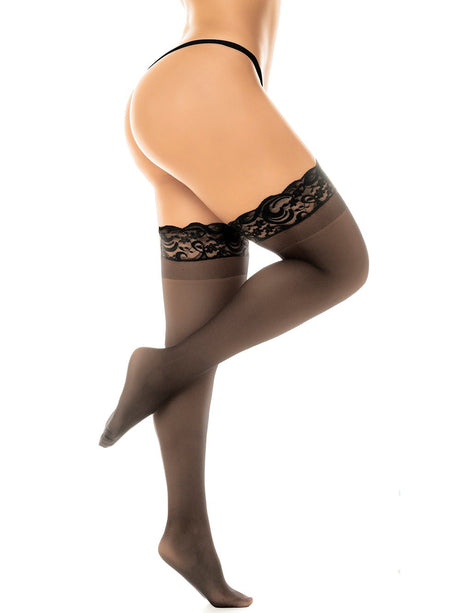
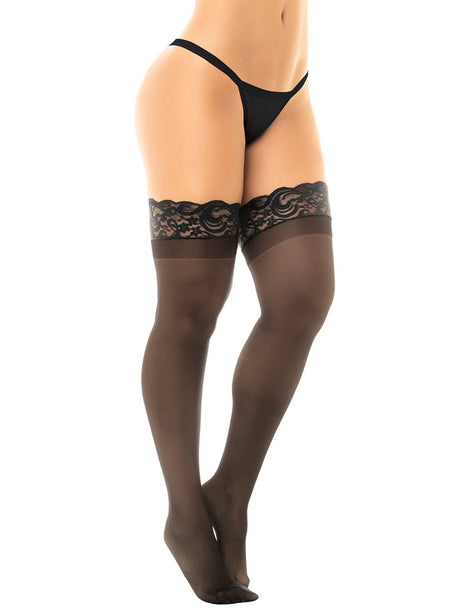
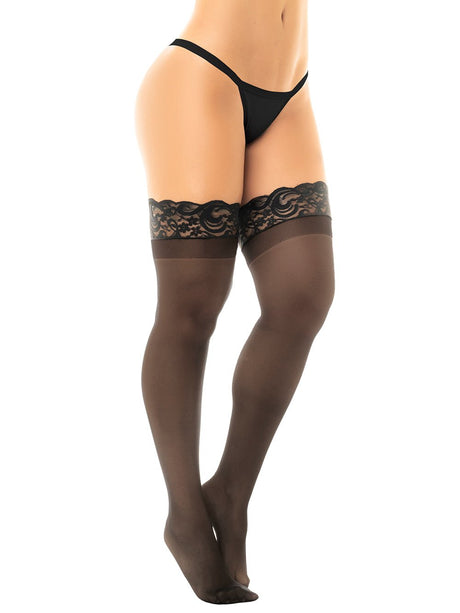
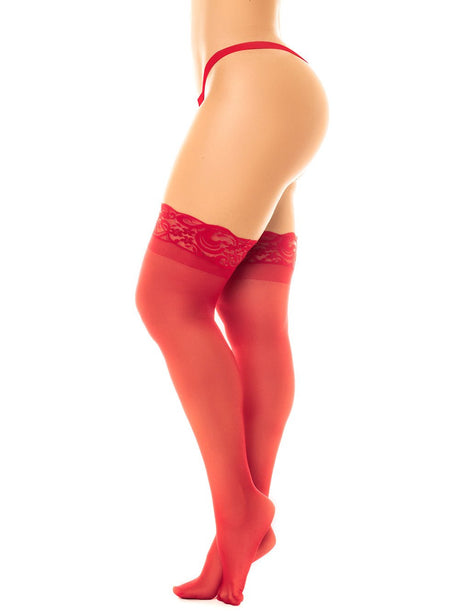
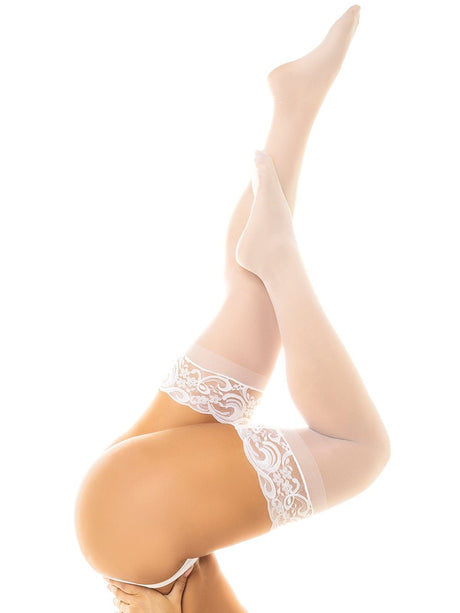
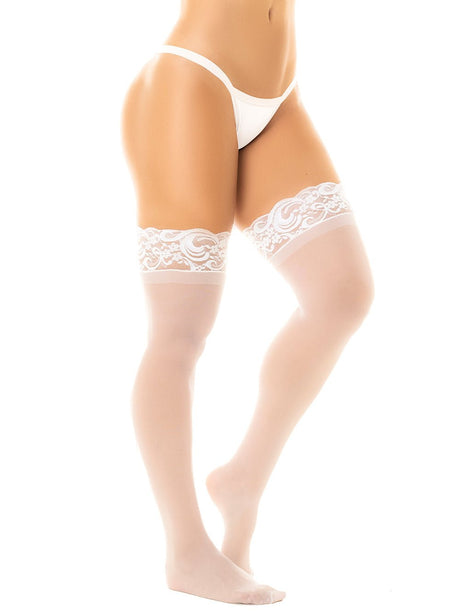
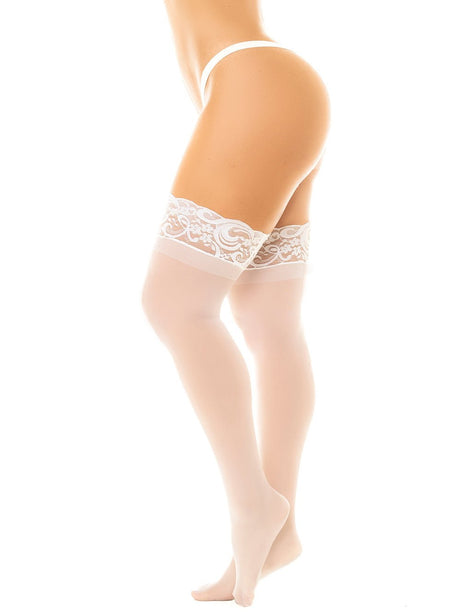
HosieryT-Shirt BrasSeamless UnderwearTights for Winter Dresses
Thicker is warmer.
| Tights | Warmth | Wear with |
|---|---|---|
| Sheer black, 15 to 20 denier | Low | Evening dresses indoors |
| Semi-opaque, 40 denier | Medium | Office dresses and mild days |
| Opaque, 80 to 100 denier | High | Sweater dresses and wool |
| Wool-blend tights | High | Cold commutes and weekends |
| Fleece-lined tights | Very high | Freezing days and outdoor events |
| Thermal leggings | Very high | Under maxis and long knits |
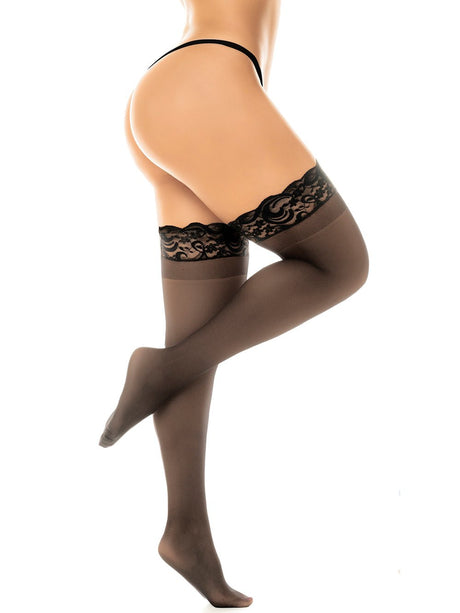
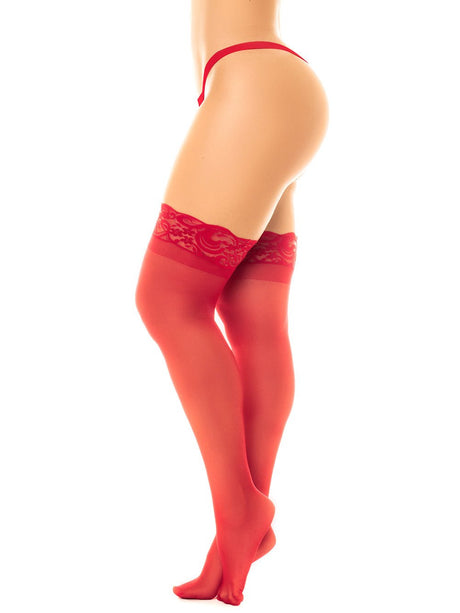
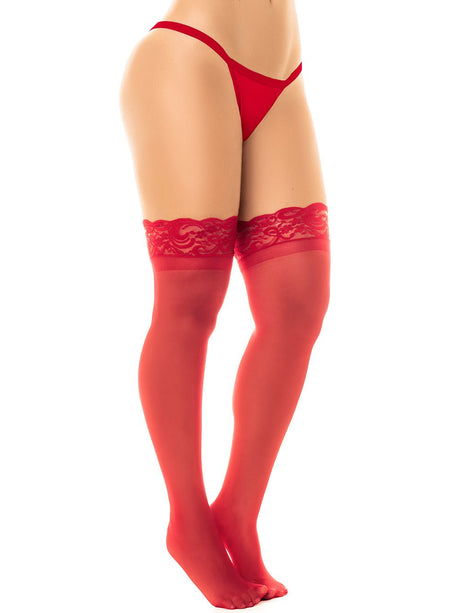
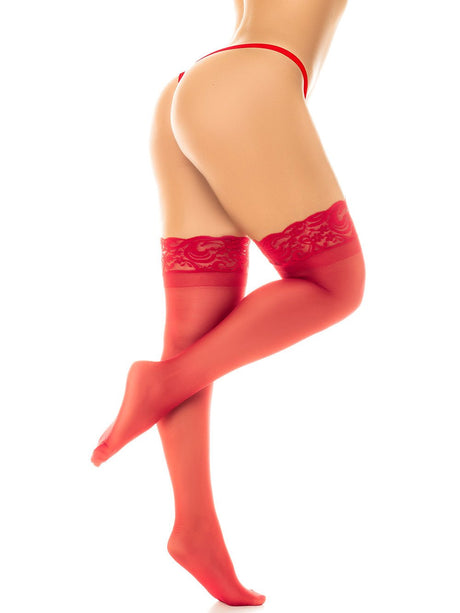
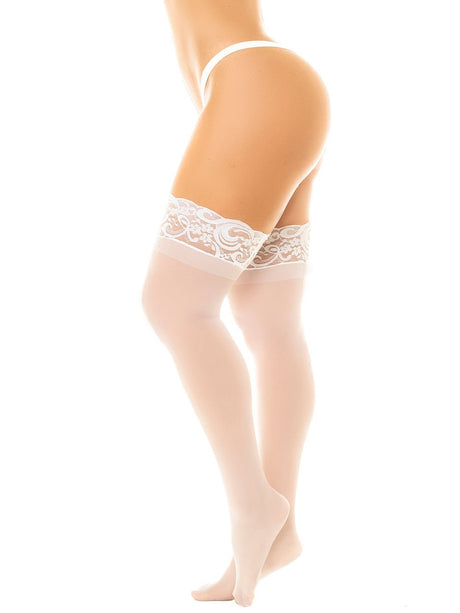
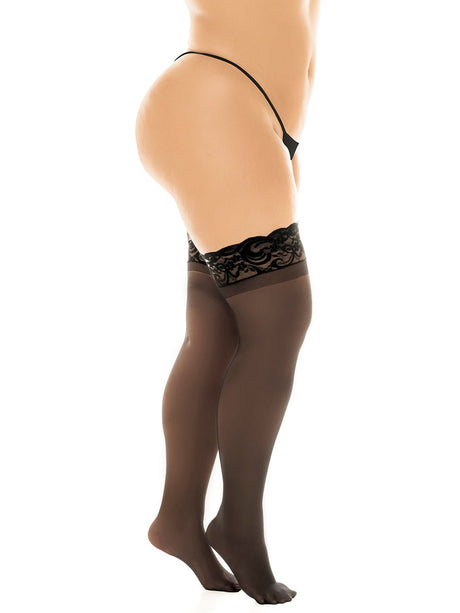
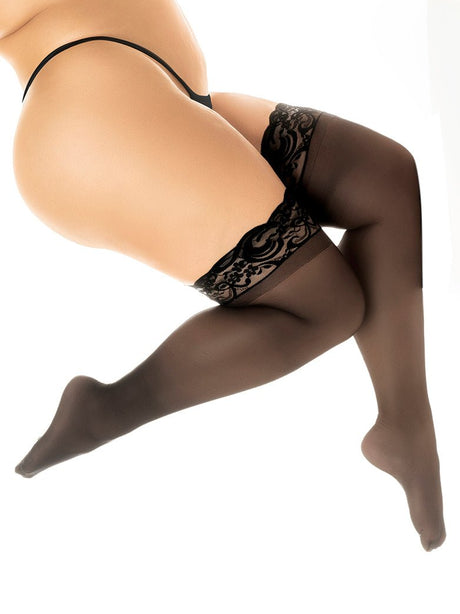
Denier measures the weight of the yarn: the higher the number, the thicker and warmer the tights. For most winter days, 80 denier or more keeps you comfortable. Fleece-lined tights look like opaque tights from the outside but are much warmer. Black, charcoal, navy, chocolate and burgundy tights all suit winter colors. Our guide to tights and stockings covers more styles.
Boots and Shoes for Winter Dresses
Warm feet, steady footing.
Match the boot to the hem. Knee-high boots look best when the hem covers the top of the boot or sits just above it. With a midi, the boot should disappear under the hem so there is no gap of cold leg. On snowy days, wear boots with grip and carry heels or flats to change into indoors.
Coats Over Winter Dresses
Cover the hem or end above it.
| Dress length | Best coat | Avoid |
|---|---|---|
| Mini or knee length | Knee-length wool coat, short puffer | Coats ending just above the hem |
| Midi | Long wool coat, long puffer, cropped jacket | Hip-length coats that cut the line |
| Maxi | Floor-skimming coat, cropped jacket | Knee-length coats |
| Full or puff sleeves | Cape or wide-sleeved coat | Narrow coat sleeves |
The neatest rule is to cover the dress completely or end well above it. A coat that stops just above the hem leaves a strip of dress showing, which looks unplanned and lets cold air in. A long wool coat over a midi is the warmest and most polished choice. Our long-sleeve dress guide explains which sleeve shapes fit under a coat.
Winter Colors and Prints
Deep, rich and neutral.
Winter colors are deeper and more saturated than spring and summer shades. Dark neutrals are the most versatile, and jewel tones bring color to gray days. If you love a light color, winter white and cream look polished with camel, gray and black accessories.
Where to Wear a Winter Dress
From the office to New Year.
| Occasion | Winter dress | Notes |
|---|---|---|
| Office | Wool or ponte sheath, knit midi | Blazer and loafers or ankle boots |
| Weekend | Sweater dress or jersey midi | Flat boots and a long coat |
| Holiday party | Velvet, satin or sequins | Sheer tights and heels |
| Christmas Day | Velvet or fine knit | Comfortable for a long meal |
| New Year's Eve | Sequins or metallic | A warm coat for outside |
| Winter wedding guest | Velvet, satin or crepe midi | Long sleeves or a wrap |
| Dinner or date | Knit or velvet midi | Heeled boots |
| Ski trip evenings | Sweater dress | Fleece tights and snow boots |
Our guides to the holiday party dress, the New Year's Eve dress and wedding guest dresses cover the dress codes for each event.
Wearing a Dress in Snow and Ice
Practical first.
On snowy or icy days, choose a knee-length or midi dress so the hem stays out of slush, with fleece-lined tights, waterproof boots with grip and a long coat. Avoid suede boots and silk or velvet dresses outdoors. Carry dry shoes to change into, and keep a pair of spare tights in your bag in case of splashes. A wool dress stays warm even if it gets damp; cotton and viscose do not.
Winter Dresses for Every Figure
Shape under the layers.
Winter layers add bulk, so keep one fitted point in every outfit: a belted waist, a fitted sleeve or a slim boot. A belt over a sweater dress or a cardigan is the easiest way to keep shape. Our A-line dress guide covers one of the most forgiving shapes for winter knits.
Winter Dresses for Work
Warm and polished.
For the office, choose a wool or ponte sheath, a knit midi or a long-sleeve wrap dress in a dark solid or a small check. Wear opaque tights and ankle boots or loafers, and keep a blazer or cardigan at your desk. Offices are often warm, so a dress that is warm enough for the commute can be too hot at your desk; plan layers you can remove.
Christmas and Holiday Dresses
Festive and comfortable.
For Christmas Day and family gatherings, choose a velvet, satin or fine knit dress in red, green, burgundy, navy or black, with sheer black tights and heels or boots. Choose a waist with some give for a long meal; a wrap or empire waist is the most comfortable. For office parties and cocktail events, add sequins or metallics. Our Thanksgiving dress guide covers more comfortable holiday-meal dressing.
Winter Wedding Guest Dresses
Rich fabrics and long sleeves.
Winter weddings suit velvet, satin and crepe in jewel tones and deep shades: emerald, burgundy, navy, plum and black. Long sleeves or a wrap keep you warm in a chilly venue, and closed-toe heels or heeled boots are practical. Plan a coat or wrap that looks good in outdoor photos, and avoid white, ivory and pale champagne.
Winter Evenings and Dates
A little more polish.
For dinners and dates, a velvet or fine knit midi with sheer black tights and heeled boots looks polished and keeps you warm walking between the car and the restaurant. Gold jewelry warms up dark winter colors. A satin slip dress with a cashmere sweater over it is an easy, relaxed date look.
Weekend Winter Dresses
Easy and warm.
Weekend dresses should be soft, washable and warm: a sweater dress with leggings underneath, a jersey midi with flat boots, or a corduroy pinafore over a turtleneck. A long puffer coat, a knit hat and a crossbody bag keep it practical for errands, walks and brunch.
Plus-Size Winter Dresses
Comfort and warmth.
In extended sizes, jersey wrap dresses, A-line knit midis and sweater dresses with some weight are the easiest winter choices. Choose knits that skim rather than cling, and wear light smoothing shorts or thermal leggings underneath to prevent chafing and add warmth. Wide-calf boots make knee boots an option for everyone. Our guides to plus-size shapewear and plus-size bras for large breasts cover the layers.
Petite and Tall
Proportion with heavy layers.
If you are petite, chunky knits and long, heavy coats can overwhelm a small frame. Choose fine merino knits, knee-length dresses and short midis, with tights and boots in the same color to lengthen the leg, and a coat that ends at or just above the knee. If you are tall, knit maxis, long wool coats and tall boots look striking, and tall ranges make sure long sleeves reach your wrists.
Winter Dresses During Pregnancy
Stretch and warmth.
Knit and jersey winter dresses stretch with a growing bump. Wrap dresses, empire-waist knits and sweater dresses all work. Wear maternity tights with a supportive panel and a soft maternity bra with a smooth cup under knits. A long coat that closes over the bump, or a maternity coat extender, keeps you warm. Our guide to maternity and nursing bras explains the options.
Winter Dresses at Any Age
Classic and comfortable.
A wool or knit midi in a rich solid, a long cardigan, opaque tights and low boots is a timeless winter look at any age. Long sleeves, longer hems and higher necks are easy to find in winter styles. Our guide to bras for older women covers comfortable support under knits.
How a Winter Dress Should Fit
Room for a base layer.
Try a winter dress on with the layers you will wear: a thermal top, thick tights and your boots. A dress that fits perfectly on its own can feel tight with a base layer underneath. If you are between sizes in a knit, the larger size often looks better over winter layers.
Which Length for Winter
Longer is warmer.
| Length | Winter pros | Wear with |
|---|---|---|
| Mini | Shows off boots and tights | Opaque tights and over-the-knee boots |
| Knee length | Easy with knee boots | Knee-high boots and thick tights |
| Midi | Warm and polished | Knee or ankle boots and a long coat |
| Maxi | Warmest; covers the legs | Flat boots and a long coat |
Midi is the most useful winter length: it covers the knees, meets the top of a knee-high boot and looks right under a long coat. Our guide to dress lengths explains how each length suits different heights.
Winter Necklines
Warmth at the throat.
A turtleneck or mock neck is the warmest neckline and looks sleek in a fine knit. A crew neck works with a scarf. A V-neck or wrap opens up a heavy knit and suits a fuller bust, but needs a scarf outdoors. Cowl necks are soft and warm and frame the face. Our guide to dress necklines covers the bra for each one.
Choosing a Sweater Dress
Knit, weight and shape.
A good sweater dress has a knit with enough weight to hang rather than cling. Ribbed knits are fitted and stretchy; cable knits are warm and textured; fine merino is smooth and polished. Turtlenecks and crew necks are the warmest. Check the inside: a fine knit may need a slip to stop it showing lines, and a chunky knit may need a belt to keep its shape.
Velvet in Winter
Rich and warm.
Velvet is the winter evening fabric. It has a soft pile that traps warmth and catches the light. Stretch velvet is comfortable and easy to wear; silk velvet drapes beautifully but needs careful handling. Wear it with sheer or opaque black tights and heels or heeled boots. Store velvet on a padded hanger and steam it rather than ironing, which crushes the pile.
Wearing a Slip Dress in Winter
Layer it.
A satin slip dress can work all winter with the right layers. Wear a fitted turtleneck underneath or a chunky sweater on top, add opaque tights and knee boots, and finish with a long coat. The contrast of smooth satin and soft knit looks modern, and the satin is lovely for holiday parties.
Dealing With Static
Dry heat, clinging fabric.
Indoor heating dries the air, and synthetic knits and tights build up static. Fixes include a slip under the dress, anti-static spray on the inside of the skirt and on tights, a light moisturizer on your legs before tights, and natural fibers such as wool and cotton. Running a metal hanger over the inside of the dress releases the charge in a pinch.
Winter Accessories
Warmth and texture.
Winter accessories add warmth and texture. A scarf in a color from the dress ties the outfit together, and a belt keeps shape under layers. Choose a bag that fits over a thick coat sleeve.
Staying Comfortable Indoors
Warm outside, hot inside.
The hardest part of winter dressing is the change from a cold street to a heated office, store or party. Choose a medium-weight dress with warm layers you can remove rather than the heaviest knit you own. A thermal top under a dress, a cardigan and a long coat can come off one by one. Wool breathes better than acrylic, so it is more comfortable indoors.
Packing Winter Dresses
Warm and compact.
For a winter trip, pack two knit or jersey dresses that resist creases, one pair of knee boots, fleece-lined and opaque tights, a thermal layer and a cardigan. Wear your coat and boots on the journey to save space. One dark knit midi can cover sightseeing with flat boots and dinner with heeled boots and earrings.
Ski Trips and Cabin Weekends
Cozy evenings.
For evenings after skiing or a cabin weekend, a chunky sweater dress with fleece-lined tights or leggings and snow boots is warm and relaxed. Bring heeled boots if you will go out to dinner. A cable knit in cream, gray or red looks seasonal and is comfortable by a fire.
Valentine's Day
Late winter romance.
For Valentine's Day dinners, a red, burgundy, pink or black dress in velvet, satin or a fine knit, with sheer tights and heels or heeled boots, suits the season. Bring a warm coat for the walk between car and restaurant.
Caring for Winter Dresses
Make wool and knits last.
Wool needs washing less often than most fabrics: air it overnight between wears and spot clean marks. Wash knits cool by hand or on a gentle cycle and dry them flat. Fold sweater dresses rather than hanging them so the shoulders do not stretch. Remove pills with a fabric shaver, and store wool clean with cedar to keep moths away. Salt stains on hems can be dabbed with a mix of water and a little white vinegar.
Signs of a Well-Made Winter Dress
Check before you buy.
Look for a knit that springs back when you stretch it, a high share of wool or another natural fiber, a lining in woven wool dresses, flat seams and an even hem. Pilling at the underarms and sides is the first sign of a weak knit. Buttons and zippers should be sewn firmly, and the dress should hang evenly without twisting.
A Five-Dress Winter Capsule
Fewer pieces, more outfits.
Add knee boots, ankle boots, three weights of tights, a thermal layer, a cardigan, a blazer and a long coat, and these five dresses cover the whole winter.
Where to Spend
Fiber and construction.
Spend on fiber and construction: a wool or wool-blend knit that holds its shape, a lining in woven dresses and seams that lie flat. A good wool dress lasts for years and needs little care. Save on trend colors and party pieces you will wear only a few times.
Six Easy Winter Outfits
Formulas to repeat.
Early Winter: December
Party season.
December brings the most events of the year: office parties, family dinners, concerts and New Year. Keep a velvet or satin dress, a sequin or metallic piece and a smart knit midi ready, with sheer and opaque tights and a pair of heeled boots. A long coat that works over every dress saves you from buying an evening coat.
Deep Winter: January and February
The coldest weeks.
In the coldest weeks, the warm dresses do most of the work: sweater dresses, wool shifts, knit maxis and ponte. Fleece-lined tights, thermal layers, tall boots with grip and a long coat become everyday basics. Keep evening dresses for indoor events and choose wool over synthetics for long days outside.
Late Winter Into Spring
Lighter layers.
As March arrives, swap heavy knits for long-sleeve jersey, crepe and lighter wool, move from fleece-lined to opaque or sheer tights, and change knee boots for ankle boots or loafers. Lighter colors such as cream, camel and soft gray bridge the seasons.
Office Holiday Parties
Festive but professional.
For an office party, choose something festive but appropriate: a velvet or satin midi, a sequin top half on a simple dress, or a jewel-tone knit with metallic accessories. Keep the neckline and hem at the level you would wear to work, add sheer black tights and heels or heeled boots, and bring a cardigan or blazer for the office itself.
Winter Church Services and Concerts
Covered and warm.
Churches, theaters and concert halls can be cold in winter. A long-sleeve wool or knit midi with opaque tights, low boots and a coat you can keep over your shoulders is comfortable for a long service or performance. For Christmas Eve services, a velvet dress in a deep color looks festive and respectful.
Pinafores and Layered Dresses
Built for winter.
A corduroy, wool or denim pinafore over a fitted turtleneck is one of the warmest and easiest winter dress outfits. Add opaque tights and loafers or ankle boots. The turtleneck covers the arms and neck, the pinafore adds a second layer over the body, and the look works for the office, weekends and travel.
Knit Maxi Dresses
The warmest dress.
A knit maxi covers the legs to the ankle, which makes it the warmest dress you can wear. Wear it with thermal leggings or thick tights, flat boots and a long coat. Ribbed knit maxis look sleek; cable knits feel cozy. Belt the waist or choose a style with a defined seam so the length does not overwhelm you. Our maxi dress guide covers more long styles.
Choosing a Color Near the Face
Winter light is flat.
Winter light is gray and cool, so color near the face matters more. Choose shades that make your skin look bright and even. If black feels harsh, try charcoal, navy or chocolate. A scarf in a flattering color can rescue a dress that is not quite right near your face.
Dry Skin and Itchy Knits
Comfort under wool.
Winter air dries the skin, and some wools feel scratchy. A thin base layer under a wool dress stops itching, and fine merino, cashmere and wool blends with silk or cotton are much softer than coarse wool. Moisturize before you dress, and choose tights with a cotton gusset for comfort.
Winter Dresses for Nursing
Access and warmth.
For nursing, choose wrap dresses, button-front shirt dresses and knit dresses with a V, so one side opens without lifting the dress. A long cardigan adds warmth and privacy, and a nursing bra with drop-down cups and a thin camisole keep you warm when the dress is open.
Planning for Outdoor Photos
Cold for a few minutes.
At winter weddings and holiday events, there are often photos outside. Plan a coat or wrap that looks good with the dress, such as a long tailored coat, a faux fur stole or a wool cape. Sheer black tights look elegant in photos and add a little warmth. Keep gloves in your bag for the walk between venues.
Winter Dresses for an Apple Shape
Room at the middle.
If you carry weight at the middle, a long-sleeve wrap dress, an empire-waist knit or an A-line sweater dress is the most comfortable winter choice. A V-neck draws the eye up, and a fabric with some drape skims rather than clings. Avoid very chunky knits that add bulk at the waist; a medium-weight merino is warmer than it looks.
Winter Dresses for a Pear Shape
Balance with texture on top.
For a pear shape, choose dresses with texture or detail on top, such as a cable-knit bodice, a cowl or turtleneck, or a statement collar, and a skirt that skims the hips. Dark tights and boots in the same color lengthen the leg. An A-line knit midi with a fitted top is a reliable choice.
The Sweater and Slip Look
Easy and warm.
A chunky cashmere or wool sweater over a satin slip dress is one of the easiest winter evening outfits. Tuck the front of the sweater loosely, add sheer black tights and heeled boots, and finish with a long coat. The knit keeps you warm; the satin skirt looks dressed up.
Winter Dresses With Kids
Practical and warm.
If you are chasing children through cold parks and holiday events, choose a washable knit dress in a dark color, leggings or fleece-lined tights underneath, and flat waterproof boots. A long puffer coat and a crossbody bag keep your hands free.
The Winter Commute
Walking, waiting and transit.
If you walk or take transit to work, plan the outfit around the coldest part of the day. Wear fleece-lined tights and warm boots for the journey and keep office shoes at your desk. A long coat that covers the dress, a scarf and gloves matter more than the dress itself while you wait on a platform. A crossbody bag keeps your hands free for railings and icy steps.
Coordinating Layers
Keep the line clean.
With so many winter layers, color coordination keeps the outfit looking intentional. Match tights and boots to lengthen the leg, keep a turtleneck under a pinafore in the same shade as the tights, and choose a coat in a neutral that works with all your dresses. Camel, black, charcoal and navy coats go with almost everything.
Cold Rain and Sleet
Stay dry.
On wet winter days, choose a knee-length dress so the hem stays dry, with waterproof boots, opaque tights and a long water-resistant coat with a hood. Skip suede, velvet and silk. Wool sheds light rain better than cotton and stays warm when damp.
Change into dry tights and shoes once you arrive, and hang the coat to dry away from direct heat.
A small travel umbrella in your bag covers the rest.
Common Winter Dress Mistakes
Easy to avoid.
Winter Dress Checklist
Before you go out.
- Fabric: wool, knit, ponte or velvet?
- Base layer: thin thermal if it is freezing?
- Bra: smooth under the knit?
- Tights: warm enough for the forecast?
- Boots: grip for snow or ice?
- Coat: covering the hem of the dress?
What This Means for You
A dress can keep you as warm as any winter outfit when it is made in the right fabric and layered well. Choose wool, knit, ponte or velvet, keep a thin thermal layer underneath, and finish with thick tights, boots and a coat that covers the hem.
Underneath, keep things smooth: a T-shirt or wireless bra under knits, seamless underwear and a slip to stop cling. Start with one long-sleeve knit or wool midi in a dark neutral, and you will wear it all winter.
For more ideas, see our guides to the sweater dress, the velvet dress and the long-sleeve dress.
Sweater, Velvet and Long-Sleeve Dresses
More dresses for cold weather.
Sweater DressVelvet DressLong-Sleeve DressFrequently Asked Questions
What dresses do you wear in winter?
How do you stay warm in a dress in winter?
What tights are warmest under a winter dress?
What shoes go with a winter dress?
What coat goes with a winter dress?
What bra do you wear under a sweater dress?
How do you stop a winter dress from clinging to tights?
Are velvet dresses good for winter?
What colors are best for winter dresses?
Can you wear a dress in the snow?
What should I wear to a winter wedding?
What dress should I wear to work in winter?
Can you wear a summer dress in winter?
What is the warmest fabric for a dress?
Are sweater dresses flattering?
What dress length is best for winter?
Can plus-size women wear winter dresses?
How do you care for wool and knit dresses?
What dress should I wear for Christmas?
What do you wear under a winter dress to stay warm?
This guide covers winter dresses, warm layering and what to wear underneath, and is for general information. Dress for your own climate and take extra care on snow and ice. Sizing and care instructions vary between makers, so check the size chart and care label before you buy.