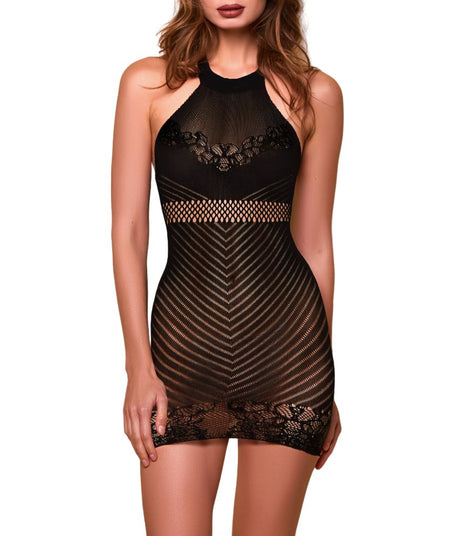
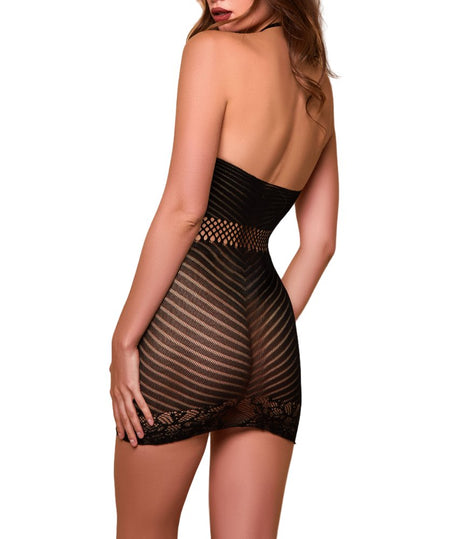
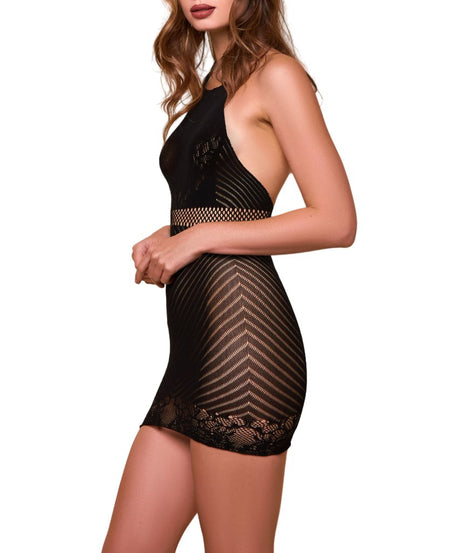
How do you wear a slip dress?
On its own with heels for evening, or layered for the day: a T-shirt underneath, or a sweater, blazer, denim or leather jacket over it, with sneakers, loafers or boots.
Underneath, a slip dress shows almost everything, so choose nipple covers or an adhesive bra, a laser-cut or seamless thong in a shade close to your skin tone, and light smoothing shorts if the fabric clings.
The easiest slip to wear is a midi in a medium-weight satin with adjustable straps, in black or a dark jewel tone.
The slip dress is one of the simplest dresses there is: thin straps, a smooth fabric and a shape that falls close to the body. That simplicity is what makes it so versatile. The same slip can go to a wedding with heels, to brunch with a T-shirt and sneakers, and to the office under a blazer.
It is also one of the most revealing dresses to wear, because satin and silk show every line underneath. This guide covers slip dress styles and fabrics, the bias cut, how to layer a slip for any season, what to wear underneath so nothing shows, and how to care for satin and silk.
- Heavier satin shows less than thin, shiny satin.
- Nipple covers or an adhesive bra work under most slip dresses.
- Laser-cut, skin-tone underwear disappears under satin.
- Layer it with a tee, sweater, blazer or leather jacket.
- Adjustable straps let the neckline sit where it should.
- Steam, do not iron hot, and spray perfume before you dress.
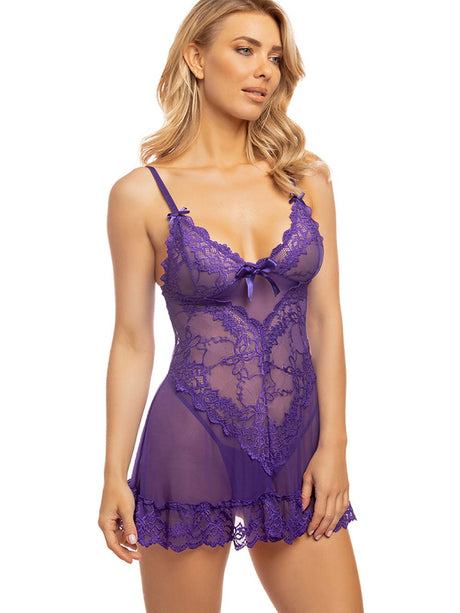
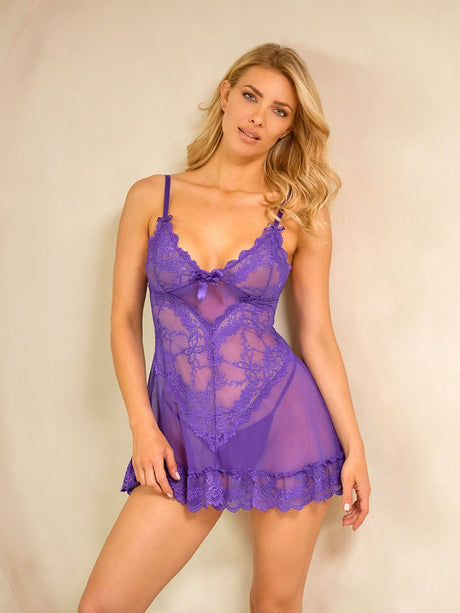
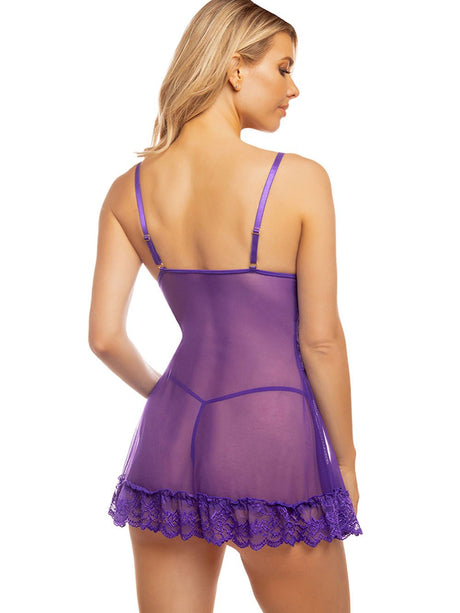
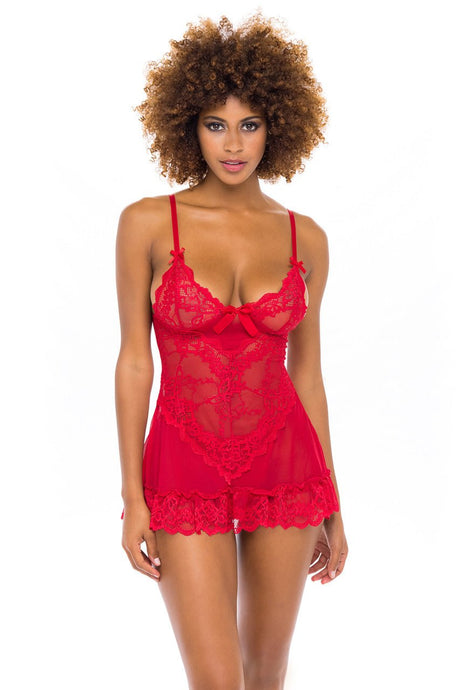
Slip Dress Styles
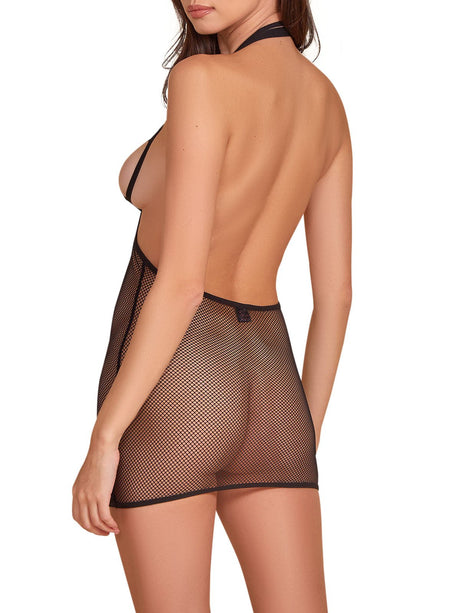
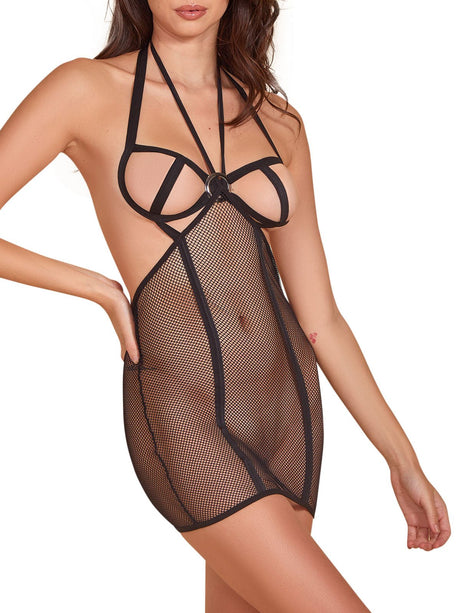
Ten versions of a simple shape.

If you are buying your first slip dress, choose a black or dark jewel-tone midi in a medium-weight satin, cut straight or lightly on the bias, with adjustable straps. It works for the most occasions and is the easiest to wear underneath.
Slip Dress Fabrics
Weight matters more than shine.
| Fabric | Feel | Notes |
|---|---|---|
| Silk charmeuse | Soft and fluid | Breathes well; usually hand wash or dry clean |
| Silk satin | Smooth with a sheen | Heavier weights show less |
| Polyester satin | Shiny and durable | Easier to wash; can feel warm |
| Acetate satin | Crisp sheen | Sensitive to heat; check the label |
| Viscose or rayon satin | Soft and breathable | Can shrink; wash cool |
| Crepe-back satin | Matte one side | Hangs well and shows less |
| Chiffon | Sheer and floaty | Needs a lining |
| Jersey | Stretchy and matte | Comfortable everyday slip |
Heavier fabrics hang better and show less underneath. A thin, very shiny satin reflects light off every bump and seam, while a heavier or matte satin skims over them. If a slip dress feels thin when you hold it, plan smoothing layers before you buy. Our guide to silk lingerie explains silk weights and finishes.
Mini, Midi or Maxi
Length changes the mood.
A midi slip is the most versatile: it works for weddings, dinners, work with a blazer and weekends with sneakers. A mini slip suits parties and warm nights. A maxi slip suits formal events and weddings. Our dress lengths guide and midi dress guide explain each length.
What to Wear Under a Slip Dress
The part that makes or breaks the look.

Satin and silk reflect light, cling and show every edge, seam and texture underneath. Thin straps and low backs rule out most bras. That is why a slip dress needs smooth, edge-free layers in a shade close to your skin tone.
On top
| Slip dress | Best option | Why |
|---|---|---|
| Thin satin, thin straps | Nipple covers | Nothing to show through or around |
| Heavier satin, thin straps | Adhesive bra or nipple covers | Shape without straps |
| Low or open back | Adhesive bra | No band across the back |
| Fuller bust, wider straps | Strapless or smooth T-shirt bra | Support when the straps allow it |
| Cowl neck | Nipple covers or adhesive bra | The drape can shift |
| Square neck | Strapless bra | A straight top edge that stays hidden |
If you are unsure of your size, Brasize.ai can give you a starting point. Our guides to nipple covers, adhesive bras, boob tape and low-back bras explain when each works best.
Below
Laser-cut or bonded-edge underwear has no seams or elastic to show through satin. A thong avoids lines across the seat, but under a bias cut a full seamless brief can look smoother because there is no change in texture. Choose a shade close to your skin tone rather than white or black. Our guide to hiding panty lines covers more options.
Smoothing layers
Light smoothing shorts or a thin slip under the dress give a smoother line under clingy satin, stop thighs from chafing and help the dress hang instead of sticking. Avoid heavy shapewear with thick edges, which can show as a ridge through thin fabric. Our guide to slips and shapewear explains the options.
Nipple Covers, Adhesive Bras and Seamless Underwear
The layers that disappear under satin and silk.
Nipple CoversAdhesive BrasSeamless UnderwearHow to Layer a Slip Dress
The secret to wearing it every day.

Layering is what turns a slip dress from an evening dress into an everyday one. A plain T-shirt underneath covers the shoulders and makes the look casual. A fine sweater or a chunky cardigan over it adds warmth and texture. A blazer makes it work-ready, and a leather or denim jacket gives it an edge. In winter, a fine turtleneck underneath and a long coat over it keep the slip in rotation.
When you layer over a slip, a fitted knit can be tucked into a belt at the waist so it looks like a skirt and top. A long cardigan left open keeps the line of the dress visible.
Day to Night
One dress, two looks.
| Piece | Day | Night |
|---|---|---|
| Shoes | Sneakers, loafers or flat sandals | Strappy heels or mules |
| Layer | T-shirt, cardigan or denim jacket | Blazer or leather jacket |
| Bag | Tote or crossbody | Small shoulder bag or clutch |
| Jewelry | Small hoops or studs | Statement earrings or a fine chain |
| Hair and makeup | Relaxed and natural | Sleek hair or a bold lip |
To change a slip dress from day to night, swap the shoes and the layer first. A T-shirt and sneakers become a blazer and heels in five minutes, and the dress itself stays the same.
Shoes for a Slip Dress
From sneakers to strappy heels.
Chunky boots with a delicate slip are a popular contrast; strappy heels keep it light and classic. Match the weight of the shoe to the weight of the layer: a chunky knit suits boots, a blazer suits loafers or pumps.
Where the Slip Dress Came From
From underwear to outerwear.
For most of the 20th century, a slip was underwear: a thin layer worn under a dress to help it hang smoothly and add opacity. In the 1990s, designers and celebrities began wearing slips on their own as evening dresses, and the slip dress became one of the defining looks of the decade. It has stayed in fashion since, because the shape is simple, light and easy to change with layers.
That history still shapes how a slip dress is worn. It is close to lingerie in cut and fabric, so what goes underneath matters more than with almost any other dress. Our guide to silk and satin negligees covers the sleepwear side of the same family.
Bias Cut Explained
Why slip dresses drape the way they do.
Many slip dresses are cut on the bias, which means the pattern pieces are laid diagonally across the weave of the fabric rather than along it. Fabric cut this way stretches slightly and drapes close to the body, which gives the slip its fluid, liquid look.
The bias cut is beautiful but revealing: it follows every curve and shows what is underneath. A straight-cut slip falls from the shoulders and skims rather than clings, which makes it easier to wear and easier to plan underneath. If you want the bias look with less cling, choose a heavier satin or a slightly larger size.
The Cowl-Neck Slip
Soft drape at the neckline.
A cowl neck is a draped neckline that falls in soft folds. It is one of the most elegant slip dress details, and it adds volume at the bust, which suits smaller busts especially well. Because the drape can shift and dip, nipple covers or an adhesive bra are the safest choices underneath. Check the cowl in a mirror while you lean forward and raise your arms.
Lace-Trim Slip Dresses
A nod to lingerie.
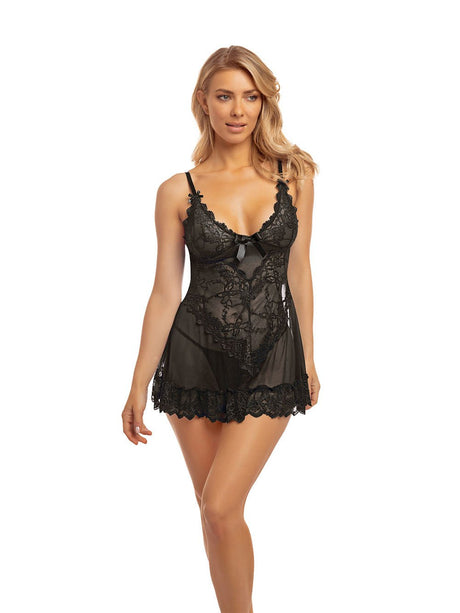
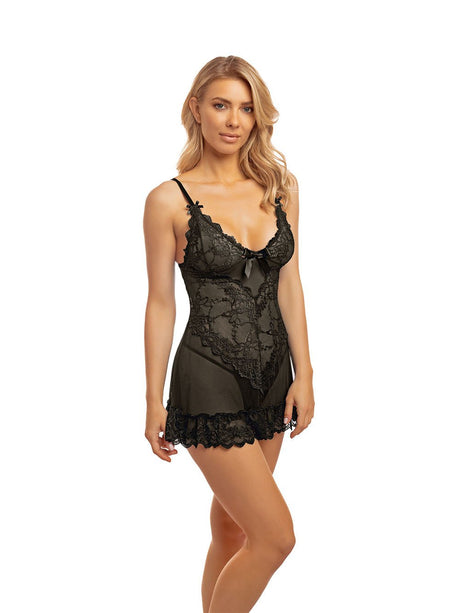
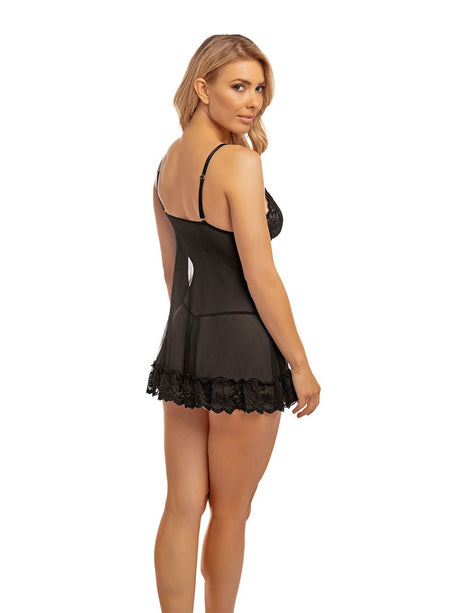
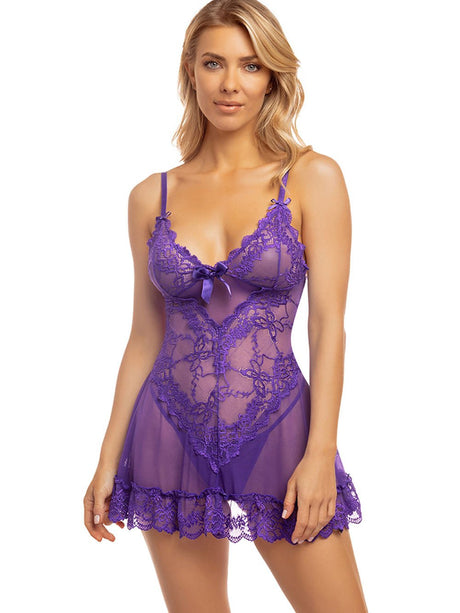
Lace at the neckline or hem makes the lingerie roots of the slip dress more obvious. It looks romantic for dates and evenings, and a black lace-trim slip with a blazer and boots is a classic contrast. For a polished look, keep jewelry minimal so the lace stays the focus. Lace edges can be delicate, so hand wash these slips and dry them flat.
Mini Slip Dresses
Short and light.
A mini slip dress suits parties, nights out and warm evenings. It is easy to dance in, but it rides up more than a midi, especially in slippery satin. Light smoothing shorts keep it in place and stop chafing. Pair a mini slip with strappy sandals for evening, or with an oversized sweater and boots for a cooler, more casual look. Our mini dress guide has more ways to wear a short length.
Maxi Slip Dresses
Long and fluid.
A maxi slip in silk or satin looks elegant at weddings, formal dinners and evening events. Choose a hem that just clears your shoes, and a slit if you want to walk easily. Bias-cut maxis cling more along the whole length of the body, so plan underneath carefully. Our guides to the maxi dress and formal dresses cover long lengths in more detail.
Slip Dresses for Weddings
A classic guest choice.
A midi or maxi slip dress in silk or satin is one of the most popular wedding guest outfits, because it is elegant and easy to accessorize. Jewel tones, soft pastels and prints all work; avoid white, ivory and very pale champagne that could read as white in photos. For a church or daytime ceremony, add a wrap, a cropped cardigan or a tailored jacket over bare shoulders.
Choose shoes for grass or dancing, and plan the underneath layers as carefully as the dress: a slip will show anything that is not smooth. Our wedding guest dress guide covers dress codes in detail.
Slip Dresses for Brides
Simple and modern.
A white or ivory slip dress is a popular choice for courthouse weddings, elopements, rehearsal dinners and after-parties. It is simple, modern and easy to move in. Because white satin shows everything, choose skin-tone nipple covers or an adhesive bra, seamless underwear with bonded edges and a thin smoothing layer if the fabric clings. Our guides to what to wear under a wedding dress and the white dress cover the details.
Slip Dresses for Work
Layered and polished.
A slip dress can work in many offices when it is layered. Choose a midi in a matte or heavier satin in a dark or neutral color, add a fine knit over it or a fitted T-shirt under it, and finish with a tailored blazer and loafers or low heels. Avoid very shiny, very short or very low-cut slips for work, and check how the fabric looks under office lighting.
Slip Dresses for a Date
Easy and elegant.
A slip dress is one of the easiest date-night outfits: it looks dressed up without trying too hard. Pair a black or jewel-tone slip with heeled sandals and small gold earrings for dinner, or with a leather jacket and boots for drinks. Bring a layer, because thin satin is cold in air-conditioned restaurants and on the walk home.
Slip Dresses for Parties
Shine and movement.
For parties, a slip dress in a metallic satin, a deep jewel tone or a bold print stands out without heavy embellishment. A sequin slip, which keeps the simple slip shape in a sparkling fabric, is a classic for holiday parties and New Year's Eve. Add strappy heels and statement earrings. Our guides to the party dress and cocktail dress have more ideas.
Slip Dresses in Fall and Winter
Layer it, do not pack it away.
A slip dress is not just for summer. In colder months, layer a fine turtleneck or a fitted long-sleeve top underneath, or wear a chunky knit or cardigan over it. Add opaque or sheer tights, knee boots or loafers and a long wool coat. Darker colors such as black, burgundy, chocolate and forest green look especially rich with winter textures.
Satin can feel cold against the skin in winter, so a thin thermal layer or a silk camisole underneath adds warmth without bulk. Our guides to tights and the sweater dress cover more cold-weather options.
Slip Dresses in Summer
Light and breezy.
In warm weather, a slip dress is one of the coolest things you can wear, especially in silk or viscose, which breathe better than polyester. Wear it with flat sandals or slides and a straw bag during the day, or with heeled sandals at night. Sweat can mark satin, so let deodorant dry fully and choose a darker color or a print for hot days. Our summer dresses guide has more warm-weather ideas.
Slip Dress Colors and Prints
Classic shades and easy prints.
Pale shades and thin satin show the most underneath, so dark colors and prints are the easiest place to start. A black or deep jewel-tone slip in a medium-weight satin is the most versatile slip dress you can own.
Static Cling and Riding Up
Common slip dress problems.
Satin and polyester slips can cling to tights and legs in dry weather. Anti-static spray, a dryer sheet rubbed on the inside or a little body lotion on your legs before dressing stops most static. Wearing a natural-fiber layer, such as a silk or cotton half slip, also helps.
Slips can also ride up, especially when you sit or walk in tights. Light smoothing shorts give the satin something smooth to move against, and a slightly looser size hangs better than one that pulls across the hips.
Wrinkles and Steaming
Smooth satin quickly.
Satin and silk show creases, especially after sitting. A handheld steamer is the safest way to smooth them. If you iron, turn the slip inside out, use a low setting and place a cloth between the iron and the fabric, because direct heat can leave shiny marks or melt synthetic satin. Hang the dress as soon as you take it off, and pack it rolled in tissue when you travel.
Caring for a Slip Dress
Make it last.
Silk slips usually need hand washing in cool water with a gentle detergent, or dry cleaning; never wring them, and dry them flat or on a padded hanger out of direct sunlight. Polyester and acetate satin can often be washed on a delicate cycle inside a mesh bag, but check the label: acetate in particular is sensitive to heat and some solvents.
Spray perfume before dressing and let it dry, because perfume and water can leave marks on satin and silk. Blot spills straight away rather than rubbing. Our guide to washing silk explains the steps in more detail.
Signs of a Well-Made Slip Dress
Look closely before you buy.
Check for adjustable straps, so the neckline sits at the right height; French seams or neatly finished edges, which show less through thin fabric; and a true bias cut if you want drape. A heavier satin or silk hangs better and shows less than a thin, shiny one. Hold the fabric up to the light: if you can see your hand clearly, it will need careful planning underneath.
In silk, a higher momme weight means a heavier, more opaque fabric. In synthetic satin, look for a fabric that feels substantial and slides smoothly rather than one that feels thin or stiff.
Slip Dresses for Every Figure
Fabric and cut matter most.
The most forgiving slip dress for most people is a midi in a medium-weight satin, cut straight or slightly A-line, with adjustable straps. A bias-cut slip in thin satin is the least forgiving and needs the most planning underneath.
Plus-Size Slip Dresses
Support and smooth lines.
Every slip style comes in extended sizes. Look for wider straps that can hold a bra or give support on their own, heavier satin, and a cut that skims. A slip with a built-in shelf or adjustable straps that sit at the right point on the shoulder makes a big difference. Underneath, a supportive strapless or adhesive bra, smoothing shorts that prevent chafing and seamless underwear keep the line smooth. Our guides to plus-size camisoles and slips and plus-size shapewear cover the options.
Petite and Tall
Length and straps.
If you are petite, check the strap length first: adjustable straps let you raise the neckline so it sits where it should. A midi slip can swamp a small frame, so a knee-length or just-below-the-knee hem is often more balanced. If you are tall, look for tall ranges or maxi lengths that reach the ankle, because a standard midi may land at an awkward point on the calf.
Buying a Slip Dress Online
Read past the photos.
Product photos are often styled to hide what shows underneath, so read the details. Check the fabric content and weight, whether it is lined, whether the straps adjust and the length in inches or centimeters. Reviews that mention sheerness, cling or static are useful. When it arrives, try it on with the underwear you plan to wear, in daylight and with a phone flash, before removing the tags.
Getting More Wear From a Slip Dress
One dress, many outfits.
A slip dress is one of the most versatile pieces in a wardrobe because it changes so easily. Wear it alone with heels for a wedding, with a T-shirt and sneakers on a weekend, with a sweater and boots in winter, and with a blazer for work. Black, navy and dark jewel tones give the most outfits. A slip skirt, cut the same way, offers similar versatility for those who prefer separates.
Slip Dress or Nightgown?
Similar shape, different job.
A slip dress and a satin nightgown can look similar on a hanger. The difference is in the details: a slip dress is usually cut in a heavier, more opaque fabric, with finished seams, sometimes a lining, and a length and neckline meant for being seen. Nightgowns are often lighter, sheerer and more delicate. Our guide to negligees explains the sleepwear side.
Accessories for a Slip Dress
Simple pieces work best.
The clean lines of a slip dress suit fine gold or silver chains, small hoops and a single statement earring. A pendant sits well in a V-neck or cowl. Avoid heavy necklaces that pull at thin straps. A small shoulder bag, a structured top-handle bag or a clutch suits evening; a tote or crossbody suits daytime. A silk scarf tied at the neck or the wrist adds color to a solid slip.
How a Slip Dress Should Fit
Shoulders, bust and hips.
Start with the hips: a slip should skim over them without pulling into horizontal creases. If it pulls, go up a size; the straps can usually be shortened to fix the bust. Next, check the bust: the neckline should lie flat without gaping when you lean forward or cutting in at the sides. Finally, set the straps so the neckline sits at a comfortable height and the waist of a bias-cut slip falls at your natural waist.
A well-fitted slip moves with you and settles back into place when you stop. If you are constantly tugging it down or pulling it up, the size or the cut is wrong for you.
When Straps Keep Slipping
Small fixes for thin straps.
Thin straps slide off sloping shoulders, especially on satin, which is slippery on both sides. Shorten the straps first, so they sit closer to the neck. If they still slide, a small piece of double-sided fashion tape under each strap holds it in place for the evening. A tailor can also move the straps slightly inward or add a thin elastic loop at the back to keep them on the shoulders.
Sweat and Deodorant on Satin
Prevent marks before they happen.
Satin and silk show sweat and deodorant marks more clearly than most fabrics. Let deodorant dry completely before you dress, and choose a clear or invisible formula. In hot weather or crowded rooms, darker colors and prints hide marks better than pale champagne or ivory. If a mark appears, blot gently with a damp cloth from the inside and let it dry flat; do not rub, which can roughen the surface of the fabric.
Wearing a Slip Under Other Dresses
The original job of the slip.
Before it became a dress, the slip was worn underneath other clothes, and it still does that job well. A thin full slip or half slip under a sheer, unlined or clingy dress adds opacity, helps the dress hang smoothly and stops it from sticking to tights. Choose a slip in a shade close to your skin tone, slightly shorter than the dress hem, with straps that sit under the dress straps. Our guide to slips and shapewear compares slips with smoothing shorts.
A Slip Dress Over Trousers
A modern layering idea.
A slip dress worn over straight trousers or slim jeans is a relaxed, modern way to wear it, especially in cooler weather. A midi slip over straight-leg trousers in a matching or neutral color looks polished; over jeans it looks casual. Add a fitted knit or T-shirt underneath and loafers or ankle boots. This works best with a straight-cut slip, which hangs cleanly over the trousers rather than clinging to them.
Sequin and Velvet Slip Dresses
The slip shape in festive fabrics.
The slip shape works in more than satin. A sequin slip keeps the simple straps and straight line in a sparkling fabric, which makes it one of the easiest party dresses to wear. A velvet slip is richer and warmer for fall and winter, and looks good with sheer black tights and heeled boots. Both are heavier than satin, so they hang more smoothly and show less underneath. Our velvet dress guide covers velvet in more detail.
Slip Dresses for Formal Events
Black tie and evening.
A floor-length slip in heavy silk or satin can be just as formal as a gown. Choose a rich color such as black, emerald, sapphire or burgundy, a maxi length that skims the floor in your shoes, and polished accessories: statement earrings, a small clutch and elegant heeled sandals. A wrap or a tailored evening jacket covers the shoulders for cooler venues. Our formal dresses guide explains black tie and evening dress codes.
Slip Dresses on the Weekend
Relaxed and simple.
On weekends, a slip dress can be as casual as jeans. Wear it with a white T-shirt underneath, white sneakers and a denim jacket or a baseball cap, or with an oversized sweater and loafers. A printed slip in leopard or a small floral looks especially relaxed. Choose a heavier satin or a jersey slip for everyday wear, because they wrinkle less and show less underneath.
Packing a Slip Dress for Vacation
Small, light and versatile.
A slip dress is one of the most useful things to pack, because it takes up almost no space and works in many settings: on its own for dinner, with a T-shirt for sightseeing, over a swimsuit as a cover-up in a pinch. Roll it in tissue or a soft bag to reduce creases, and pack a small travel steamer if the satin creases easily. A black or dark print slip hides travel wear best.
A More Covered Slip Dress
Coverage without losing the shape.
If you prefer more coverage, a slip dress still works. Choose a midi or maxi length and a higher neckline, and layer a fitted long-sleeve top or a fine turtleneck underneath. A long cardigan or a tailored blazer over the top covers the shoulders and arms. This layered version works for work, religious ceremonies and daytime events.
Slip Dresses at Any Age
Fabric and fit over age.
A slip dress is not tied to any age. What tends to change is the fabric weight, length and layering: heavier silk or satin, midi and maxi lengths, and a knit, blazer or long coat over the top. A black silk slip with a cashmere cardigan and loafers looks elegant at any age, and a jewel-tone maxi slip with a wrap is a classic evening look.
Spending on a Slip Dress
Where quality shows.
Fabric is where quality shows most in a slip dress. A heavier silk or a good crepe-back satin hangs better, shows less and lasts longer than a thin, shiny polyester. If you want one slip for many occasions, it is worth spending more on a dark, medium-weight silk or satin with adjustable straps. Trend colors and prints can be less expensive, because they are worn less often.
Silk or Satin?
Choosing the fabric.
Silk is a natural fiber; satin is a type of weave that can be made from silk or from synthetic fibers such as polyester or acetate. A silk satin slip breathes, feels cool and drapes softly, but it costs more and needs gentle care. A polyester satin slip is usually less expensive, easier to wash and more resistant to wrinkles, but it can feel warm and build up static. Viscose satin sits between the two: soft and breathable, but prone to shrinking if washed warm.
Slip Dresses in Photos
Satin and flash.
Satin reflects light, so in photos it can glow beautifully or show every crease and line. Camera flash is the hardest test: it can make thin satin look sheer and show the outline of anything underneath. Take a flash photo at home in the full outfit before an event. Matte or heavier satin photographs more evenly than very shiny satin, and dark colors hide creases better than pale ones.
Hair and Makeup With a Slip Dress
Let the simplicity work.
A slip dress has clean lines, so hair and makeup can go either way. Sleek, low buns and smooth, straight hair echo the minimal feel of the dress; loose waves soften it. A bold lip with otherwise simple makeup is a classic pairing. Put the dress on before body shimmer and after makeup has set, with a scarf over your face to keep foundation off the neckline, because makeup marks show clearly on satin.
Slip Dresses for Cocktail Events
Simple and dressy.
A knee-length or midi slip in a rich satin is a natural fit for a cocktail dress code. Choose a jewel tone, black or a metallic satin, add heeled sandals, statement earrings and a small bag, and bring a jacket or wrap. Keep the rest of the outfit simple: the shine of the fabric does the work. Our cocktail dress guide explains the dress code.
The Slip Skirt
The same feel as separates.
A slip skirt is cut like the bottom half of a slip dress: a bias-cut satin skirt, usually midi length. It offers the same fluid look with more ways to wear it: with a T-shirt, a knit, a blouse or a fitted bodysuit. If you love the look of a slip dress but want more flexibility, a slip skirt in black or champagne is a good place to start. The same rules apply underneath: laser-cut underwear in a skin tone and a light smoothing layer if it clings.
Getting Ready in a Slip Dress
An order that protects the satin.
Apply body lotion and let it absorb fully, then spray perfume on your skin and let it dry. Do your hair and makeup. Put on nipple covers or an adhesive bra, seamless underwear and any smoothing layer. Step into the slip, or put it on over your head with a scarf protecting your face. Adjust the straps, check the dress in daylight and with flash, and add anti-static spray if you are wearing tights. Then add jewelry, shoes and your layer.
Storing a Slip Dress
Keep satin smooth between wears.
Hang a slip dress on a padded or velvet hanger, which stops it from sliding off and avoids shoulder marks. Thin straps can stretch under the weight of a long dress, so loop the inside hanger tapes over the hanger if the dress has them, or fold a heavy maxi over a padded bar instead. Keep it in a breathable cotton garment bag, away from direct sunlight, which can fade dark satin and yellow pale silk. Make sure the dress is clean before storing it, because body oils and perfume left in the fabric can mark it over time.
Common Slip Dress Mistakes
Most are about what is underneath.
Slip Dress Checklist
Before you go.
- Underneath: nipple covers or adhesive bra, laser-cut underwear?
- Fabric: checked in daylight and with flash?
- Straps: adjusted so the neckline sits right?
- Static: anti-static spray or lotion on your legs?
- Layer: a jacket or knit for later?
- Perfume: sprayed and dry before dressing?
What This Means for You
A slip dress is simple in shape and endlessly flexible in use. Choose a medium-weight satin or silk in a dark or rich color, with adjustable straps and a midi length, and it will work for weddings, dinners, work and weekends.
Plan underneath first: nipple covers or an adhesive bra, laser-cut underwear in a shade close to your skin tone, and light smoothing shorts if it clings. Then change the mood with layers and shoes, and care for it gently with cool water and a steamer.
For more ideas, see our guides to the cocktail dress, the wedding guest dress and the little black dress.
Cocktail, Wedding Guest and Little Black Dresses
More ways to dress for an evening.
Cocktail DressWedding GuestLittle Black DressFrequently Asked Questions
What is a slip dress?
What do you wear under a slip dress?
Can you wear a bra with a slip dress?
How do you wear a slip dress during the day?
How do you wear a slip dress in winter?
What shoes go with a slip dress?
Is a slip dress appropriate for a wedding?
Can I wear a slip dress to work?
What is a bias-cut slip dress?
Are slip dresses flattering?
How do I stop a slip dress from showing lines?
How do I stop static cling in a slip dress?
Can you wash a satin slip dress?
How do I get wrinkles out of a slip dress?
What jacket goes with a slip dress?
What is the difference between silk and satin slip dresses?
Should I size up in a slip dress?
Can plus-size women wear slip dresses?
What colors do slip dresses come in?
Is a slip dress the same as a nightgown?
This guide covers slip dress styles, fabrics and what to wear underneath, and is for general information. Fabrics and care instructions vary between makers, so always check the care label and test steaming on a hidden area first.