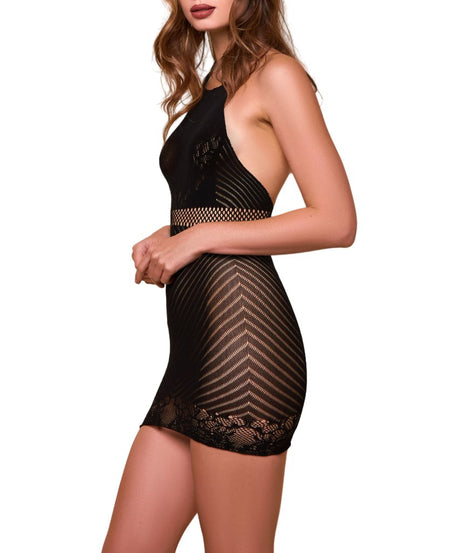
What is a formal dress?
A formal dress is usually a floor-length evening gown in a luxurious fabric such as satin, silk, velvet, chiffon, crepe or sequins. It is worn to black tie events, galas, evening weddings, proms and award ceremonies. At black tie optional events, a very elegant cocktail or midi dress also counts as formal.
The right formal dress depends on the dress code: white tie calls for a ball gown or evening gown with gloves, black tie for a floor-length gown, and black tie optional for a gown or an elegant shorter dress.
Fit makes a formal gown. Plan the bra and shapewear with the dress, wear them to every fitting, and have the hem set with the shoes you will wear.
A formal dress is the one piece of clothing most people buy for a single night and remember for years. It has to meet a dress code, photograph well, survive dinner, speeches and dancing, and fit closely enough that you forget you are wearing it.
This guide explains what formal means on an invitation, the difference between white tie, black tie and black tie optional, gown silhouettes, necklines, fabrics and colors, what to wear underneath, how to plan alterations, and how to finish the look with shoes, jewelry and a wrap.
- Formal on an invitation usually means black tie: a floor-length gown.
- White tie adds ball gowns and long gloves; black tie optional allows elegant shorter dresses.
- Luxurious fabrics such as satin, silk, velvet, chiffon and crepe set the tone.
- The hem should just clear the floor in your shoes.
- Plan the bra and shapewear with the gown and bring them to every fitting.
- Allow six to eight weeks for delivery and alterations.
What Counts as a Formal Dress?
Length, fabric and finish.
A formal dress is defined by three things: length, fabric and finish. Most formal dresses reach the floor. They are cut from fabrics with depth or sheen, such as satin, silk, velvet, crepe, chiffon, tulle, lace and sequins, and they are finished with care: lined bodices, clean seams, structured or draped details, and a hem that falls evenly.
"Formal dress" also covers evening gowns, ball gowns and long dresses made for evening events. A floor-length cotton maxi dress is long but not formal; the same shape in silk satin is. That is why fabric matters as much as length. Our maxi dress guide covers everyday long dresses, and our semi-formal dress guide covers the step below formal.
If the invitation says formal or black tie and you are unsure, choose a floor-length gown in a solid dark or jewel color, in a fabric with some weight or sheen. That outfit is correct at almost every formal event.
Formal Dress Codes Explained
Five codes, from strictest to most flexible.
| Dress code | What to wear | Typical events |
|---|---|---|
| White tie | Ball gown or evening gown, long gloves | State dinners, royal events, some balls and galas |
| Black tie | Floor-length evening gown | Galas, evening weddings, award ceremonies |
| Black tie optional | Gown, or an elegant cocktail or midi dress | Weddings, charity dinners, opening nights |
| Creative black tie | Formal with personality: bold color, jumpsuits, drama | Themed galas, fashion and arts events |
| Formal | Usually treated as black tie | Weddings, banquets, proms |
Dress codes are guidance from the host, not rules enforced at the door, but they tell you how dressed up everyone else will be. When an invitation simply says "formal," most hosts mean black tie or black tie optional. If a code is unclear, ask the host or check the event website.
White Tie
The most formal dress code.
White tie is rare today, reserved for state dinners, some royal and diplomatic events, debutante balls and a few traditional galas. It calls for a floor-length ball gown or evening gown, traditionally with long evening gloves (often called opera gloves) that reach above the elbow, fine jewelry and an evening bag.
Necklines can be bare, but the overall look is classic and elegant: rich satin, silk, taffeta or brocade, structured bodices and full or flowing skirts. Short dresses, jumpsuits and casual fabrics are not appropriate. Some events have additional rules, such as covered shoulders for certain ceremonies, so read the invitation carefully.
Black Tie
Floor-length gowns, classic and polished.
Black tie is the most common formal dress code. The traditional choice is a floor-length evening gown. Some modern hosts accept a very elegant cocktail dress or dressy evening separates, but a gown is always correct and never out of place.
The range of gowns at black tie is wide: sleek column dresses, A-line chiffon gowns, velvet off-the-shoulder styles, sequin sheaths and full ball skirts. Keep the fabric luxurious, the fit precise and the accessories considered. Our wedding guest dress guide covers black tie weddings in more detail.
Black Tie Optional and Creative Black Tie
More choice, the same level of polish.
Black tie optional means hosts will wear black tie but guests may choose. A floor-length gown is still the safest choice, and an elegant cocktail dress, a dressy midi or tea-length dress, or polished evening separates are all appropriate. Aim close to black tie: rich fabrics, dark or jewel colors, and evening accessories. Our cocktail dress guide and tea-length dress guide cover the shorter options.
Creative black tie keeps the formality but invites personality: bold colors, prints, metallics, dramatic sleeves, capes, feathers, floor-length jumpsuits and statement accessories. The test is whether the outfit would look at home beside a tuxedo while still feeling like you.
Formal Gown Silhouettes
Where the skirt starts to flare shapes the whole gown.

If you will be dancing, standing for hours or climbing stairs, choose an A-line, trumpet or empire gown. If the event is mostly seated, a column or mermaid looks striking and needs less space. Our guide to types of dresses explains how each silhouette is cut.
Necklines for Formal Gowns
The neckline decides the bra and the jewelry.
Open backs are popular on formal gowns and need their own plan for support. Our backless dress guide and dress necklines guide cover each option in detail.
Formal Fabrics
Fabric sets the formality as much as length.

Lining and construction separate a good formal gown from an average one. Look for a fully lined bodice, boning or a built-in corset where a strapless gown needs it, clean seams inside, and a hem that falls evenly all the way around. Heavier fabrics hide more underneath; lighter ones need more planning.
Colors for Formal Events
Deep and rich by night, softer by day.
| Setting | Classic colors | Use with care |
|---|---|---|
| Evening, fall and winter | Black, navy, emerald, burgundy, plum | Very pale pastels |
| Evening, spring and summer | Jewel tones, blush, champagne, sky blue | Very heavy dark velvets |
| Weddings | Most colors and metallics | White, ivory, cream, anything bridal |
| Galas and award events | Metallics, red, black, bold jewel tones | Casual prints |
| Religious ceremonies | Navy, deep jewel tones, soft neutrals | Very revealing styles |
Black is a classic formal color and acceptable at most evening weddings. Metallics and sequins feel festive at galas and New Year's Eve events. If the wedding party has a set color, avoid matching the bridesmaids.
Formal Occasions
What to wear for the most common formal events.
Black tie weddings
A floor-length gown in a rich color, never white or ivory. Choose a silhouette you can dance in and a wrap for the ceremony if the venue is cool or religious.
Galas and charity balls
The most dramatic gown in your closet is welcome here. Sequins, metallics, capes and bold colors all suit galas. Check whether the event is white tie, black tie or creative black tie.
Military balls
Floor-length gowns are traditional. Necklines and slits are often more conservative than at other formal events, so check any guidance from the unit or host.
Opera, ballet and opening nights
A gown or an elegant cocktail dress for opening nights and galas. Regular performances are usually less formal.
Award ceremonies and corporate galas
A polished floor-length gown with clean lines. Keep necklines and slits in proportion for a professional setting, and bring a wrap.
New Year's Eve
Sparkle, metallics and velvet at a formal party. Our holiday party dress guide has more ideas for the season.
Formal Nights on Cruises
A gown that packs and survives the trip.
Many cruise lines hold one or more formal or "dress up" nights. Expectations vary by line, from cocktail dresses to full evening gowns, so check the line's own guidance before you pack. A floor-length jersey, crepe or matte satin gown rolls into a suitcase with few wrinkles and works for dinner and the captain's reception.
Pack the bra and shapewear with the dress, plus a wrap for air-conditioned dining rooms and a pair of comfortable heels for decks and stairs. A single dark gown with two sets of jewelry covers two formal nights.
Prom and School Formals
The same rules, with school guidance on top.
Proms usually expect floor-length gowns or dressy cocktail dresses. Check any rules the school sets about length, slits and necklines before buying. Choose a gown you can dance in: a trumpet or A-line moves more freely than a fitted mermaid, and a lightweight chiffon or tulle skirt stays cooler in a crowded room.
Shop early in the season for the widest choice, and leave time for hemming. Practice walking, sitting and dancing in the full outfit, including the shoes and bra, before the night.
What to Wear Under a Formal Dress
The foundation decides how the gown hangs.
Formal fabrics and close-fitting bodices show everything underneath. Satin shows lines, strapless bodices need firm support, and open backs rule out most bras. Choose the underwear when you choose the gown, and wear it to every fitting so the tailor fits the dress over it.

Choose the bra by neckline and back
| Gown | Best option | Why |
|---|---|---|
| Strapless or sweetheart | Strapless or longline bra | A firm band and silicone grip hold without straps |
| Fitted strapless bodice | Longline strapless bra | Spreads support down the torso and smooths the waist |
| Off-the-shoulder | Strapless bra | Nothing shows at the shoulders |
| One-shoulder or halter | Convertible bra | Straps reroute to one shoulder or a halter |
| Deep V or plunge | Plunge or adhesive bra | A low center stays hidden |
| Open or low back | Adhesive bra or low-back bra | No band across the back |
| Built-in corset or cups | Often nothing extra | Check support at a fitting first |
A strapless bra for a gown should feel firmer in the band than your everyday bra, because the band carries the weight. Many people go down one band size and up one cup for strapless styles. If you are not sure of your size, Brasize.ai can give you a starting point. Our strapless bra guide, low-back bra guide and guide to adhesive bras explain each option.
Shapewear and slips
A smoothing slip or high-waist shaping short gives a clean line under satin and crepe, and stops a fitted skirt from clinging. For column and mermaid gowns, choose shapewear that runs to mid-thigh so no edge shows across the leg. For open-back gowns, choose a low-back shaper. Our guides to slips and shapewear and shapewear for low-back gowns cover the options.
Underwear and hosiery
Seamless underwear in a shade close to your skin tone disappears under fitted gowns. Sheer tights are optional at most formal events; in cold weather or at conservative events, ultra-sheer tights in a skin tone look polished under a floor-length gown.
Strapless, Longline and Adhesive Bras
The foundations that make a gown fit the way it should.
Strapless BrasLongline BrasAdhesive BrasFit and Alterations
Almost every formal gown needs some.
Very few gowns fit perfectly off the rack, and small alterations make the biggest difference to how a formal dress looks. Allow two to four weeks for alterations, longer during prom and wedding season, and buy the dress early enough to leave that time.
Bring the bra, shapewear and shoes you will wear to every fitting. Changing any of them later changes the hem and the fit of the bodice. Buy the size that fits your largest measurement and have the rest taken in; letting a gown out is often impossible.
Shoes for a Formal Dress
Comfort first; the hem hides most of them.
Decide on the shoes before alterations. Changing heel height afterward means the hem will be too long or too short. Break new shoes in at home, and pack foldable flats for the end of the night.
Accessories for a Formal Dress
One focal point, chosen for the neckline.
Wraps, Stoles and Evening Coats
Cover up without hiding the gown.
Formal events often move from a cold parking lot to a warm ballroom and back. A silk or chiffon wrap, a faux fur stole, a velvet evening jacket or a long tailored coat keeps the outfit formal. A daytime puffer or denim jacket over a gown looks out of place, even for a few minutes of photos.
Formal Gowns for Every Figure
Fit, fabric and support matter most.
Any figure can wear any silhouette. Use these as starting points, then try shapes you like. A well-fitted gown with the right foundation underneath looks better than any rule.
Renting, Buying and Budget
How to spend on a formal dress.
Renting suits one-off events and designer gowns you would not wear again. Most rental services allow little or no alteration, so check the fit chart and order a backup size where the service offers it. Buying suits anyone who attends formal events regularly or needs alterations for length or fit.
Secondhand and sample sales are good ways to find better fabrics for less. If you buy new, spend on fabric, construction and fit rather than trend details, and set aside part of the budget for alterations, which often make a mid-priced gown look expensive.
A classic gown in black, navy or a deep jewel tone can be restyled for years with different jewelry, wraps and hair. A trend color or very specific style is the better candidate for renting.
Looking Good in Photos
Formal events are photographed from every angle.
Matte and lightly textured fabrics photograph more evenly than very shiny satin, which can show every crease and catch the flash. Deep, saturated colors such as emerald, sapphire and burgundy hold up well in both daylight and flash photography. Very pale colors can wash out, and very bright white reflects light.
Check the back of the gown in a mirror, because many photos at galas and weddings are taken from behind or the side. Smooth lines underneath, a bra that stays hidden and a hem that clears the floor all show in photos more than in person.
Formal Dressing in Heat and Cold
Adjust the fabric and the layer, not the formality.
Summer formal events call for chiffon, georgette, lightweight crepe and silk, which breathe better than heavy satin or a fully lined sequin gown. Choose open necklines or thin straps and light colors, and a breathable shapewear short rather than a full bodysuit.
Winter formal events suit velvet, heavier satin, brocade and long sleeves. An evening coat, faux fur stole or cashmere wrap looks far better over a gown than a daytime puffer, and sheer tights add warmth without spoiling the line.
Formal Dresses, Evening Dresses and Long Dresses
Three terms that overlap but are not the same.
Shoppers use these words interchangeably, and stores often do too, but they mean slightly different things. A long dress is any dress that reaches the ankle or floor, including casual cotton maxis. An evening dress is any dress designed for evening events, which can be cocktail length or floor length. A formal dress is an evening dress dressy enough for black tie, which in practice usually means a floor-length gown.
So every formal gown is a long evening dress, but not every long dress or evening dress is formal. When you search, adding the dress code ("black tie gown") or the fabric ("satin evening gown") narrows the results to dresses that suit the event, rather than everyday maxis.
A Short History of the Evening Gown
Why formal still means floor length.
For most of the 19th and early 20th centuries, evening dress for women meant a floor-length gown, often with a fitted bodice, a full skirt and long gloves. The formal dress codes we use today, white tie and black tie, took shape in that period, and both kept the long gown as the standard for women.
Through the 20th century, hemlines rose for day and cocktail wear, and new silhouettes arrived: the bias-cut satin column of the 1930s, the full-skirted ball gowns of the 1950s and the sleek sheath gowns of later decades. The floor-length gown stayed the anchor of formal dressing, which is why a long gown is still the safest answer to "formal" on an invitation.
Modest and Covered Formal Gowns
Elegant options with more coverage.
Many formal events, including religious weddings and some galas, call for covered shoulders or arms. Long-sleeve gowns in crepe, velvet or lace, high necklines, capes and cape sleeves, and gowns with a sheer overlay at the shoulders all offer coverage without losing elegance.
For a gown you already own, a matching bolero, a sheer chiffon shrug or a structured evening jacket adds coverage for the ceremony and can come off later. A wide silk stole works as both a wrap and a head covering where a ceremony asks for one.
Plus-Size Formal Dresses
The same codes, with more attention to support.
Every formal silhouette comes in extended sizes. A-line, empire and wrap-bodice gowns are comfortable over a long evening, and a column gown in a heavier crepe looks sleek. Built-in structure, such as boning, a lined bodice and wider straps, carries more of the support and makes the bra choice easier.
Under strapless and off-the-shoulder gowns, a longline strapless bra with side support holds better than a basic strapless style. A mid-thigh shaper prevents chafing and helps satin and crepe glide rather than cling. Our guide to plus-size shapewear compares the options.
Formal Dresses During Pregnancy
Comfort and room to grow.
Empire-waist and A-line gowns are the most comfortable formal shapes during pregnancy, with room for the bump and no pressure at the waist. Stretch crepe, jersey and chiffon move with the body. Maternity gowns are cut with extra length at the front so the hem stays level.
Buy close to the event if you can, because size changes quickly, and choose a soft, supportive wireless or maternity bra rather than a firm strapless style. Comfortable block heels or embellished flats make a long evening easier.
Staying Comfortable All Evening
Formal events often run five hours or more.
A formal evening can include a ceremony, a cocktail hour, dinner, speeches and dancing. Sit in the gown for twenty minutes at home before the event to check that the bodice does not dig in and the skirt does not crush or ride up. Practice walking up and down stairs while holding the skirt, and getting in and out of a car.
Breathable fabrics, a bra with a firm band rather than tight straps, and shapewear that ends mid-thigh all help. Pack blister plasters, fashion tape, a small sewing kit and safety pins in your clutch, and keep a pair of foldable flats in the car or coat check.
Transporting a Formal Gown
Arrive with it ready to wear.
Carry a gown in a breathable garment bag, hung or folded loosely over the arm, and never pack it tightly in a suitcase if you can avoid it. For flights, carry it on board and ask whether it can hang in a closet. Stuff the bodice lightly with tissue paper to keep its shape.
Hang the gown as soon as you arrive. Steam it rather than ironing it, testing first on an inside seam, and keep the steamer moving so satin and silk do not water-spot. Pack the bra, shapewear and shoes with the gown so nothing is left behind.
Caring for and Storing a Formal Dress
Keep it ready for the next event.
Most formal gowns are dry clean only. Treat spills by blotting, not rubbing, and take the gown to a cleaner experienced with evening wear soon after the event, before stains set. Point out any stains and their source.
Store the gown in a breathable cotton garment bag, not plastic, which traps moisture. Hang light gowns on padded hangers using the inner hanging loops, and fold heavy beaded or sequin gowns flat with acid-free tissue so the weight does not stretch the shoulders. Keep it away from direct sunlight, which fades color.
Buying a Formal Dress Online
Reduce the risk of a gown that does not fit.
Online stores offer the widest choice of gowns, but fit is harder to judge. Measure your bust, waist and hips and compare them with the brand's own size chart rather than your usual size, which can differ by several sizes between brands. Formal gowns often run smaller than everyday clothes.
Read the fabric content, the lining details and the length measurement from shoulder or waist to hem, and check reviews for comments about fit, length and how the color looks in person. Check the return policy before ordering, because many sites do not accept returns on altered or made-to-order gowns. Order early enough to try the gown on, return it if needed and still leave time for alterations.
When the gown arrives, try it on with the bra, shapewear and shoes you plan to wear, in daylight and from the back, before removing any tags.
Formal Dresses by Wedding Role
Guest, bridesmaid or family member.
Guests follow the dress code on the invitation and avoid white, ivory and anything bridal. Bridesmaids usually follow the couple's choice of color, length and fabric, sometimes with freedom on the silhouette, so ask before buying. Mothers of the couple often coordinate with the wedding colors and with each other, and usually choose a gown or elegant midi with some coverage for the ceremony.
Whatever the role, the same practical rules apply: plan the foundation with the dress, allow time for alterations, and choose a silhouette you can sit, walk and dance in for the whole day.
Daytime Formal Events
Formal does not always mean evening.
Some formal events happen in daylight: morning weddings, garden parties at formal venues, race days and certain ceremonies. Traditional etiquette treats floor-length gowns as evening wear, so daytime formal usually means an elegant midi or tea-length dress in silk, crepe or lace, often with a hat or fascinator where custom calls for one.
Lighter colors, matte fabrics and less sparkle suit daylight. If the event runs from afternoon into evening, a floor-length chiffon gown in a soft color bridges both.
Hair, Makeup and Nails With a Gown
Finish the look in proportion to the dress.
Let the neckline guide the hair. Updos and sleek low buns show off strapless, one-shoulder and halter gowns and statement earrings. Loose waves soften high necks and long sleeves. Keep heavily embellished gowns balanced with simpler hair and makeup, and simple gowns with a bolder lip or statement hair accessory.
Book hair and makeup trials for important events, and wear a button-front top to the appointment so you do not pull anything over your head afterward.
Formal Jumpsuits and Evening Separates
Alternatives to a gown where the code allows.
At black tie optional and creative black tie events, a floor-length wide-leg jumpsuit in silk, satin or crepe is fully appropriate and often more comfortable than a gown. Choose one with a defined waist, a clean neckline and legs long enough to skim the floor in your heels.
Evening separates work too: a full satin or tulle maxi skirt with a fitted silk or sequin top, or palazzo trousers with a beaded blouse. Keep the fabrics luxurious and the colors close so the outfit reads as one piece. At strict black tie and white tie, a gown remains the safer choice.
Formal Dresses Through the Year
Change the fabric and color, not the formality.
Spring formal events suit chiffon and lighter satin in blush, sky blue, lilac and sage. Summer calls for breathable chiffon, georgette and silk in brighter colors, with open backs and thin straps. Fall brings crepe, satin and early velvet in burgundy, rust, emerald and plum. Winter suits velvet, heavy satin, brocade and sequins in black, navy and deep jewel tones, with long sleeves and an evening coat.
Metallics and sequins work all year at evening events, and black is never out of season.
Rewearing a Formal Gown
Get more than one night from it.
A gown in a classic color and silhouette can return to many events with a change of styling. Swap the jewelry, the wrap and the hair and the same black or navy gown looks new at a wedding, a gala and a holiday party. A dress that suits black tie can often be shortened later into a cocktail dress, which gives it a second life for less formal events.
If you prefer variety without buying, swapping gowns with friends of a similar size or renting statement pieces keeps the closet small and the options wide.
Before storing a gown you plan to wear again, note any alterations it has had, which bra and shapewear worked under it, and the heel height the hem was set for. Keep that note with the garment bag. The next time an invitation arrives, you will know in a minute whether the gown still works and what to pull out of the drawer to go with it.
Common Formal Dress Mistakes
Most come down to timing and fit.
Formal Dress Checklist
Run through these before the event.
- Dress code: white tie, black tie, black tie optional or creative?
- Length: floor length, or an elegant shorter dress where allowed?
- Underneath: bra and shapewear chosen for the neckline and back?
- Fit: hem set with your shoes, bodice secure?
- Shoes: broken in, with flats for later?
- Layer: a wrap, stole or evening coat?
What This Means for You
A formal dress is usually a floor-length gown in a luxurious fabric. Read the dress code first: white tie and black tie call for gowns, while black tie optional and creative black tie allow elegant shorter dresses and more personality.
Then plan the foundation. Choose the bra and shapewear for the neckline and back, wear them to every fitting, and set the hem with your shoes. Buy early enough for alterations, and the gown will fit as if it were made for you.
For the dress codes on either side, see our guides to semi-formal dresses and cocktail dresses.
Wedding Guest, Semi-Formal and Strapless Dresses
More ways to dress for an occasion.
Wedding Guest DressesSemi-Formal DressesStrapless DressFrequently Asked Questions
What is considered a formal dress?
What is the difference between formal and semi-formal?
What should a woman wear to a black tie event?
What does black tie optional mean for women?
What is white tie attire for women?
Can you wear a short dress to a formal event?
How long should a formal dress be?
What colors are best for formal events?
What is the difference between an evening gown and a ball gown?
What should I wear under a formal dress?
How far in advance should I buy a formal dress?
Should I rent or buy a formal dress?
What shoes go with a formal gown?
Can I wear black to a formal wedding?
What is the difference between a mermaid and a trumpet gown?
Do I need gloves for a formal event?
What jewelry goes with a formal dress?
What is creative black tie?
Can I wear a jumpsuit to a formal event?
What should I bring to my formal dress fitting?
This guide covers formal dress codes, gowns and styling and is for general information. Dress codes vary by host, venue, culture and region, so check the invitation or ask the host if you are unsure.