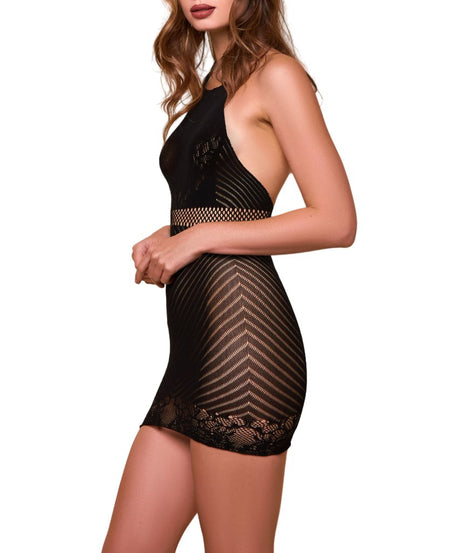
How do you choose and wear a wrap dress?
Size for your bust, then let the tie fit the waist. A wrap dress that fits at the bust lies flat across the chest, keeps the V where it should be and stops the skirt from opening.
Underneath, a plunge bra suits most wrap necklines, because its low center sits below the V. Add fashion tape at the crossover to stop gaping, and seamless underwear under clingy jersey.
The easiest wrap to wear is a jersey midi with long or three-quarter sleeves and a wide skirt overlap, in a dark solid or a small print.
The wrap dress is one of the most practical dresses ever designed. One panel crosses over the other, a tie holds it at the waist, and the result is a V neckline, a defined middle and a skirt that moves when you walk. It adjusts to the body, packs into a small bag and works for the office, a wedding and a weekend.
It also has a few habits: the neckline can gape, the skirt can open in the wind, and the V decides which bra you can wear. This guide covers wrap dress styles and fabrics, true and faux wraps, how to find the right fit, how to stop gaping, what to wear underneath, and how to style a wrap for every season and occasion.
- Size for the bust, not the waist; the tie handles the waist.
- A plunge bra works under most wrap necklines.
- Fashion tape at the crossover stops the neckline gaping.
- A wide skirt overlap keeps the skirt closed when you walk.
- Jersey is the classic fabric: it drapes, stretches and resists creases.
- Tie the inner tie first, then knot the outer tie before the bow.
Wrap Dress Styles
Ten versions of one idea.

If you are buying your first wrap dress, choose a jersey midi in a dark solid or small print, with long or three-quarter sleeves, a V that sits above your bra and a skirt that overlaps well past the side seam. It works for the most occasions and needs the fewest fixes.
How a Wrap Dress Is Built
Know the parts before you buy.
A true wrap dress has two front panels. The under panel crosses one way and is held by a short inner tie that passes through a small opening in the side seam or ties inside. The outer panel crosses the other way, and its long waist tie wraps around the back and knots at the side. Where the panels cross at the chest, they form the V neckline; where they meet below the waist, they form the skirt overlap.
Each part affects how the dress behaves. A higher crossover point gives a shallower V. A wider skirt overlap stays closed when you walk. A firm inner tie keeps the under panel from sagging and showing at the neckline.
True Wrap vs Faux Wrap
Adjustable or fixed.
| True wrap | Faux wrap | |
|---|---|---|
| How it closes | Ties around the body | Sewn closed; zip or pull-on |
| Fit | Adjusts at the waist | Fixed size |
| Neckline | Can gape if the bust is loose | Stays in place |
| Skirt | Can open when you walk | Stays closed |
| Dressing | A minute to tie | Pull on or zip |
| Best for | Changing sizes, pregnancy, nursing | Work, windy days, busy mornings |
A true wrap is the original design and the most adjustable. It suits changing sizes, pregnancy and nursing, and you can set the depth of the V each time you tie it. A faux wrap gives the same look without the risk of opening, which makes it the easier choice for work, travel and long days. Many faux wraps have an elastic waist or a hidden zip at the side.
Wrap Dress Fabrics
Drape matters most.
| Fabric | Feel | Notes |
|---|---|---|
| Cotton or viscose jersey | Soft and stretchy | The classic; drapes and resists creases |
| Silk jersey | Fluid and light | Luxurious; usually hand wash |
| Crepe | Matte with body | Polished for work; hides lines well |
| Satin | Shiny and smooth | Evening; shows every line underneath |
| Chiffon or georgette | Light and floaty | Needs a lining; summer weddings |
| Viscose or rayon | Breathable | Summer days; can shrink, so wash cool |
| Fine knit | Warm and soft | Fall and winter; can stretch over time |
| Cotton poplin | Crisp | Holds a shape; creases more |
Fabrics that drape, such as jersey, crepe and viscose, fold neatly at the crossover and fall smoothly over the bust and hips. Stiff fabrics such as poplin hold their own shape, so the V can stand away from the body. Heavier jersey hides what is underneath better than thin jersey, which can show bra lines and underwear edges.
How a Wrap Dress Should Fit
Bust first, then everything else.
Because the waist tie adjusts, most fit problems with a wrap dress happen at the bust. Choose your size by the bust measurement on the size chart. If the dress is too small at the bust, the panels pull apart, the V drops and gapes, and the skirt overlap shrinks. If it is too large, the extra fabric folds and bunches at the crossover.
Try the dress sitting, walking and raising your arms. A wrap that fits at the bust stays in place through all three. Our guide to gaping bra cups is useful too, because a bra that fits well makes the neckline sit better.
How to Stop a Wrap Dress From Gaping
The most common wrap problem.
Gaping usually starts with the fit or the inner tie. First, tighten the inner tie so the under panel sits flat against your body. Then wrap the outer panel and pull the waist tie snug before you knot it. If the neckline still opens when you lean forward, secure it:
| Problem | Quick fix | Lasting fix |
|---|---|---|
| Neckline gapes | Fashion tape at the crossover | Sew a small snap at the crossover point |
| V too deep | A thin camisole underneath | A sewn-in modesty panel |
| Under panel shows | Tighten the inner tie | Move the inner tie higher |
| Skirt opens | A safety pin inside the overlap | A few hand stitches at mid-thigh |
| Tie loosens | Knot before the bow | Add a belt loop at the side seam |
Fashion tape is the fastest fix: a small strip on the inside of the outer panel, pressed to your skin at the point where the panels cross, keeps the V in place for hours. A tailor can sew a small snap or a hook in the same place for a permanent fix. Our guide to boob tape explains how to use tape on skin safely.
What to Wear Under a Wrap Dress
The V decides the bra.

A wrap dress always has a V neckline, and jersey wraps cling a little. That means the bra has to sit below the V, and the underwear has to be smooth. Plan the bra by the depth of the V, and the rest by the fabric.
The bra
| Wrap neckline | Best bra | Why |
|---|---|---|
| Shallow V | Smooth T-shirt bra | Covered by the dress; smooth under jersey |
| Medium V | Plunge bra | Low center sits below the crossover |
| Deep V | Deep plunge bra or fashion tape | Nothing shows at the center |
| Very deep V | Adhesive bra or tape | No center gore at all |
| Fuller bust | Supportive plunge or balconette | Lift without showing at the V |
| Low back wrap | Low-back or adhesive bra | No band across the back |
If you are unsure of your size, Brasize.ai can give you a starting point. A plunge bra is the most useful bra for wrap dresses, because the cups angle inward and the center sits low. Our guides to the plunge bra, bras for every neckline and demi, full coverage and plunge bras explain each option.
Below
Jersey and satin wraps show underwear edges, so choose seamless or laser-cut underwear in a shade close to your skin tone. A brief with bonded edges sits smoothly under a fitted wrap; a thong avoids lines across the seat under very clingy jersey. Our guide to hiding panty lines covers the details.
Extra layers
A thin camisole under the crossover raises the neckline for work or for a deep V, and it adds warmth. Light smoothing shorts or a half slip keep a clingy skirt from sticking, prevent chafing and keep you covered if the skirt opens. Avoid heavy shapewear with thick edges, which can show as a ridge through jersey.
Plunge Bras, Seamless Underwear and Shapewear
Smooth layers that stay hidden under the V.
Plunge BrasSeamless UnderwearShapewearHow to Tie a Wrap Dress
Five steps that keep it in place.
Tie the bow at your side rather than the center front, so the waist looks narrower and the ends hang straight. If the ties are very long, wrap them twice around the waist before knotting. A bow with short loops and long tails looks neater than a large bow.
How to Style a Wrap Dress
One dress, many looks.

| Piece | Day | Evening |
|---|---|---|
| Shoes | Loafers, flats or sneakers | Pumps, block heels or strappy sandals |
| Layer | Denim jacket or cardigan | Blazer or leather jacket |
| Bag | Tote or crossbody | Small shoulder bag or clutch |
| Jewelry | Small hoops or studs | Statement earrings or a fine pendant |
| Legs | Bare or sheer tights | Sheer black tights in cooler months |
A wrap dress already has a strong neckline and a defined waist, so it needs very little. A pendant that falls into the V or statement earrings suit the neckline better than a choker or a busy collar necklace. A blazer worn open keeps the V and the waist tie visible.
Shoes for a Wrap Dress
Match the shoe to the length.
With a midi wrap, a shoe with a little height or a pointed toe keeps the leg line long. With a maxi wrap, flat sandals or wedges work for the day and heeled sandals for the evening. Knee boots should meet or slip under the hem, so no gap of leg shows between the boot and the skirt.
Where to Wear a Wrap Dress
Work, weddings and everything between.
| Occasion | Wrap choice | Notes |
|---|---|---|
| Office | Jersey or crepe midi, sleeves | A higher V and a blazer |
| Interview | Solid dark knee-length wrap | Tape the neckline |
| Wedding guest | Silk, satin or chiffon midi or maxi | Avoid white and ivory |
| Date night | Satin or jersey wrap | Heels and a small bag |
| Holiday party | Velvet or satin wrap | Statement earrings |
| Weekend | Cotton or jersey wrap | Sneakers or sandals |
| Vacation | Viscose wrap maxi | Packs small; flat sandals |
Our guides to wedding guest dresses, casual dresses and the holiday party dress cover the dress codes for each kind of event.
Wrap Dresses for Every Figure
Why the wrap suits so many shapes.
The wrap works on so many figures because it does two things at once: the V neckline lengthens the upper body, and the tie creates a waist wherever you place it. Fit at the bust and a fabric that drapes rather than clings matter more than the cut itself.
A Short History of the Wrap Dress
From crossover bodices to an office classic.
Wrapped and crossover clothing is very old. Many traditional garments around the world close by wrapping one side over the other and tying at the waist. The wrap dress as most people know it today became famous in 1974, when designer Diane von Furstenberg introduced a printed jersey wrap dress that was easy to wear, easy to pack and suitable for work and evening.
That jersey wrap became one of the best-known dresses of the 1970s, and it has returned to fashion many times since. The reasons it lasts are practical: it adjusts to the body, it suits many figures and it moves from the office to dinner without changing anything but the shoes.
Wrap Dresses on Windy Days
Keep the skirt closed.
A true wrap opens down the front, so a gust of wind or a long stride can reveal more leg than you planned. The overlap is the key: a dress with a wide skirt overlap, where the front panel reaches well past the side seam, stays closed far better than one that only just meets in the middle.
For extra security, add a small stitch or a safety pin inside the skirt where the panels meet, at about mid-thigh. A thin slip or light smoothing shorts underneath stop the skirt from clinging and keep you covered if it does open. Our guide to slips and shapewear explains the options.
Sitting in a Wrap Dress
Comfort and coverage at the table.
When you sit, the overlap of the skirt can slide open, especially in slippery fabrics such as satin and silk. Smooth the front panel across your knees as you sit, and keep the overlap on the side you cross your legs toward. A midi length covers more when seated than a mini. If the bodice loosens as you sit, tighten the waist tie slightly before a long meal, then loosen it again afterward.
Walking and Stairs
Room to move.
A wrap skirt opens a little with every step, which gives you room to walk without a slit. On stairs and escalators, hold the overlap with one hand if the skirt is loose. A flared or A-line wrap skirt moves more easily than a straight, fitted one, and jersey moves better than stiff cotton. If you plan to walk a lot, try the dress at home on stairs before the day.
Belts and Ties
Changing the waist.
The waist tie is part of the design, but you can change it. A thin leather belt worn over the tie gives a sharper, more tailored look for work. A wider belt suits knit wraps in winter. Some people tie the sash at the back for a cleaner front, or wrap it twice around the waist if the ties are long. Keep the knot flat at the side if you will wear a coat over the dress, so it does not make a bump under the coat.
Wrap Dress vs Other Styles
How it compares.
| Style | How it fits | Best for |
|---|---|---|
| Wrap dress | Adjusts at the waist with a tie | Defining the waist; changing sizes |
| Shirt dress | Buttons down the front, often belted | Work and casual days |
| Fit-and-flare | Fitted bodice, full skirt | Parties and weddings |
| Sheath dress | Straight and fitted | Formal offices |
| Slip dress | Thin straps, falls close to the body | Evenings and layering |
| Sweater dress | Knit, relaxed or fitted | Cold weather |
The wrap shares a lot with the shirt dress: both work for the office and weekends, both define the waist, and both come in many lengths. The difference is the neckline. A wrap always has a V, which is why the bra matters more. Our types of dresses guide compares more silhouettes.
Prints and Colors
The classic wrap is printed.
The original jersey wrap was printed, and prints remain one of the best choices. Small geometric prints, polka dots, animal prints and florals hide creases and the folds of the crossover, and they look polished without jewelry. Solid colors look sharper and more formal: black, navy, red, emerald and camel are the classics. Our floral dress guide covers choosing a print by scale.
A Wrap Dress for an Interview
Polished and comfortable.
A wrap dress can be a good interview outfit because it looks put together and is comfortable to sit in. Choose a knee-length or midi wrap in a solid dark color or a small print, in jersey or crepe, with a V that sits well above the bra. Secure the neckline with fashion tape so you do not need to adjust it, and add a blazer, closed-toe shoes and simple jewelry. Check how the skirt sits when you cross and uncross your legs.
Wrap Dresses for Work
The office classic.
The wrap dress became famous as a dress for working women, and it still suits most offices. Choose a midi or knee-length wrap in jersey, crepe or a fine knit, with sleeves and a V that covers the center of your bra. Dark solids and small prints look the most polished. Add a blazer, a cardigan or a tailored coat, and wear pumps, loafers or low block heels.
For a long day, a faux wrap or a true wrap with taped neckline saves you from adjusting it at your desk. Check the dress while seated and while reaching for a high shelf, because both can open the V. A thin camisole underneath is an easy way to raise the neckline for a more conservative office.
Wrap Dresses for Weddings
An easy guest outfit.
A wrap dress in silk, satin, chiffon or a dressy jersey is a comfortable wedding guest choice, because it adjusts after a long meal and moves on the dance floor. A midi suits most daytime and cocktail weddings; a maxi suits evening and black tie optional events. Florals and soft prints work for garden and summer weddings, jewel tones for evening and winter. Avoid white, ivory and very pale shades that could read as bridal in photos.
Chiffon and satin wraps open more easily than jersey, so pin the skirt overlap before the ceremony, and secure the neckline with tape so you are not adjusting it in photos. Bring a wrap or a cropped jacket for a church ceremony or a cool evening. Our wedding guest dress guide explains each dress code.
Satin and Silk Wraps for Evening
Shine with a soft shape.
A satin or silk wrap dress is a simple evening option: the shape is relaxed, but the fabric looks dressy. Satin shows every line and edge, so plan underneath carefully: a plunge or adhesive bra, laser-cut underwear in a skin tone and a thin slip if the skirt clings. Satin wraps loosen more than jersey, so knot the tie firmly and tape the crossover.
Pair a black, emerald or burgundy satin wrap with heeled sandals and statement earrings for dinners, parties and evening weddings. Our guides to the slip dress and the cocktail dress cover more satin evening looks.
Wrap Dresses for Holiday Parties
Festive and comfortable.
For office and family holiday parties, a velvet, satin or metallic jersey wrap feels festive and stays comfortable through a long dinner. A red or emerald wrap with sheer black tights and pumps is a classic. For New Year's Eve, a sequin wrap dress adds sparkle while keeping the waist defined. Our guides to the velvet dress, the sequin dress and the New Year's Eve dress have more party ideas.
Wrap Dresses for a Date
Relaxed and polished.
A wrap dress is one of the easiest date outfits, because it looks put together and is comfortable to sit in for a long dinner. A jersey wrap with ankle boots works for drinks; a satin wrap with heeled sandals suits a nicer restaurant. Choose a V you feel comfortable in, tape it so you are not adjusting it, and bring a light layer for the walk home.
Wrap Dresses in Fall and Winter
Knits, sleeves and boots.
In colder months, choose a long-sleeve jersey wrap, a knit or sweater wrap, or a wrap in a heavier crepe. Add sheer or opaque tights, knee boots or ankle boots and a long coat. Darker colors such as camel, chocolate, burgundy and forest green look rich with winter textures. A thin thermal camisole under the crossover adds warmth and fills in a deep V.
Sweater wraps can stretch and drop at the neckline over the day, so a snug inner tie and a strip of tape help. Our guides to the sweater dress and to tights cover more cold-weather options.
Wrap Dresses in Summer
Light and breezy.
In warm weather, a viscose, cotton or linen-blend wrap is cool and easy. Flutter sleeves, a midi or maxi length and a light print suit vacations, weekends and garden parties. Light fabrics catch the wind more, so a wide skirt overlap and a small stitch at mid-thigh matter more in summer. Wear flat sandals, espadrilles or clean sneakers, and a straw bag. Our summer dresses guide and sundress guide have more warm-weather ideas.
Wrap Dresses During Pregnancy
A dress that grows with you.
A true wrap dress is one of the most practical dresses to wear while pregnant, because the tie adjusts as the bump grows. Tie it above the bump for an empire line, or let the ties sit loosely around it. Choose stretchy jersey with a deep skirt overlap, so the skirt stays closed as the front lengthens over the bump.
As the bust changes, a soft, supportive bra that suits the V becomes more important. A wireless plunge or a maternity bra with a low center works under most wraps. Our guide to maternity and nursing bras explains the options.
Wrap Dresses for Breastfeeding
Easy access, no buttons.
The crossover front of a wrap dress makes nursing easy: you can move one panel aside without undoing the whole dress. Wear a nursing bra with drop-down cups and, if you want more coverage, a thin camisole with a nursing opening underneath. Jersey wraps are the most comfortable choice, because they stretch and wash easily. A print hides small marks better than a solid color.
Plus-Size Wrap Dresses
Support and a defined waist.
The wrap is one of the most popular dresses in extended sizes, because it adjusts at the waist and defines the middle. Look for a deep skirt overlap, a V that sits above your bra, heavier jersey or crepe and sleeves if you prefer arm coverage. Size for the bust so the panels lie flat.
Underneath, a supportive plunge bra with a wider band keeps the neckline neat, and light smoothing shorts prevent chafing and keep the skirt from clinging. Our guides to plus-size shapewear and plus-size bras for large breasts cover the options.
Wrap Dresses for a Fuller Bust
Coverage without gaping.
A wrap can be one of the best dresses for a fuller bust, because the V neckline breaks up the chest and the tie defines the waist. The challenge is coverage: a fuller bust pushes the panels apart and deepens the V. Choose a wrap with a higher crossover point and a generous overlap, size for the bust, and wear a plunge bra that lifts and centers.
If a dress fits everywhere but the bust, a faux wrap with a stretch jersey bodice or a sewn-in modesty panel may work better than a true wrap. Our guides to bras for cleavage and support for large breasts have more help.
Petite and Tall
Proportion and length.
If you are petite, choose a knee-length or short midi wrap with a V that is not too deep and slim ties, because long, wide ties can overwhelm a small frame. Petite ranges place the waist tie and the crossover at the right height. If you are tall, midi and maxi wraps look striking, and tall ranges keep the waist tie at your natural waist rather than above it. Check the hem with the shoes you plan to wear.
Wrap Dresses at Any Age
A dress that never dates.
The wrap dress suits every age, which is part of why it has lasted for decades. What often changes is the depth of the V, the sleeve length and the fabric weight. A long-sleeve jersey midi in a rich color or a classic print looks polished at any age, and a camisole underneath is an easy way to adjust the neckline. Our guide to bras for older women covers comfortable support under a V.
Layering Over a Wrap Dress
Keep the waist visible.
The tie is the focal point of a wrap dress, so layers that keep it visible work best. An open blazer, a cropped cardigan or a cropped denim or leather jacket all show the waist. A long cardigan worn open frames the dress. In winter, a belted coat follows the same line as the dress. Avoid boxy, hip-length jackets that cover the tie and hide the shape.
Jewelry and Accessories
Let the V lead.
A wrap neckline suits a fine chain with a small pendant that falls into the V, or statement earrings with no necklace at all. Chokers and high collar necklaces compete with the neckline. A structured bag balances the soft drape of jersey, and a thin belt over the tie gives a sharper look. Keep scarves away from the neckline, because they hide the V that makes the dress.
Signs of a Well-Made Wrap Dress
Check before you buy.
Look for a wide skirt overlap, ideally reaching past the side seam; a reinforced opening where the inner tie passes through the side seam; long, sturdy ties that knot without slipping; and a neat facing or binding along the neckline so it does not roll. Good jersey springs back when you stretch it and does not look see-through when pulled over the bust. A small snap at the crossover is a sign of a thoughtful design.
Buying a Wrap Dress Online
What to read in the details.
Check whether the dress is a true wrap or a faux wrap, the fabric content, the length and the bust measurement for each size. Reviews that mention gaping, opening in the wind or a low neckline are the most useful. When it arrives, try it on with the bra you plan to wear, then sit, walk and lean forward in front of a mirror before you remove the tags.
Altering a Wrap Dress
Small changes, big difference.
Wrap dresses are easy to adjust. A tailor can add a snap or a hook at the crossover, raise the inner tie, sew the skirt overlap closed at mid-thigh, shorten the ties or the hem, and add a small modesty panel. If the bust is too tight, alterations are harder, so choose the size that fits the bust and have the rest adjusted.
Washing and Caring for a Wrap Dress
Keep the shape.
| Fabric | Washing | Drying and pressing |
|---|---|---|
| Cotton or viscose jersey | Machine wash cool, gentle cycle | Dry flat or hang; low iron |
| Silk or silk jersey | Hand wash cool or dry clean | Dry flat; steam |
| Crepe | Check the label; often dry clean | Steam from the inside |
| Satin | Hand wash or gentle cycle in a mesh bag | Iron inside out on low |
| Knit | Hand wash or wool cycle | Dry flat; never hang wet |
Tie the ties loosely before washing so they do not tangle or stretch the side opening, and place the dress in a mesh bag. Knits and heavy jersey can grow when hung wet, so dry them flat. Store knit wraps folded; jersey and woven wraps can hang on a padded hanger with the ties looped over the hook.
Packing a Wrap Dress
One of the best travel dresses.
Jersey wrap dresses are famous for traveling well: they roll small, resist creases and can be worn day and night with a change of shoes. Roll the dress rather than folding it and pack it near the top of your bag. Satin and crepe wraps crease more, so fold them in tissue and hang them in a steamy bathroom when you arrive. A single wrap, two pairs of shoes and a light jacket cover most trips.
Spending on a Wrap Dress
Where it is worth it.
If you will wear a wrap dress often, spend on fabric weight and construction: heavier jersey that does not show lines, a wide skirt overlap and sturdy ties. Those details decide whether a wrap stays in place. A good jersey wrap can be worn for years, to work, weddings and weekends, which makes it one of the better value dresses in a wardrobe.
Rewearing One Wrap Dress
Five outfits from one dress.
A single dark or printed jersey wrap can cover a week. Monday: a blazer and pumps for work. Wednesday: a cardigan and loafers. Friday: heeled sandals and statement earrings for dinner. Saturday: a denim jacket and sneakers. Winter: tights, knee boots and a long coat. Changing the layer and the shoes is enough to make it feel new each time.
Wrap Tops and Wrap Skirts
The same idea, in two pieces.
If you like the wrap shape, separates give you more combinations. A wrap top with trousers or a pencil skirt has the same V and waist; a wrap skirt with a fitted knit or a tucked-in shirt gives the same moving hem. The same rules apply: a plunge bra under the top, and a pin or stitch at the skirt overlap for windy days.
Getting the Most From a Faux Wrap
Fixed, but still adjustable.
A faux wrap cannot be retied, so fit matters more at the waist and hips as well as the bust. Look for an elastic waist, a stretch fabric or a side zip, and check that the crossover sits where you want it, because you cannot change the depth of the V. Many faux wraps have a decorative tie that can be tied in a bow, a knot or removed for a cleaner look.
Common Wrap Dress Mistakes
Most are easy to fix.
Wrap Dress Checklist
Before you go.
- Fit: does the bust lie flat with no pulling?
- Bra: hidden below the V when you lean forward?
- Neckline: taped or snapped if it gapes?
- Skirt: stays closed when you walk and sit?
- Tie: knotted at the side before the bow?
- Underwear: seamless and close to your skin tone?
What This Means for You
A wrap dress is one of the most useful dresses you can own. Choose one that fits at the bust, in a fabric that drapes, with a skirt that overlaps well past the side seam. Jersey midis with sleeves are the easiest to wear; faux wraps are the most secure.
Plan underneath around the V: a plunge bra for most wraps, fashion tape for a deep V, and seamless underwear under clingy jersey. Tie the inner tie first, knot before the bow, and change the look with shoes and layers.
For more ideas, see our guides to the midi dress, the shirt dress and dress necklines.
Midi, Shirt and Wedding Guest Dresses
More dresses for work and weekends.
Midi DressShirt DressWedding GuestFrequently Asked Questions
What is a wrap dress?
What is the difference between a true wrap and a faux wrap dress?
What bra should I wear with a wrap dress?
How do I stop a wrap dress from gaping?
How do I stop a wrap dress from opening at the skirt?
How do you tie a wrap dress?
Are wrap dresses flattering?
Are wrap dresses good for a large bust?
Can you wear a wrap dress to work?
Can you wear a wrap dress to a wedding?
What shoes go with a wrap dress?
Can you wear a wrap dress while pregnant?
Are wrap dresses good for breastfeeding?
What fabric is best for a wrap dress?
Can you wear a wrap dress in winter?
Should I size up or down in a wrap dress?
How do I make a wrap dress less low-cut?
Can petite women wear wrap dresses?
How do you wash a jersey wrap dress?
Who invented the wrap dress?
This guide covers wrap dress styles, fit and what to wear underneath, and is for general information. Sizing and care instructions vary between makers, so check the size chart and care label, and test tape on a small area of skin first.