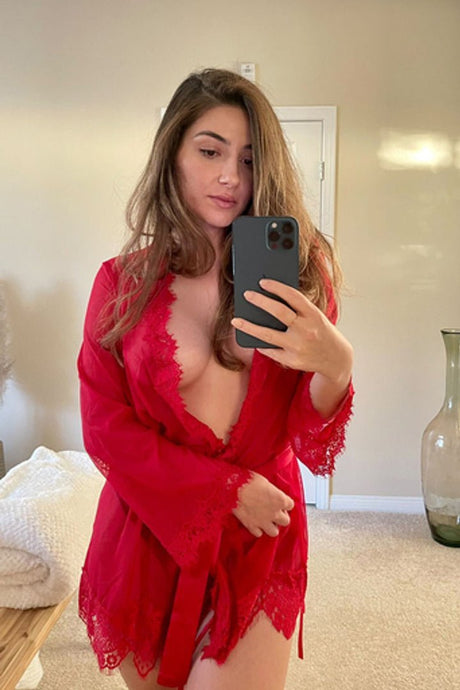
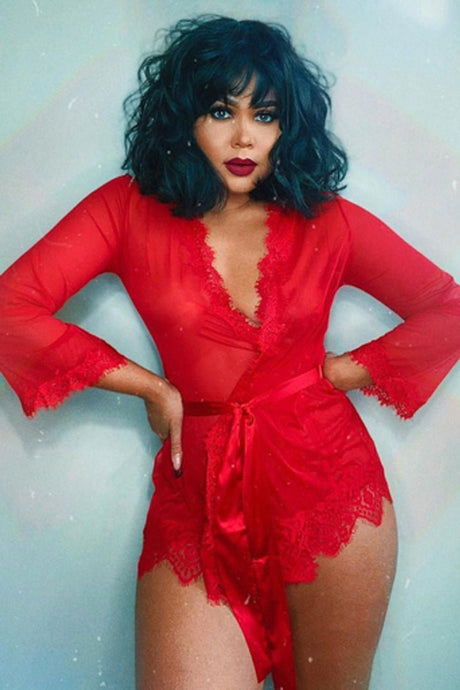
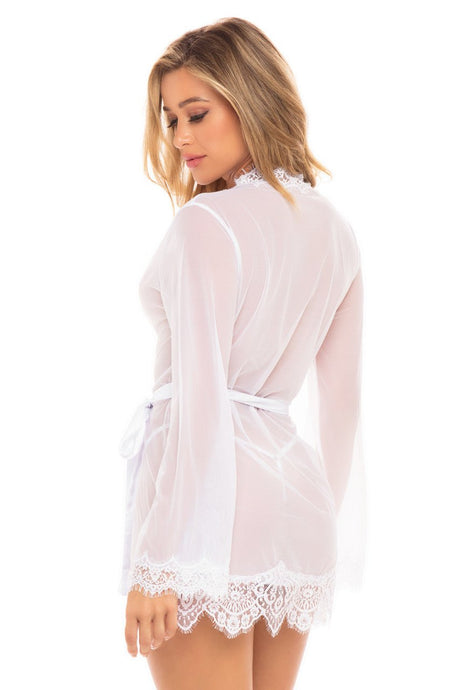
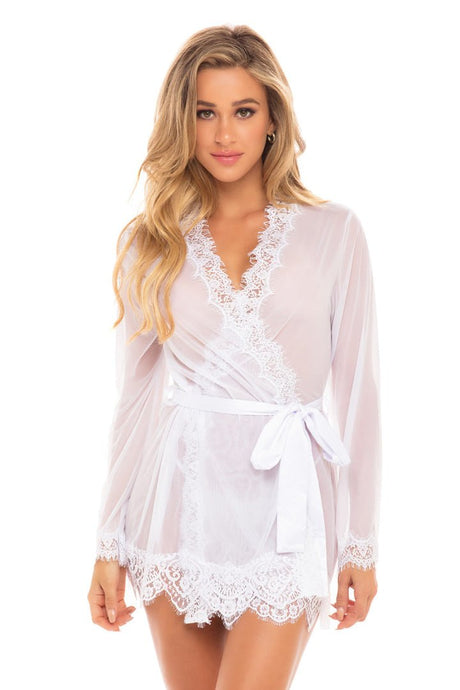
What is a kimono dress, and how do you wear one?
A kimono dress is a Western dress with wide kimono sleeves cut in one piece with the bodice, usually with a wrap or V front and a tie at the waist. It borrows its sleeve and crossover from the Japanese kimono but is a modern dress.
Wear it tied or belted at the waist so the loose top has shape, in a fabric that drapes, with simple shoes and small jewelry. Underneath, a plunge bra suits the V front, and a bra with low, smooth sides helps if the wide sleeves show your side.
The easiest kimono dress to wear is a midi in viscose or crepe with elbow-length sleeves and a self-tie sash.
The kimono dress is one of the easiest dresses to move in. The sleeves are cut in one with the body, so there is no tight armhole, and a wrap front and a sash give it shape. It works as a summer maxi, a printed office midi, a silk wedding guest dress and a velvet holiday dress.
Its wide sleeves and loose top also raise a few questions: what bra hides at the side, how to stop it looking like a robe, and what coat goes over it. This guide covers kimono dress styles and fabrics, how the kimono sleeve differs from other sleeves, how it should fit, what to wear underneath, and how to style one for every season and occasion.
- Kimono sleeves are cut in one with the bodice, with no armhole seam.
- Tie or belt the waist so the dress does not look like a robe.
- Drapey fabrics let wide sleeves fall softly.
- A plunge bra suits most wrap and V fronts.
- Check the side view; wide sleeves can show the bra.
- Capes and cropped jackets fit over wide sleeves.
Kimono Dress Styles
Ten versions of a wide-sleeved dress.

If you are buying your first kimono dress, choose a midi in viscose or crepe with elbow-length sleeves, a wrap or V front and a self-tie sash. It has enough shape for work and dinners, and the sleeves are short enough to live with every day.
What Makes a Kimono Sleeve
Cut in one with the body.
Most sleeves are set in: a separate piece sewn into an armhole at the shoulder. A kimono sleeve is cut in one piece with the front and back of the bodice, so there is no armhole seam. The shoulder line slopes softly into the sleeve, and the sleeve extends out to a wide opening. A dolman or batwing sleeve is also cut in one, but the armhole is much deeper, sometimes reaching the waist.
This construction is what makes kimono dresses so comfortable: there is nothing tight around the arm or shoulder, so they suit broad shoulders, fuller arms and anyone who dislikes a fitted armhole. It also means the side of the body is more open, which affects what you wear underneath.
How a Kimono Dress Should Fit
Loose on top, defined at the waist.
Because the top is loose, size for your bust and hips, and let the sash shape the waist. A dress that is too large looks like a robe; one that is too small pulls across the bust and opens at the wrap. Check the side view in a mirror: wide sleeves often show the side of the body, and that decides which bra works.
Kimono Dress Fabrics
Drape matters most.
| Fabric | Feel | Notes |
|---|---|---|
| Silk | Fluid and light | Evening and weddings; hand wash or dry clean |
| Satin | Smooth with a sheen | Dinners and parties; shows lines underneath |
| Viscose or rayon | Soft and breathable | Everyday and summer; wash cool |
| Crepe | Matte with body | Work and evening; hides lines well |
| Chiffon | Light and sheer | Weddings; needs a lining |
| Cotton | Crisp | Casual; sleeves stand away more |
| Velvet | Rich and warm | Holiday parties and winter |
| Knit | Warm and stretchy | Sweater dresses for cold weather |
Fabrics that drape, such as silk, satin, viscose, crepe and chiffon, let the wide sleeves fall softly and move when you walk. Crisp fabrics such as cotton poplin make the sleeves stand out from the body, which can look boxy. If you love a crisp cotton, choose a shorter sleeve and a defined waist.
What to Wear Under a Kimono Dress
Watch the front and the side.

A kimono dress has two places where a bra can show: the V or wrap front and the wide sleeve opening at the side. Check both in a mirror, with your arms down and raised, before you choose what to wear underneath.
The bra
| Kimono dress | Best bra | Why |
|---|---|---|
| Wrap or V front | Plunge bra | Low center hides below the V |
| Wide sleeve opening | Bra with low, smooth sides | Nothing shows at the side |
| Very open sides | Bralette you do not mind showing | Looks intended if it peeks |
| Satin or silk | Smooth T-shirt or plunge bra | No lace texture through the fabric |
| Fuller bust | Supportive plunge bra | Lift and coverage under the wrap |
| High round neck | T-shirt bra | Smooth under a closed front |
If you are unsure of your size, Brasize.ai can give you a starting point. Our guides to the plunge bra, bralettes and bras for every neckline explain each option.
Below
Silk, satin and viscose kimono dresses show underwear edges, so choose seamless or laser-cut underwear in a shade close to your skin tone. Under thin, pale fabrics, check the dress in daylight. Our guide to hiding panty lines covers which styles disappear best.
Extra layers
A thin camisole under a deep wrap front raises the neckline and covers the side if the sleeves are very open. Light smoothing shorts or a half slip keep a wrap skirt from clinging or opening. Our guide to slips and shapewear explains the options.
Plunge Bras, Bralettes and Seamless Underwear
Layers that work with wide sleeves and wrap fronts.
Plunge BrasBralettesSeamless UnderwearHow to Style a Kimono Dress
Let the sleeves lead.

| Piece | Day | Evening |
|---|---|---|
| Shoes | Flat sandals, loafers or ankle boots | Block heels or strappy heels |
| Belt | Self-tie sash or leather belt | Satin sash or metallic belt |
| Bag | Tote or crossbody | Small clutch |
| Jewelry | Small hoops or studs | Statement earrings |
| Layer | Long cardigan or cape | Cropped jacket or wrap |
The wide sleeves already add drama, so keep the rest simple. Statement earrings work better than bracelets, which get lost in or catch on the sleeves. A belt or sash at the natural waist is the most important styling choice, because it turns a loose shape into a defined one. A crossbody bag strap can crush a wide sleeve, so a tote or clutch often works better.
Shoes for a Kimono Dress
Match the length and season.
A kimono dress has volume at the top, so a shoe with some weight, such as a block heel, a loafer or an ankle boot, balances it better than a very delicate sandal. With a maxi, flat sandals or wedges keep it relaxed; with a midi, a heel or boot lengthens the leg.
Where to Wear a Kimono Dress
From the office to a summer wedding.
| Occasion | Kimono choice | Notes |
|---|---|---|
| Office | Crepe midi, elbow sleeves | Belted, with loafers |
| Weekend | Viscose or cotton midi | Sandals or sneakers |
| Vacation | Printed viscose maxi | Packs easily |
| Wedding guest | Silk or chiffon midi or maxi | Avoid white and ivory |
| Dinner or date | Satin kimono dress | Heels and earrings |
| Holiday party | Velvet kimono dress | Tights and pumps |
| Garden party | Floral kimono midi | Block heels for grass |
Our guides to wedding guest dresses, casual dresses and summer dresses cover the dress codes for each kind of event.
Kimono Dresses for Every Figure
Why the shape is so forgiving.
The kimono dress fits so many figures because nothing is fitted except the waist. The sleeves and shoulders are loose, and the sash creates the shape. The detail that matters for every figure is a waist tie at the right height and a fabric that drapes.
Where the Kimono Dress Comes From
A sleeve and a shape, borrowed.
The kimono is a traditional Japanese garment with a long history, specific construction and its own ways of wearing it. The kimono dress sold in Western shops is something different: a modern dress that borrows a few features of the kimono, mainly the wide sleeve cut in one with the body and the crossover front.
Designers have borrowed the kimono sleeve and the wrap front for over a century, and the shape is now a standard part of Western dressmaking. It is fine to love and wear a kimono dress, and it is worth knowing it is an influence, not a copy. That is also why it is best not to describe a kimono dress as a traditional kimono, or to wear it as a costume.
Kimono Dress vs Kimono Robe
Out in the world or at home.
A kimono robe is loungewear: a loose, open robe with wide sleeves and a tie belt, worn over sleepwear or as a cover-up. A kimono dress is made to be worn out, with a closed or wrap front, a lining or opaque fabric, and a fitted waist. They share the sleeve and the crossover, but not the purpose. Our guides to the kimono robe and how to wear a kimono robe cover the robe side in detail.
Kimono Dress vs Wrap Dress
Close relatives.
| Kimono dress | Wrap dress | |
|---|---|---|
| Sleeve | Wide, cut in one with the bodice | Any sleeve |
| Front | Usually a wrap or crossover | Always a wrap |
| Waist | Tie, sash or belt | Tie at the side |
| Fit | Loose at the top | Close at the bust and waist |
| Feel | Relaxed and fluid | Defined and polished |
Many kimono dresses are wrap dresses with wide sleeves. If you like the wrap shape but want more coverage and movement in the arms, a kimono dress is the natural next step. Our wrap dress guide covers how to tie and fit a wrap front.
Sashes, Belts and Ties
Where the shape comes from.
Because the top of a kimono dress is loose, the waist tie gives it shape. A fabric sash in the same print is the most common; a wide fabric belt looks dramatic; a thin leather belt looks sharper and more modern. Tie the sash at the natural waist, knot it at the side or back, and let the ends hang. Without a tie, a kimono dress can look like a robe, so keep one on for most occasions.
Living With Wide Sleeves
Practical tips.
Wide sleeves are beautiful but they catch on door handles, dip into plates and swing over candles. For everyday wear, choose sleeves that end at or above the elbow. With longer sleeves, push them up when you eat, cook or wash your hands, and keep them away from open flames. A sleeve with a slight taper toward the wrist is easier to live with than a fully open bell sleeve.
Prints and Colors
The kimono dress loves a print.
Kimono dresses are often made in bold florals, botanical prints, geometric patterns and abstract prints, because the wide sleeves and simple shape show a large print well. Solid colors look cleaner and more formal: black, navy, rust, emerald and ivory are popular. If you choose a print with Japanese motifs, such as cranes or waves, treat it as a print you love rather than a costume detail.
Kimono Dresses for Work
Relaxed but polished.
A kimono dress can look polished at the office when the details are right. Choose a crepe or heavy jersey midi with elbow-length sleeves, a V or wrap front that covers the center of your bra, and a belt at the waist. Dark solids and small prints look the most professional. Loafers, pumps or low block heels finish the look. Very wide, long sleeves can get in the way at a desk, so keep them for evenings.
Kimono Dresses for Weddings
An elegant guest choice.
A silk, satin or chiffon kimono dress in a midi or maxi length is a graceful wedding guest outfit. The sleeves add movement and cover the upper arms, which helps at religious ceremonies, and the wrap front and sash give shape. Large florals suit garden and summer weddings; jewel tones and solid satin suit evening receptions. Avoid white, ivory and pale champagne. Pin the wrap front and the skirt overlap before the ceremony, and choose shoes for grass and dancing. Our wedding guest dress guide explains each dress code.
Satin and Silk Kimono Dresses for Evening
Drama in the sleeves.
In satin or silk, the kimono dress becomes an evening dress: the sleeves catch the light and move as you walk. A black, emerald or burgundy satin kimono dress with heeled sandals and statement earrings suits dinners, parties and evening weddings. Satin shows every line, so plan smooth layers underneath. Our guides to the slip dress and the cocktail dress cover more satin evening looks.
Kimono Dresses in Summer
Light and airy.
The loose sleeves and body make kimono dresses comfortable in hot weather, especially in viscose, cotton voile and linen blends. A printed kimono maxi with flat sandals and a straw bag works for weekends, markets and vacations, and the sleeves protect the upper arms from the sun. Light fabrics can be see-through in bright light, so check the dress outdoors. Our guides to beach dresses and summer dresses have more warm-weather ideas.
Kimono Dresses in Fall and Winter
Warmer fabrics, smarter layers.
In colder months, choose a crepe, velvet or knit kimono dress and add tights and ankle or knee boots. The challenge is the coat: wide sleeves do not fit easily into narrow coat sleeves. A cape, a poncho, a long open cardigan or a coat with wide sleeves works best. A rust or ochre print with tan boots is a classic fall look. Our guides to the sweater dress and to tights cover cold-weather layers.
Kimono Dresses for Holiday Parties
Rich fabrics and color.
For holiday parties, a velvet or satin kimono dress in emerald, burgundy, navy or black looks festive and stays comfortable through a long dinner. Add sheer black tights, pumps and statement earrings. A metallic sash or a velvet belt adds a festive detail without more jewelry. Our holiday party dress guide explains how dressy to go for each kind of party.
Kimono Dresses for a Date
Easy and interesting.
A kimono dress is a relaxed date outfit with a little drama. A satin kimono dress with heels suits a nice restaurant; a printed viscose one with sandals works for drinks or a picnic. Choose a front you do not need to adjust, tie the sash securely, and bring a light cape or cardigan for the evening.
Plus-Size Kimono Dresses
Comfort and shape.
Kimono dresses are popular in extended sizes because the sleeves never cling to the arms and the wrap front adjusts. Look for a deep wrap overlap, a sash at the natural waist and a fabric that drapes. A supportive plunge bra keeps the wrap front neat, and light smoothing shorts prevent chafing under a midi or maxi. Our guides to plus-size shapewear and plus-size bras for large breasts cover the options.
Kimono Dresses for a Fuller Bust
Coverage at the front.
A fuller bust can wear a kimono dress well, because the loose sleeves and top give room. The front is the part to check: a shallow wrap can open when you lean forward. Choose a dress with a deep overlap or a higher V, wear a supportive plunge bra, and tape the crossover if it gapes. A belt at the waist keeps the extra fabric from hiding your shape. Our guide to bras for cleavage covers plunge styles.
Petite and Tall
Scale and proportion.
If you are petite, the volume of a kimono dress can overwhelm a small frame. Choose elbow-length or shorter sleeves, a knee-length or short midi and a defined waist, and keep prints small to medium in scale. If you are tall, long kimono maxis and wide sleeves look striking, and tall ranges make sure the waist tie sits at your natural waist.
Kimono Dresses During Pregnancy
Room to grow.
A wrap kimono dress adjusts as the bump grows, and the loose sleeves stay comfortable as the upper body changes. Tie the sash above the bump or let it sit loosely around it. Choose a stretch fabric or a dress with a deep wrap overlap so the skirt stays closed. A soft maternity bra with a low center suits the V front. Our guide to maternity and nursing bras explains the options.
Kimono Dresses for Nursing
A wrap front helps.
A wrap kimono dress makes nursing easy: one panel moves aside without lifting the dress. Wear a nursing bra with drop-down cups, and a thin camisole underneath if you want more coverage. Viscose and jersey are the easiest to wash, and a busy print hides small marks.
Kimono Dresses at Any Age
Comfortable and elegant.
The kimono dress suits every age. The sleeves cover the upper arms, the shape is relaxed and the sash defines the waist. A crepe or silk kimono midi in a solid color or a refined print looks polished at any age, and a camisole underneath adjusts a deep V. Our guide to bras for older women covers comfortable support.
Coats and Layers Over Wide Sleeves
Plan the top layer.
A fitted coat with narrow sleeves crushes wide kimono sleeves and bunches them at the elbow. If you already own a fitted coat, wear it open over the shoulders for short trips, or choose a kimono dress with elbow-length sleeves that fit inside the coat.
Jewelry and Hair
Near the face, not the wrists.
Wide sleeves cover or swing over the wrists, so bracelets and watches get lost or catch on the fabric. Statement earrings, a short pendant or a fine chain work better. With a deep V, a pendant that falls into the neckline is simple and polished. Hair worn up shows the neckline and keeps it from tangling with the sleeves; loose waves suit a relaxed summer maxi.
Bags and Kimono Sleeves
Avoid crushing the sleeve.
A crossbody strap runs across the body and can flatten one sleeve. A tote carried in the hand, a top-handle bag or a clutch keeps the sleeves free. If you need a crossbody for travel, wear the strap over the sash and choose a thin strap that sits under the sleeve. Woven straw bags suit summer prints; structured leather suits work and evening.
Signs of a Well-Made Kimono Dress
Check the underarm and the sash.
Because there is no armhole seam, the underarm of a kimono sleeve takes a lot of stress. Look for a reinforced underarm, often with a small gusset or extra stitching, so it does not tear when you lift your arms. Check that the sash is long enough to tie properly, the wrap front has a deep overlap, the hem is even, and thin fabrics are lined. A well-made kimono dress drapes evenly from shoulder to sleeve.
Buying a Kimono Dress Online
Read the details.
Check the sleeve length, the fabric, the lining, the bust and hip measurements and the length. Photos often show the dress belted, so check whether a belt or sash is included. Reviews that mention the sleeves being in the way, the wrap opening or the fabric being see-through are the most useful. When it arrives, try it with the bra you plan to wear and check the side view with your arms raised before you remove the tags.
Altering a Kimono Dress
What a tailor can do.
A tailor can shorten the sleeves, add a snap at the wrap front, stitch the skirt overlap, shorten the hem, add belt loops at the waist or add a lining. Narrowing very wide sleeves is possible but changes the look, so it is better to choose a sleeve width you like. Belt loops are a simple change that keeps the sash at the right height all day.
Caring for a Kimono Dress
Protect the sleeves and sash.
Follow the label. Silk and satin usually need hand washing or dry cleaning; viscose can shrink, so wash it cool and dry it flat. Tie the sash loosely before washing so it does not tangle, and use a mesh bag. Hang the dress on a wide, padded hanger so the cut-in-one shoulders do not stretch, and steam the sleeves rather than ironing creases into them. Store knit kimono dresses folded.
Packing a Kimono Dress
Roll it, do not fold it.
Viscose and jersey kimono dresses roll small and resist creases, which makes them easy to pack. Fold the sleeves across the body, then roll the dress from the hem up. Hang it as soon as you arrive, and steam silk or satin in a warm bathroom. One printed kimono maxi can cover a beach lunch with sandals and a dinner with heels.
Spending on a Kimono Dress
Where it matters.
Spend on fabric and construction: a fabric that drapes, a reinforced underarm, a long sash and a deep wrap overlap. Those decide whether the dress hangs well and lasts. A good viscose or crepe kimono midi is one of the most versatile dresses you can own, because it works for work, weekends and evenings with a change of shoes.
Rewearing a Kimono Dress
Many looks from one dress.
A printed kimono midi can go from the office with a belt and loafers to dinner with heels and earrings, and to the weekend with sandals and a straw bag. In fall, add tights, ankle boots and a cape. A solid satin kimono dress is the easiest to dress up for weddings and parties. Our casual dresses guide has more ideas for everyday wear.
Kimono Dresses With an Empire Waist
A high sash.
Some kimono dresses tie just under the bust rather than at the natural waist. This empire version is comfortable and suits pregnancy and a fuller middle, but it can look shapeless with very wide sleeves. Keep the sleeves at the elbow and the fabric soft. Our empire waist dress guide explains where a high seam should sit.
Sitting, Eating and Moving
Practical comfort.
Kimono dresses are easy to move in, because nothing is tight at the arms or shoulders. When you sit, check that the wrap skirt stays closed, and smooth the front panel across your knees. At the table, push long sleeves up or rest them in your lap so they do not trail into food. On windy days, a wrap skirt can open, so a small stitch or pin inside the overlap helps.
Wearing It Thoughtfully
A modern dress, not a costume.
The kimono dress is a modern Western dress that borrows a sleeve and a shape. Wearing one is normal and widely accepted. It is worth avoiding costume-style styling, such as pairing it with items that imitate traditional Japanese dress for a themed look, and avoiding calling it a "kimono" when you mean a kimono-style dress. Style it the way you would any other dress: with your own shoes, jewelry and layers.
Choosing a Color Near the Face
The sleeves frame you.
Wide sleeves and a V front put a lot of fabric near the face, so the color matters. If a color makes your skin look bright and even, it will work well in a kimono dress. Prints with a dark background look more polished; prints with a light background look fresher and more casual. If you love a bold print, keep the jewelry and shoes simple.
A Small Kit for a Kimono Dress
Fix problems on the spot.
Pack fashion tape for a wrap front that opens, a safety pin for the skirt overlap or a loose sash, and a hair tie for long hair that catches on the sleeves. A small lint roller helps with dark satin and velvet. These cover most problems with a kimono dress in a minute.
Sleeve Lengths
From short to full.
The longer and wider the sleeve, the more formal and dramatic the dress looks, and the more you need to think about practical life. For a dress you will wear often, elbow or three-quarter sleeves are the best balance.
Necklines on Kimono Dresses
And the bra that goes with each.
Our guide to dress necklines explains how each neckline works with different bust sizes and bras.
Styling a Kimono Mini
Balance volume with length.
A kimono mini has volume at the top and a short skirt, which makes a balanced, modern shape. Wear it with ankle boots and tights in fall, or with flat sandals in summer. Keep the sleeves at the elbow so the top does not overwhelm the short length, and belt the waist. Light smoothing shorts keep a short wrap skirt in place when you sit or walk. Our mini dress guide has more ideas for short lengths.
Linings and Sheer Fabrics
Check before you go out.
Chiffon, voile and thin viscose kimono dresses are often sheer, especially in the sleeves. Sheer sleeves look pretty, but a sheer body needs a lining or a slip. Hold the dress up to a window before you wear it, and check it outdoors in bright light. A skin-tone slip or camisole is the least visible layer under a sheer dress; black under black chiffon looks intended and polished.
Gallery Openings, Brunches and Creative Events
Where the kimono dress shines.
The kimono dress is a natural fit for relaxed but stylish events: gallery openings, brunches, book launches, garden parties and graduations. A bold print or a rich solid with interesting sleeves looks considered without looking overdressed. Pair it with simple shoes, one pair of statement earrings and a structured bag. For daytime garden events, choose block heels that work on grass.
Kimono Dresses on Vacation
One dress, many settings.
A printed viscose kimono dress is one of the most useful things to pack for a warm-weather trip. It covers the shoulders and upper arms for sightseeing and religious sites, it works over a swimsuit for a beach lunch, and it dresses up for dinner with heels and earrings. Choose a wrinkle-resistant viscose or polyester crepe, a mid-scale print that hides creases and travel marks, and sleeves at the elbow so they stay out of the way. A long sash can double as a belt for other outfits on the same trip.
Common Kimono Dress Mistakes
Easy to avoid.
Kimono Dress Checklist
Before you go.
- Waist: tied or belted at the natural waist?
- Front: covered when you lean forward?
- Side: no bra showing with your arms raised?
- Underwear: seamless and close to your skin tone?
- Sleeves: a length you can eat and work in?
- Layer: a cape or cropped jacket that fits over the sleeves?
What This Means for You
A kimono dress is one of the most comfortable dresses you can wear, and one of the easiest to fit. Choose one in a fabric that drapes, with sleeves you can live with, and always tie or belt it at the waist so it has shape.
Plan underneath around the front and the side: a plunge bra for a wrap or V, a bra with low sides or a bralette for wide sleeve openings, and seamless underwear under silk and satin. Keep jewelry near the face, choose a layer that fits over the sleeves, and wear it as the modern dress it is.
For more ideas, see our guides to the wrap dress, the midi dress and the floral dress.
Wrap, Midi and Floral Dresses
More relaxed, easy dresses.
Wrap DressMidi DressFloral DressFrequently Asked Questions
What is a kimono dress?
Is a kimono dress the same as a kimono?
What is a kimono sleeve?
What is the difference between a kimono sleeve and a dolman sleeve?
What bra do you wear with a kimono dress?
How do you keep a kimono dress from looking shapeless?
What shoes go with a kimono dress?
Can you wear a kimono dress to a wedding?
Can you wear a kimono dress to work?
Are kimono dresses good for a large bust?
Are kimono dresses good for broad shoulders?
Can petite women wear kimono dresses?
What coat goes over a kimono dress?
What is the difference between a kimono dress and a wrap dress?
Can you wear a kimono dress in winter?
Is it respectful to wear a kimono dress?
How do I stop the sleeves getting in the way?
What fabric is best for a kimono dress?
Can plus-size women wear kimono dresses?
How do you wash a kimono dress?
This guide covers kimono-style dresses, fit and what to wear underneath, and is for general information. It describes modern Western dresses inspired by the kimono, not traditional Japanese dress. Sizing and care instructions vary between makers, so check the size chart and care label before you buy.